Reviews describe a facility with a mixed performance profile: several families and visitors praised the rehabilitation program, particular therapy staff, and the warmth of many caregiving employees, while others raised persistent operational concerns that affect daily resident experience.
Care quality shows a clear dichotomy. On the positive side, short-term rehab and certain clinical staff (including physical therapists and some nurses and STNAs) receive strong praise for clinical competence, respect toward residents, and effective hands-on care. Conversely, there are repeated accounts of medication-administration delays and supply-ordering gaps that create interruptions in residents' medication regimens, along with concerns about inconsistent monitoring and documentation. Reviewers describe notable skin-integrity and incontinence-care concerns and uneven bathing and hygiene routines; in several cases families felt they needed to intervene to ensure wound care or basic personal care needs were met.
Staffing and staff conduct emerge as central themes. Many reviewers attribute care gaps to understaffing and low morale; this aligns with multiple comments about long call-light response times and stressed employees. At the same time, a number of individual staff members and departments are described as highly attentive, compassionate, and lifesaving in emergency situations. This suggests variability across shifts and teams rather than uniform performance across the facility.
Dining and activities appear inconsistent. Some families praised visible activities, social programming, and a generally pleasant dining experience, while others reported ignored dietary restrictions and dissatisfaction with food quality. Outdoor time and engagement were noted as present for some residents but absent for others, indicating an inconsistent approach to activity scheduling and personalized programming.
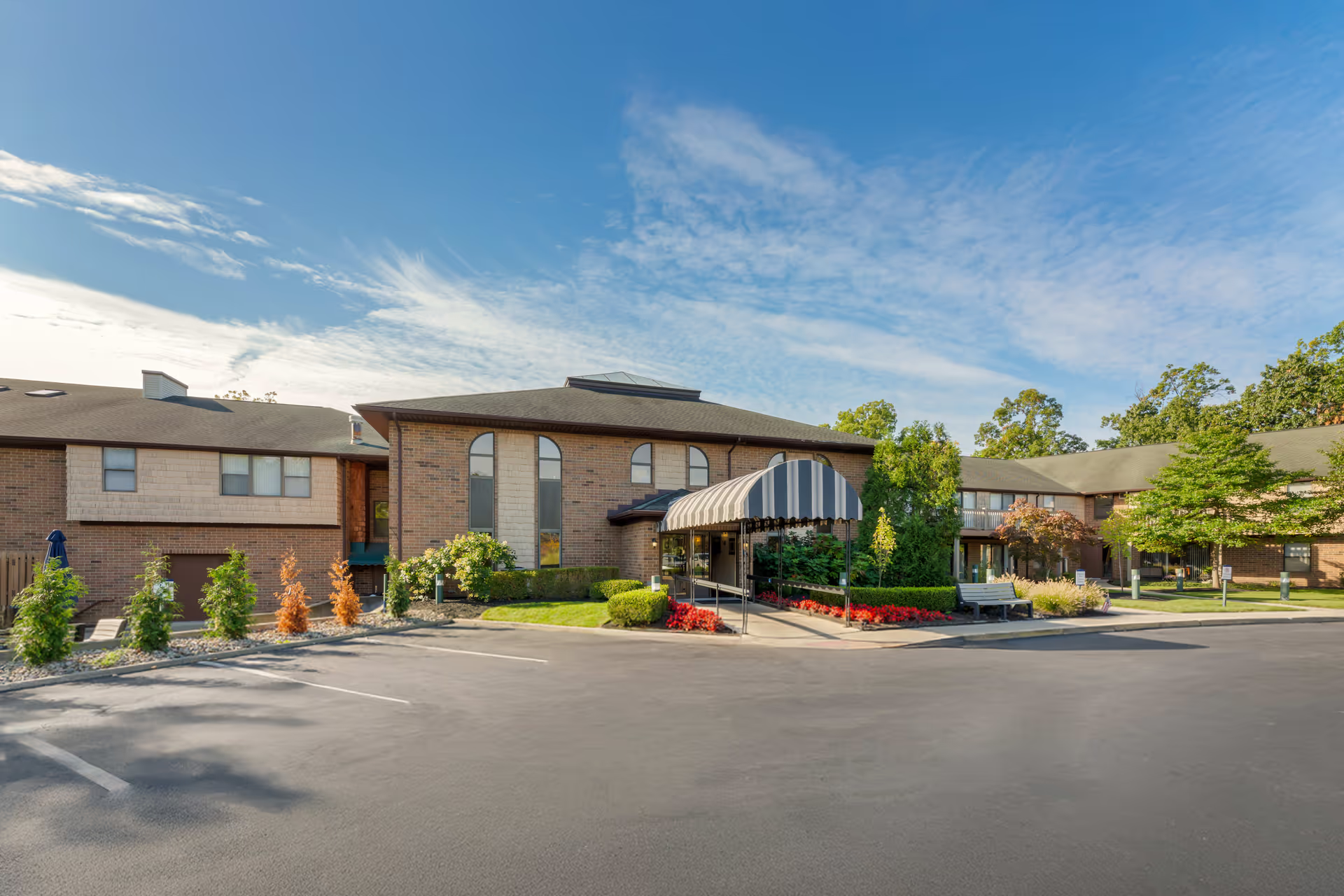
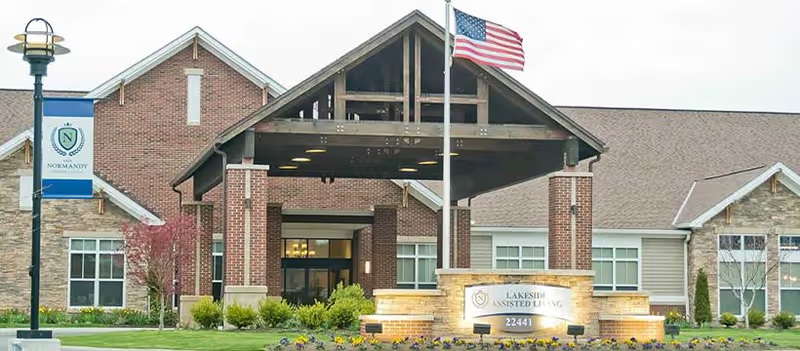
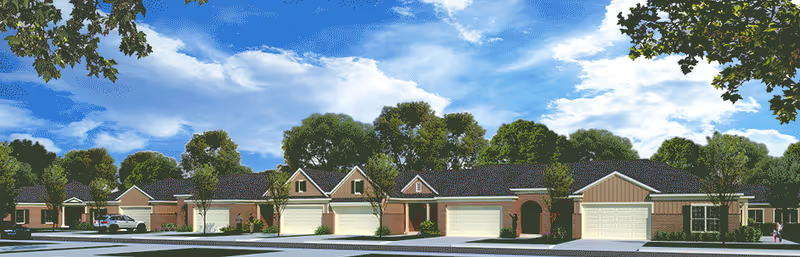
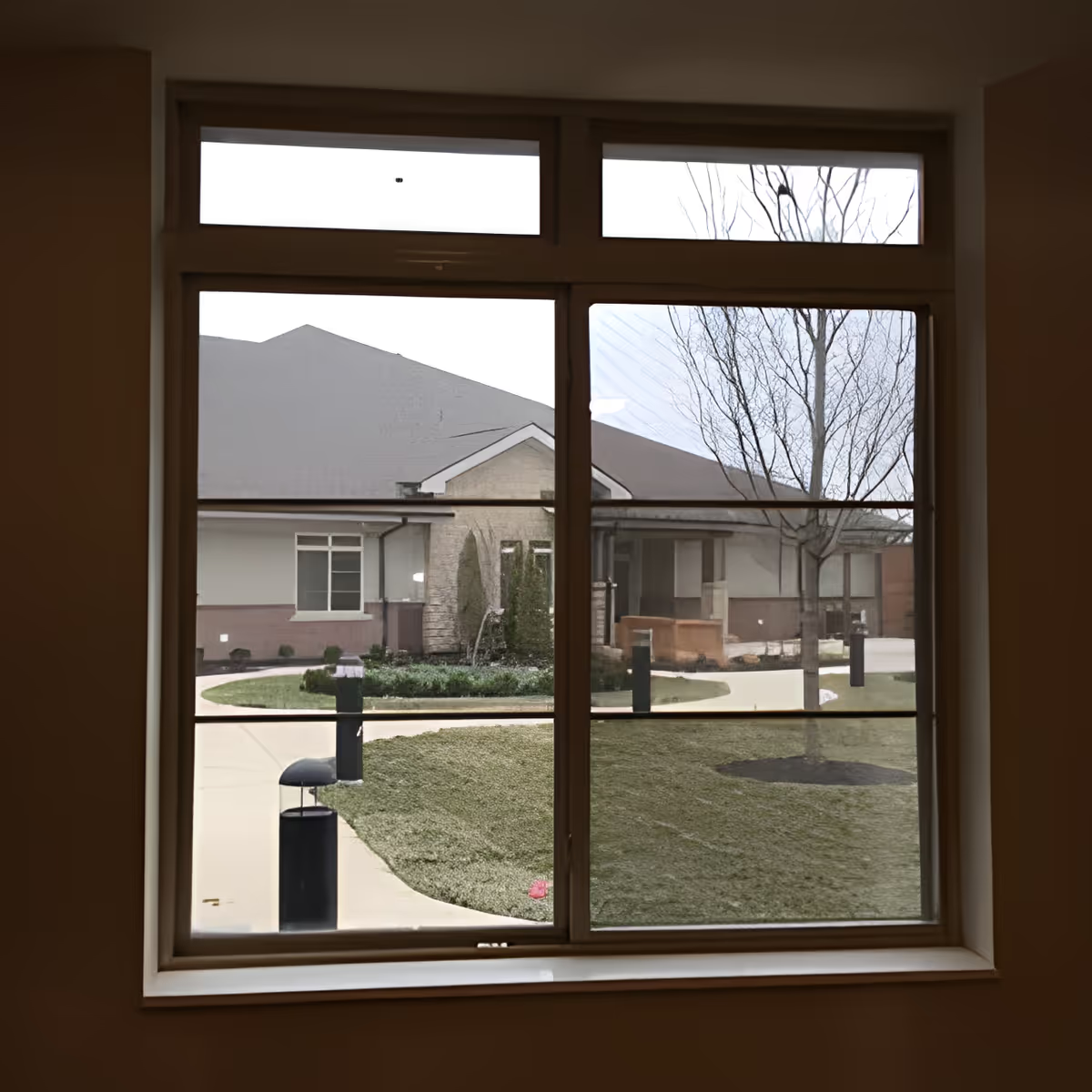
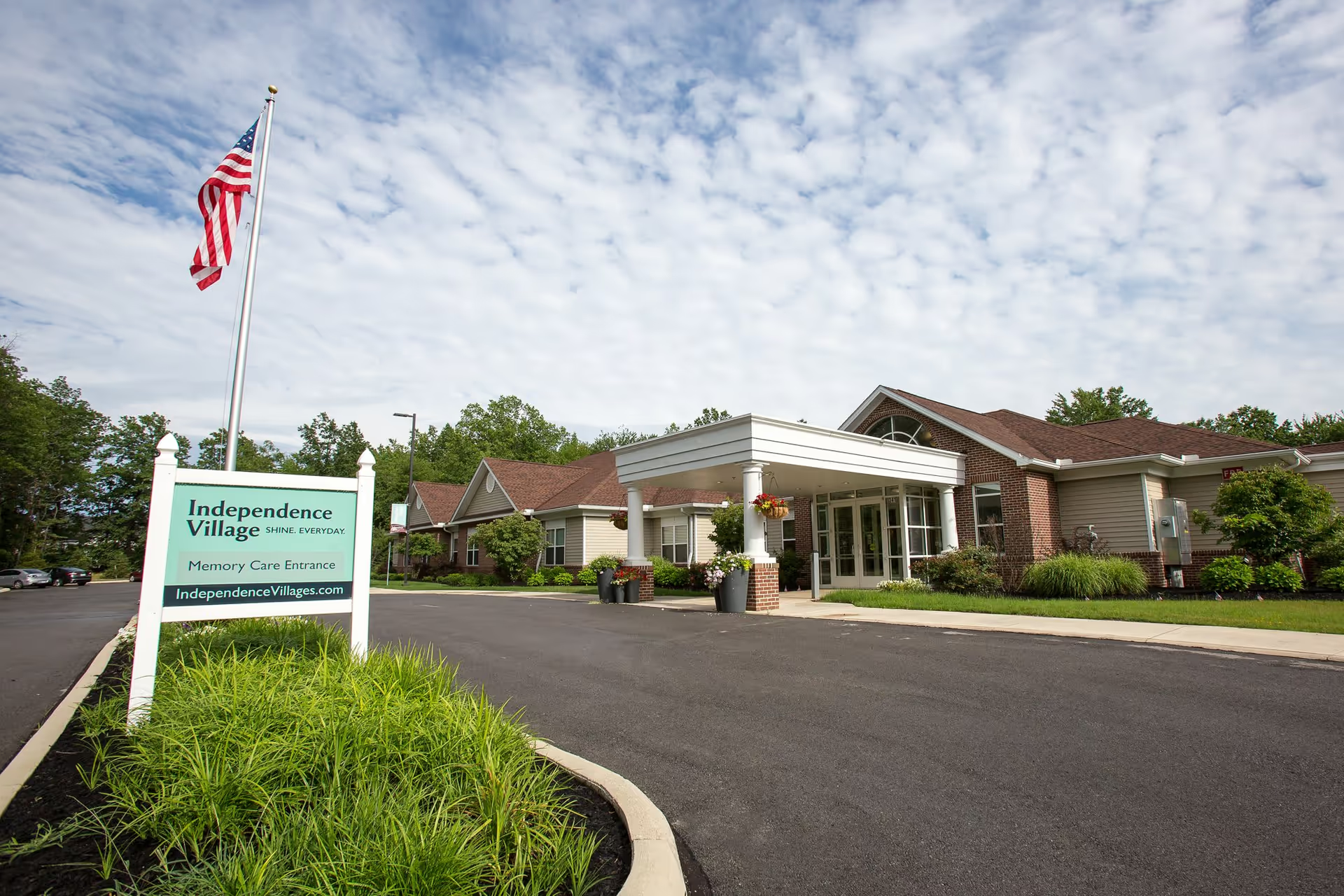
Facility and equipment observations are mixed. The building and common areas are often described as clean and welcoming, with friendly reception staff and a pleasant atmosphere. However, reviewers also note equipment and property-management issues such as missing or uncharged mobility devices, laundry losses, and maintenance items (e.g., non-working outlets, charging stations not present in rooms) that create safety or convenience risks for residents.
Management and communication show variability. Positive examples include proactive updates during care transitions and clear, timely communication in certain cases. Offsetting that are multiple accounts of poor communication around hospital transfers, slow responses from leadership to family concerns, and perceptions of limited empathy from upper management. These patterns point to uneven escalation processes and inconsistent family-engagement practices.
Taken together, the overall pattern suggests that the facility can deliver strong clinical and rehabilitative care and offers a generally pleasant physical environment, but operational weaknesses—especially in staffing, medication processes, personal-care consistency, equipment management, and family communication—create significant variability in resident experience. Prospective residents and families should consider targeted questions during a tour: staffing ratios on the unit and by shift, medication-ordering and administration safeguards, skin-care and incontinence protocols, laundry and property procedures, maintenance of mobility/equipment, dietary-accommodation processes, and the facility’s family-communication and incident-escalation policies. These checks will help determine whether the positive clinical strengths are present and reliably sustained for a given resident placement.