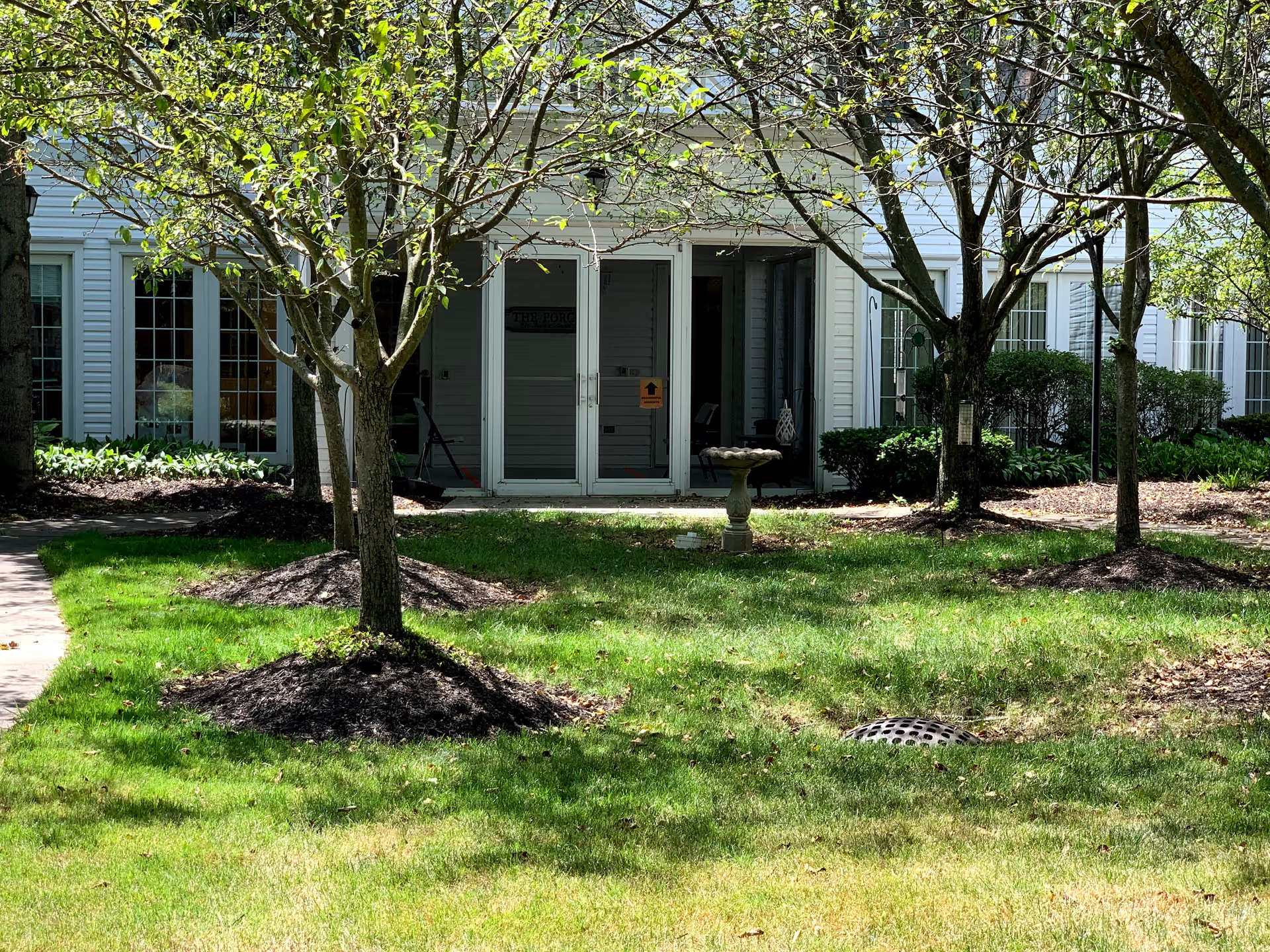
The reviews present a mixed but consistent pattern of both notable strengths and recurrent operational weaknesses. On the positive side, many families praised caregiving staff as attentive and compassionate, and several accounts describe clear, timely communication with families and prompt updates when residents experience clinical changes. Memory-care programming, social and recreational activities (including holiday and evening/weekend events), and therapy services (physical and occupational therapy) are frequently highlighted as effective; reviewers also noted spacious private rooms, comfortable décor, a clean dining area and cafeteria, and outdoor seating that contribute to a home-like atmosphere. Several reviewers specifically credited recent changes in management with improved responsiveness and a more welcoming environment.
Conversely, recurring concerns point to systemic operational issues. Staffing inconsistencies and shortfalls were frequently mentioned and linked to delays in answering call bells, slow assistance with basic needs, and long waits for medication administration. Reviewers described gaps in personal-care scheduling such as missed or delayed showers and delays in incontinence care, as well as sanitation and environmental-maintenance issues in some areas. Clinical gaps were also reported, including inconsistent monitoring and follow-up related to wounds and pain management. Medication-administration and record-keeping inconsistencies were a separate area of concern. Together these issues create safety and quality-of-care worries for some families.
Management and administrative processes emerged as an important differentiator. While a number of reviewers praised new leadership and cited cultural improvements, others described variable management responsiveness, accounting and billing disputes, and concerns about financial transparency. There are also serious individual allegations raised about unethical staff behavior, including theft and manipulation of online reviews; these allegations have prompted some families to pursue external complaints. Such claims underscore the importance of verifying oversight and complaint-resolution processes during a prospective visit.
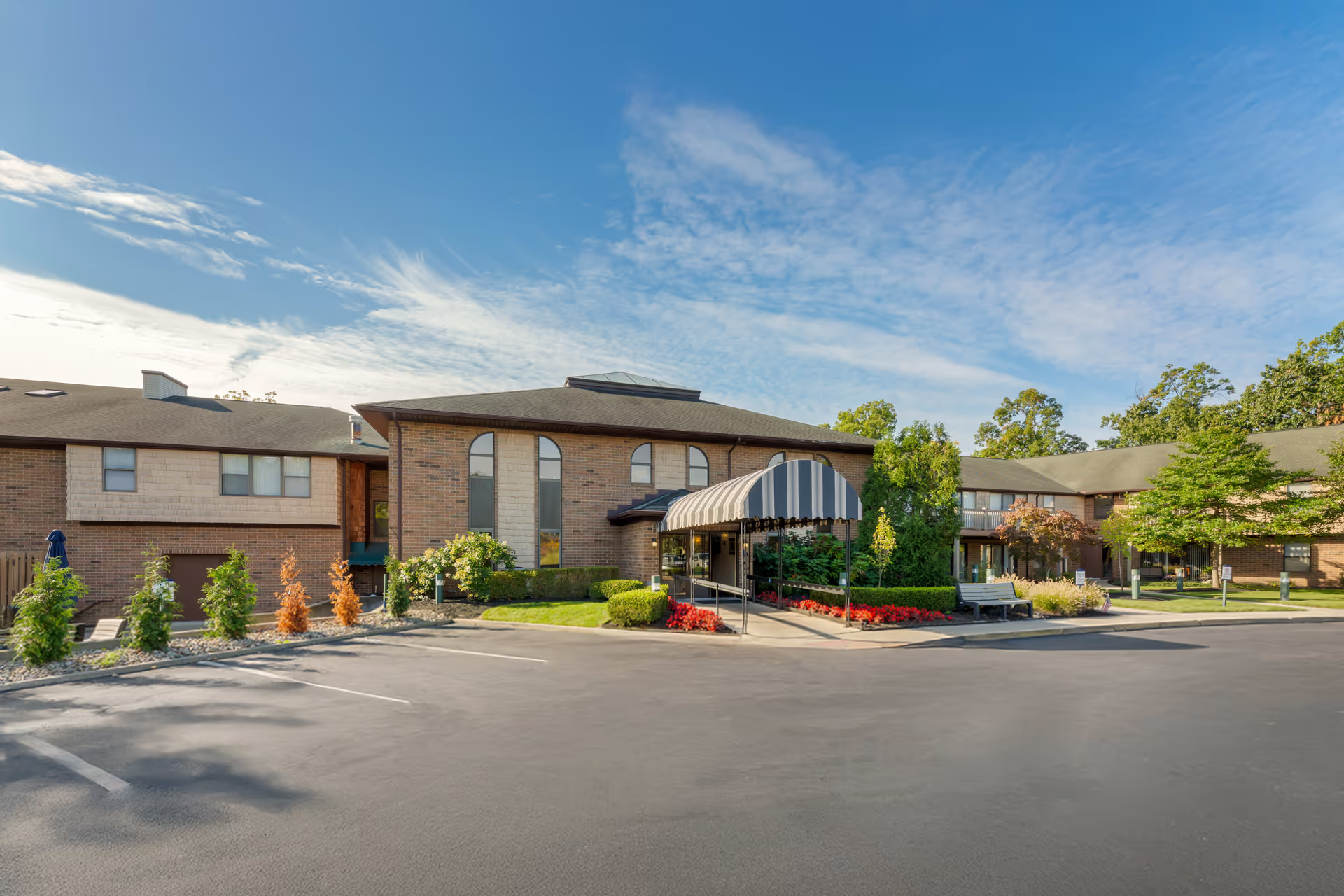
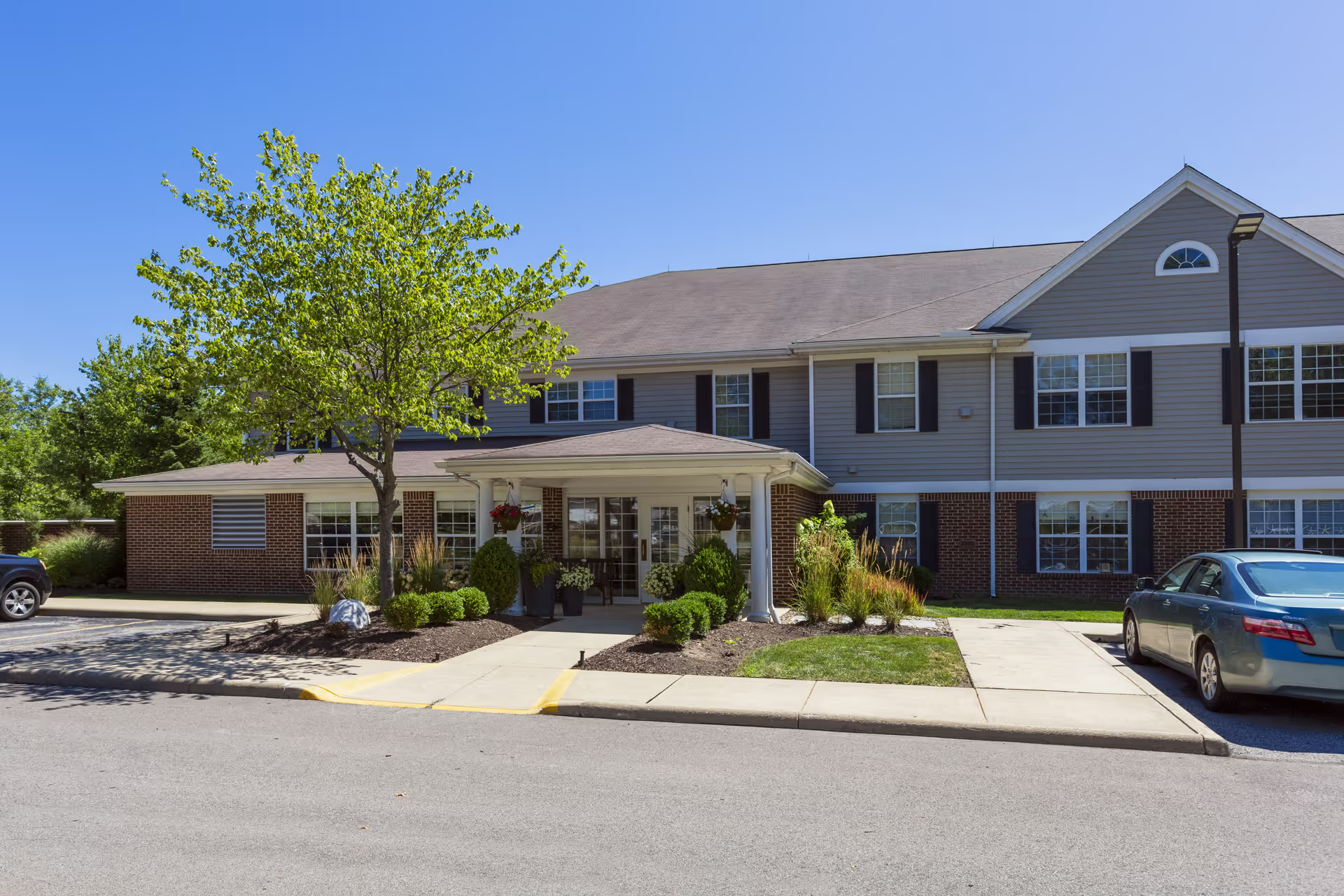
Dining and activities are often viewed positively; several families praised food quality, an active activity calendar, and staff who engage residents in meaningful programming. Facility aesthetics and private-room size are commonly cited strengths. Prospective residents and families should balance these strengths against the operational weaknesses noted above. When considering this facility, ask for current staffing ratios, policies for call-response and personal-care scheduling, documentation of medication-administration procedures, recent inspection or complaint histories, examples of billing practices, and references from current families. A focused tour that includes unit sanitation inspection and conversations with therapy and nursing leadership can help clarify whether recent management changes have addressed the recurring concerns described in reviews.