The reviews portray a facility with a pronounced split between strong clinical/amenity strengths and recurring operational weaknesses. On the positive side, physical and occupational therapy services are frequently described as skilled, empathetic, and effective for rehabilitation goals; this is a consistent strength for short-term, therapy-focused stays. The site’s grounds, common spaces, and on-site amenities (library, salon, exercise room, gazebo/patio) receive favorable comments, and many families note friendly front-desk and admissions staff who facilitate transitions. An active activities calendar — including games, movies, live entertainment, and outings — is a clear asset for resident engagement.
Care quality and safety are the areas with the most mixed feedback. Several reviewers describe attentive, caring staff and reliable nursing in certain shifts or units, while an equally strong set of reports highlights inconsistent responsiveness, delayed medication administration, and missed or delayed clinical follow-up after changes in condition. There are multiple accounts of slow call-light response times and delays attending to personal-care needs; reviewers characterize this as an operational pattern rather than isolated incidents. A small number of serious claims include medication mistakes and missing personal property; these have been summarized as allegations and indicate areas warranting careful review by families and regulators.
Staffing and culture appear uneven. Many individual staff members are praised for compassion and professionalism, but reviewers also describe chronic understaffing, high turnover, and episodes where staff seem overextended or disengaged. These staffing constraints are linked in the narratives to longer response times, variable hygiene and housekeeping performance, and reduced consistency in therapeutic or nursing services. Infection-control and pandemic response attracted criticism in some accounts, with concerns about outbreak management and related visitation restrictions affecting family communication and resident well-being.
Dining and nutrition feedback is mixed. Some residents/families report good food with adequate portions and variety, while others describe cold or unappealing meals and difficulty obtaining specific dietary accommodations. Kitchen and meal-service continuity appears inconsistent, and reviewers cite timing and delivery issues for bed-bound residents as a recurring operational concern.
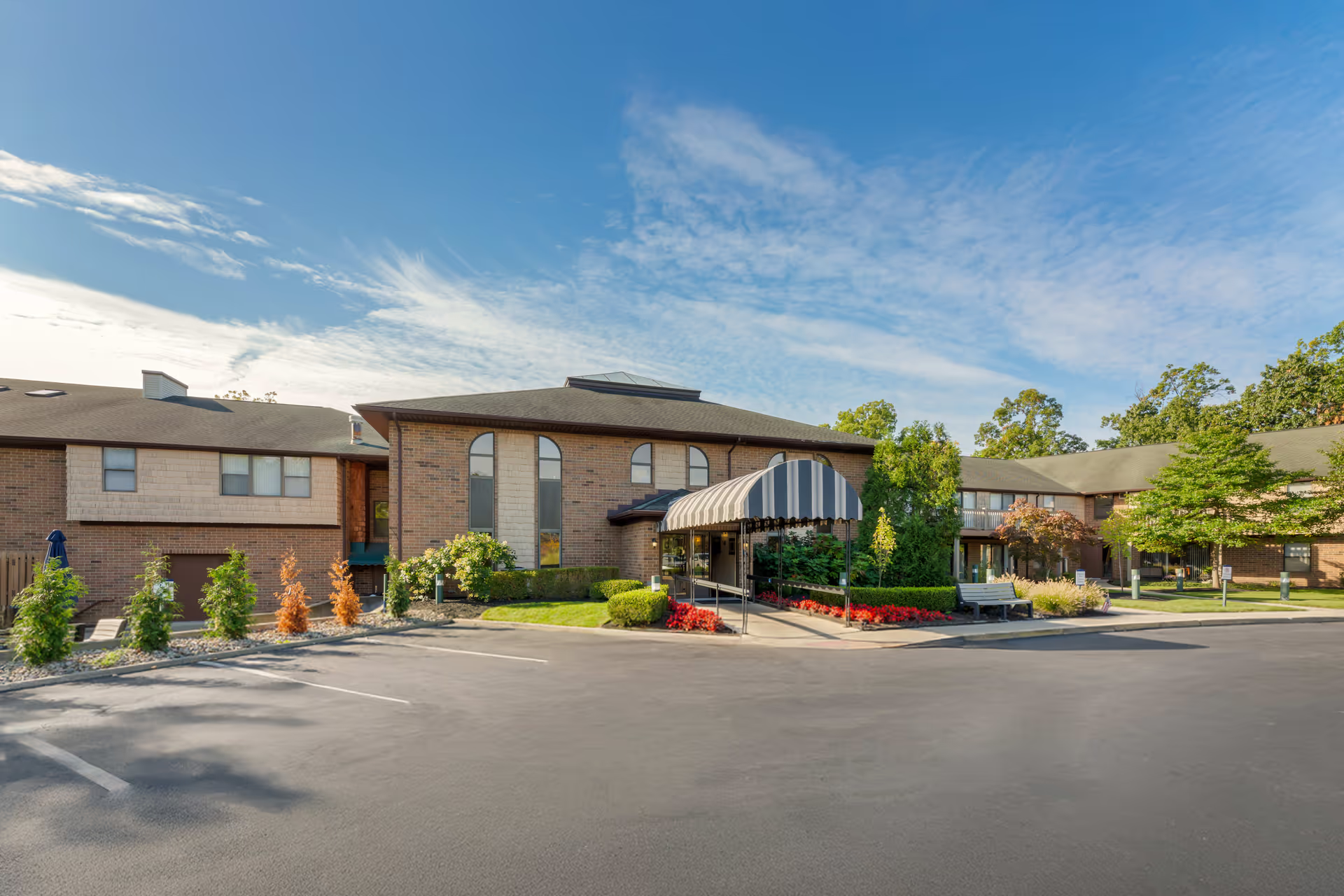
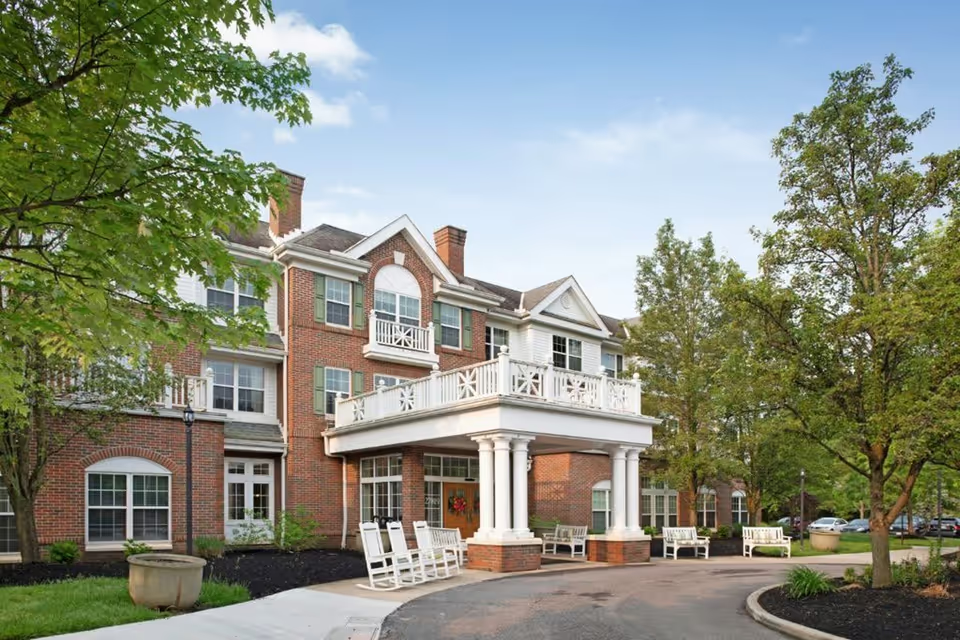
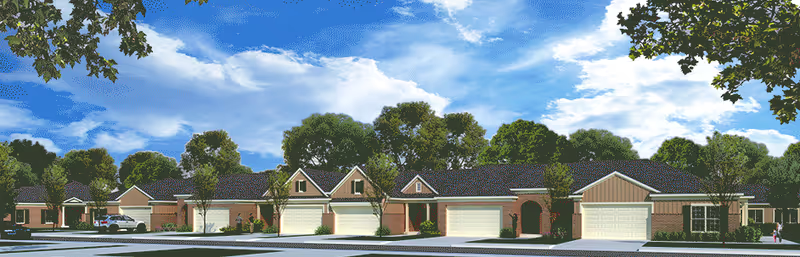
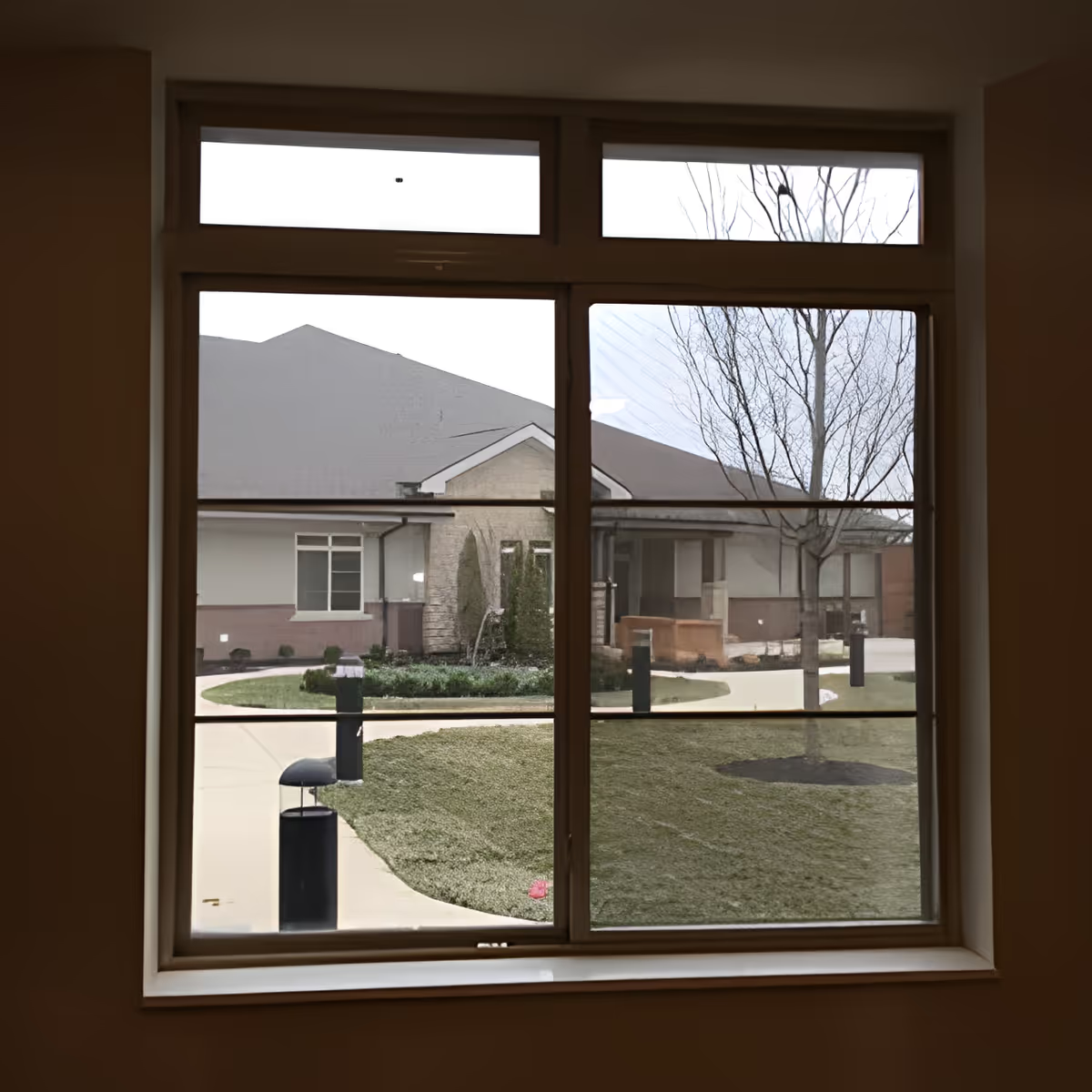
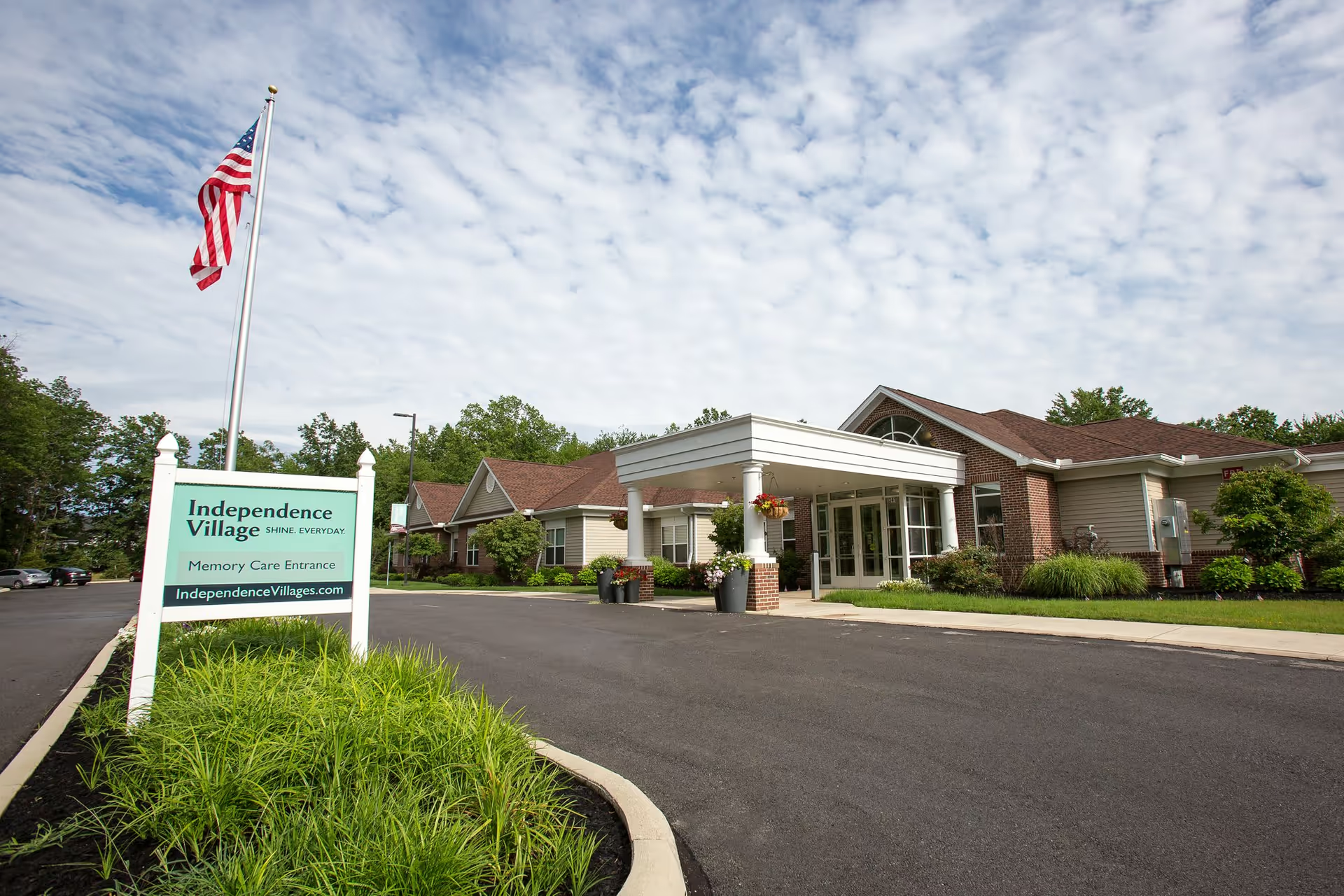
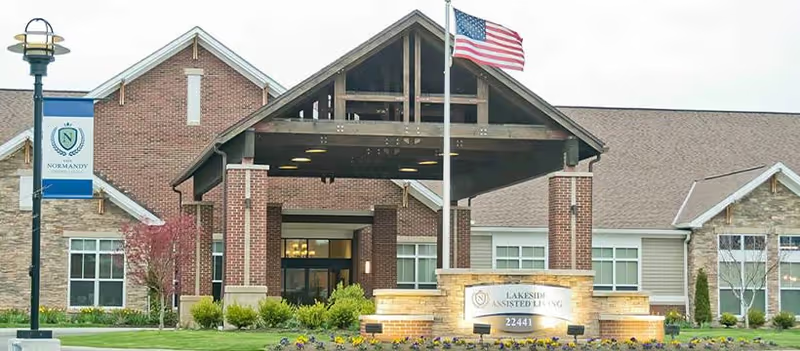
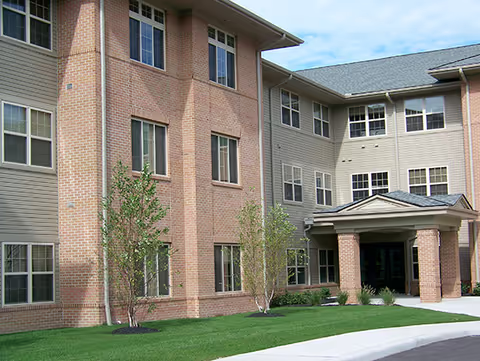
Facilities and environment are likewise described in dual terms. Many praise the clean, light-filled building, attractive outdoor areas, and well-kept therapy spaces. At the same time, physical limitations such as small shared rooms, limited closet/storage space, and some outdated furnishings are noted. A subset of reviews raises sanitation and pest-control concerns in certain shared areas and points to housekeeping variability that affects perceived cleanliness.
Management, communication, and policy enforcement are key recurring themes. Numerous families report difficulty obtaining timely clinical updates, slow or absent responses from administration or HR to concerns, and inconsistent follow-through on promises (for example, repairs, mattress or equipment issues, or care-plan commitments). There are also mentions of limited specialization for dementia/behavioral care, which may be relevant for residents with those needs.
Notable patterns for prospective families: the facility offers strong rehabilitative therapy and a robust activities program within an attractive campus, and many staff deliver attentive, compassionate care. However, operational weaknesses — particularly chronic staffing shortages, inconsistent communication, meal-service variability, sanitation concerns in some shared spaces, and management responsiveness — recur across reviews. These mixed signals suggest that outcomes may depend heavily on unit, staffing levels at a given time, and the resident’s acuity. Families considering this facility should verify current staffing and infection-control practices, review medication and incident-reporting procedures, tour typical shared rooms to assess space/privacy, and ask for examples of how the facility addresses complaints and critical clinical changes.