The reviews reflect a facility with a notable divide between strong individual caregivers and systemic operational weaknesses. Many families praise specific staff members, therapists, and aides for compassionate, attentive care, effective rehabilitation outcomes, and emotional support—examples include consistent therapy programming, helpful admissions coordination, and staff who foster a family-like atmosphere. Positive accounts frequently reference individualized attention, reliable transport and scheduling, and end-of-life care that families found respectful and comforting.
Counterbalancing those positives are recurring operational concerns. Staffing shortages and a heavy reliance on agency or travel personnel are repeatedly linked to delayed responses to call lights, long wait times for basic assistance, and inconsistent day-to-day care continuity. These patterns are associated with housekeeping and sanitation gaps in some areas, inconsistent dietary coverage that affects meal quality and timing, and limited availability of assistive devices used for safe transfers. Several families described situations that indicate weaknesses in medication management and documentation, including medication changes without clear consultation.
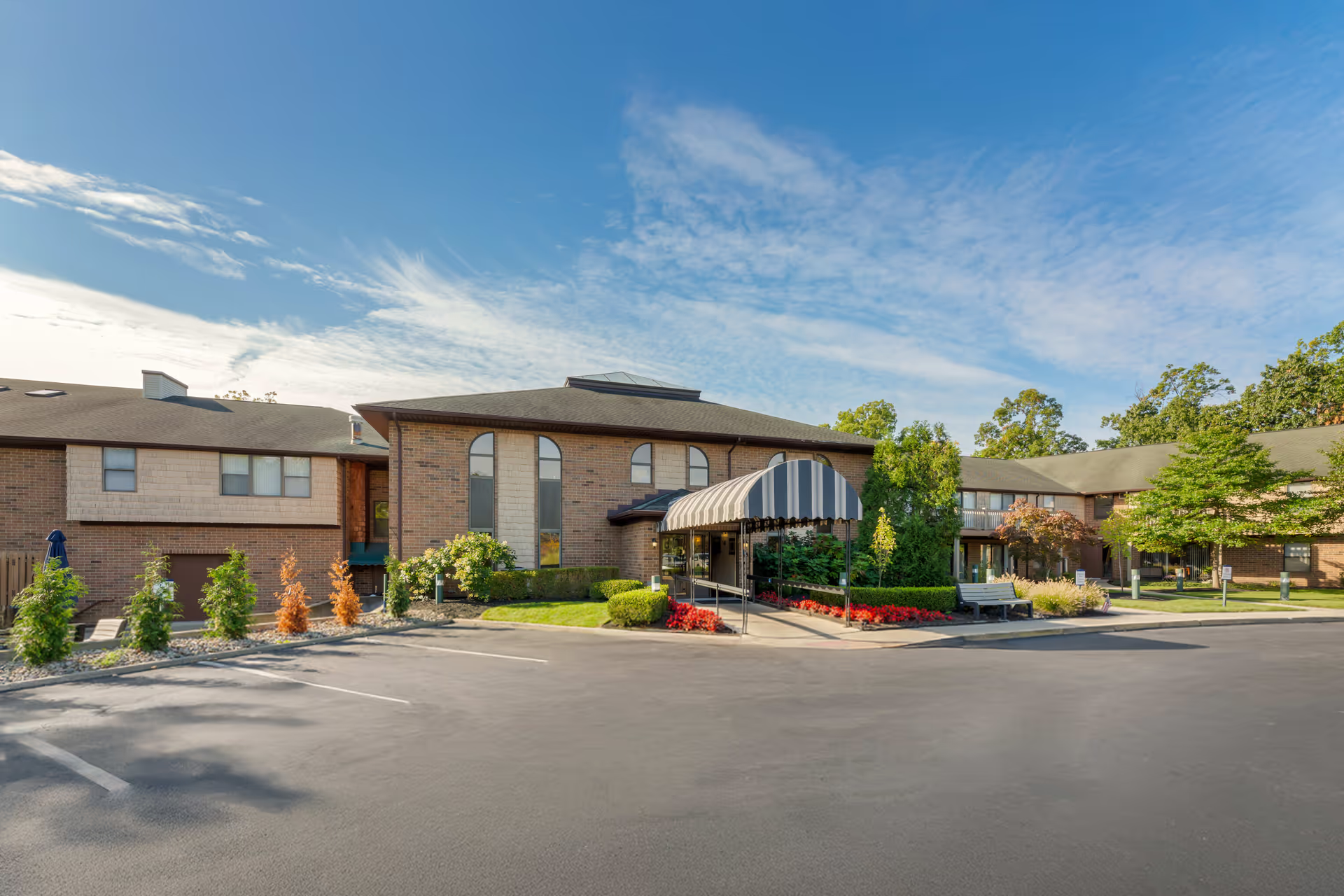
Facility condition and maintenance emerged as another theme. Reviewers describe an older physical environment with maintenance and cleanliness issues, intermittent odor concerns, pest-control and public-health attention in some units, and an absence of certain amenities such as filtered drinking water or modern lift equipment. These environmental and equipment shortfalls amplify safety and dignity concerns when staffing is limited.
Communication and management practices are mixed. Some reviewers specifically commend administrators and front-line coordinators for responsiveness and smooth processes; others describe defensive leadership, delayed sharing of lab/imaging records, and difficulty obtaining timely answers about incidents or clinical status. Infection-control practices and testing consistency were raised as areas needing clearer policy and implementation. A small number of reviews describe serious clinical and dignity-related incidents; these accounts underscore the need for stronger supervision, clearer informed-consent practices, and consistent privacy protocols.
In sum, prospective residents and families considering this facility should weigh two consistent patterns: the presence of skilled, compassionate individuals and therapy resources that can support good outcomes, alongside systemic challenges driven largely by staffing, facility maintenance, and process reliability. For families prioritizing strong one-to-one relationships with therapists and certain caregiving staff, this facility has demonstrable strengths. For those whose primary concerns are consistent housekeeping, uninterrupted meal service, robust transfer equipment, and uniformly timely responses to care needs, the patterns in reviews suggest areas to investigate further during tours and meetings with leadership (including staffing plans, equipment availability, infection-control policies, and record-release procedures).