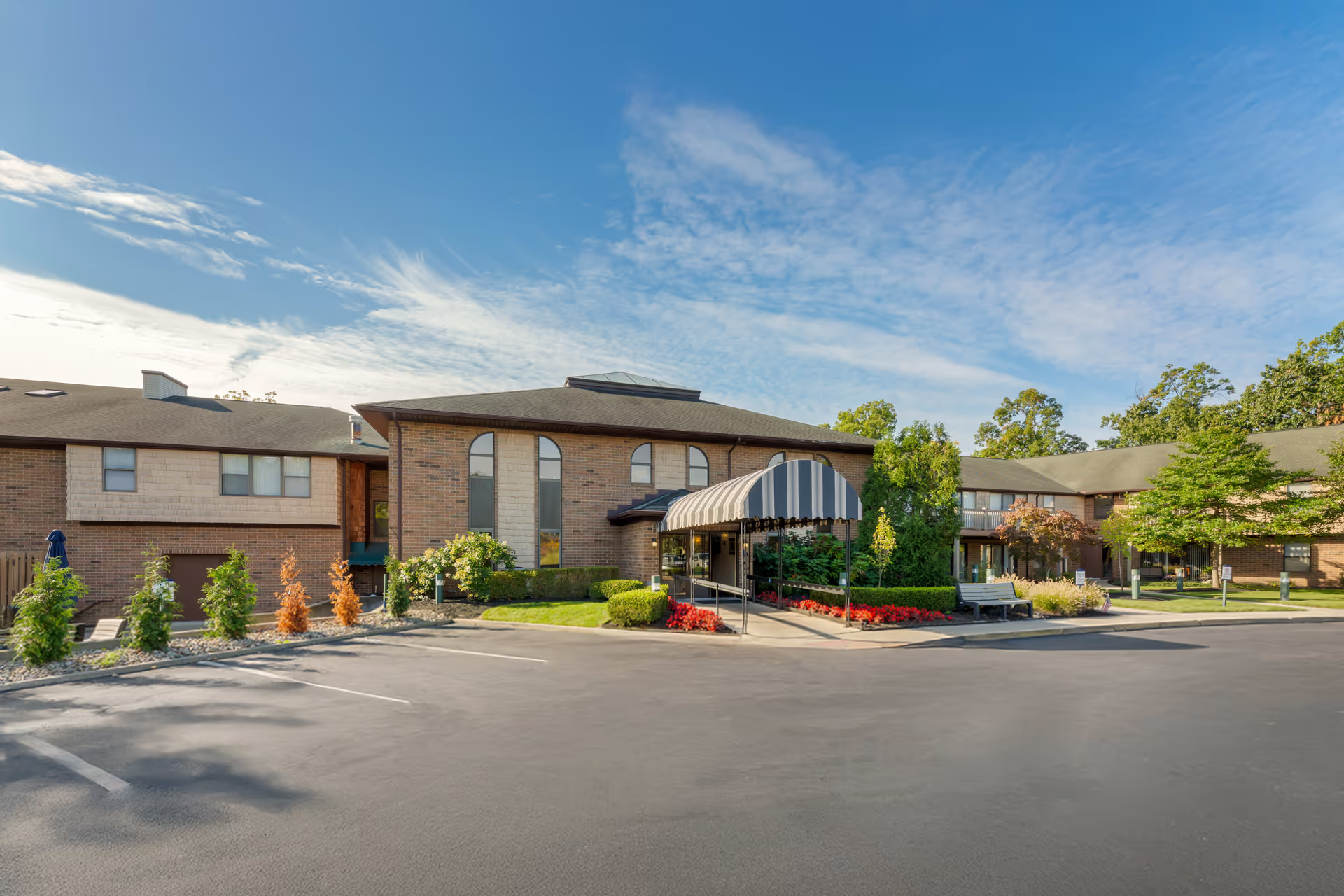
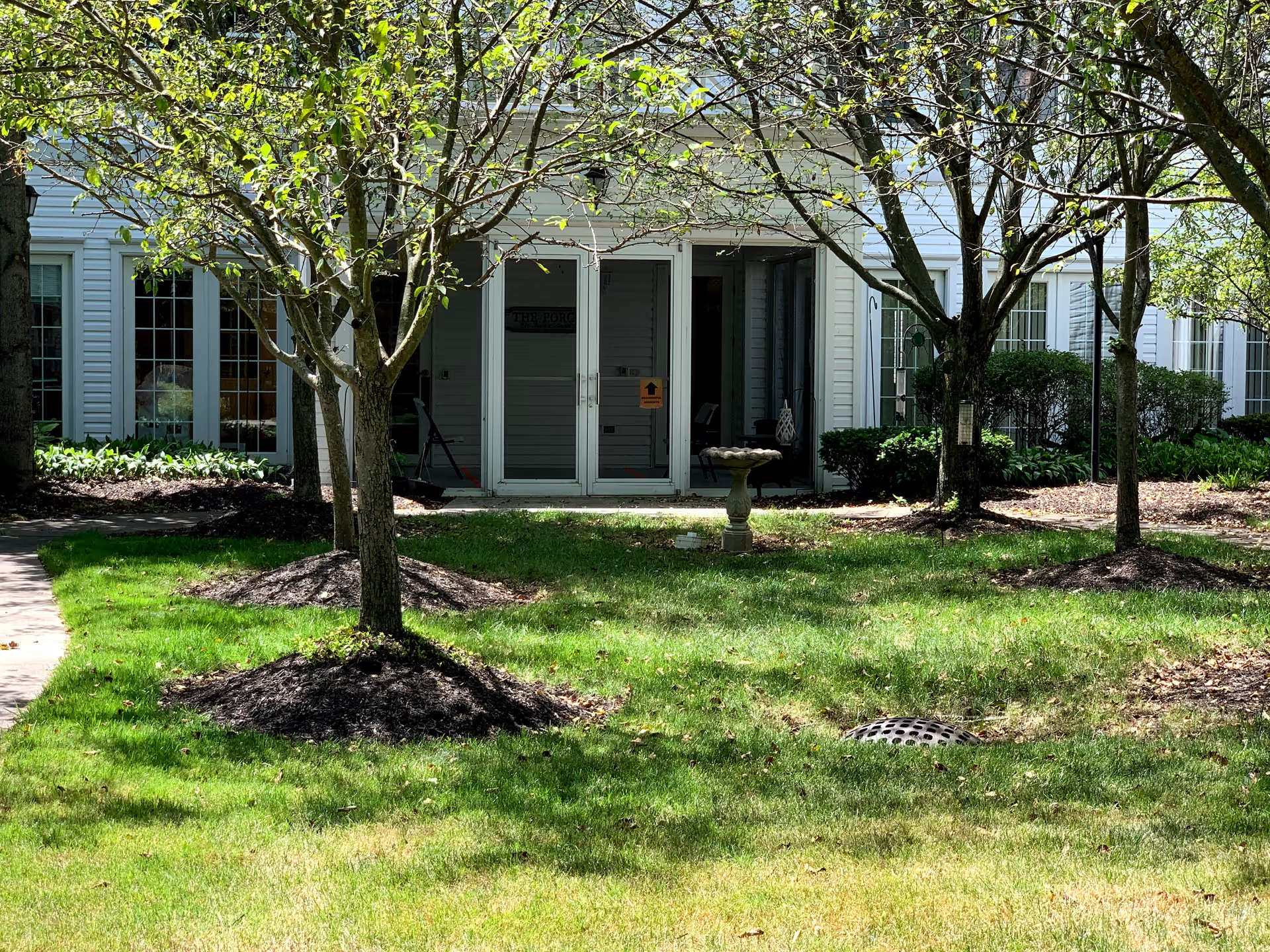
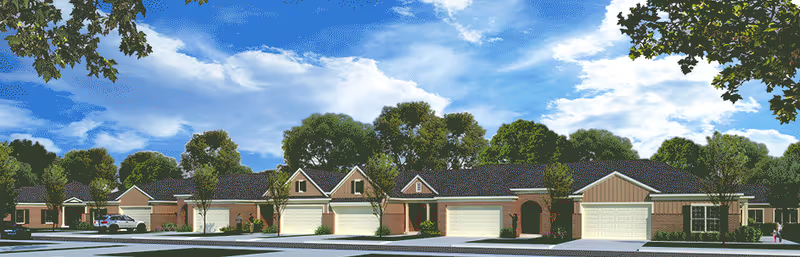
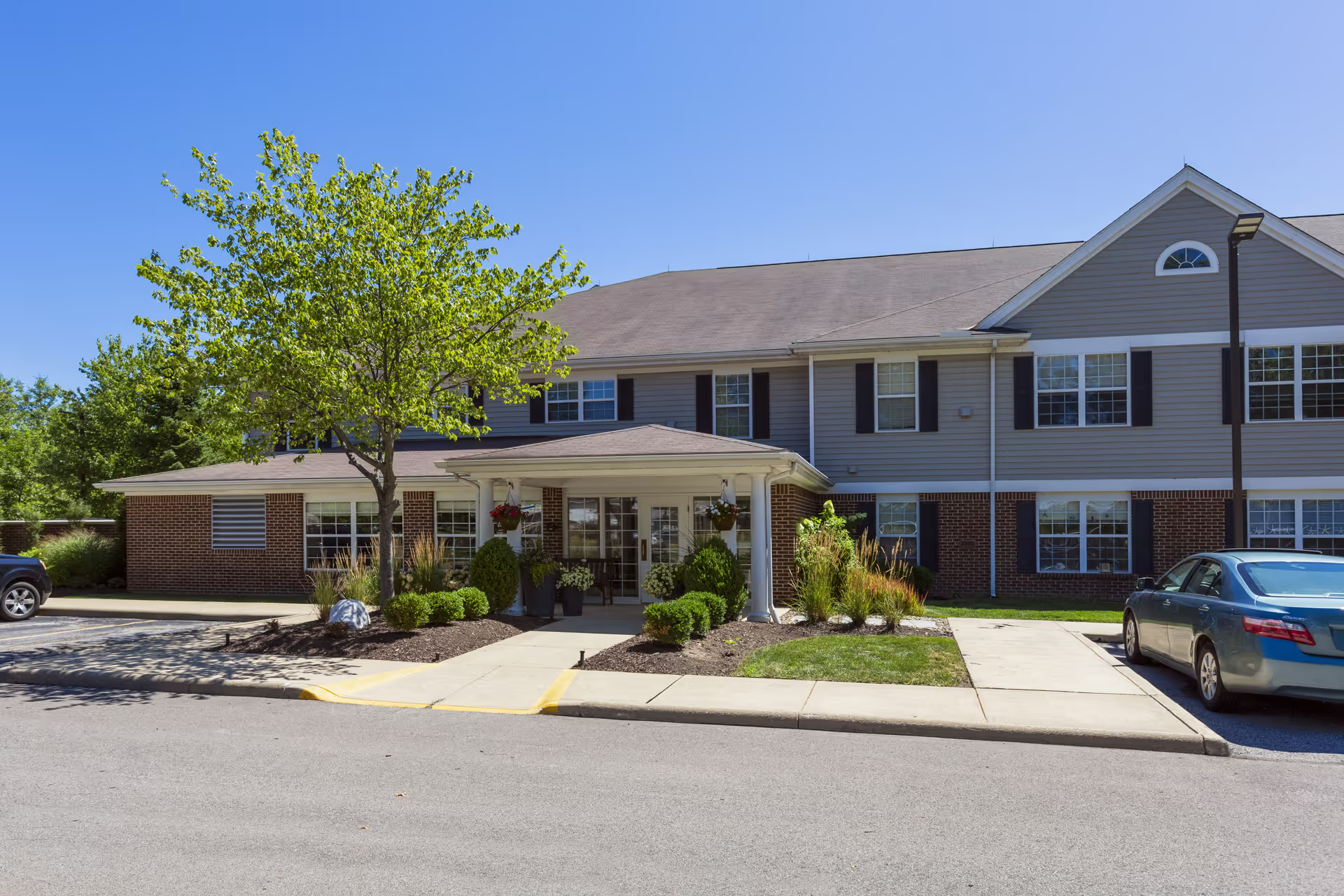
Saint Therese of Westlake is described by many families as a small, well-kept skilled-nursing and assisted-living setting with a domestic, non-institutional feel. The facility’s Tudor/Swiss-chateau architecture and landscaped, wooded grounds are repeatedly noted as attractive and calming. Accommodations are frequently described as bright and spacious one-bedroom suites with high ceilings, large windows, in-room washers/dryers and kitchenettes, which supports independence and comfort for residents.
Care quality and staffing receive mixed but specific feedback. Numerous accounts praise professional, courteous, and consistent nursing teams, strong care coordination (including communication with physicians and proactive family conferences), and hands-on supervision on secured units. The small facility size is seen as an asset for individualized attention and for staff to know residents by name. Conversely, other families report operational gaps that point to inconsistent staffing levels and occasional reliance on agency or transient staff. These weaknesses are associated in some accounts with delayed assistance, missed care tasks, and variability in how resident needs are addressed across shifts.
Dining and services are often highlighted as strengths: many residents enjoy the meals, and the campus amenities such as an on-site ice cream shop and bar are singled out positively. Clinical support services, including on-site physical therapy and arranged eye exams, are noted as convenient and reasonably priced. Activities programming is described as engaging—arts and crafts, holiday events and daily activities are mentioned—but there is variability in how comprehensive or consistently available these activities are across different experiences.
Facility operations and management show a contrast in perceptions. Several families commend visible ownership involvement, responsive administrators and improvements over time. At the same time, other reports describe communication or complaint-resolution problems, curt interactions with administration, and concerns about management priorities and fee transparency. Those operational concerns appear linked in some accounts to staff turnover and to uneven supervision during certain shifts, amplifying family anxiety about consistency of care.
Overall, Saint Therese of Westlake presents clear strengths in environment, individualized attention, and several aspects of clinical and rehabilitative care. Prospective residents and families should weigh those strengths against reported variability in staffing and management practices. When evaluating the community in person, consider observing staffing patterns on different shifts, asking about agency-staff usage and staff turnover, reviewing recent sanitation and quality audits, clarifying fee structure and pet policy, and meeting the administrative team to assess responsiveness and complaint resolution processes.