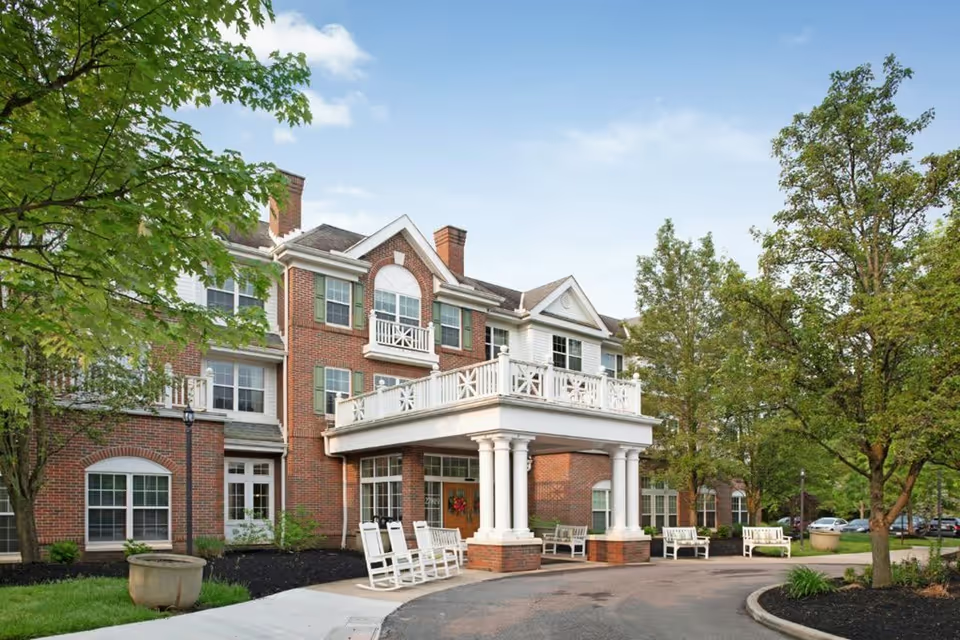
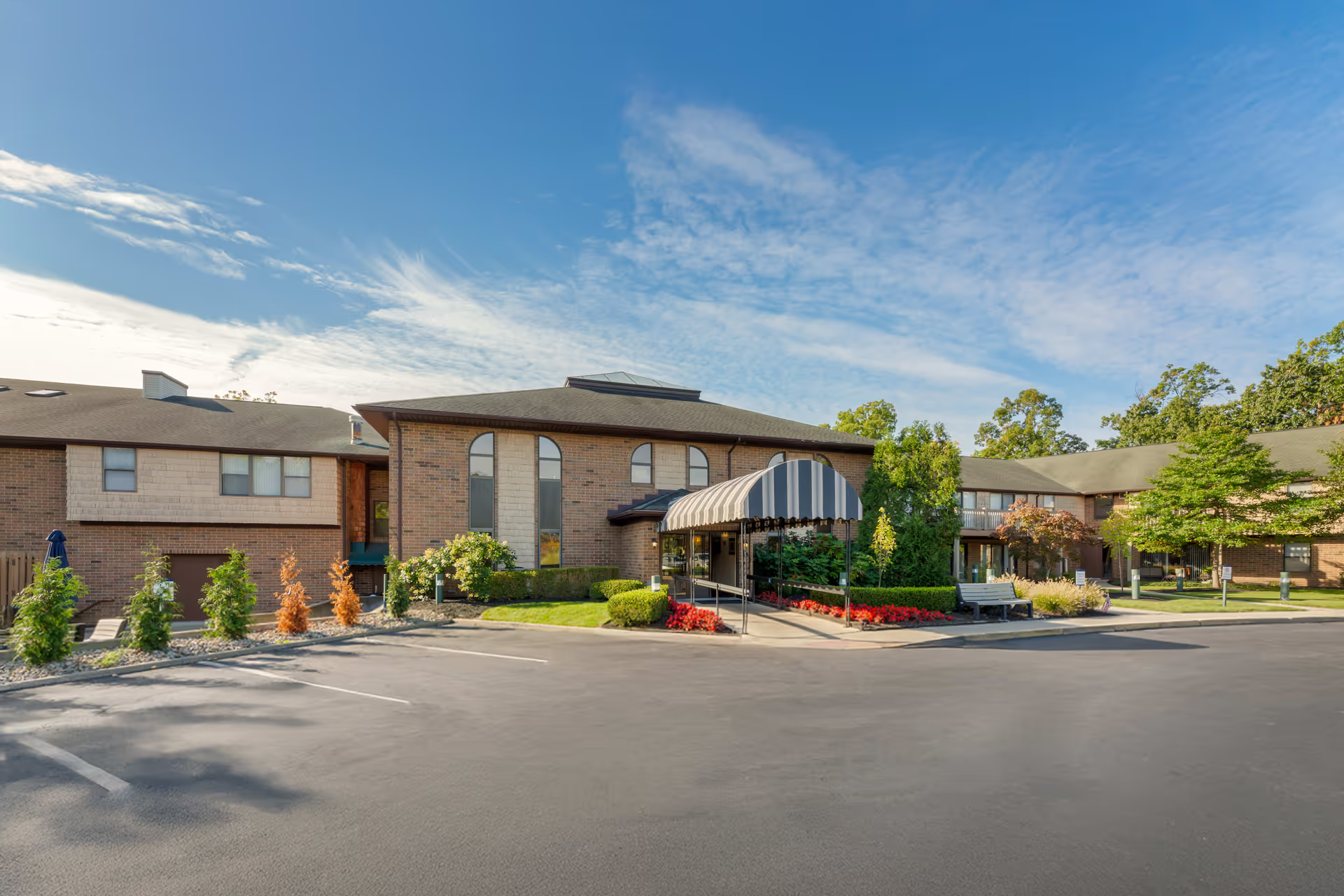
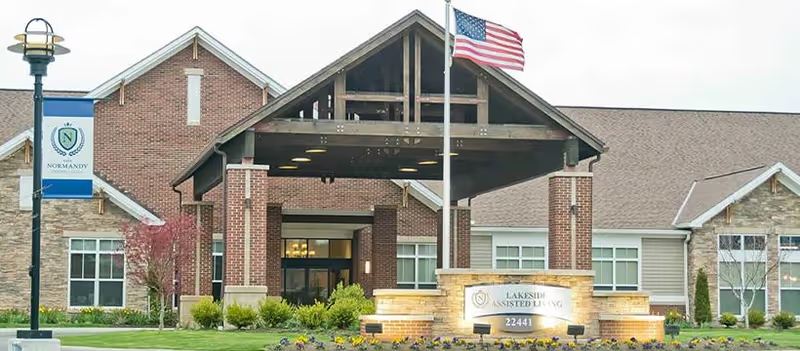
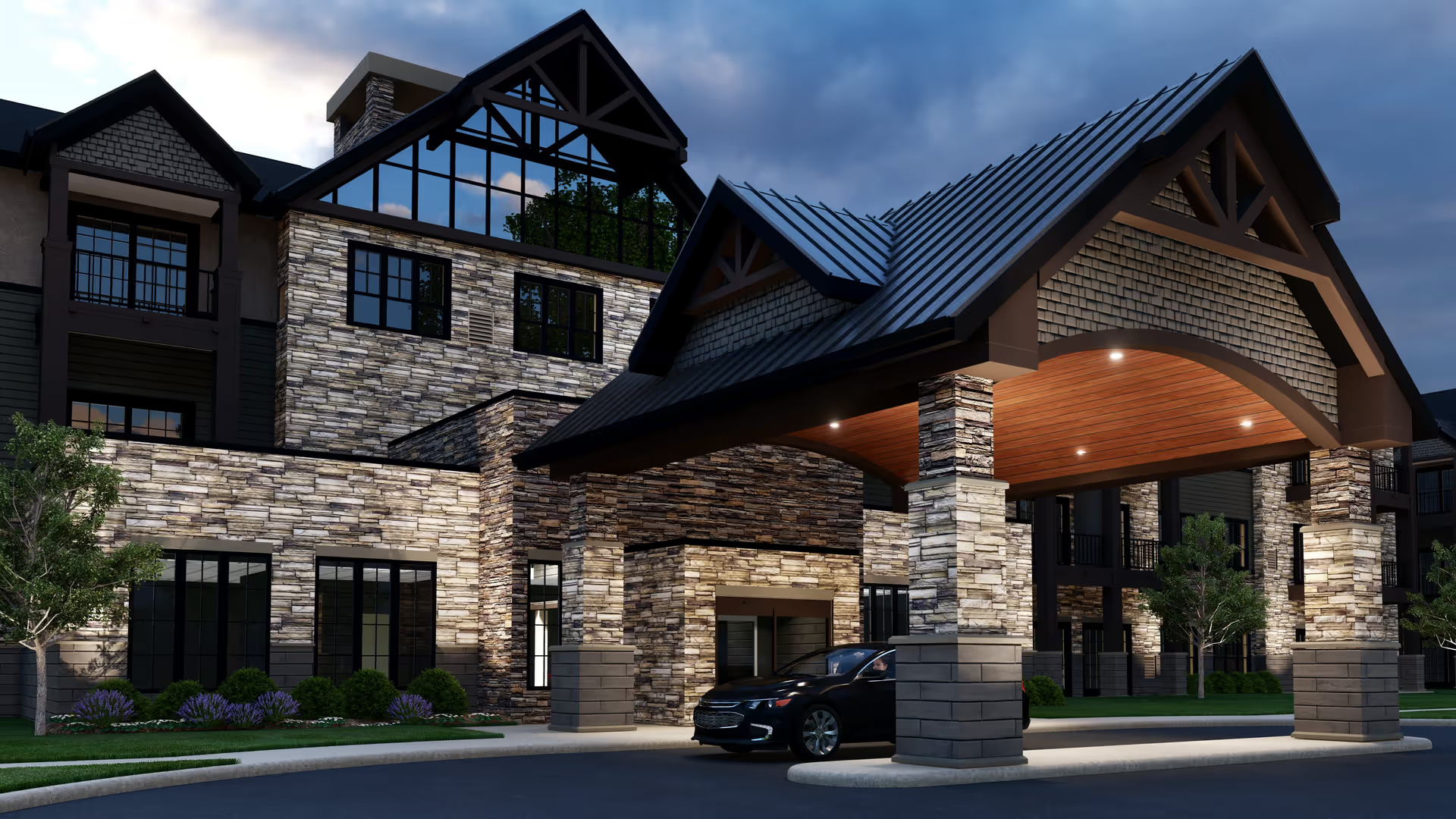
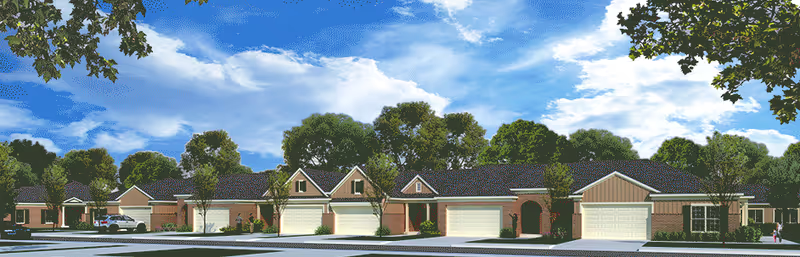
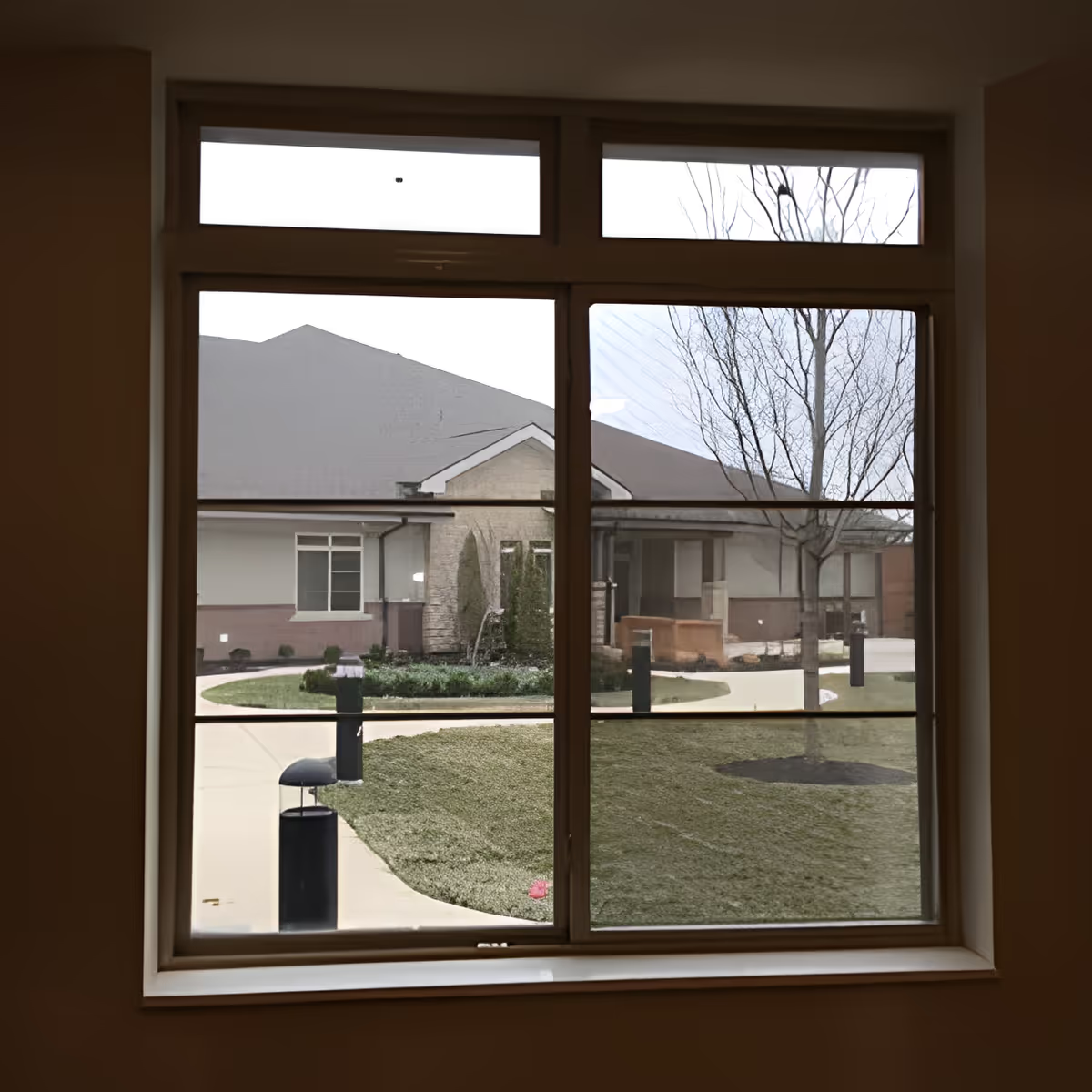
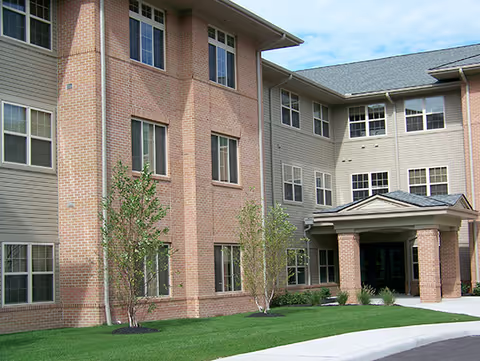
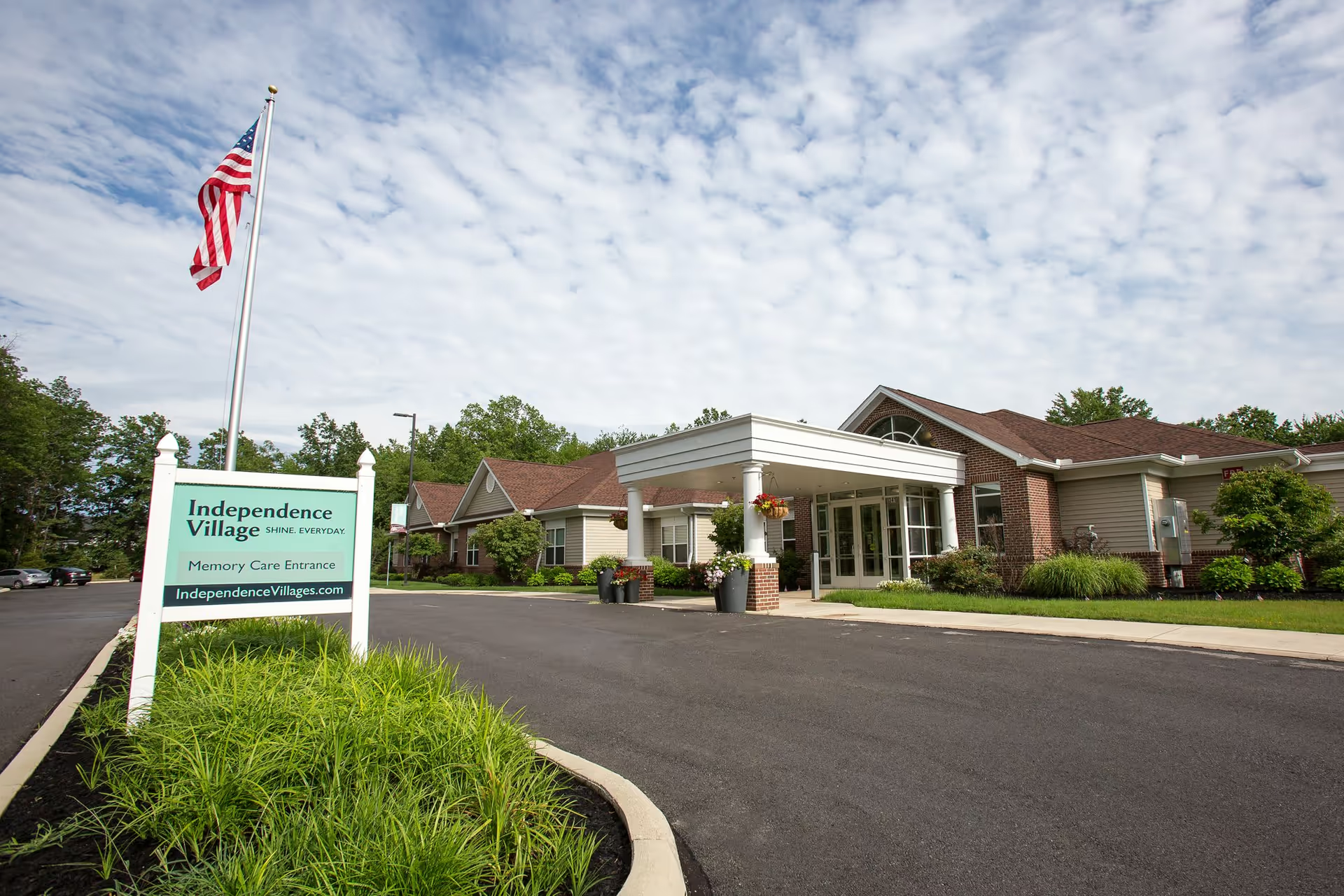
Vitalia Senior Residences Westlake presents a clear set of strengths alongside recurring operational concerns. Many families and visitors describe a clean, modern, and well-appointed building with upscale finishes, spacious units (including larger combined-studio options), and campus-level advantages: independent living, assisted living, memory care, and skilled nursing all co-located. The facility offers strong on-site rehabilitation and therapy resources, including a therapy pool and an identified partnership with therapy providers, which several accounts credit for positive functional outcomes. Amenities such as a courtyard, patio space for outdoor visits, a movie theater, and a variety of activity programming contribute to a resort-like environment that many residents and families value.
Staffing and direct care are a mixed but central theme. Numerous accounts praise direct-care staff as compassionate, attentive, and family-oriented; several administrative team members and department staff received individual positive mention for communication and responsiveness. At the same time, there is a consistent pattern of understaffing or staffing variability that undercuts service reliability. These operational shortfalls manifest as slow responses to call buttons, inconsistent assistance with activities of daily living during busy periods, and limited housekeeping or laundry frequency when staffing is constrained. For families considering memory care or higher-acuity needs, reviewers describe variable performance in nursing oversight and clinical follow-up; some praise individualized attention in memory care, while others cite gaps in supervision and follow-up on medical questions.
Dining and activities are generally viewed as strengths in concept but inconsistent in execution. The facility features chef-prepared meals, flexible dining hours, and family-friendly dining policies, and many reviewers appreciated a wide activity calendar (exercise, music, cultural programs, outings). However, several reviews describe long waits in the dining room, uneven meal-service staffing, issues with meal delivery charges, and occasional inconsistencies in meal quality or timing. Activity offerings are broad and robust when staffed, but families described occasions when requested programming or additional engagement could not be sustained due to staffing limitations.
Management, communication, and business practices earn mixed evaluations. Some families find administrative staff approachable, communicative, and effective at resolving concerns; others report difficulty reaching nursing leadership, delayed follow-up on clinical questions, invoice errors, and lack of transparent pricing or written fee schedules. Multiple comments raise concern about unexpected add-on charges, pharmacy costs, and potential rent increases tied to changes in resident needs. A few reviews reference regulatory citations and specific safety or access incidents; these raise questions about oversight and security that prospective families should investigate directly with the provider and regulators.
Practical guidance drawn from the pattern of feedback: the community may be a good fit for older adults seeking an attractive, activity-rich environment with strong rehabilitation services and a family-friendly campus. Prospective residents with predictable care needs who prioritize amenities and social programming are likely to appreciate the facility. Conversely, families of residents with advanced medical complexity or high-intensity memory-care needs should conduct focused inquiries into current staffing ratios, nursing coverage, incident follow-up processes, medication-management protocols, security measures, and a detailed, written breakdown of fees. Visiting at different times (weekdays, evenings, weekends) and asking for recent staffing metrics, sample menus, medication-administration policies, and documentation of any regulatory actions will help clarify whether the operational concerns raised in reviews have been addressed.