The submitted reviews present a polarized picture of Best Care Health and Rehabilitation. A substantial body of feedback praises the facility for its rehabilitation capabilities, compassionate bedside staff, and family-focused approach. Therapy services—both inpatient and outpatient—are frequently described as skilled, goal-oriented, and instrumental in returning residents home. Many families highlight individual nurses, aides, and therapists who provided attentive, empathetic care, stayed late for visits, and coordinated with social work and discharge planning to arrange home services.
At the same time, numerous reviews raise significant operational and safety concerns. Recurring themes include inconsistent responsiveness to call lights and monitoring systems, delays or gaps in medication administration, and variable recognition of acute medical events that led to urgent transfers. Several comments point to maintenance and equipment issues (nonfunctional call buttons, out-of-order bathrooms) and inconsistent sanitation or incontinence-care practices. There are also serious allegations concerning security of personal belongings and attempted unauthorized financial access; these are described as incidents that prompted law-enforcement involvement in at least one account.
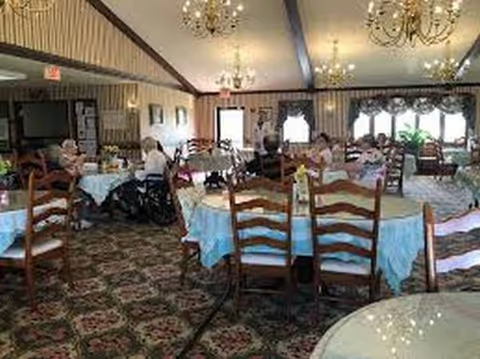
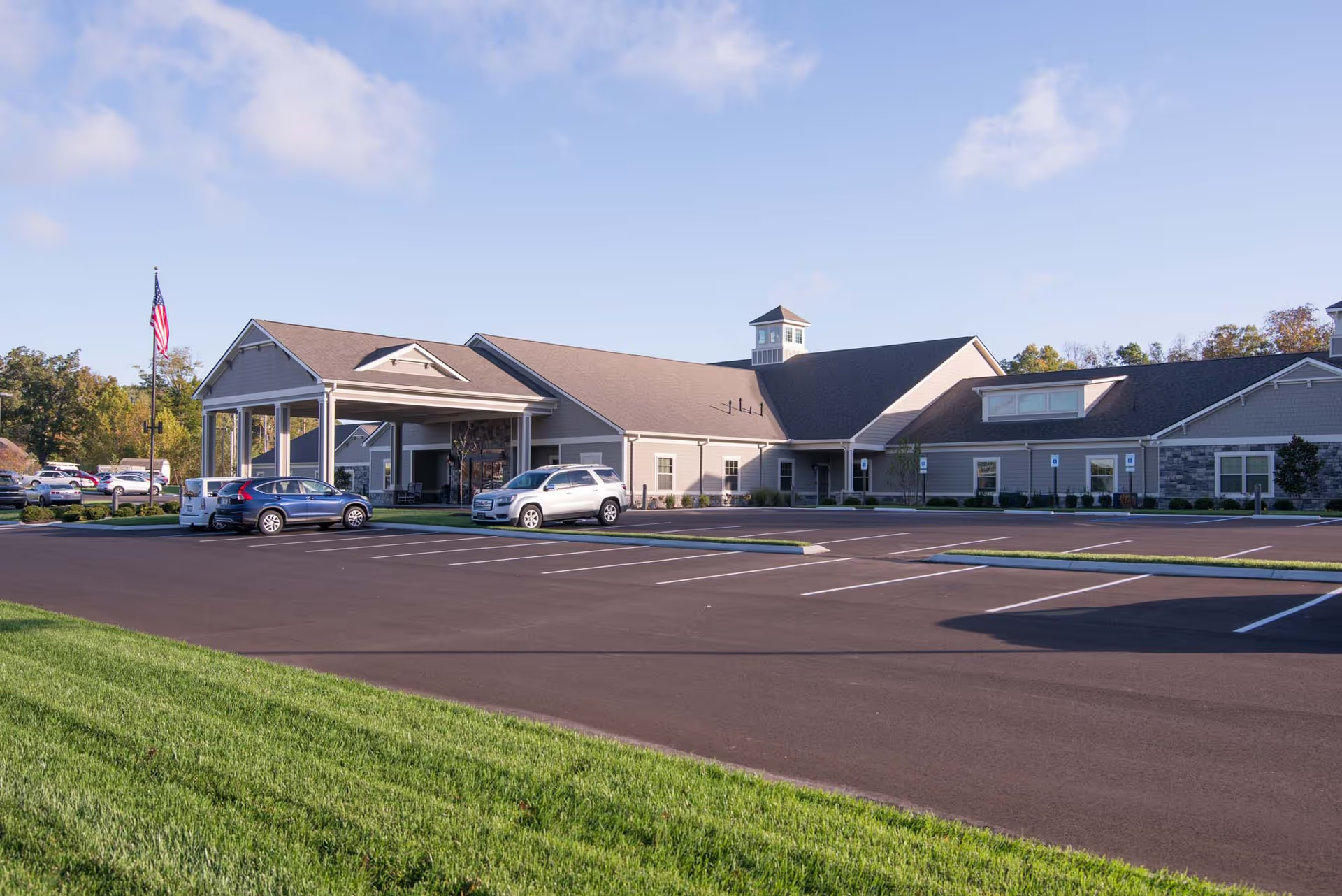
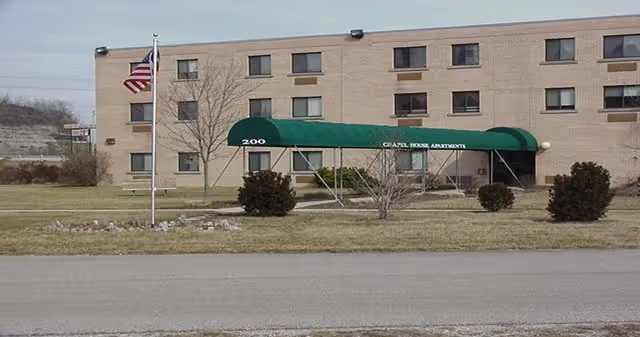
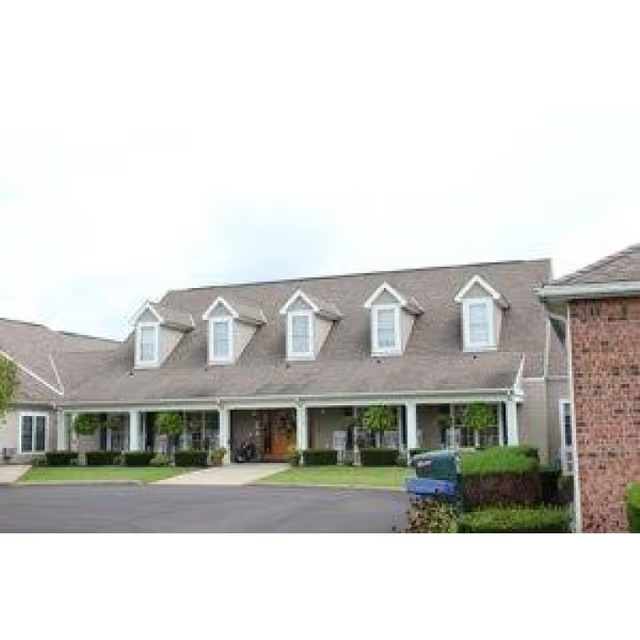
Dining and activities receive mixed feedback. Multiple families report hot, palatable meals and an active activities program; others describe poor meal quality, limited soft-food options, and slow service. The activities program and therapy gym are generally cited as strengths, contributing positively to rehabilitation outcomes and social engagement. Facility condition is described variably: some reviewers call the campus attractive and well-kept, while others note dated rooms, overcrowded memory-care units with double beds and shared baths, and areas in need of updating.
Management and staff culture show both strengths and variability. Several reviews commend proactive administrators and supportive leadership who communicate effectively with families and address concerns. Conversely, other accounts describe inconsistent communication, moves or changes made without family notification, mishandling of personal items, and variability in staff tone and professionalism. There are indications that new management and long-tenured personnel have improved some areas, but perceptions of care quality remain uneven across reviewers.
Notable patterns: the facility is frequently credited for strong rehabilitation outcomes and for individual staff members who go above and beyond, yet there are repeated operational weaknesses that relate to safety, communication, and environmental maintenance. Prospective families should consider on-site observations focused on call-button functioning, medication-administration procedures, security measures for personal belongings, staffing levels during different shifts, the layout and occupancy of memory-care rooms, and the facility’s protocols for recognizing and transferring residents with acute changes in condition. Asking for recent inspection findings, incident-response logs, and examples of quality-improvement initiatives may help clarify how the facility is addressing the concerns raised in these reviews.