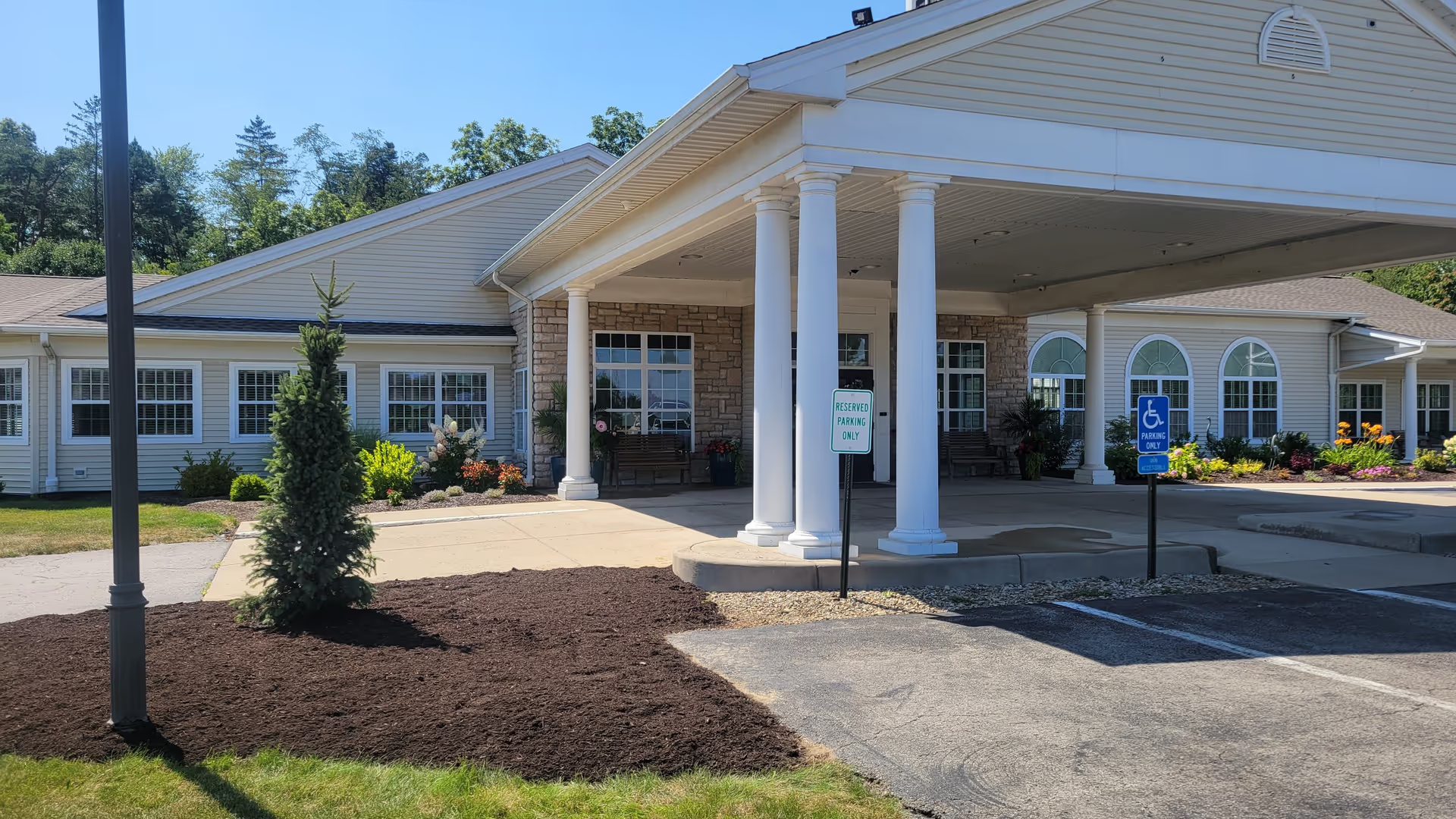
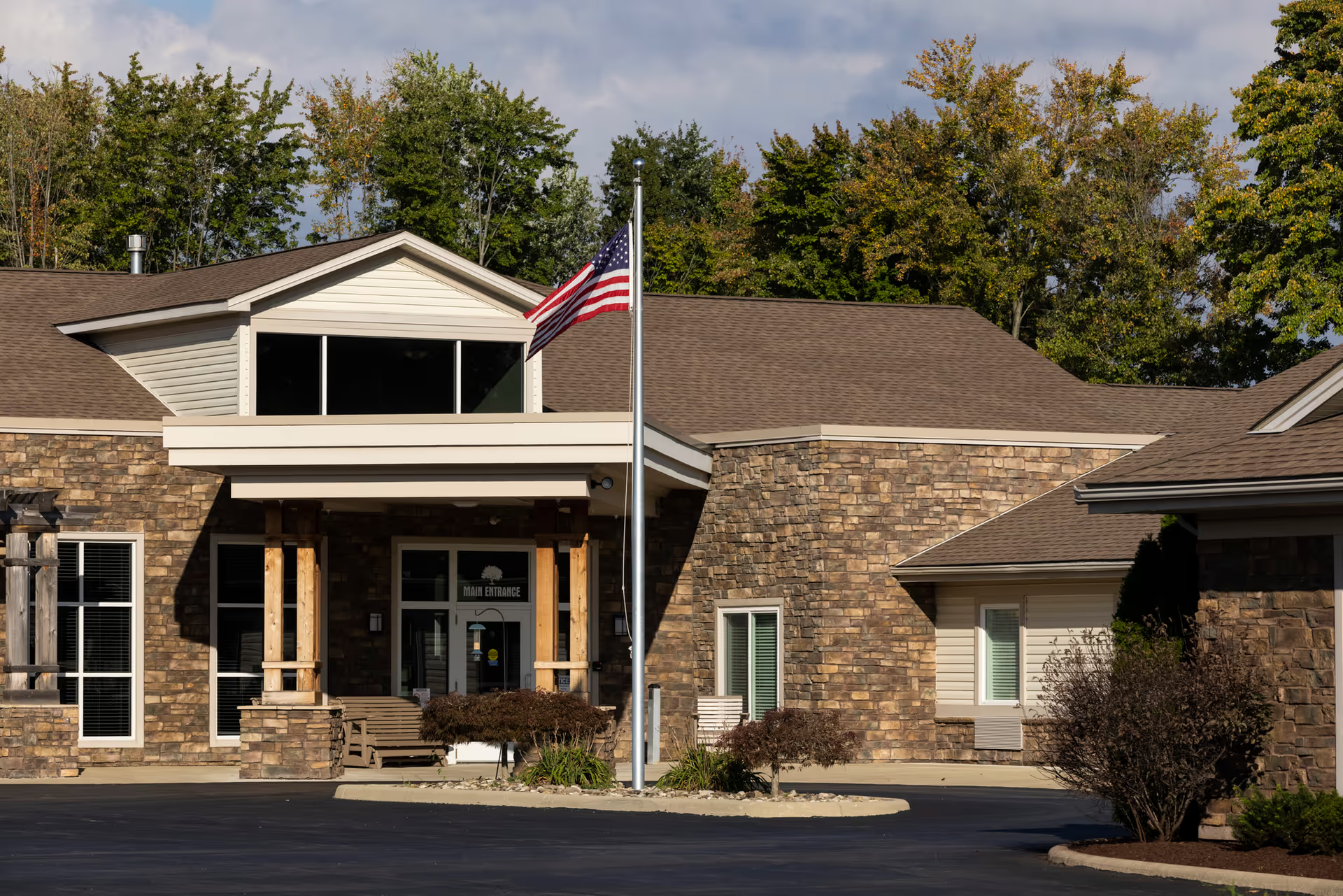
The reviews present a mixed picture of Beeghly Oaks Center for Rehabilitation & Healing. The facility is consistently praised for its rehabilitative services: physical and occupational therapy teams receive strong, repeated endorsement for effectiveness, motivation, and availability of therapy equipment. Many families highlight private rehab rooms, tidy therapy areas, in-room diagnostics, and a therapy-focused environment that supports functional gains. Housekeeping and linen service, as well as friendly reception staff, are commonly noted as strengths that support visits and day-to-day comfort.
Clinical care and nursing performance appear uneven. Numerous accounts describe compassionate, informative nurses and aides who provide clear explanations, wound care attention, and timely medication administration on many shifts. At the same time, recurring concerns center on slow response to call lights, inconsistent personal-care assistance (including bathing and grooming schedules), and problems with medication handling or documentation. These patterns suggest variability in shift staffing, training, or supervision rather than uniform clinical failure.
Safety and care-coordination issues recur in the feedback. Several families referenced falls, delayed post-fall evaluation or follow-up, and challenges with transfer safety. Related themes include gaps in family notification following incidents and inconsistent coordination of external appointments such as dialysis. Together these indicate weaknesses in incident-response protocols, handoffs, and communication pathways that prospective families should review before placement.
Dining and nutrition services show substantial variability. Some reviewers praised improved or adequate meals and timely tray delivery, while others described inconsistent food quality, missed diet accommodations, incorrect meal delivery, and problems with meal temperature control. Adherence to prescribed diets and special-consistency requests (for example, pureed diets) was flagged as an operational area needing more consistent oversight.
Facility condition and activities are described positively in the therapy and common areas, with reports of engaging programming (Bingo, puzzles) and an overall clean, remodeled appearance in many units. However, reviews also note isolated cleanliness lapses, odor concerns in certain wings, and older or dated sections that can affect the perception of care. Weekend and after-hours organization was frequently mentioned as less reliable than weekday coverage.
Management and culture show variability. Some accounts describe responsive leadership and immediate corrective action when informed, while others describe limited managerial presence, inconsistent communication, and staff morale challenges. A small number of serious individual allegations, including concerns following a resident's death and requests for investigation by families, appear among the comments; these underscore the importance of reviewing incident records, staffing ratios, and regulatory history during any assessment.
Overall, Beeghly Oaks offers a strong rehabilitative program and many dedicated clinicians, but the facility exhibits operational inconsistency in staffing, responsiveness, dining, and certain aspects of personal care and safety. Prospective residents and families should observe staffing levels across shifts (including weekends and nights), review care plans and incident-communication procedures, confirm diet-order management, and verify fall-prevention and medication-safety protocols before placement. Contacting the facility to discuss specific concerns, requesting recent quality reports, and arranging an in-person visit during different times of day will help families evaluate whether the facility’s strengths align with the resident’s needs.