Park Center Healthcare and Rehabilitation elicits strongly mixed impressions. Reviews describe both clear strengths — notably a number of staff members and therapy clinicians who provide attentive, effective rehabilitation and social engagement — and considerable operational weaknesses that affect quality of life and safety for some residents. Families considering placement should weigh the facility's rehabilitative and social-program strengths against consistent concerns about clinical processes, maintenance, and communication.
Care quality and clinical management present a mixed picture. Several accounts praise the therapy teams and individual nurses for contributing to measurable functional improvement. However, multiple reviews describe problems with medication administration, documentation, and clinical monitoring (including oxygen oversight and coordination for residents with complex needs such as dialysis or advanced illness). These issues are linked in some narratives to hospital transfers and end-of-life care concerns; prospective families should ask about medication-safety protocols, incident escalation procedures, and oversight for higher-acuity residents.
Staff performance and responsiveness appear variable. Many reviewers named specific caregivers as compassionate and helpful, and some families described smooth admission navigation and attentive one-on-one care. At the same time, there are repeated references to delayed staff response times to assistance needs, difficulty reaching nursing staff by phone, and challenges with staff retention. These operational patterns suggest inconsistent staffing levels and potential gaps in shift coverage or handoff practices.
Dining and activities are similarly polarized. Several reviewers found the activities program engaging — noting outings, music, holiday events, and social opportunities — and credited therapy staff with meaningful rehabilitative work. Conversely, food quality and service consistency are recurring concerns: comments include monotonous menus, meals served cold or on disposable serviceware, and general dissatisfaction with meal preparation. Families should sample meals during a tour and inquire about menu rotation, food-temperature safeguards, and special-diet accommodations.
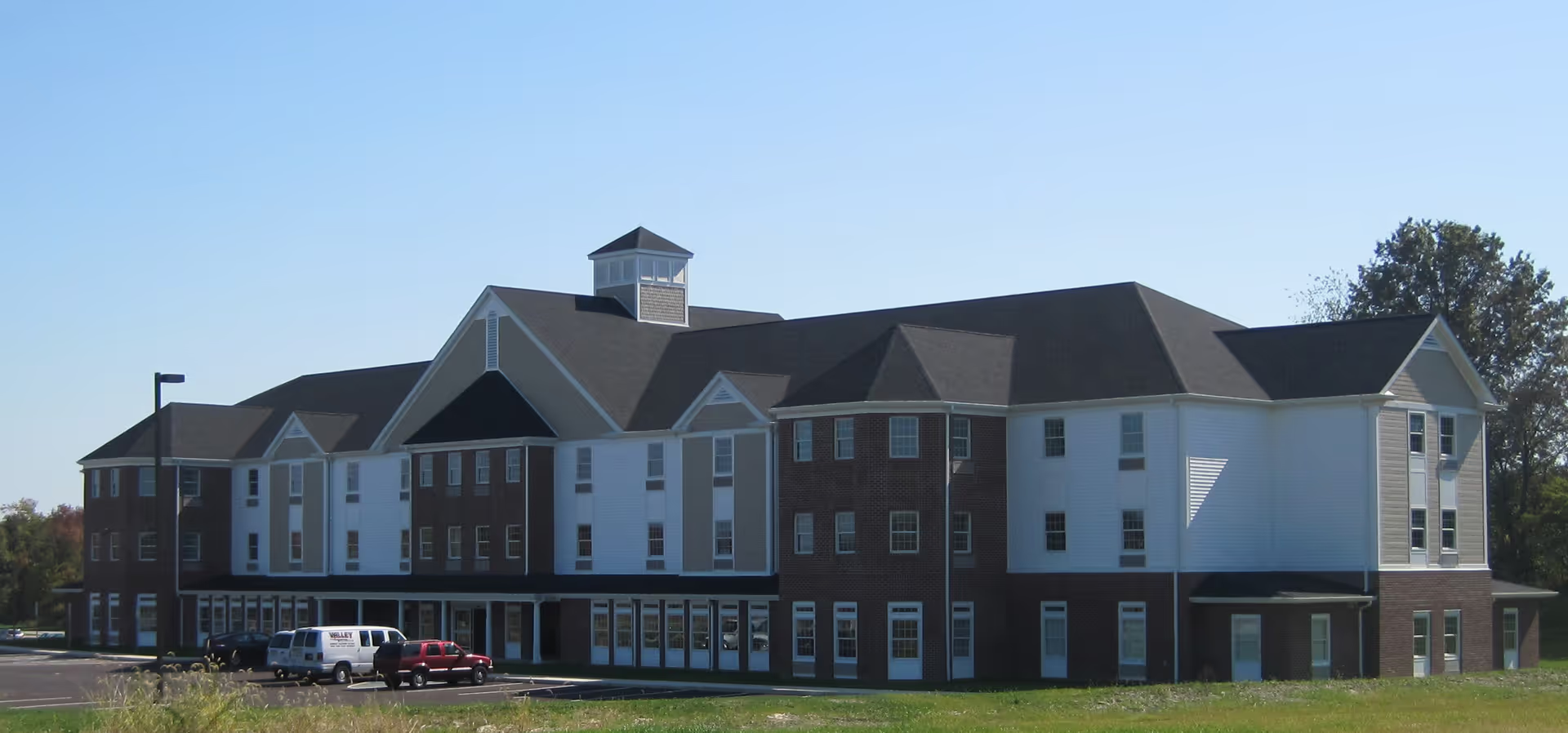
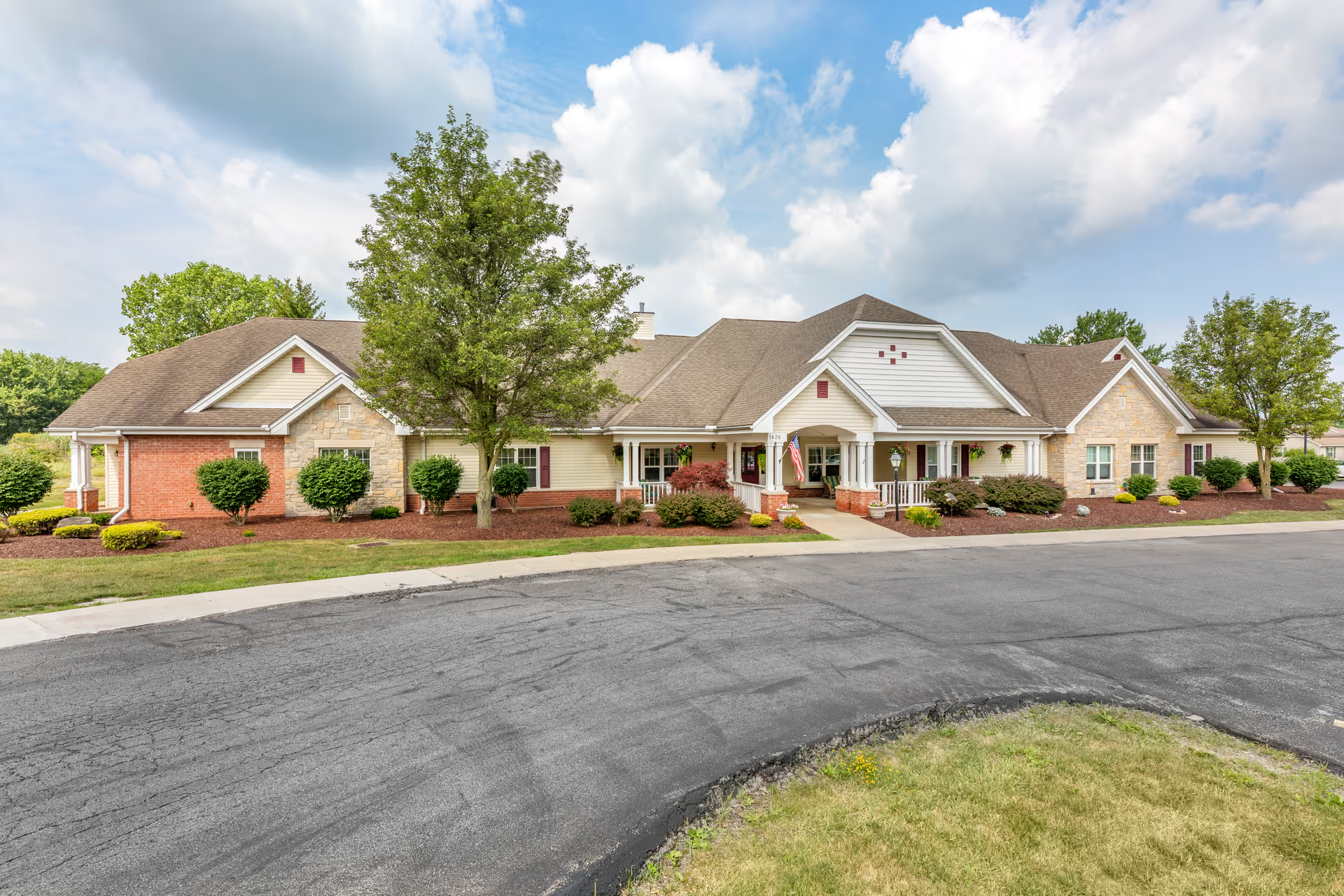
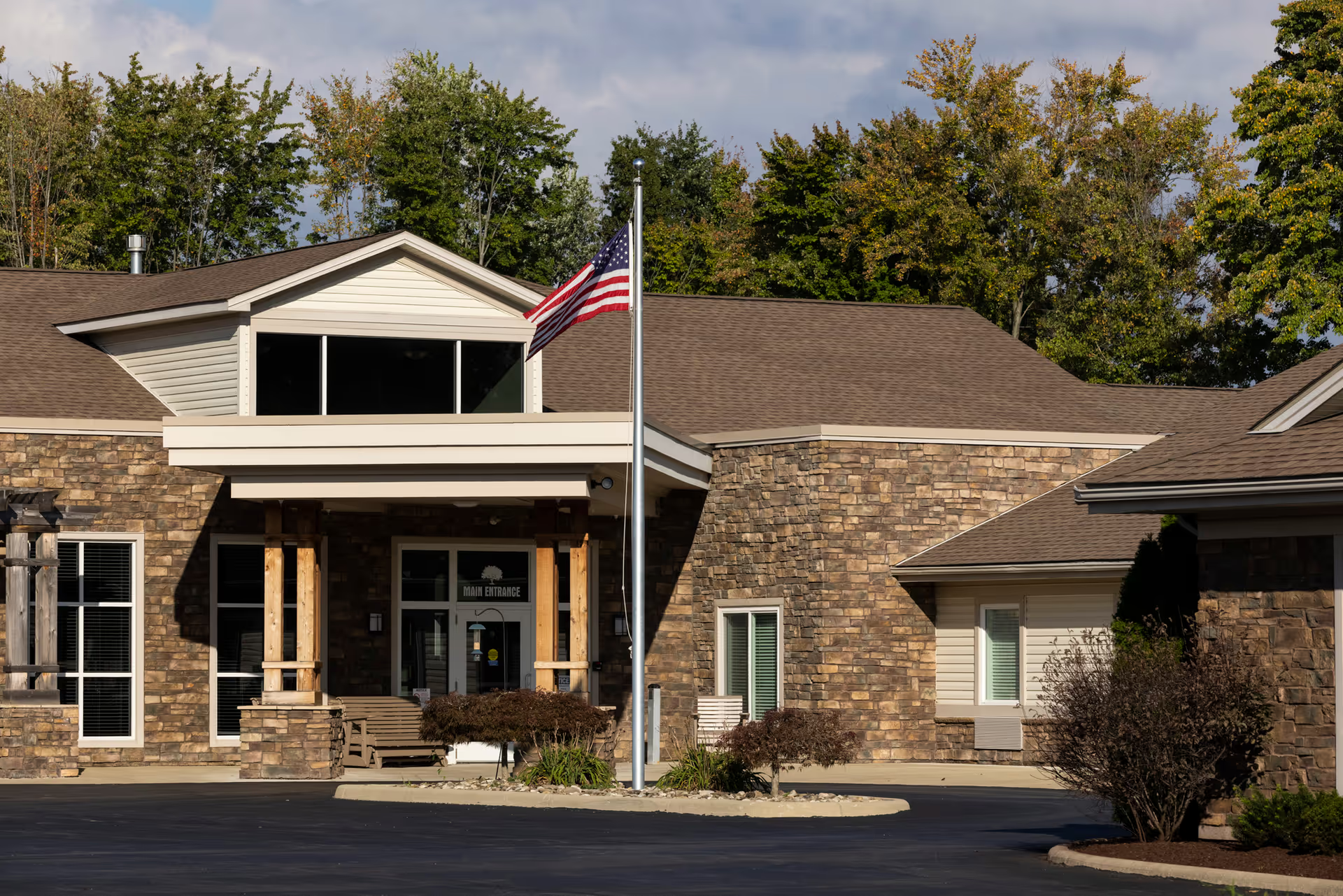
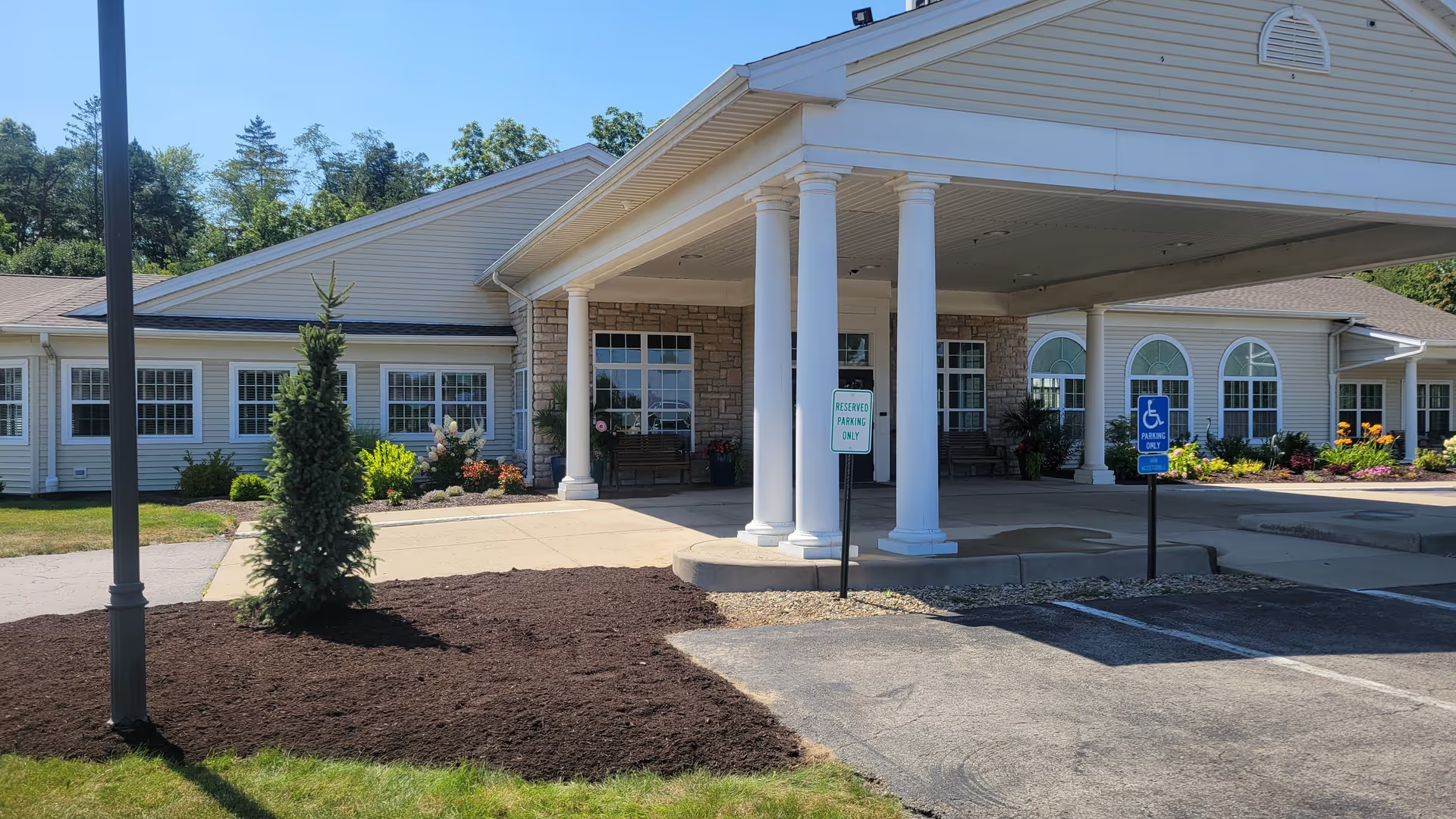
Facility condition and maintenance raised substantive operational concerns. Reviewers referenced sanitation concerns and odor issues in some areas, inconsistent housekeeping, and visible maintenance deficits such as malfunctioning elevators and automatic doors, damaged flooring, burnt-out lighting, and inconsistent painting/upkeep. Problems with HVAC control and overheating in units were also described. These items point to weaknesses in ongoing facility maintenance and physical-plant management. Additionally, there are mentions of security and access-control lapses (for example, an unstaffed main entrance, concerns about theft, and improper parking practices) that warrant clarification during an on-site visit.
Management and communication shortcomings are a recurring theme. Families reported difficulties reaching administrative staff, delayed or absent return calls, and discrepancies between online photos and on-site conditions. There are also references to inspection or regulatory concerns; prospective residents should request the facility’s most recent inspection reports and plans of correction. Practical steps before placement include touring the building at different times of day, observing housekeeping and meal service, asking for current staffing ratios and turnover statistics, reviewing medication-safety policies and recent incident trends, and speaking to the therapy director about individualized rehab goals.
In summary, Park Center appears to offer meaningful rehabilitative and social programming for some residents and has staff members who are experienced and compassionate. However, a pattern of operational issues — in medication management, responsiveness, facility maintenance, food service, and administrative communication — appears across multiple accounts. Prospective residents and families should validate current conditions through direct observation, targeted questions about clinical and safety protocols, and review of regulatory records before making placement decisions.