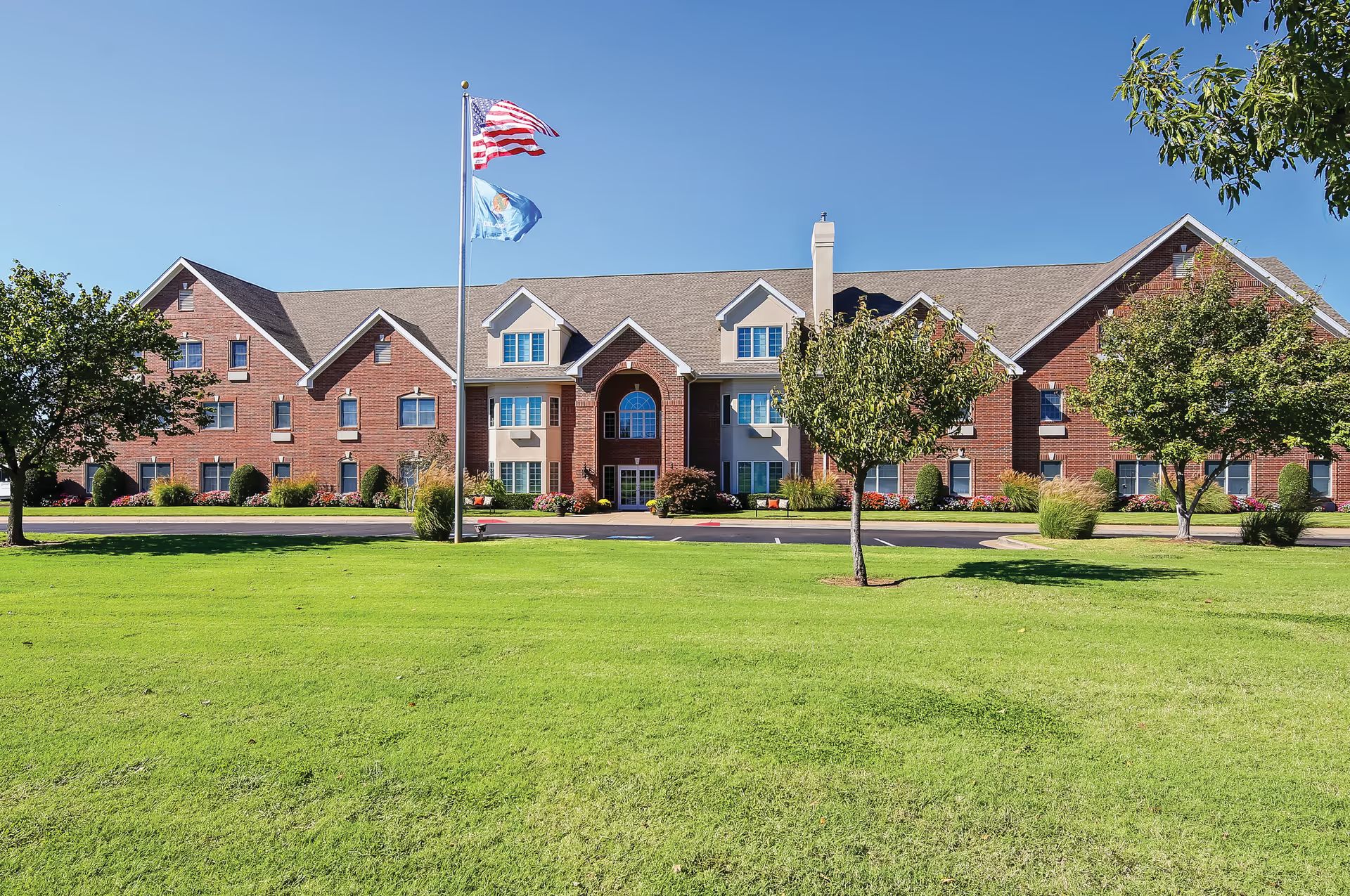
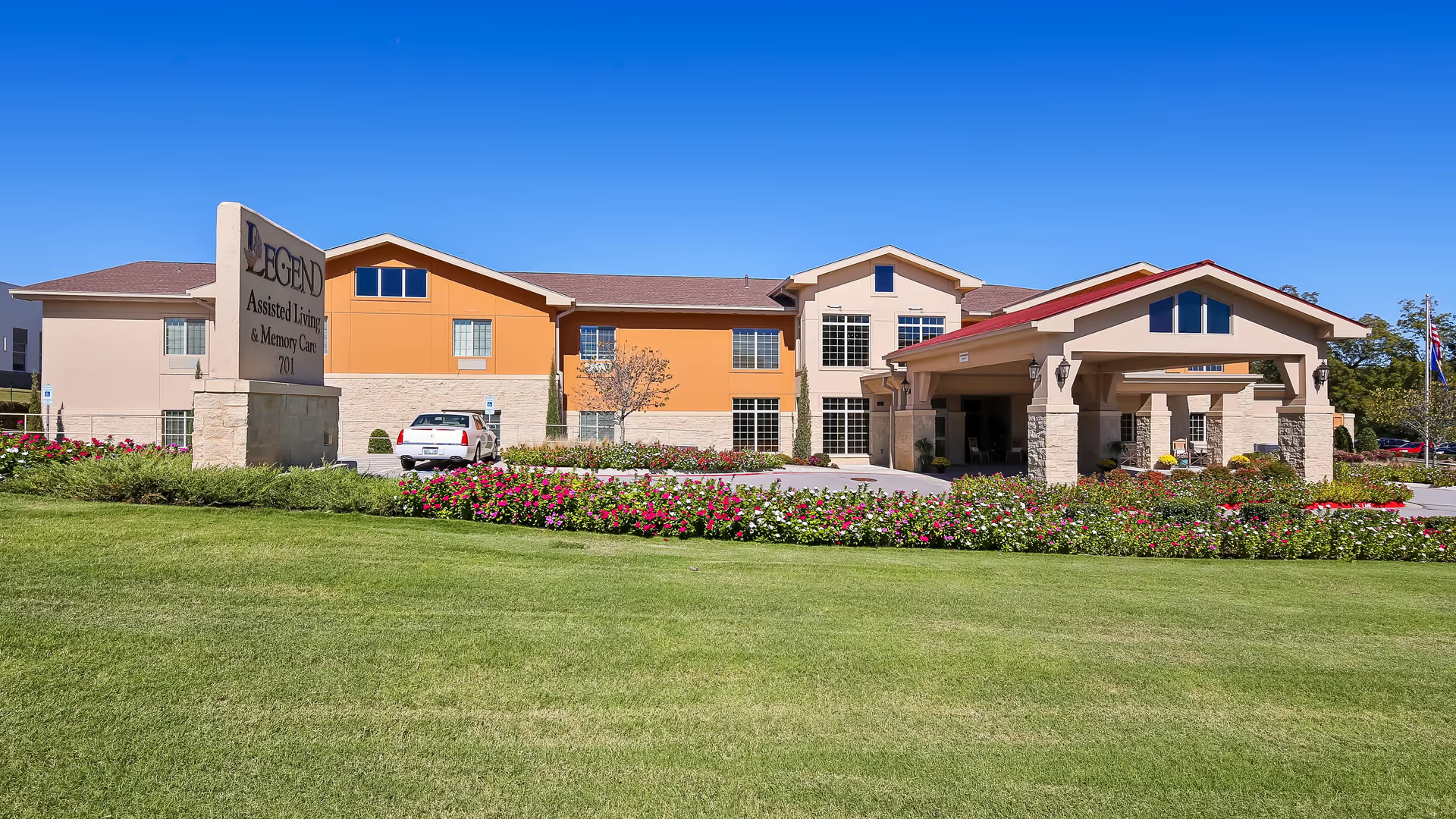
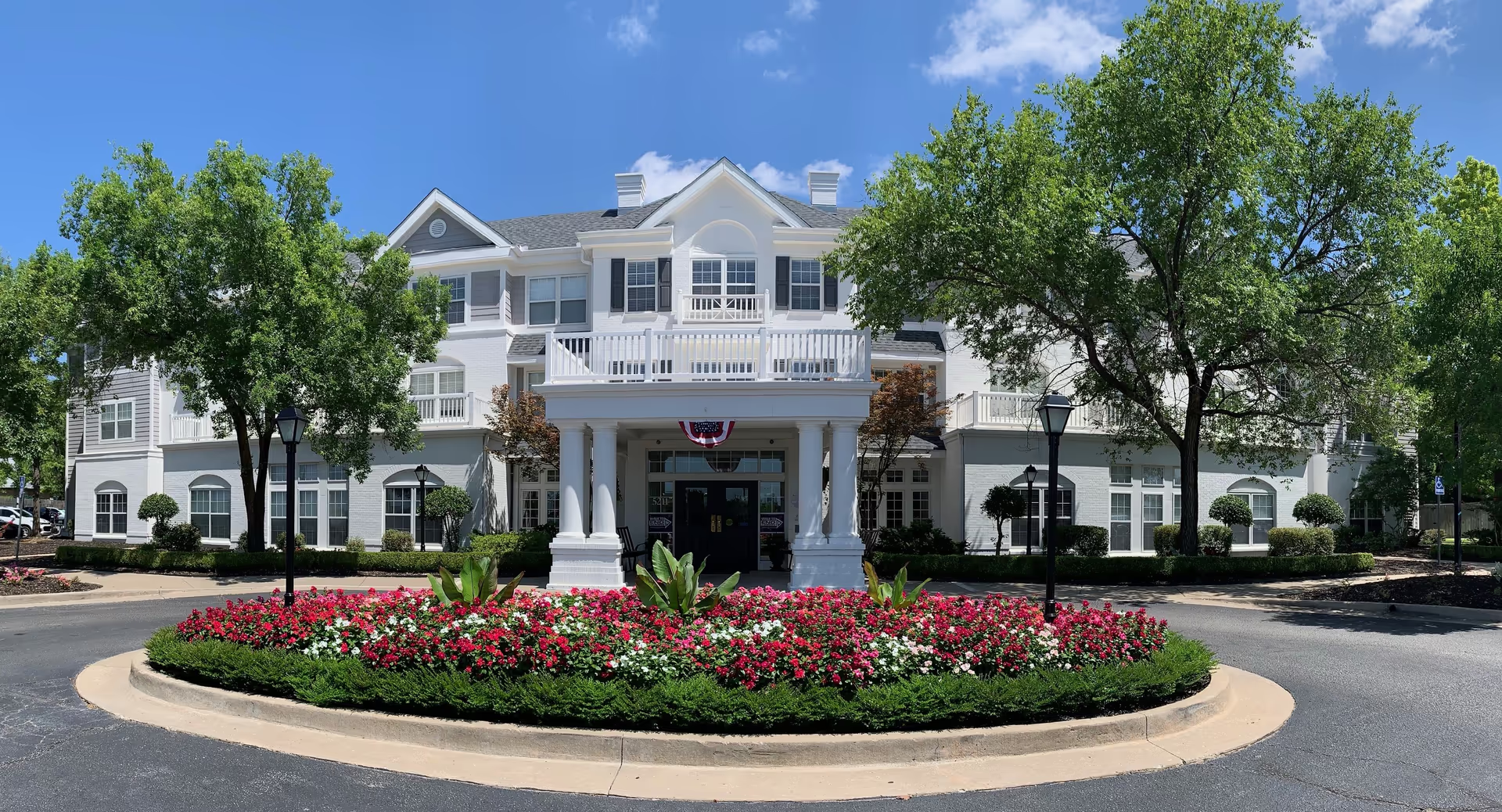
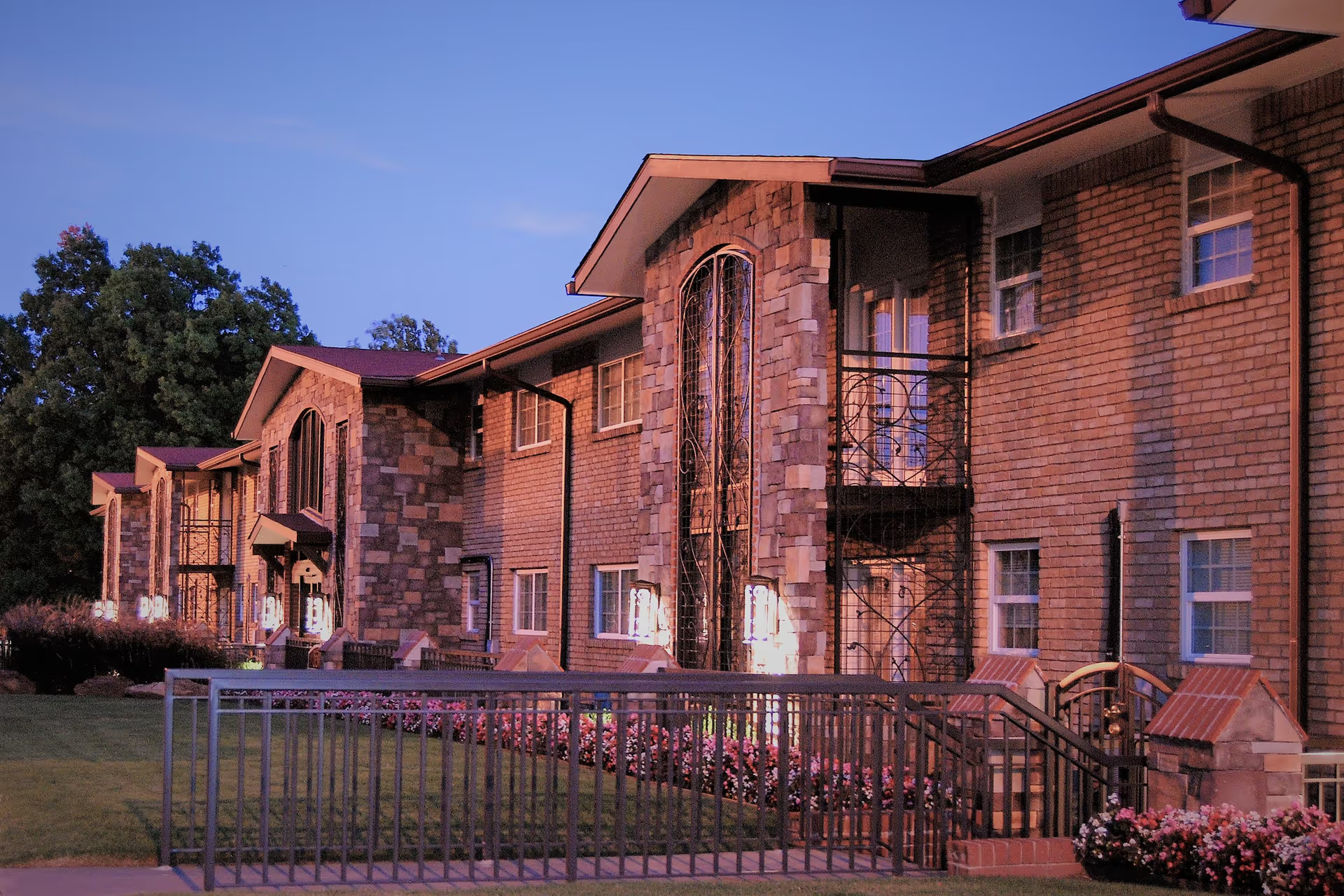
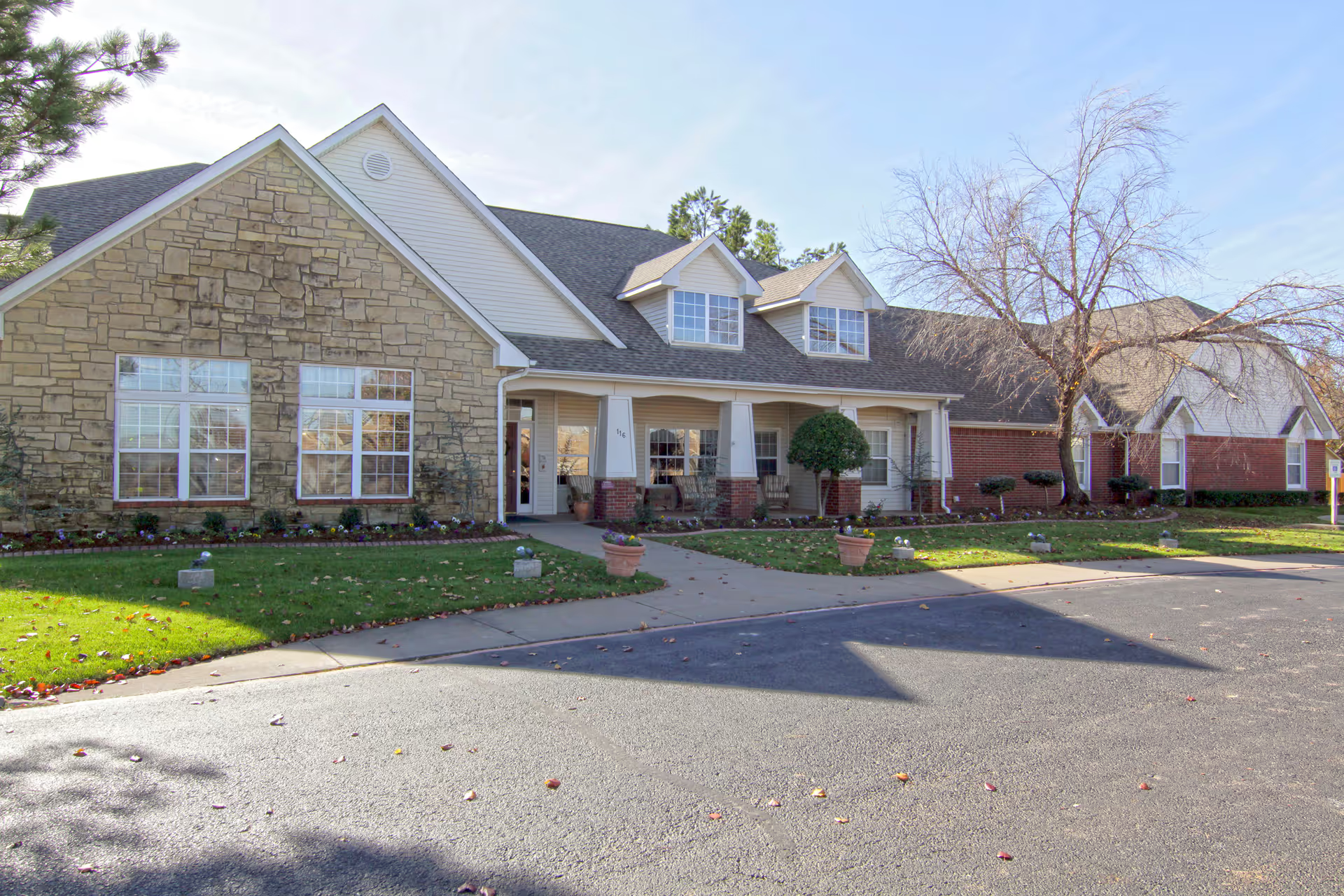
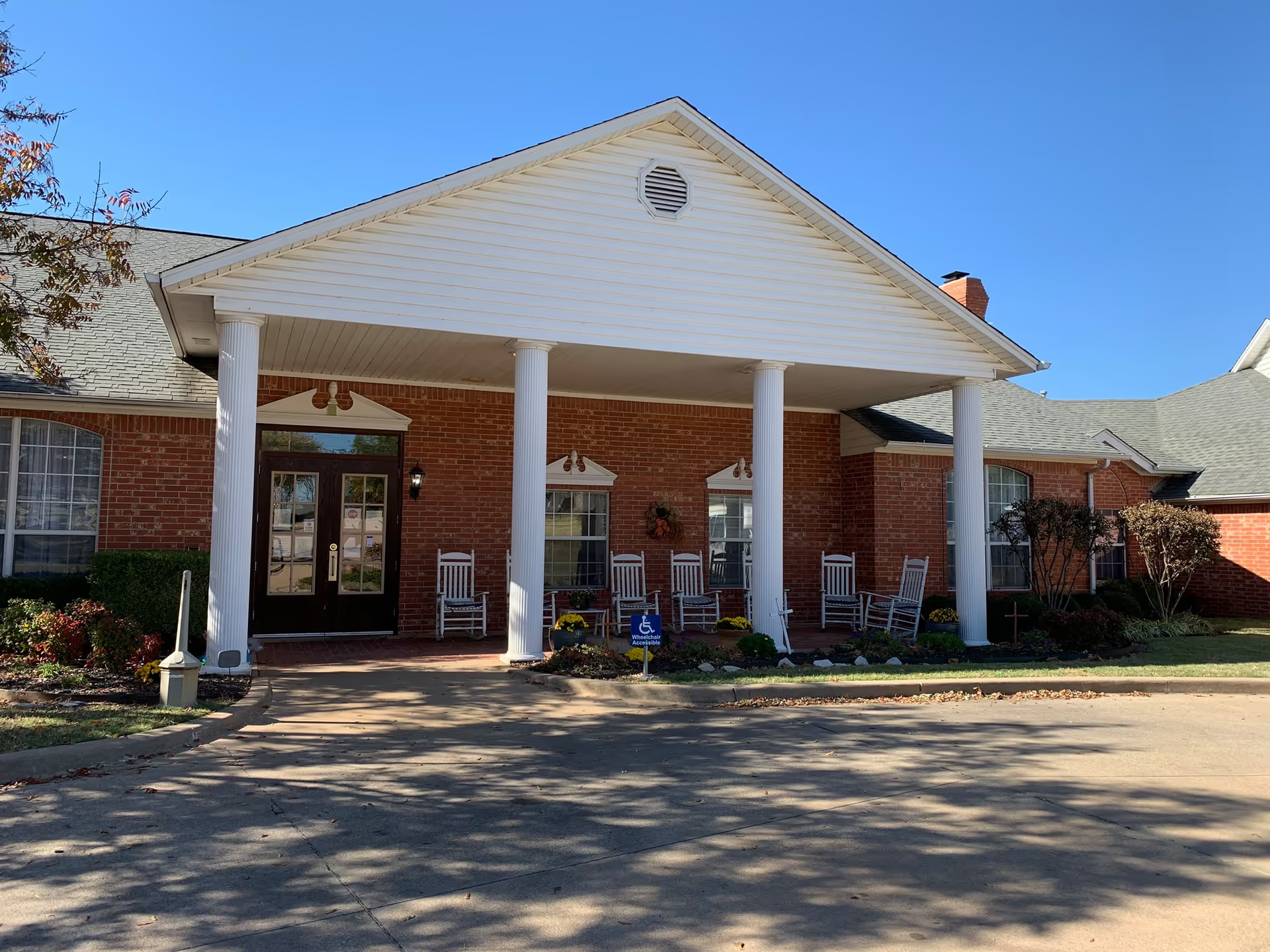
The reviews for Cleveland Manor present a polarized picture: many accounts praise the facility’s physical updates, the helpfulness of direct-care staff, and positive resident experiences, while a number of other accounts raise substantive operational and clinical concerns. Positive comments focus on visible investments — renovated common areas, clean rooms, and a generally inviting, homelike environment — as well as specific strengths in caregiving and rehabilitation. Conversely, several critiques highlight inconsistencies in how clinical care and basic assistance are delivered.
Care quality shows notable variability. Multiple reviewers described attentive, resident-focused care and effective short-term rehab services; others described delays in assistance, inconsistent bathing schedules, and concerns about clinical decision-making. There is at least one allegation involving inappropriate medication management and a referenced adverse surgical event during a rehab stay; these are serious singular claims within the dataset and suggest families should confirm current medication-safety protocols and clinical oversight. Reviewers also mentioned a regulatory complaint with unclear resolution, which points to gaps in incident follow-up and family communication in at least one case.
Staff-level feedback is largely positive regarding demeanor: staff are frequently described as friendly, compassionate, and supportive, and specific caregivers and managers received praise. At the same time, there are comments about variability in clinical competence among some nursing and ancillary staff and slow response times during certain shifts. This combination suggests that while staff culture and interpersonal care are strengths, consistency of clinical performance and staffing reliability may fluctuate.
Dining and activities are generally viewed favorably. Several reviewers called out good food and a supportive community atmosphere; residents were described as happy and engaged in the facility’s current configuration. However, services for people with cognitive impairment are limited — the facility does not offer a memory-care unit — which is an important service gap for families seeking that level of care.
Facilities and management: physical renovations and visible cleanliness are recurring positives, and some reviewers note a meaningful management-driven turnaround. At the same time, other comments describe superficial or cosmetic upgrades that have not fully addressed operational problems, and there are indications of leadership transition and instability. Prospective residents and families should assess how recent changes have affected staffing stability, clinical protocols, and incident-response processes.
Notable patterns: reviewer experiences tend to cluster at either end of the satisfaction spectrum — strong praise for environment and staff versus serious concerns about clinical consistency and responsiveness. For decision-making, it is advisable to tour the facility, observe staffing at different times of day, ask about medication administration safeguards, incident reporting and resolution procedures, memory-care availability, and recent regulatory survey outcomes. These targeted inquiries will help families determine whether the facility’s recent improvements have translated into consistent, reliable clinical and operational performance.