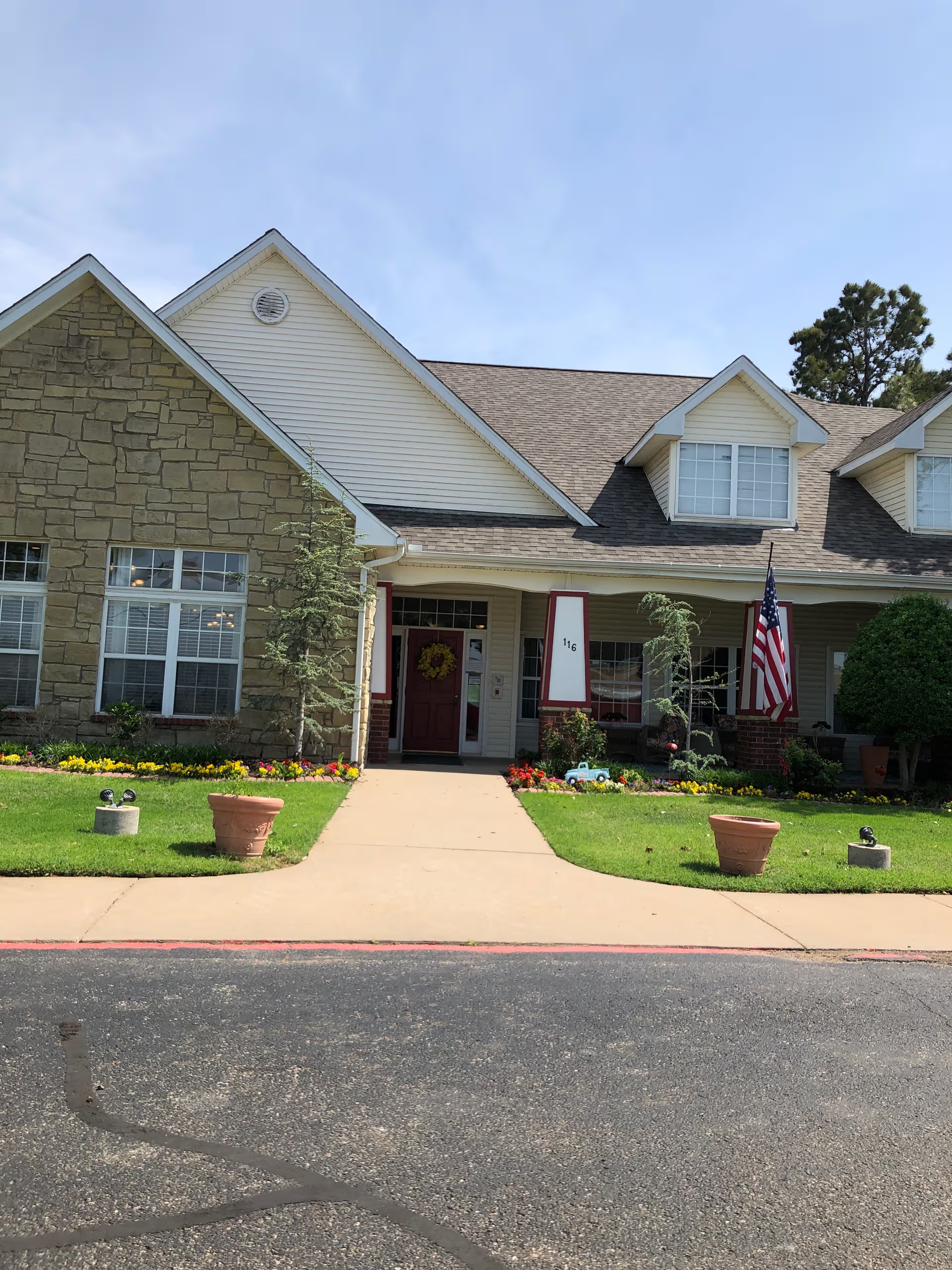
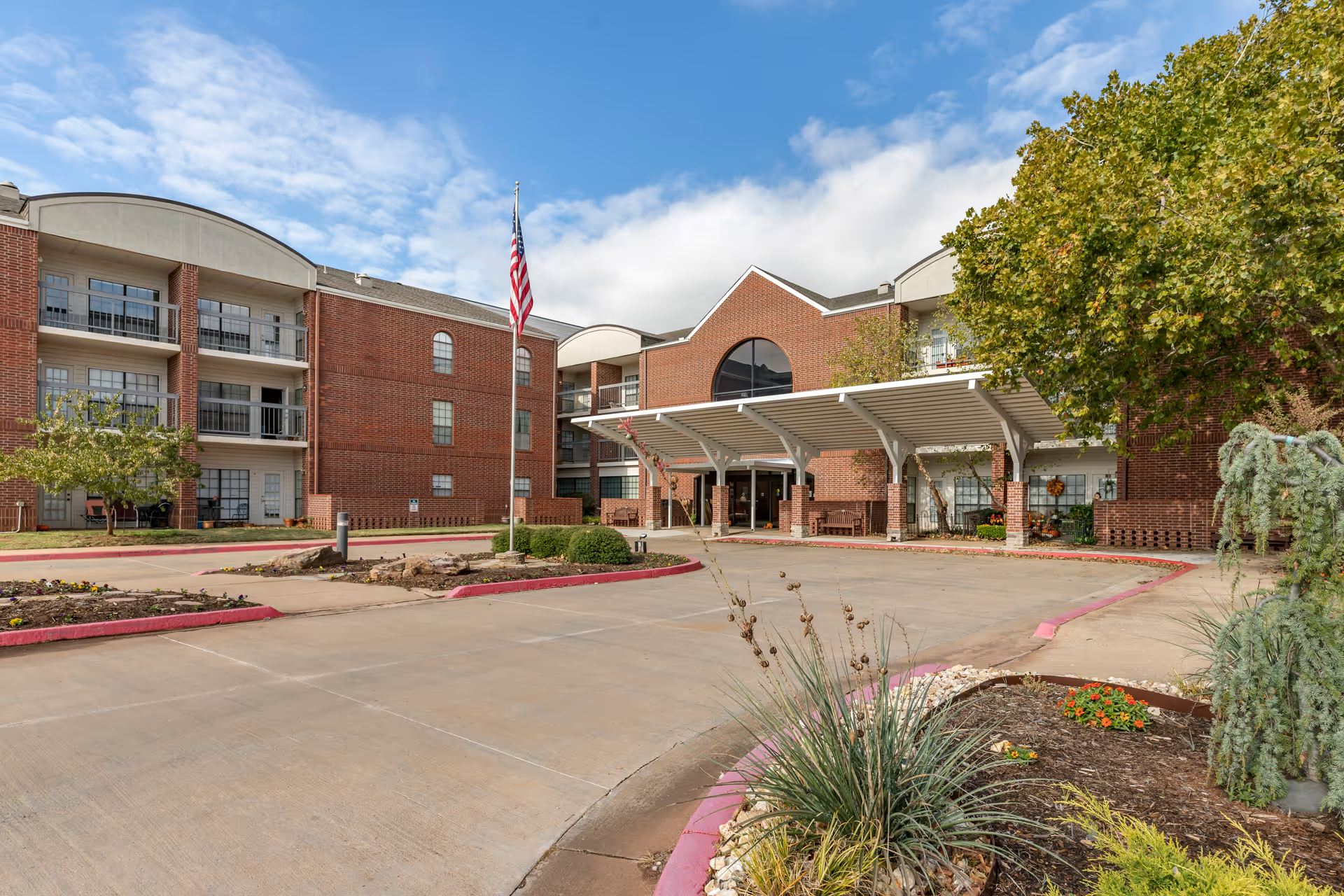
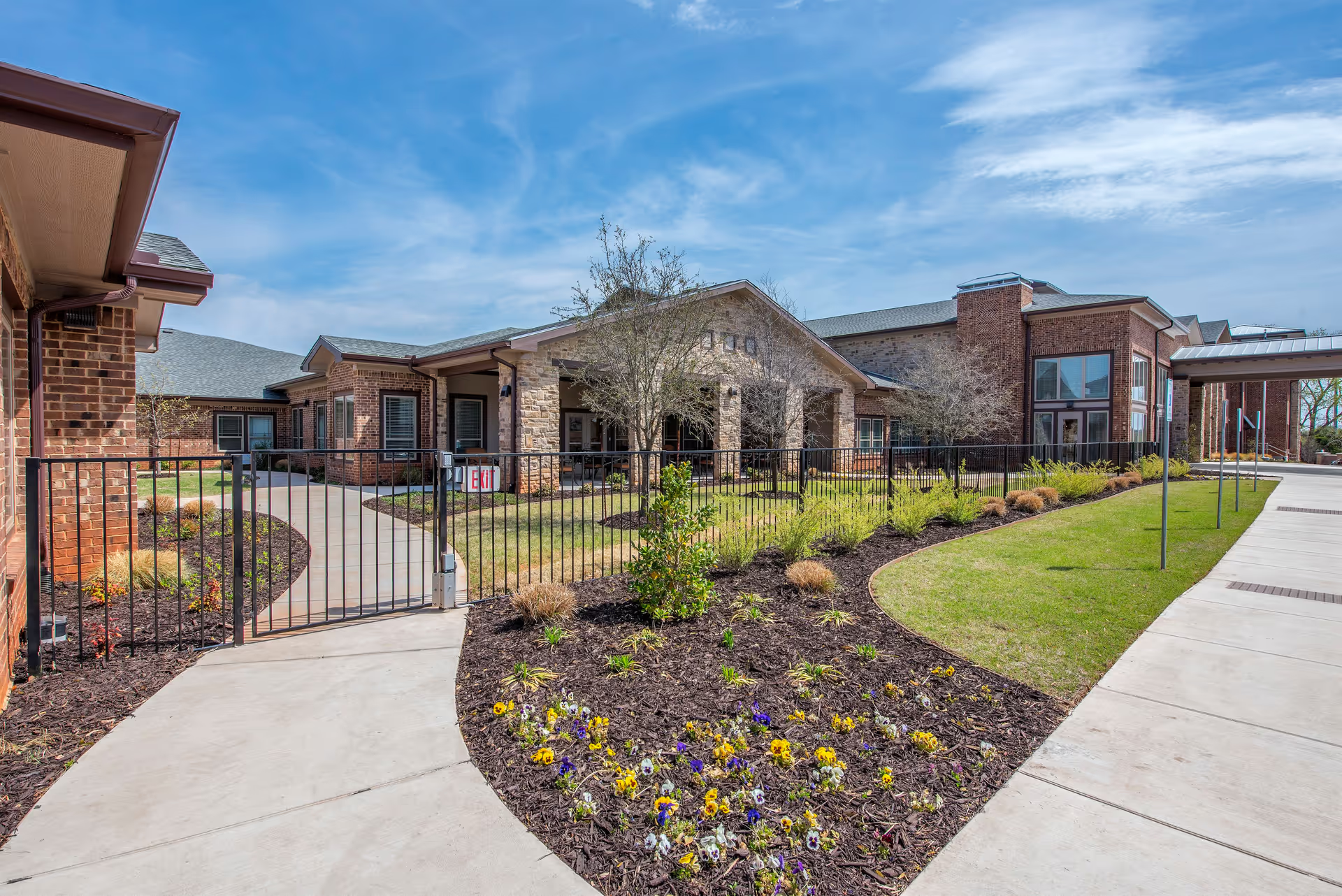
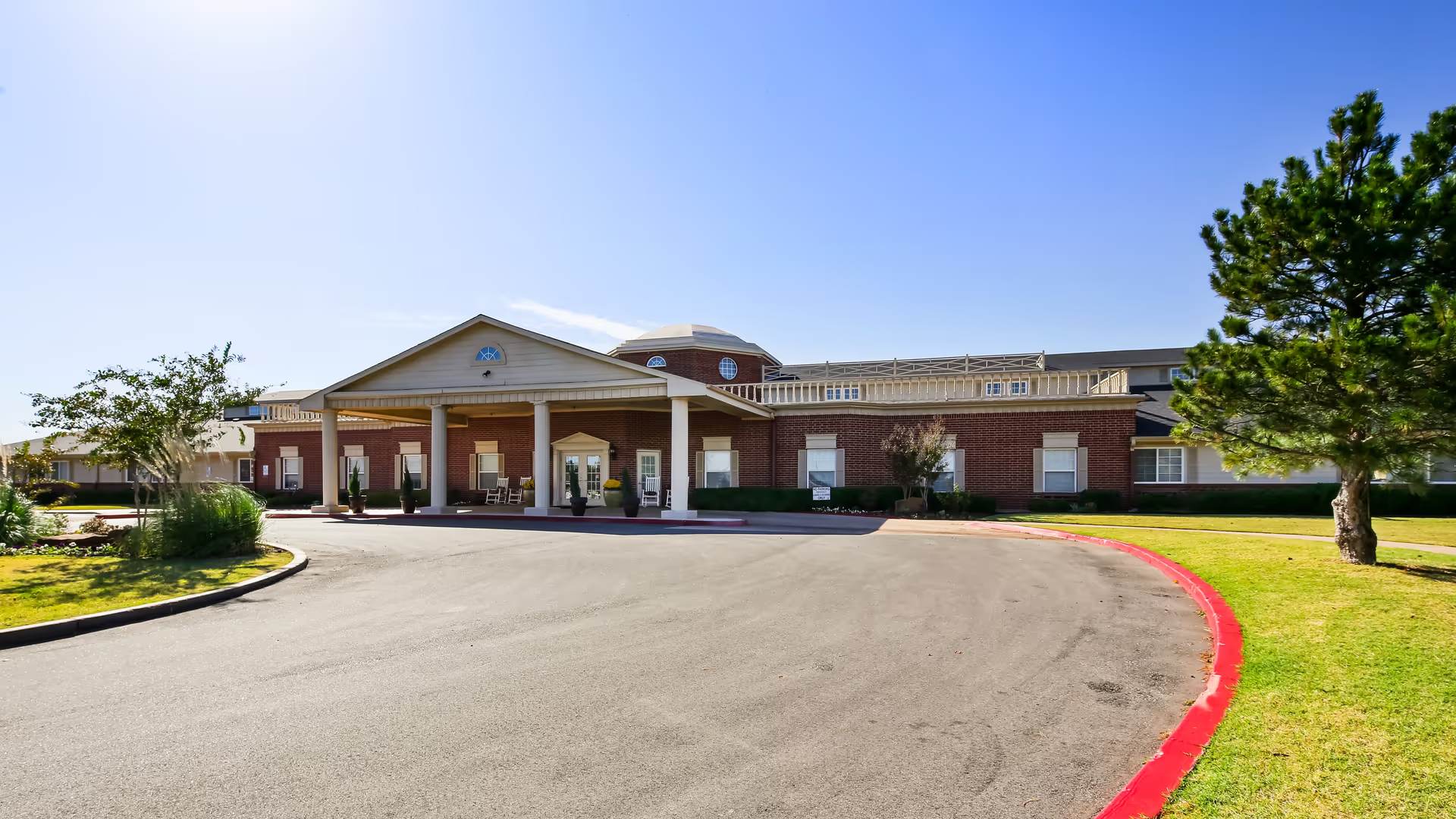
The reviews for Bradford Village Healthcare Center present a highly polarized picture. Many comments praise the physical environment and several staff members: reviewers highlight recent renovations, a homelike interior, large rooms with private bathrooms, engaging social opportunities for residents, and positive rehab outcomes for some patients. Individual caregivers and reception staff receive specific commendations for compassion, responsiveness, and assistance with admissions and settling in. These positive accounts indicate that the facility can deliver effective rehabilitation and create a comfortable social setting for residents.
At the same time, a substantial number of reviews raise operational and clinical concerns. Common themes include inconsistent staff professionalism and communication, frequent understaffing with slow response to call lights, and delays in attending to basic care needs. Several accounts point to lapses in incontinence-care timeliness and inconsistent bathing/assistance schedules. There are also reports suggesting gaps in clinical oversight and device management, as well as delayed or unclear communication with families about significant events, which has caused distress for some relatives.
Dining and therapy services are areas of mixed performance. While some families describe appropriate meals and successful therapy-driven improvements, multiple reviews mention cold or inadequate food service and occasions when therapy promised at admission was not provided. The social and activity environment is frequently described as positive, with residents appearing comfortable and involved when staffing and services are functioning as expected.
Facility features are a noted strength; the renovations, room size, and general homelike appearance are repeatedly mentioned. However, operational issues undermine those advantages for some families. Reviews cite cleanliness and sanitation inconsistencies, missing or unmonitored call buttons, and concerns about safety monitoring and fall prevention. Communication around infection-control policies and quarantine rules has been criticized when those policies were presented or enforced after admission paperwork was completed. Accessibility for residents with sensory impairments was also called out as an area needing improvement.
Management and supervisory effectiveness appear variable. While some staff and leaders are described as responsive, others are associated with unprofessional conduct and ongoing interpersonal conflicts; there are even allegations involving individual staff conduct that families found serious enough to escalate. Front-desk interactions and availability differ by shift according to reviewers, creating an uneven first impression for prospective families.
Taken together, the pattern indicates a facility with solid physical resources and several dedicated staff who deliver good outcomes for some residents, alongside recurring operational weaknesses that affect care consistency, communication, dining, and safety monitoring. Prospective residents and families should plan an in-person visit, ask about current staffing levels, call-light response times, therapy scheduling, infection-control policies, clinical oversight protocols (including device management), and accommodations for sensory needs. Reviewing recent state inspection reports and speaking directly with current families may help clarify whether the facility’s strengths or the operational concerns are most likely to affect an individual’s stay.