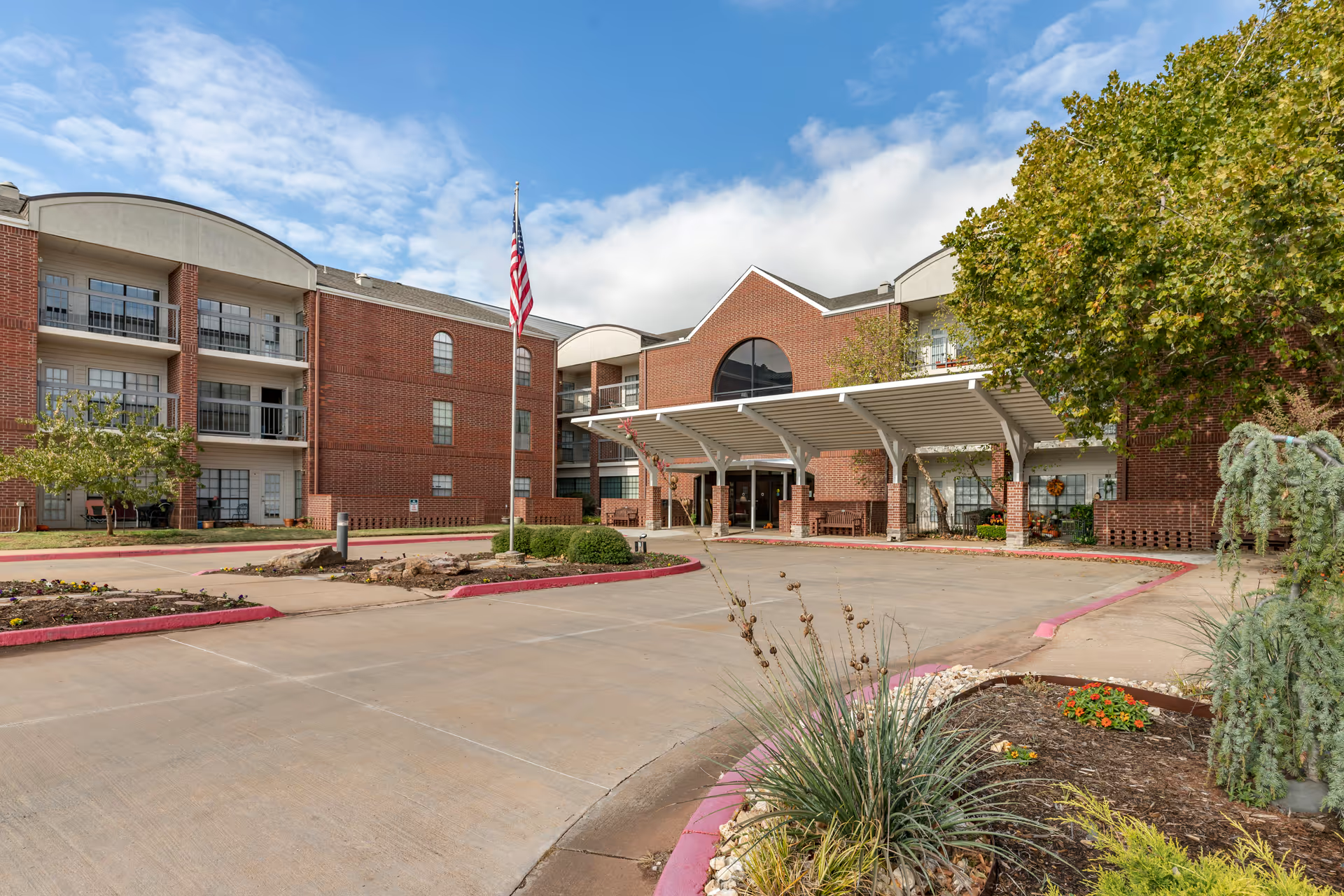
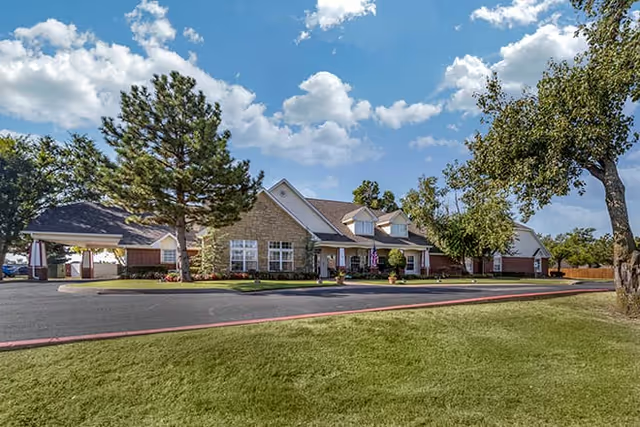
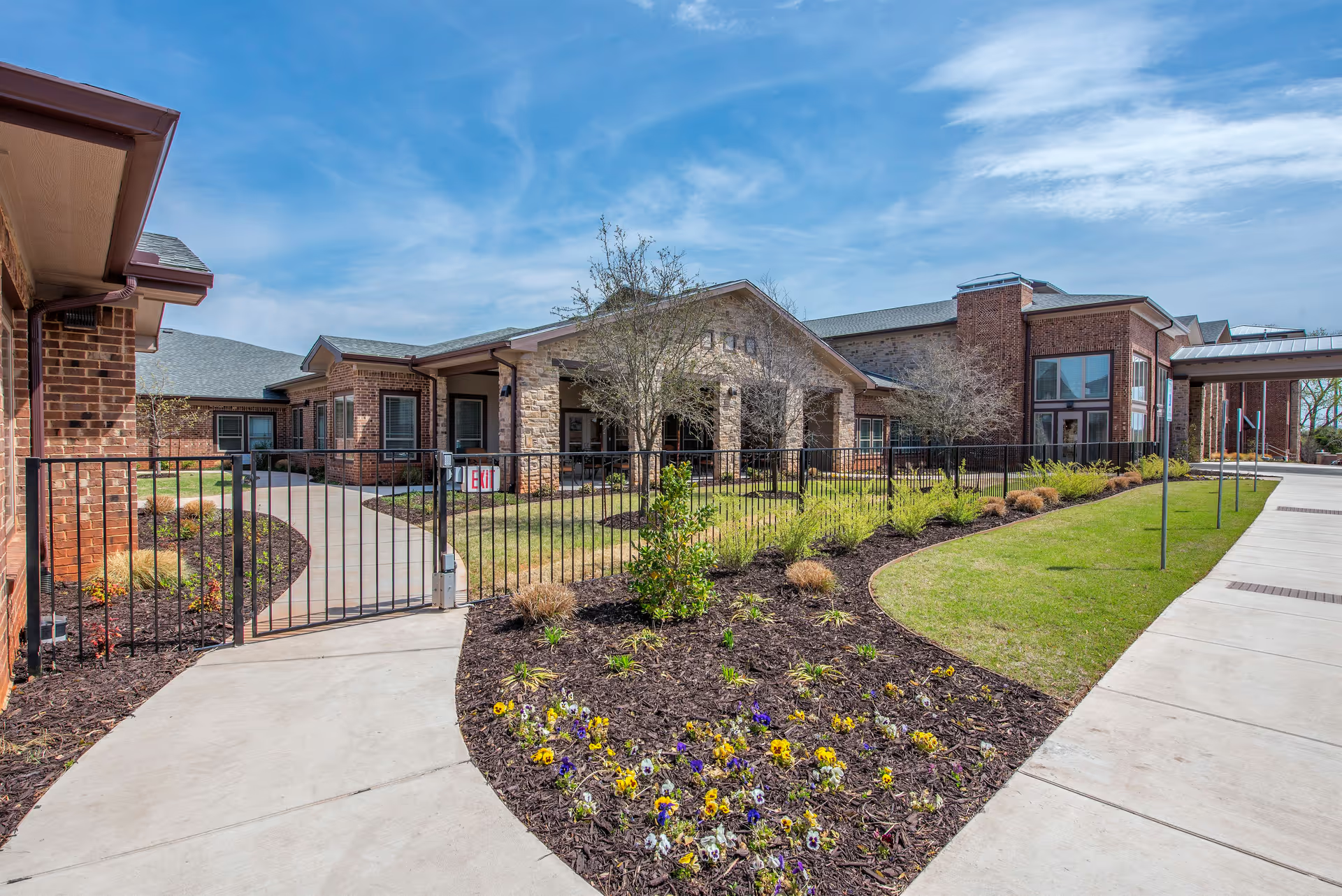
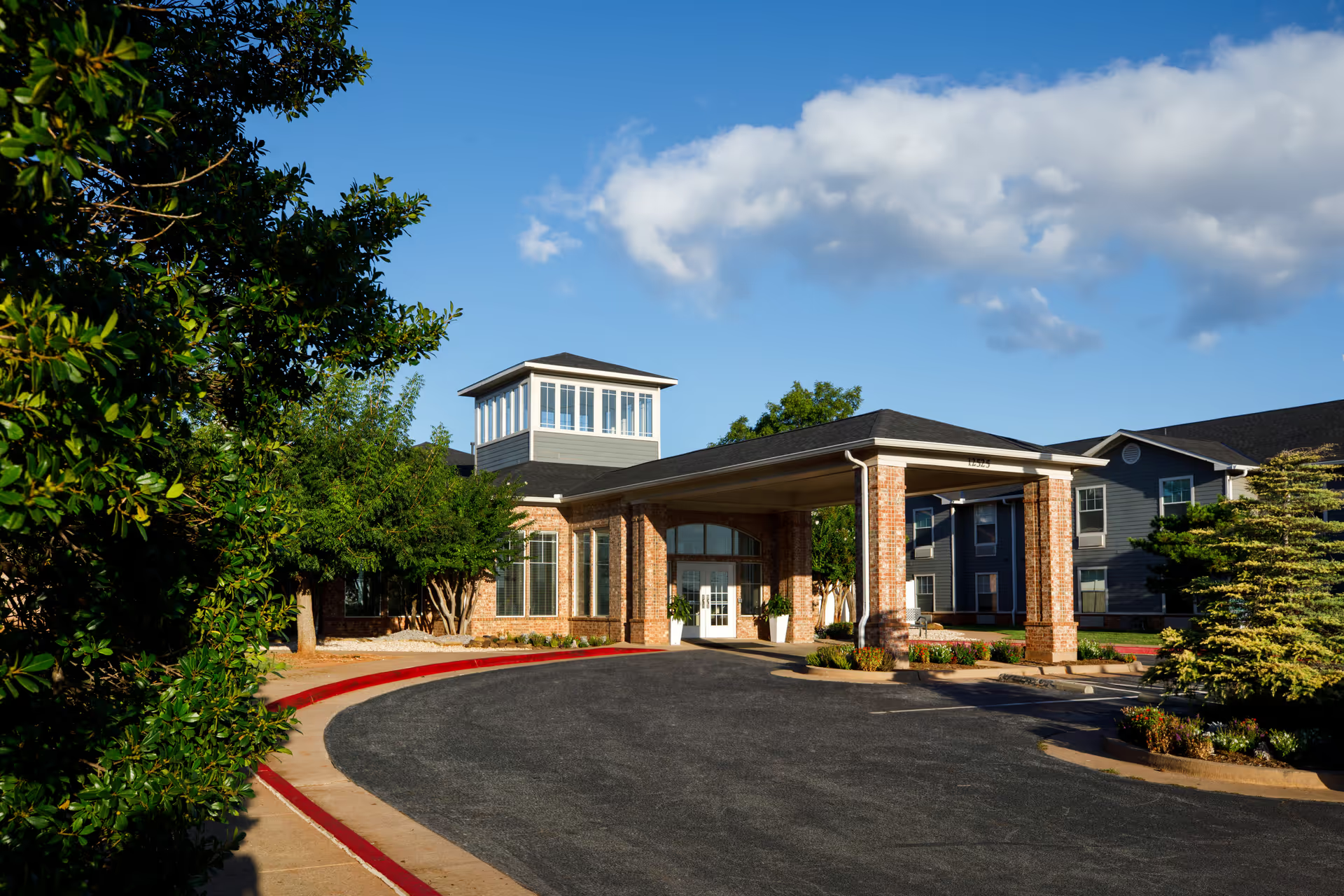
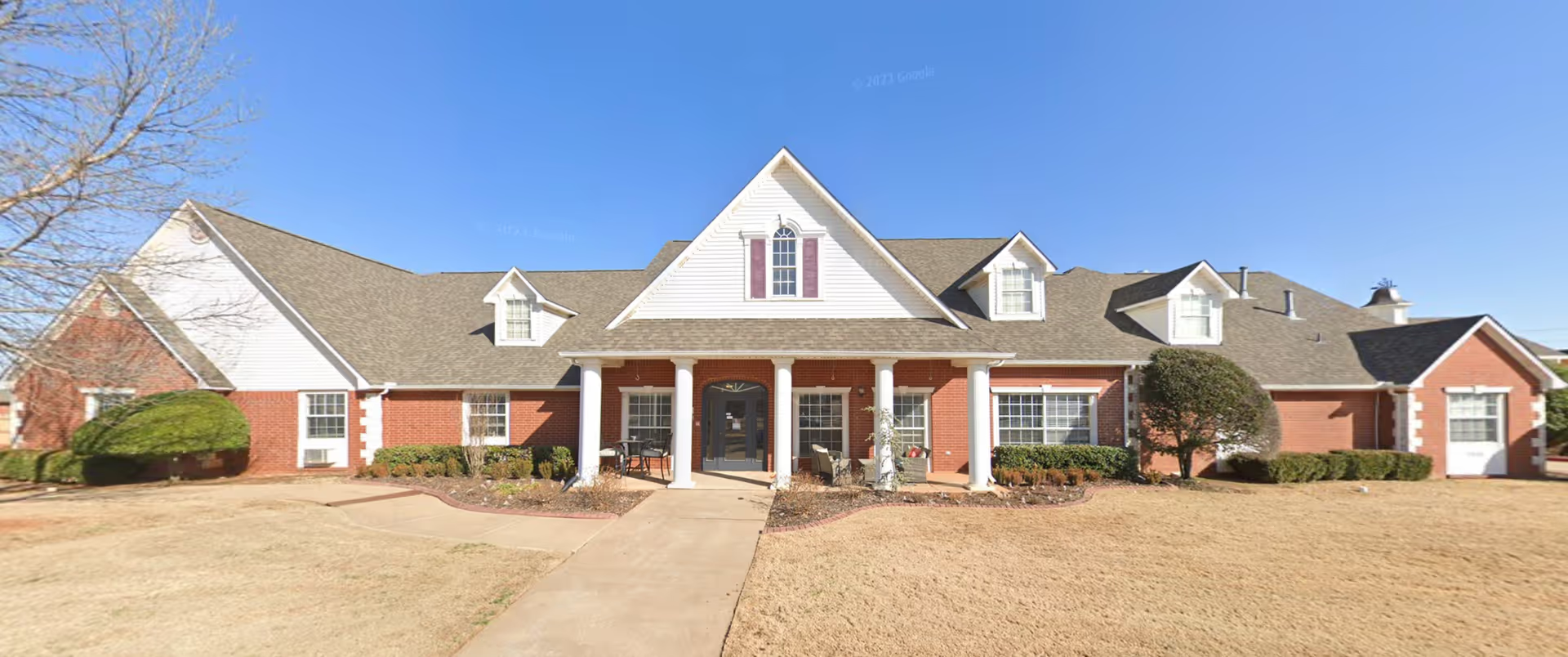
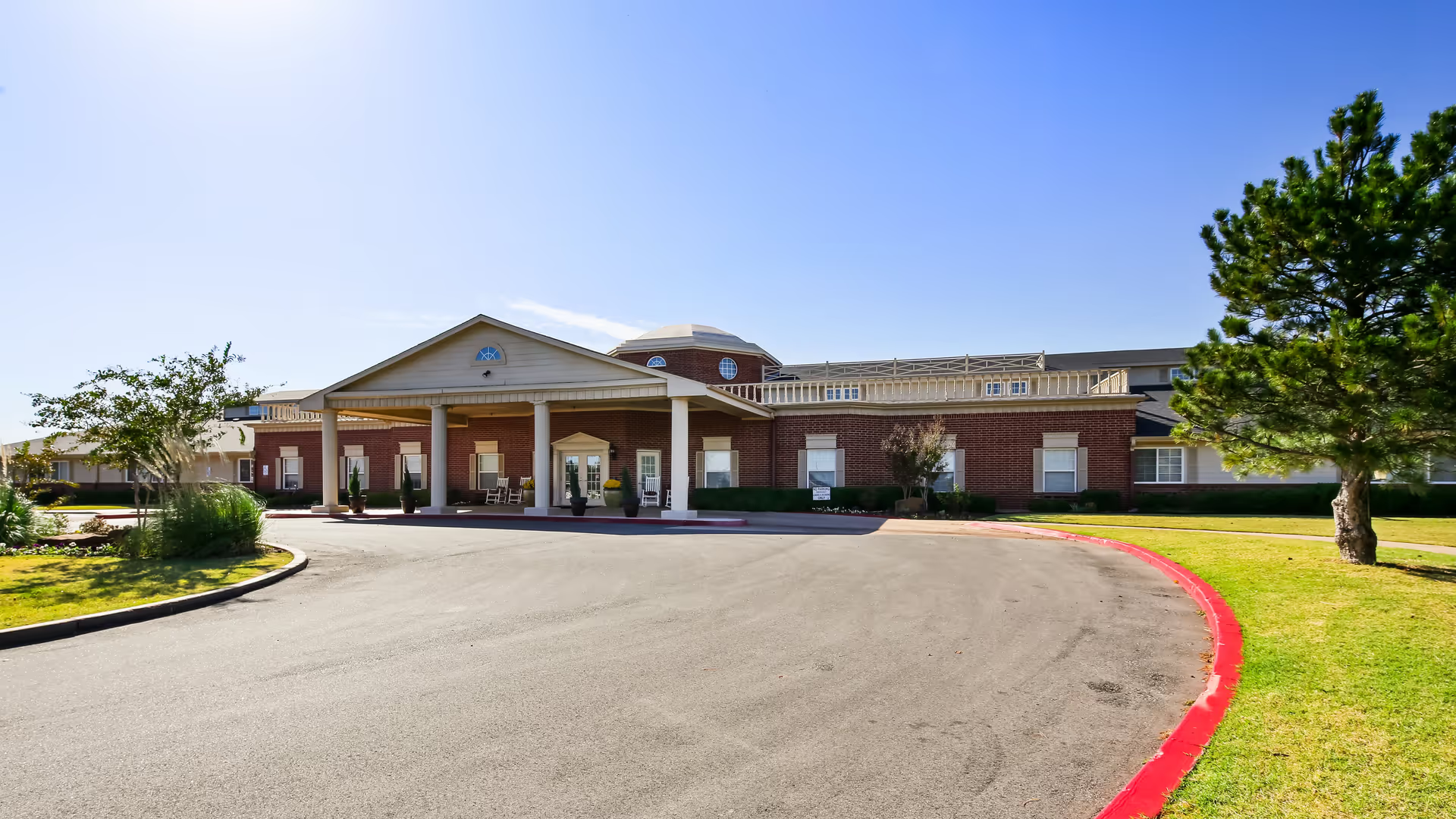
Reviewers describe a facility with clear strengths alongside recurring operational weaknesses. Positive accounts emphasize compassionate, attentive caregiving during daytime hours, an active and creative life‑enrichment program, and a well-regarded culinary team producing appealing meals. Many families and residents comment on the facility’s attractive interiors, courtyard and grounds, comfortable private apartments, and social calendar that includes holiday events and regular activities. Several comments single out specific staff and managing owners as professional, caring, and responsive, and some families report reliable medication timing and improved resident engagement and appetite after admission.
At the same time, a substantial pattern of variability emerges. Staffing levels and performance are described as uneven across shifts and weekends, producing differences in resident experience depending on time of day. Memory-care support is portrayed inconsistently: some reviewers highlight skilled memory-care teams and strong outcomes, while others raise concerns about training and day-to-day competency in portions of the memory unit. These differences suggest uneven staff training, supervision, or allocation across the community.
Communication and administrative processes are another common theme. Multiple reviewers note difficulties reaching staff, unanswered calls, delays in billing or refunds, and slow business-office responsiveness. Transition periods associated with new ownership or management are cited as times when operational consistency and communication declined. Safety and security issues appear as operational concerns as well: allegations of missing personal items and narcotics point to gaps in resident-property safeguards and medication-inventory controls, and some reviewers describe problems with building-access systems. There are also mentions of sanitation and pest-control concerns and questions about infection-control and visitation practices following clinical events.
For prospective residents and families, the pattern suggests a facility that can provide high-quality dining, engaging programming, and compassionate daytime care, but one whose consistency may depend on unit assignment, specific staff on duty, and the current management environment. Visiting at different times (day, night, weekend), asking targeted questions about memory-care training, medication and property safeguards, staffing ratios, and administrative responsiveness, and reviewing recent infection-control and inspection records would help assess whether the community’s strengths align with a particular resident’s needs. Families who prioritize strong culinary and social programs and who can confirm stable staffing and communication protocols may find this community appealing; those who require highly consistent, round‑the‑clock clinical oversight or robust administrative follow‑through should verify operational controls before committing.