Tealridge presents as a small, community-oriented assisted living and memory-care option with several clear strengths and recurring operational limitations. The facility is frequently described as homey and Christian-focused, with Bible-study programming, scheduled transportation to nearby campus events, and apartment-style units that include in-room microwaves and refrigerators. Many reviewers highlight compassionate, attentive staff who form close, family-like relationships with residents and who are willing to accommodate individual preferences such as room moves to retain furniture and friends. Pricing transparency and flat-fee options are also often cited as favorable for families seeking predictable costs.
Care quality and staffing show a mixed picture. Numerous comments praise the attentiveness and warmth of caregiving staff and the presence of on-site medication administration and a physician option for enrolled residents. At the same time, reviewers describe inconsistent staffing coverage—notably on weekends—and gaps in staff clinical knowledge and responsiveness. These operational weaknesses manifest as delays in answering clinical questions, inconsistent ability to manage higher-acuity needs, and variable service continuity. Together, these patterns suggest the community may be best suited to residents with low-to-moderate care needs rather than those requiring complex medical or continence management.
Dining receives both positive and critical remarks. Many families and residents appreciate the variety of meal choices, frequent praise for food quality, and the provision of three daily meals. Other accounts note uneven meal temperature and occasional delivery problems, as well as the existence of extra charges for specific items or services. Prospective residents should confirm which meals and services are included in the contract and whether additional meal fees apply.
Activity programming and social life reflect the small-community scale. The community runs traditional activities (bingo, outings, social meals) and benefits from a close-knit resident population, which some families find fosters a strong sense of community. However, limited occupancy and a smaller resident mix have reduced opportunities for diverse socialization in some cases. Reviewers also point to gaps in activity offerings for residents with sensory impairments and limited memory-care programming, which could affect engagement for those with specific support needs.
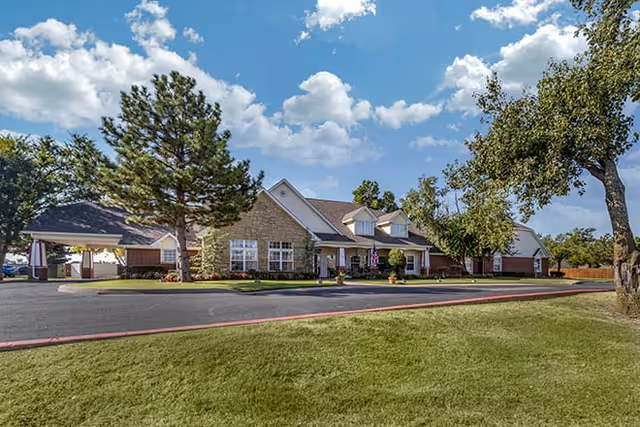
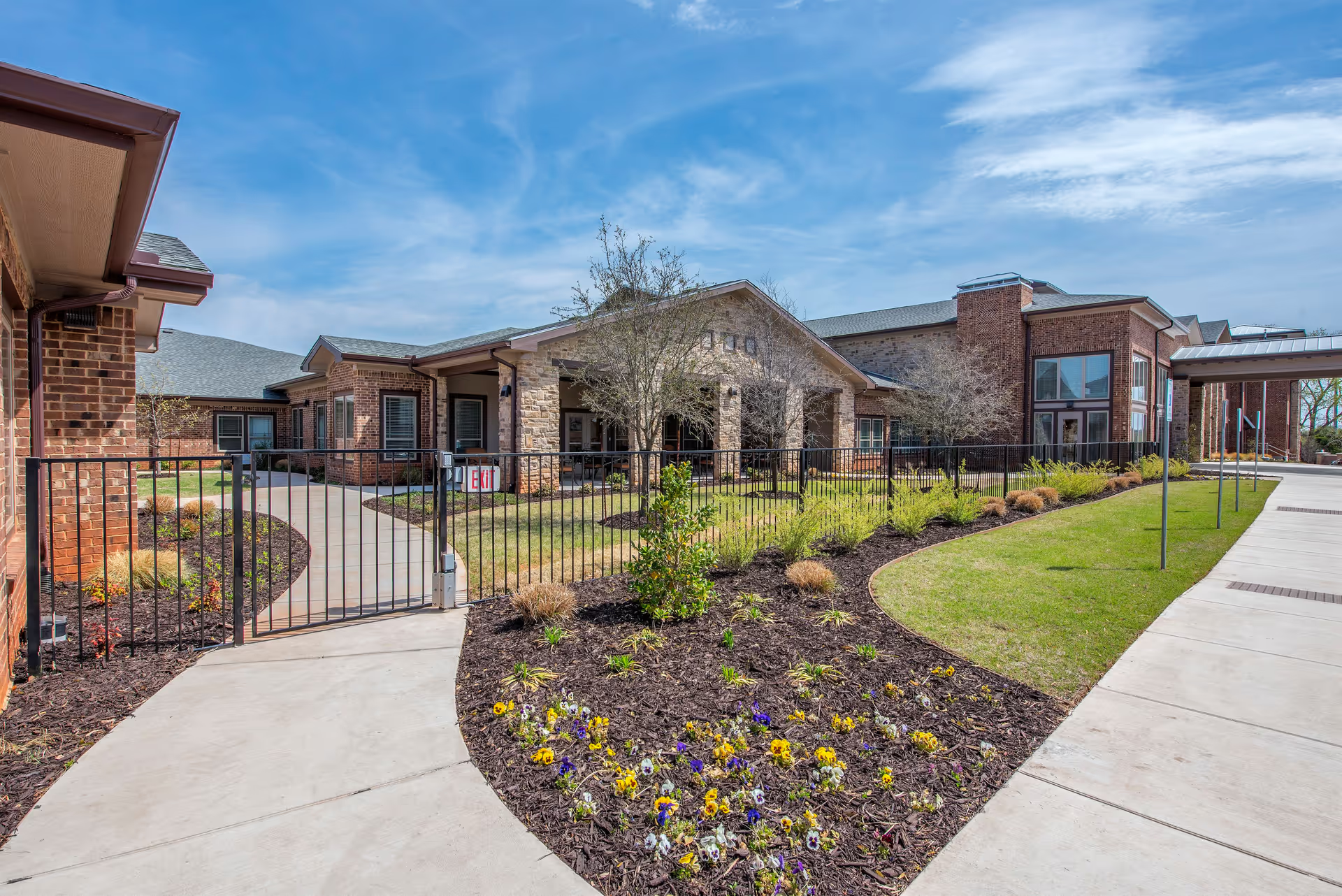
Facility condition and operations are another area of divergence. Several reviewers note attractive features such as pleasant views, bright common areas, and well-laid-out apartments. Conversely, others describe dated decor, worn carpets, and areas that would benefit from painting and general refresh. Sanitation or odor concerns were raised for some common areas, indicating variability in upkeep. Management reviews range from praise for hands-on, accommodating managers to criticism about communication and trustworthiness. There is mention of recent management change with efforts to improve, which may influence ongoing operational changes.
Notable patterns for prospective residents and families: the community offers strong relational caregiving, a faith-based social environment, and transparent pricing that some find excellent value. Conversely, it shows operational limitations in consistent staffing, clinical capabilities for higher-acuity needs, activity options for sensory- and memory-impaired residents, and some facility maintenance. Families prioritizing warm, lower-acuity assisted living in a small, faith-based setting may find Tealridge appropriate; those needing robust clinical supports, extensive memory-care programming, or consistently staffed clinical responsiveness should verify staffing plans, incident-response protocols, and specific clinical accommodations before committing.