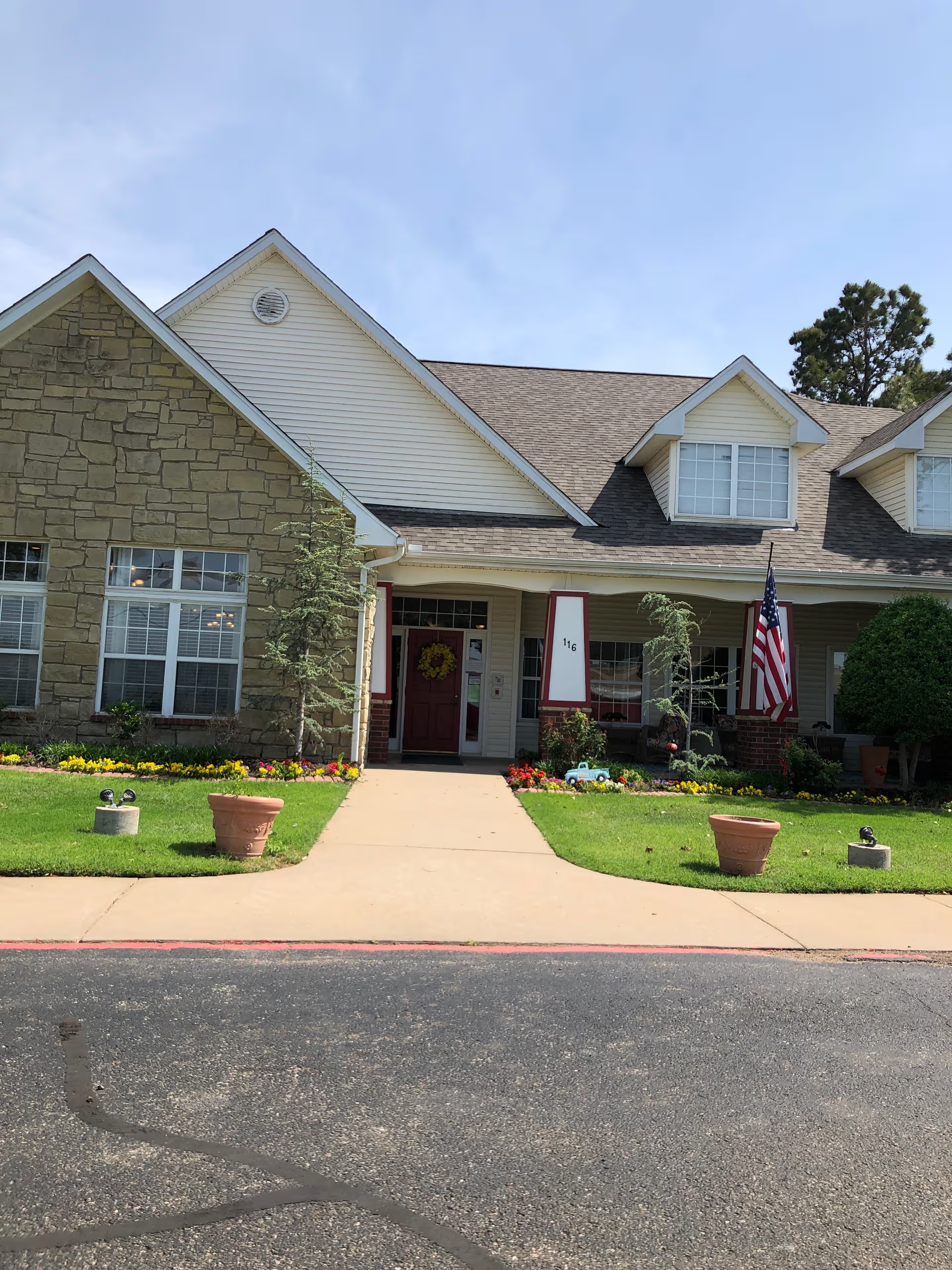
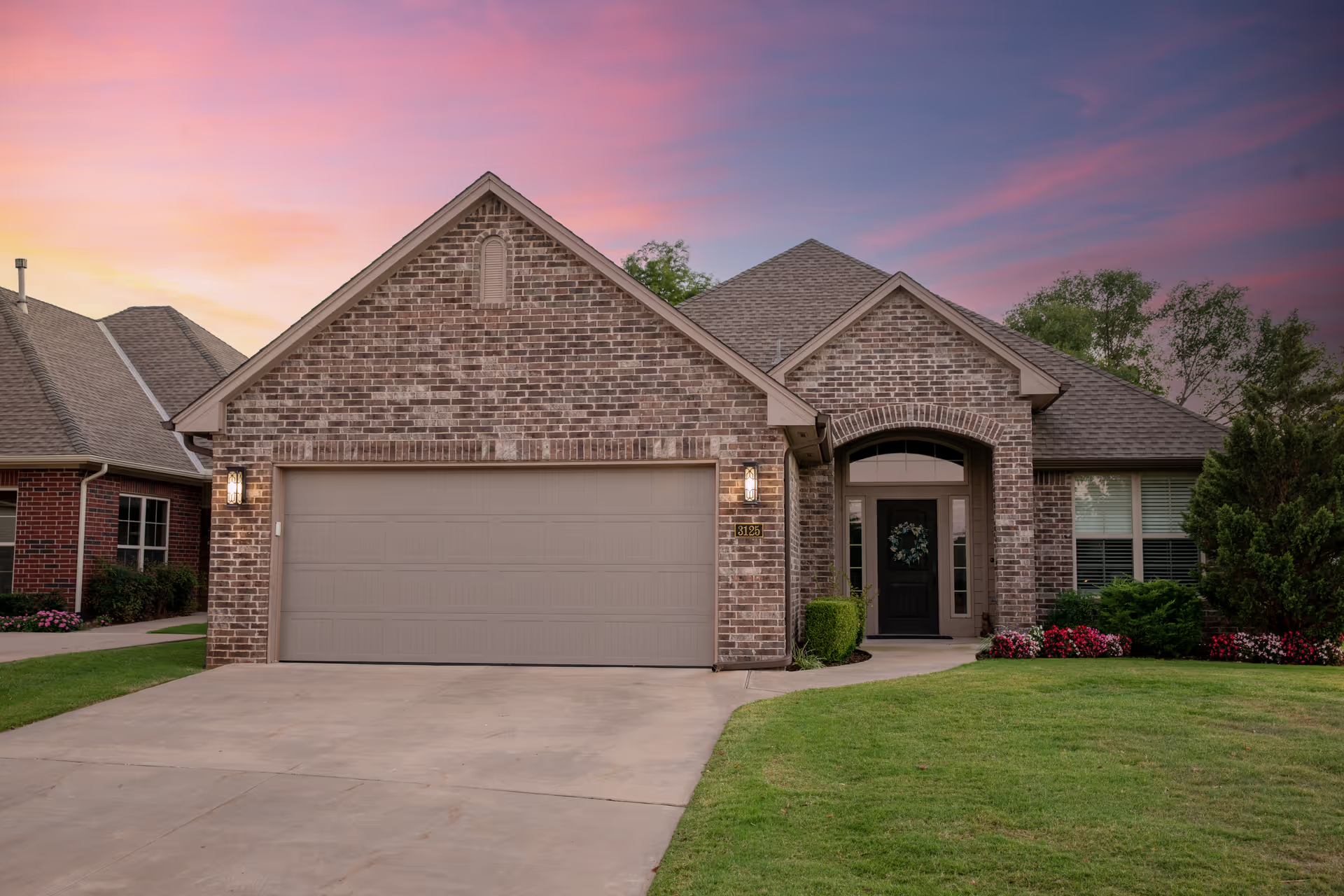
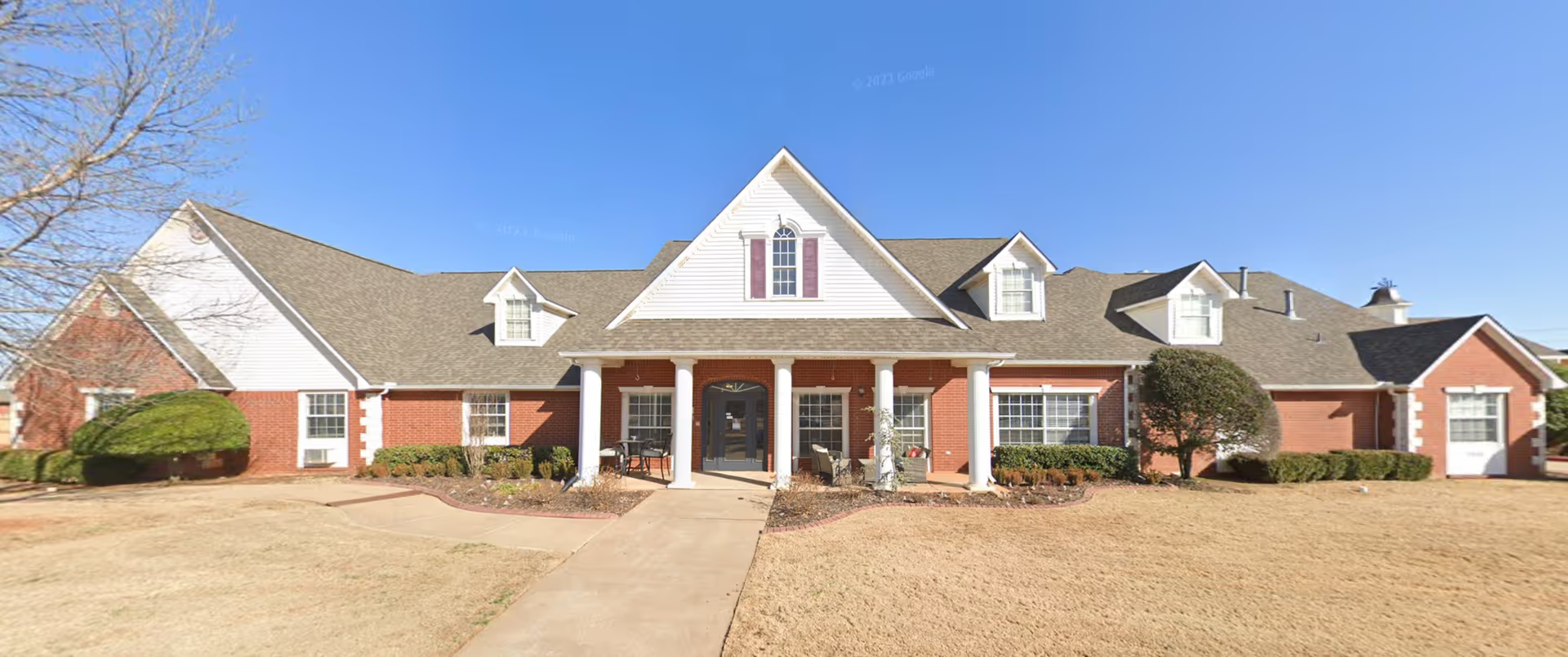
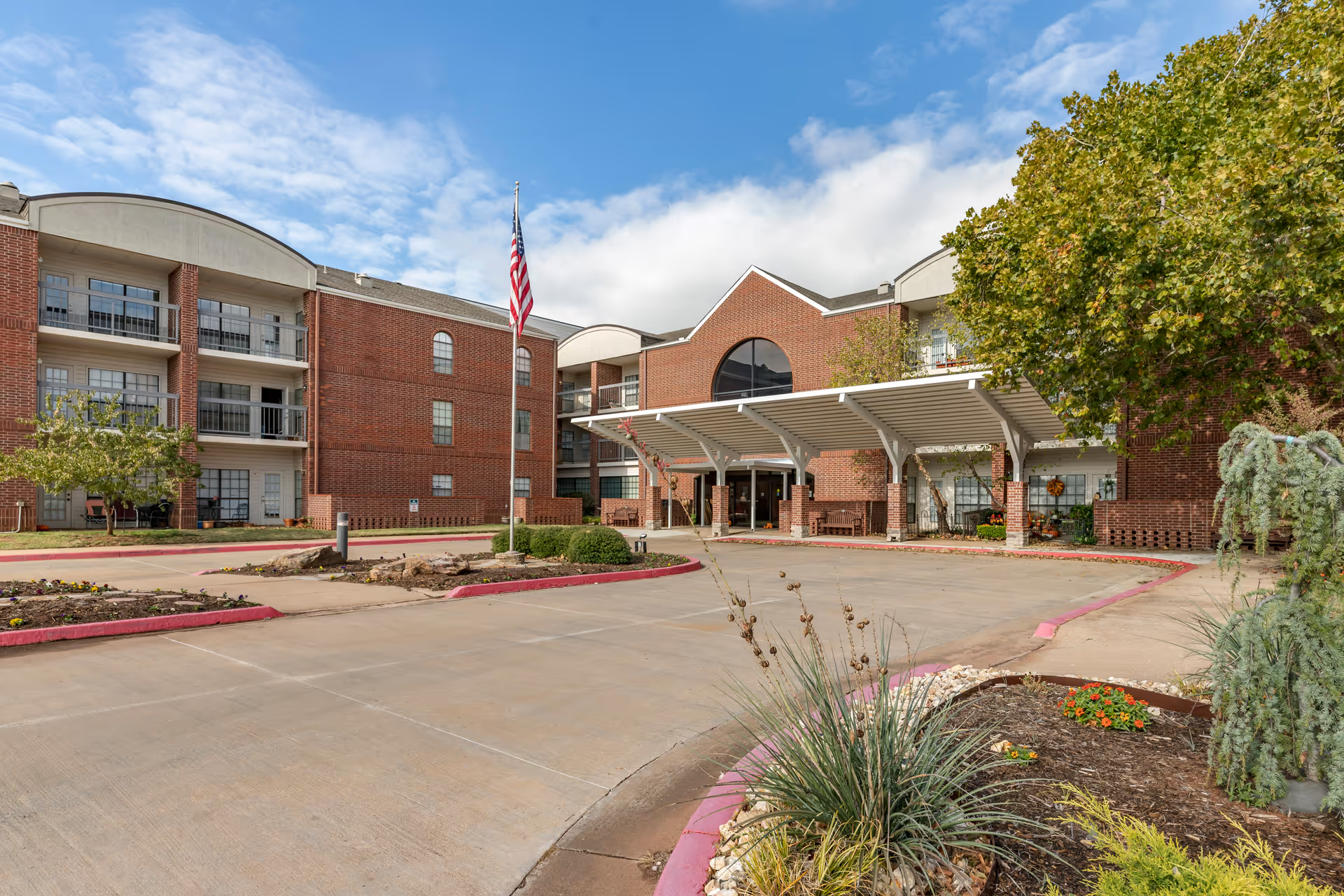
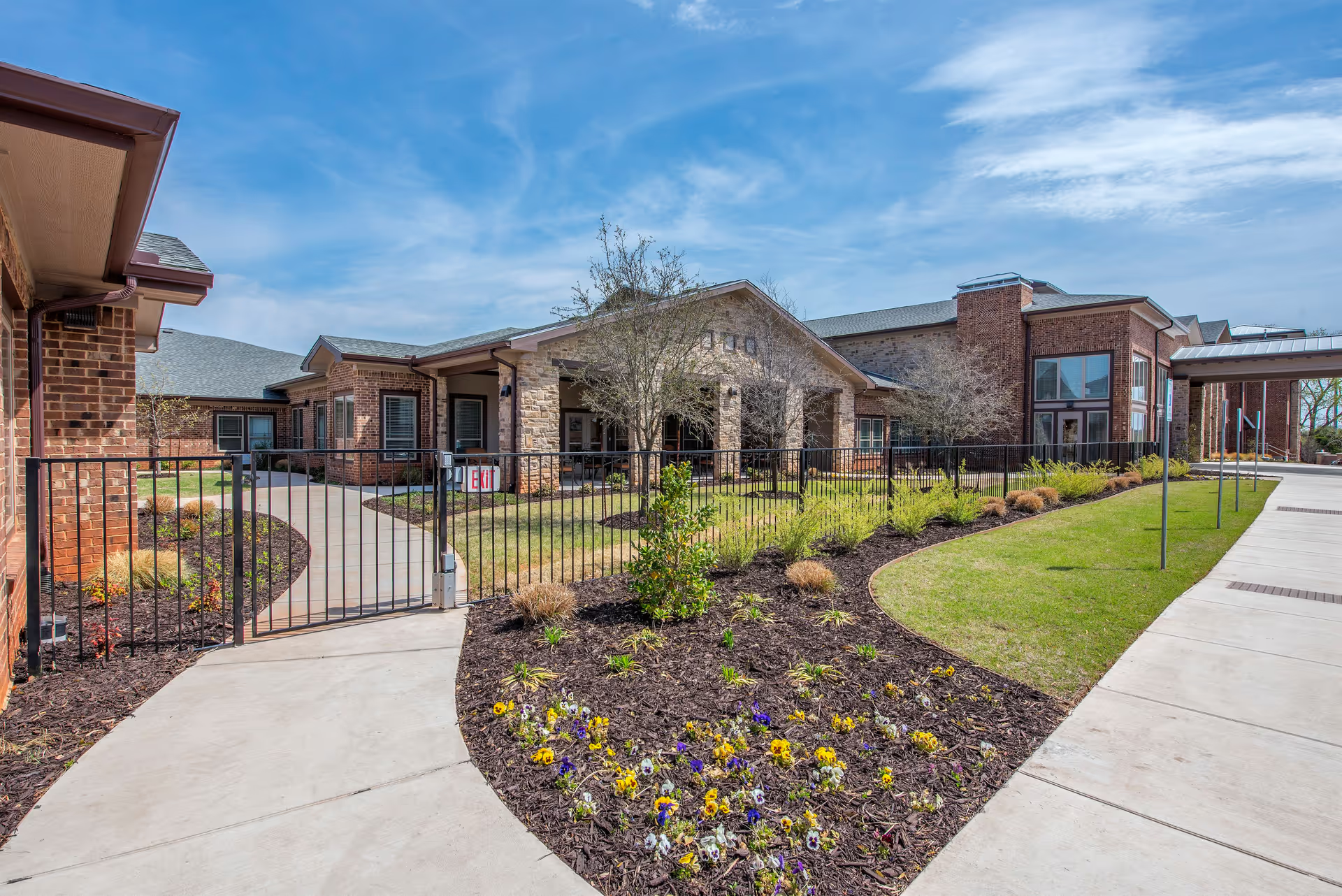
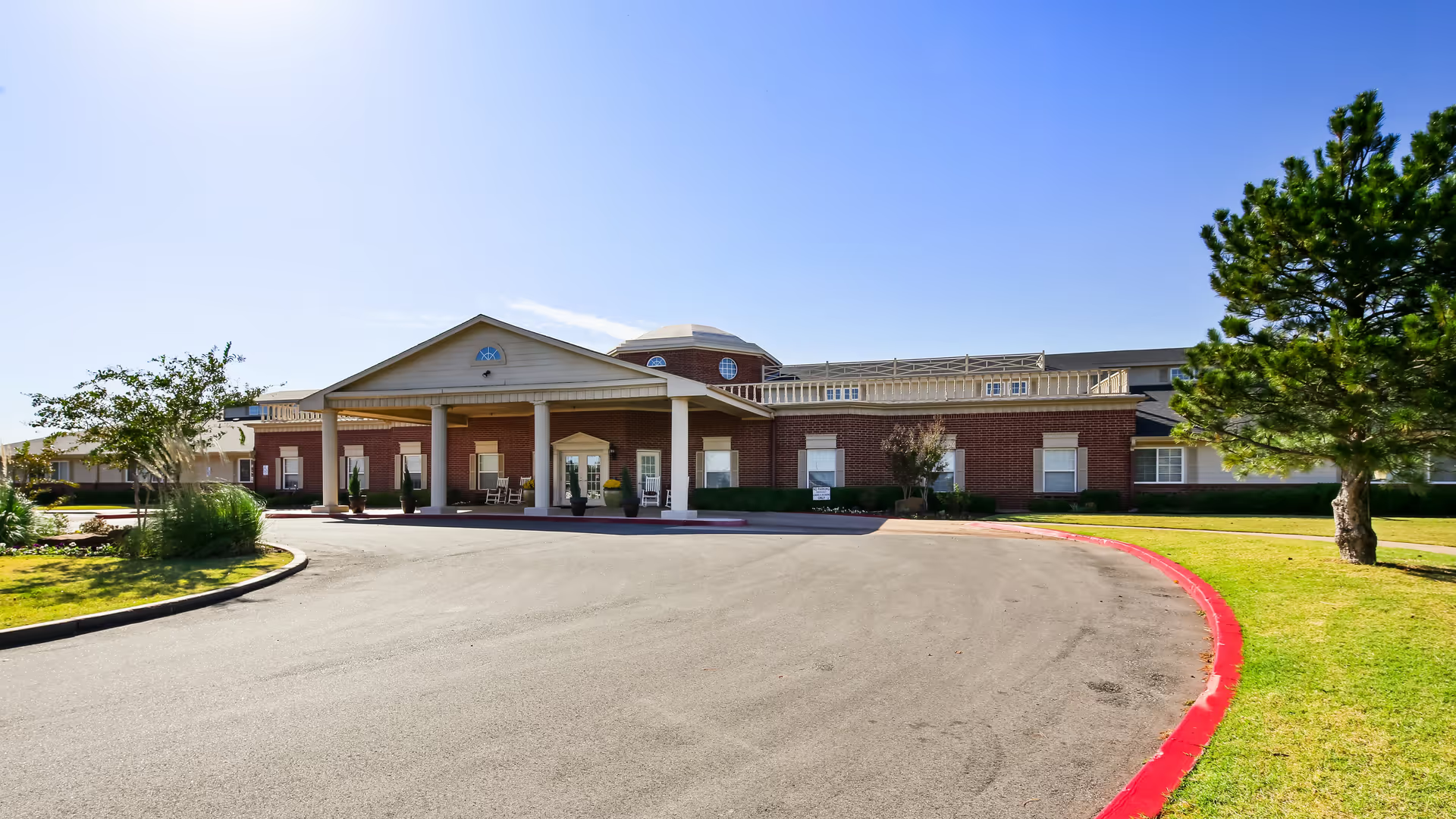
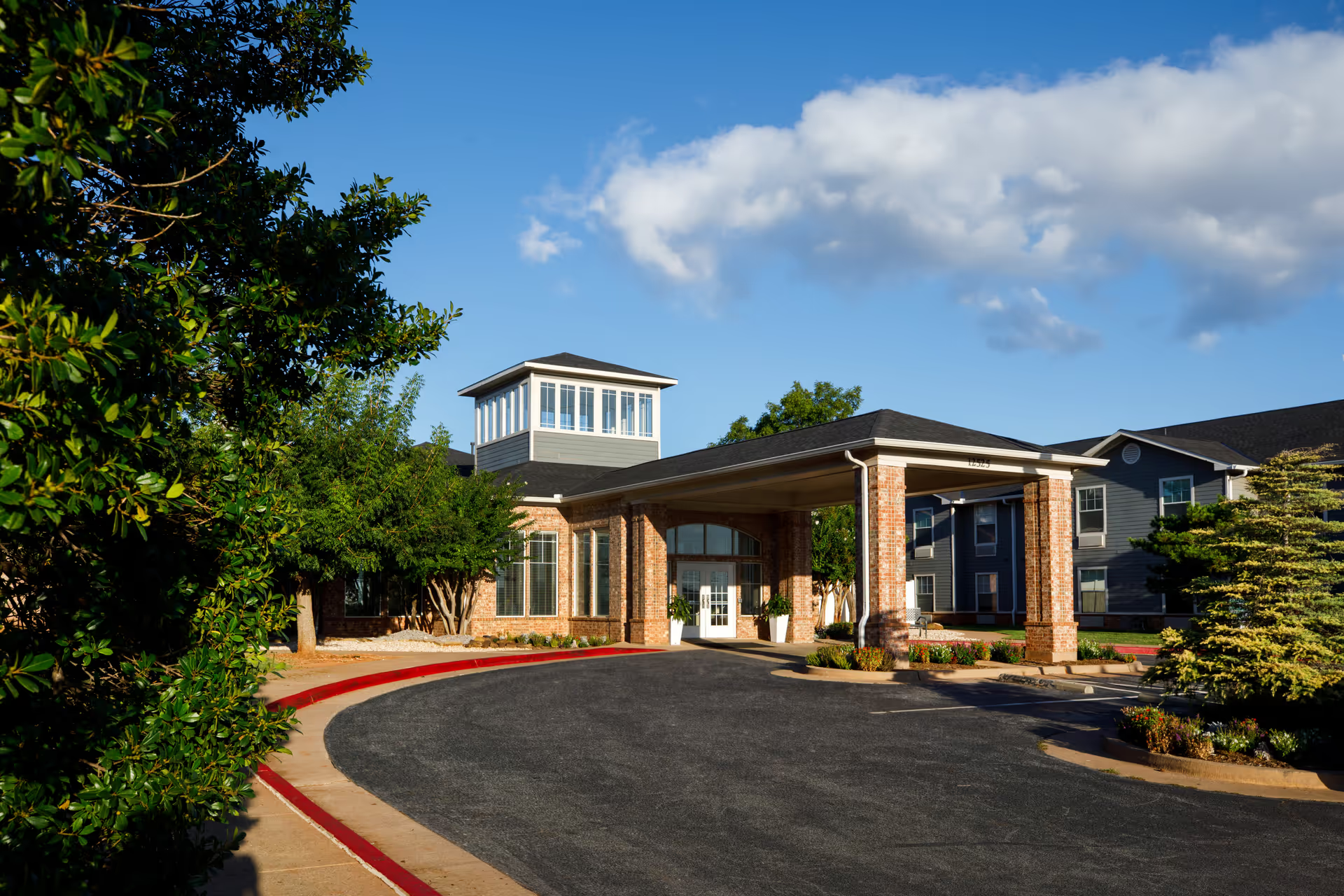
The Veraden Senior Living is consistently described as a recently built, upscale community with strong aesthetics and a wide range of amenities. Multiple reviews praise the facility’s architecture, well-maintained grounds, and apartment options—including two-bedroom units with full kitchens—and list features such as a movie theater, pool, salon, auditorium, and a dedicated memory-care courtyard. Housekeeping and maintenance are frequently cited as responsive, and move-in logistics are often described as smooth. Transportation services, concierge support, and on-site therapy/dialysis accommodations are additional operational strengths.
Activities and social programming are a distinctive strength. The activities department and its leadership receive repeated positive mention for offering diverse, frequent programming: concerts, outings (mall, museums, restaurants, weekly superstore/Walmart trips), classes, bingo, arts-and-crafts, and special events. Many families note that this programming supports resident engagement and a strong social community, contributing to residents’ sense of belonging and quality of life.
Care quality perceptions are mixed and appear to vary by unit, shift, and individual staff. Numerous comments commend CNAs, aides, and some nurses for compassion, individualized attention, and professionalism; these caregivers are viewed as a primary asset by many families. At the same time, recurring operational concerns include medication-management weaknesses (errors, missing or incorrect doses), inconsistent nursing leadership, and variability in clinical oversight. Several families describe lapses in transfer assistance and delays in attending to care needs, and a pattern of RN turnover and weekend or night staffing gaps is frequently mentioned.
Dining and food service are another area of divided experience. The dining rooms are described as visually appealing, but multiple reviewers cite inconsistent food quality, long wait times, out-of-stock entrees or components, cold meals, and variability in server performance. Some accounts note that buffet- or quarantine-style service substituted for restaurant-style dining on occasion. These service gaps are often attributed to understaffing or kitchen staffing instability rather than the dining concept itself.
Management and administrative performance show a broad range of evaluations. Some reviewers describe responsive leadership and managers who step in effectively when issues arise; others identify persistent communication problems, slow responses to family concerns, billing disputes, and fee-transparency problems. Complaints about account reconciliation, automatic withdrawals, and unclear ancillary charges appear often enough to be a pattern families should monitor. There are also descriptions of inconsistent enforcement of policies and variable information-sharing at shift changes.
Taken together, the pattern is one of strong physical plant, engaging activities, and many dedicated frontline caregivers, contrasted with operational challenges that affect clinical consistency and service delivery. Prospective residents and families who value an active social program and upscale environment will find many positive attributes here, but should also assess clinical controls and administrative practices during a tour. Suggested areas to probe during a visit: medication-administration procedures, weekend and night staffing coverage, specific memory-care protocols and placement criteria, meal-service logistics and sample menus, billing procedures and fee disclosure, and accessibility/navigation for residents with mobility limitations.