Reviews of Villagio of Bradford Village are polarized: many families and long-term residents praise staff, therapy services, the social environment and the campus grounds, while other accounts describe operational and clinical inconsistencies that warrant caution. Strengths most consistently highlighted include attentive individual caregivers, positive interactions in dining and common areas, and robust therapy offerings that helped some residents meet rehab goals.
Staff performance is the facility’s most frequently cited strength and weakness. Numerous reviews single out individual employees and managers for compassionate, proactive care and good communication; long-tenured staff and an active activities director contribute to a family-like atmosphere. At the same time, reviewers describe variability across shifts—particularly at night—and frequent staffing shortfalls that manifest as long waits for assistance and uneven responsiveness. Communication tone from nursing staff is also noted as inconsistent: some families reported respectful, engaged clinicians, while others described brusque or inattentive interactions.
Clinical and rehabilitative services present a mixed picture. Occupational, speech and physical therapy are often praised and credited with positive outcomes; however, there are repeated concerns about medication administration and clinical-response processes (for example, delayed IV treatments, missed doses, or equipment delays). A subset of reviews raises serious clinical-performance concerns, including weight- and nutrition-monitoring issues and episodes of delayed clinical response. These accounts suggest gaps in clinical continuity and supply/equipment availability that appear to have increased for some families after ownership or management transitions.
Dining and activities also show variability. The dining rooms and dining staff receive positive comments for service and atmosphere, and the campus offers a range of social programming (bingo, outings, campus events) that supports engagement. Conversely, critics cite inconsistent food quality, temperature/warmth of served meals, and menus that are not always adapted to health-focused senior diets. Activity options are generally robust for older residents, but the decor and programming may have limited appeal for younger seniors seeking a different style of environment.
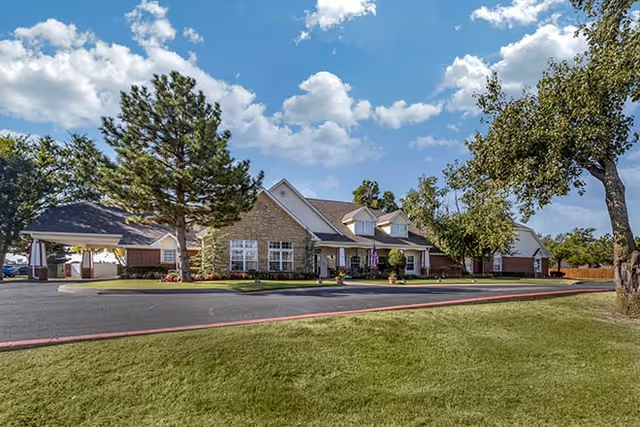
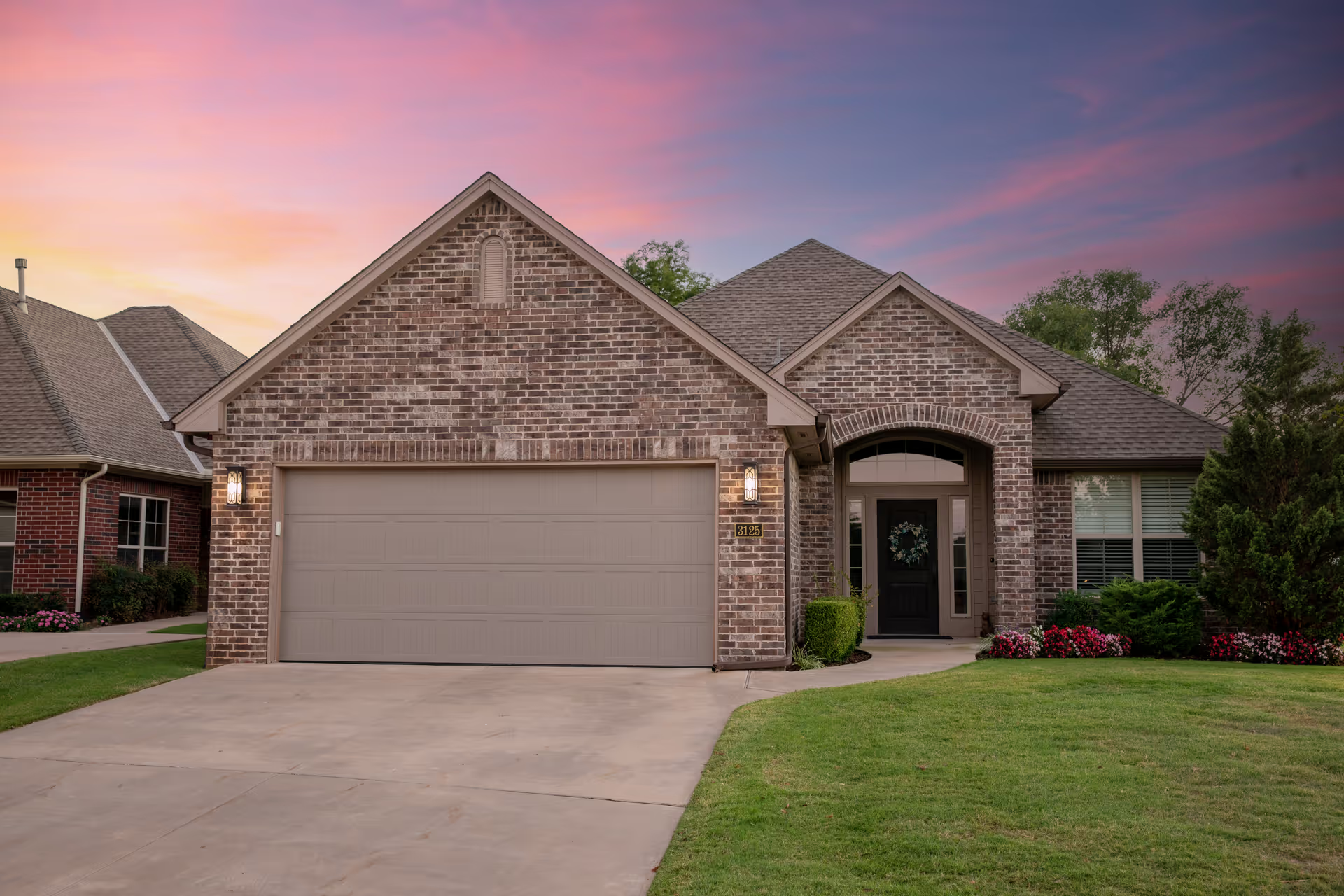
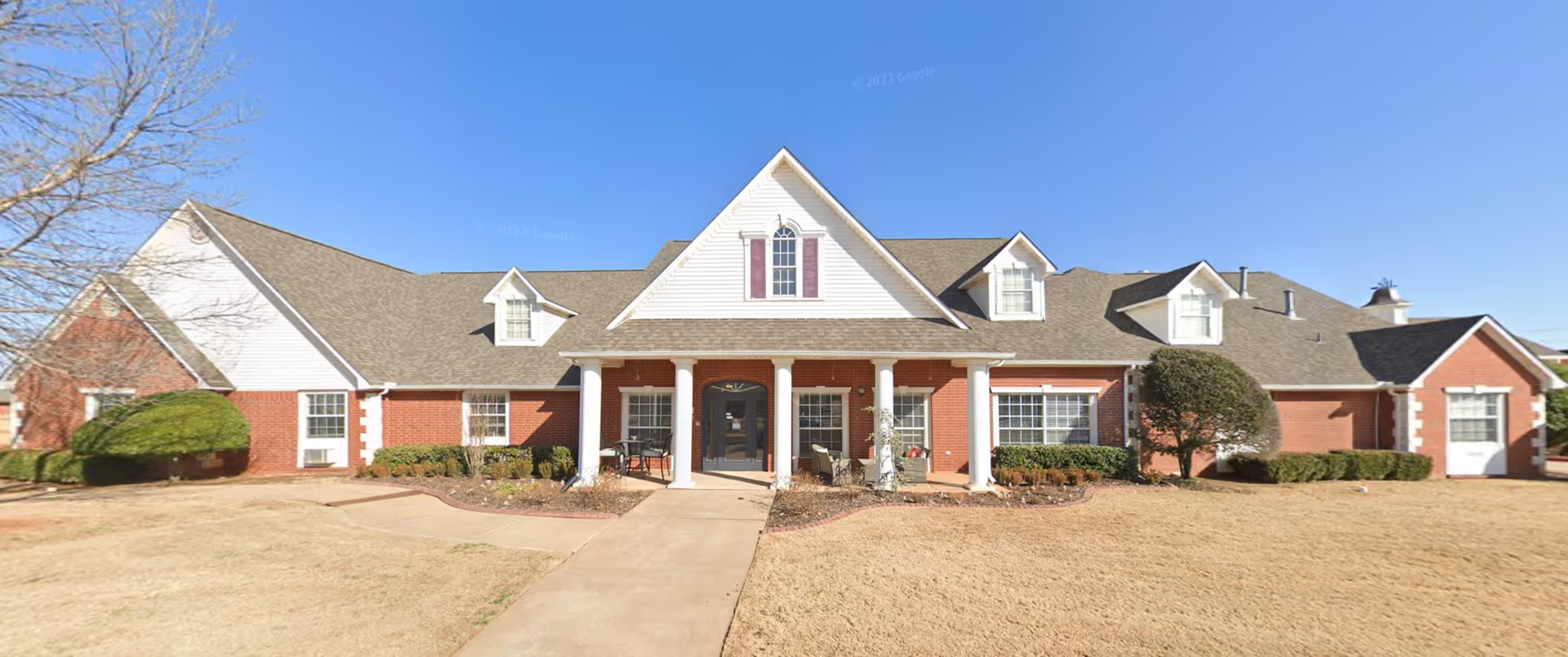
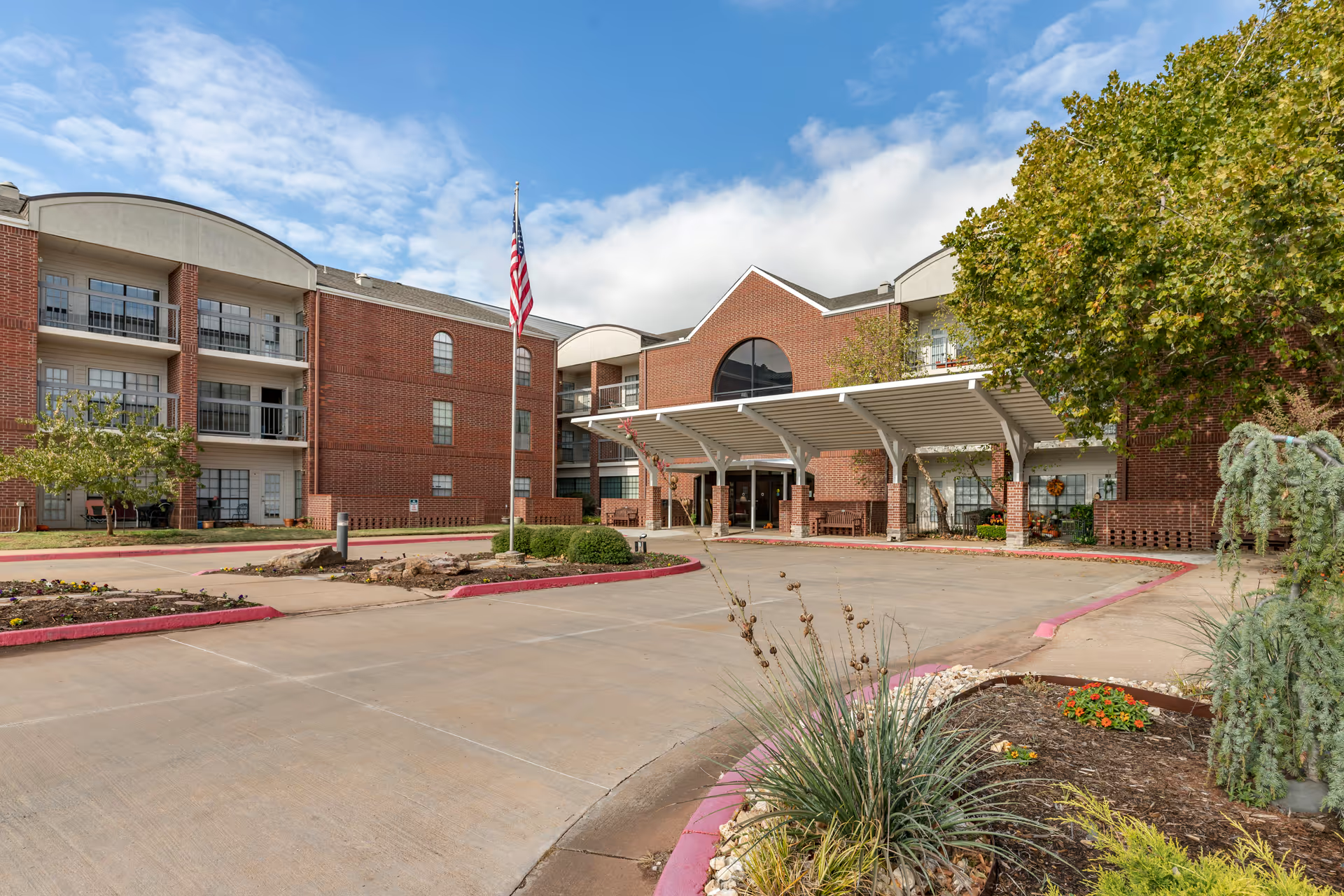
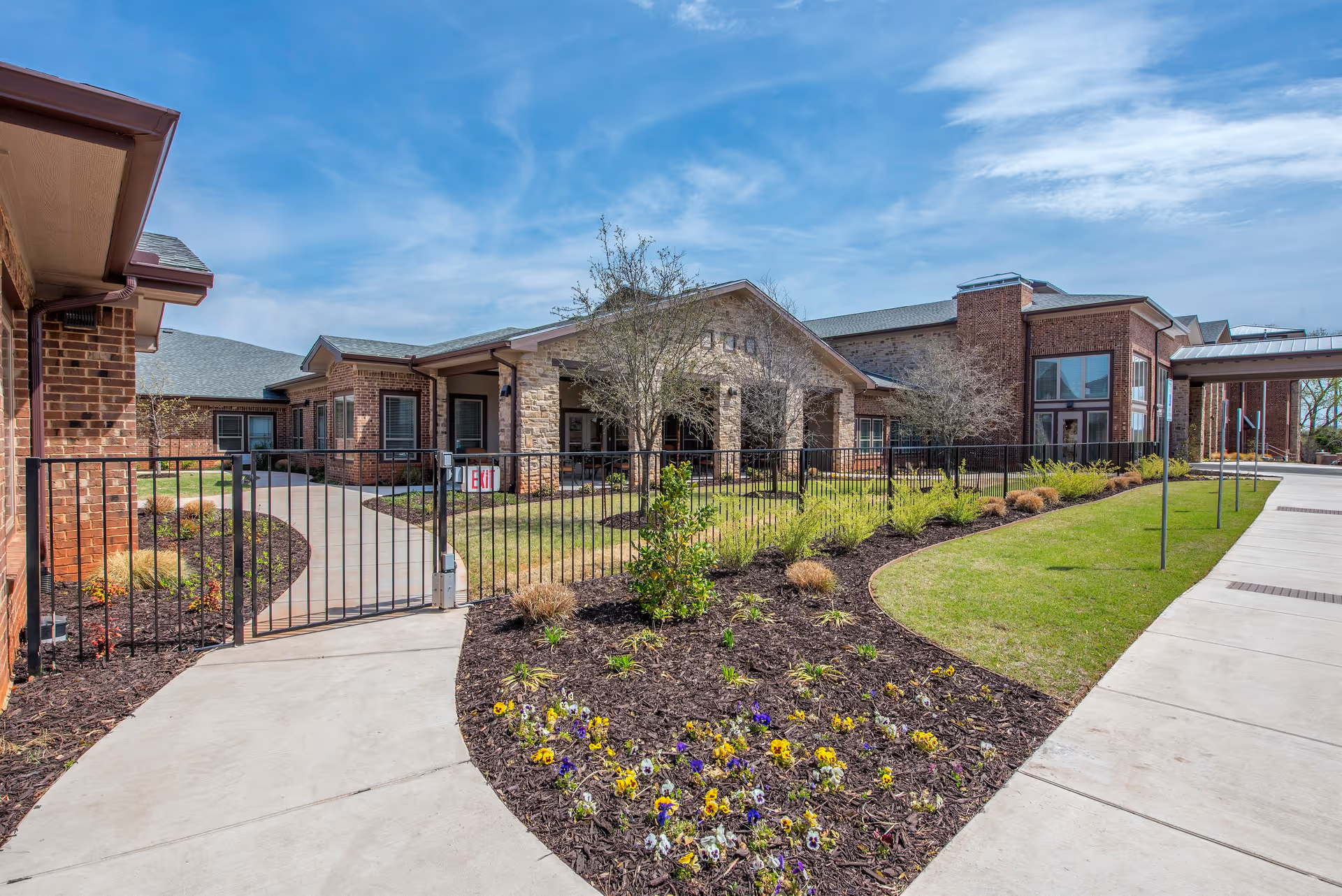
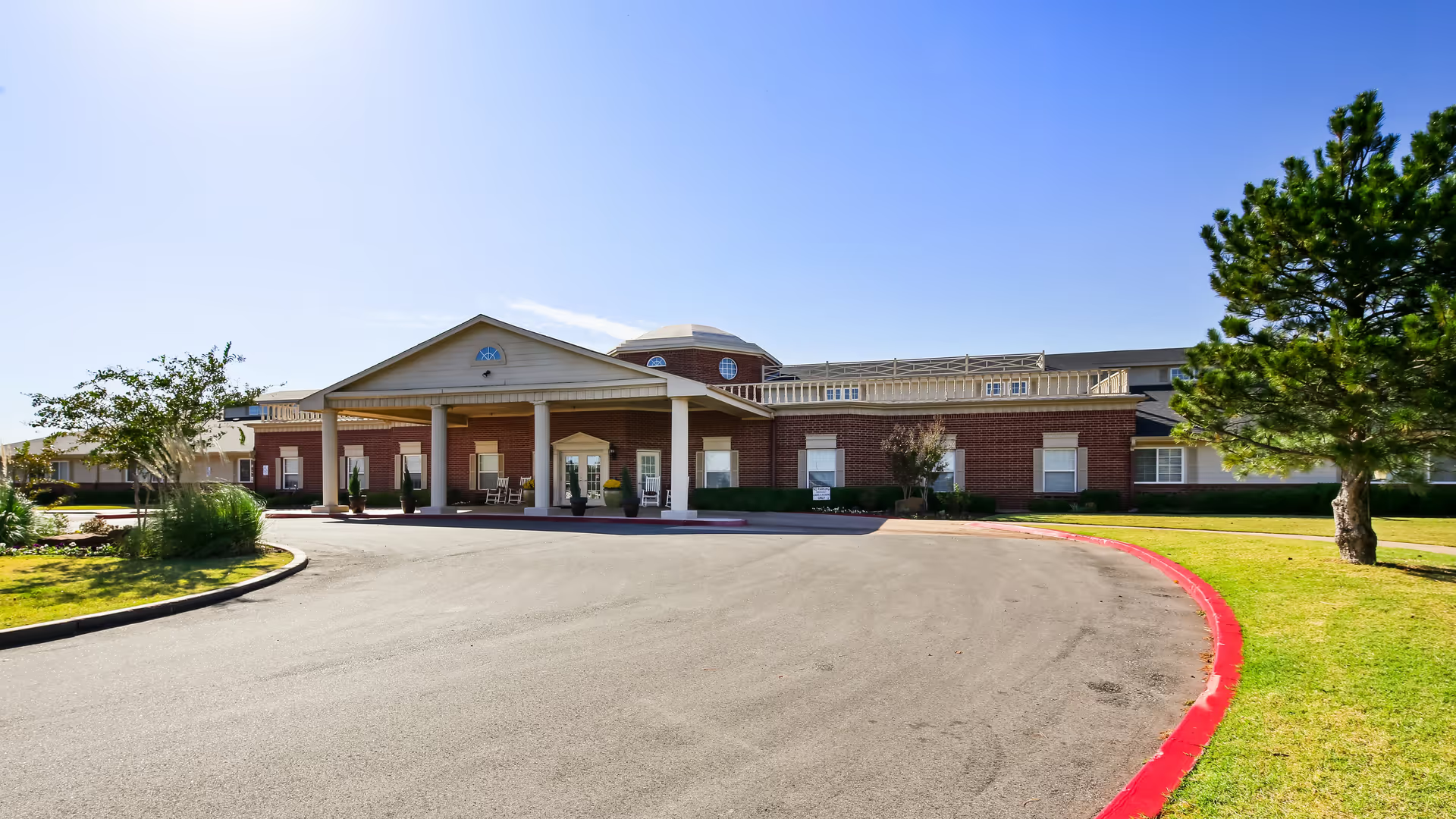
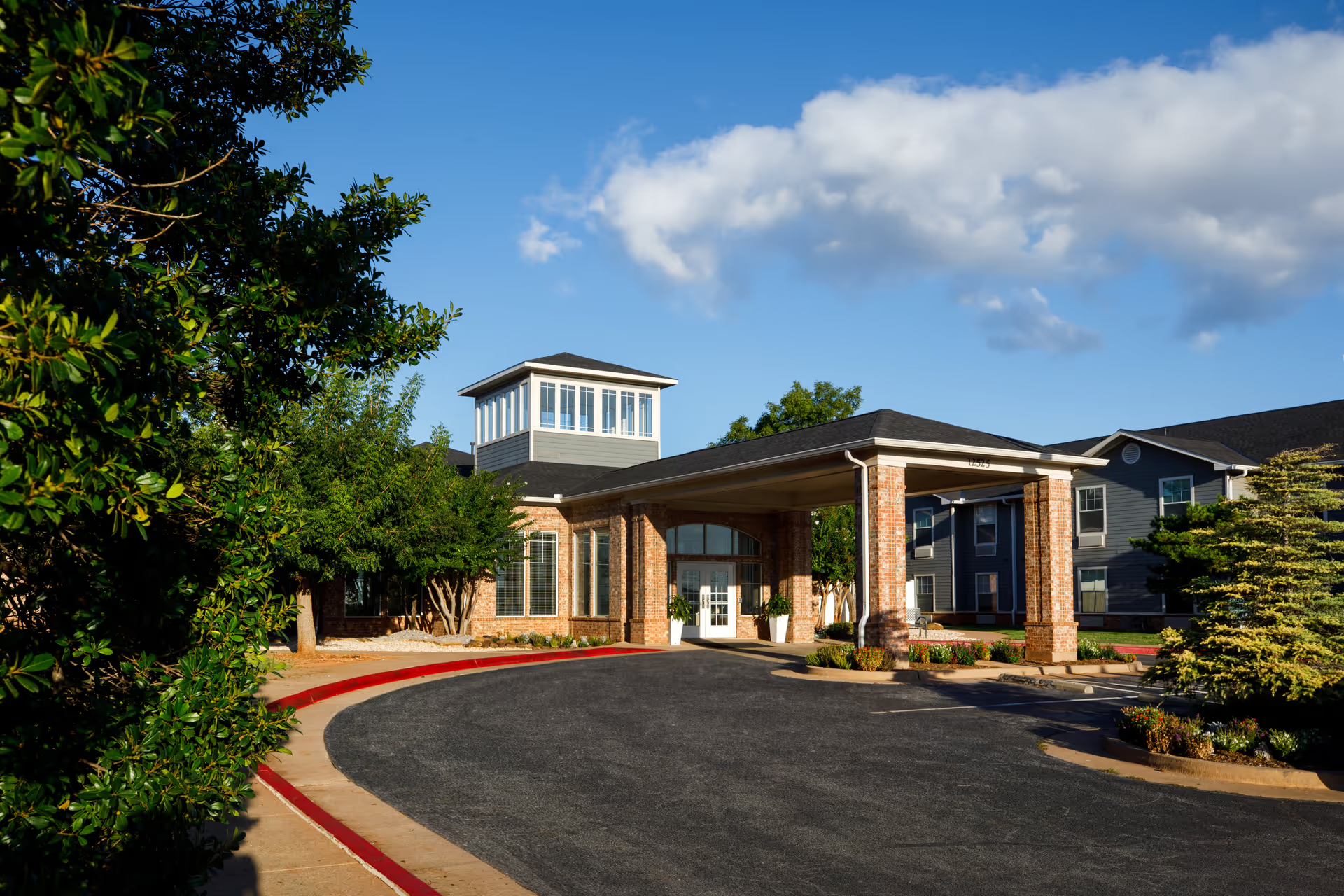
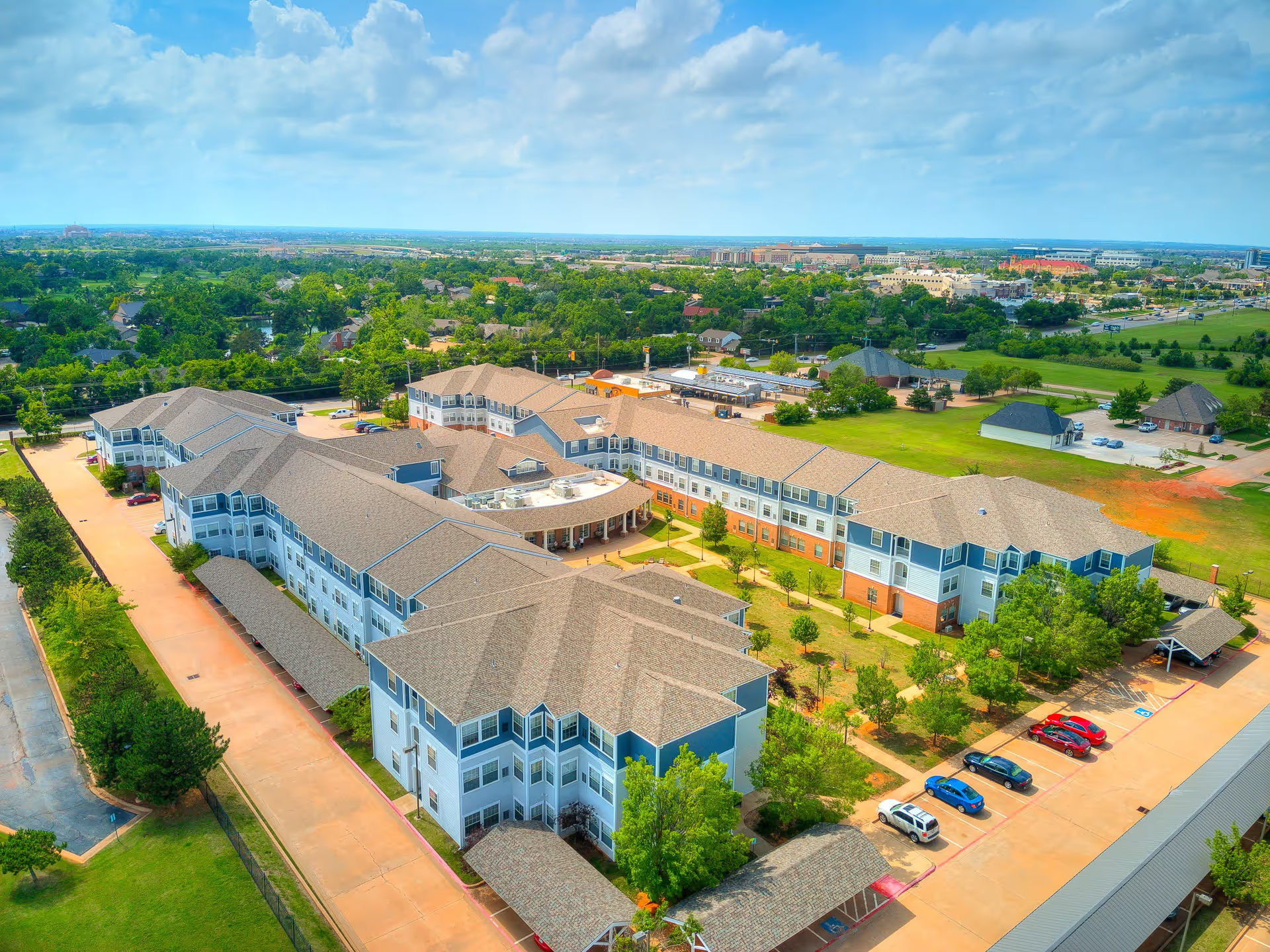
The physical plant and amenities are another area of contrast. Many reviewers appreciate attractive entryways, patios, gardens, cottages and community spaces; the campus location, parking and outdoor areas are positive features. At the same time, several areas of the building and resident rooms are described as dated and in need of HVAC, cosmetic, or room-level updates. Some reviews also cite sanitation and odor concerns in particular common areas, and intermittent problems with mobility or IV equipment availability.
Taken together, the pattern from reviews suggests that Villagio of Bradford Village can offer strong, compassionate care and effective therapy for many residents, particularly where individual staff members and directors are engaged. However, prospective residents and families should be aware of operational variability—notably staffing consistency, medication and clinical-response processes, food-service reliability, and the age-target of the community’s decor and programming. An in-person tour, meeting with nursing leadership, and direct questions about staffing ratios, medication administration protocols, therapy outcomes, and recent management changes are advisable to assess current performance and fit for a specific resident’s needs.