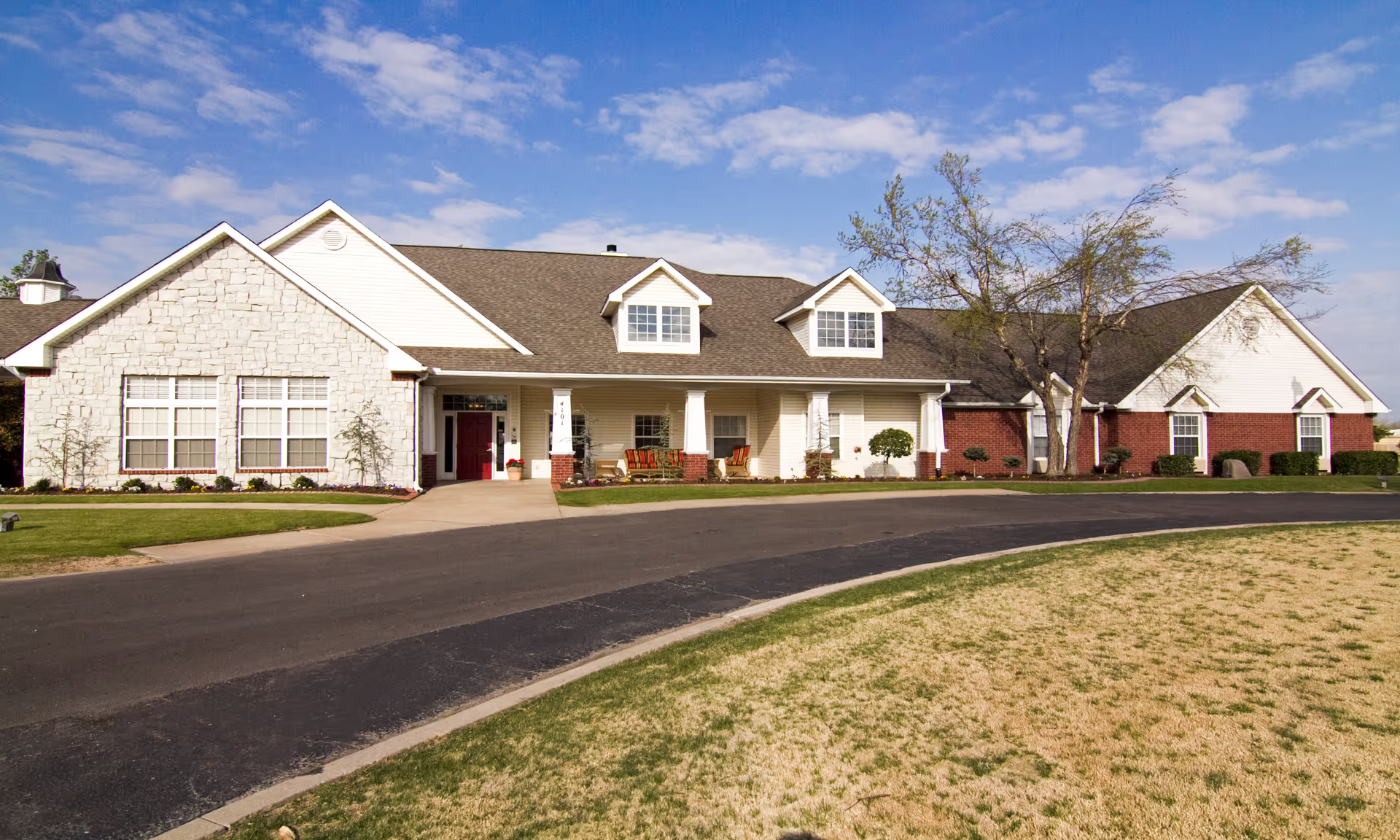
Overall assessment Homestead Assisted Living & Memory Care of Kingfisher is portrayed in these summaries as a facility with consistently strong direct-care staff, a homelike atmosphere, and active memory-care programming. The dominant themes are compassionate, respectful interactions between staff and residents, personalized attention from nursing and aides, and a high degree of family-style community engagement. Multiple comments emphasize expertise in memory care, attentive nursing leadership, and the presence of hospice support when needed.
Care quality and staff Care quality is described positively in most summaries. Reviewers highlighted attentive nursing aides, responsive nursing leadership, and specific instances where staff interventions were credited with stabilizing or improving a resident's condition. The facility is characterized as resident-centered, with staff who treat residents with dignity and provide individualized attention. At the same time, there are recurring operational concerns: some summaries point to inconsistent administrative communication, occasional lapses in medication-management practices, and perceived understaffing that contributes to pressure on caregivers. These items suggest strengths at the bedside combined with variability in higher-level clinical administration and staffing levels.
Dining and activities Dining receives generally favorable comments, including praise for an on-site chef and food that helped residents settle and gain weight or regain appetite. However, a minority of comments indicate variable meal quality, which points to intermittent inconsistency rather than a universal failing. Activities are a clear strength: the community facilitates outings, social events, regular spiritual visits, and a variety of engagement opportunities that support resident wellbeing and social connection.
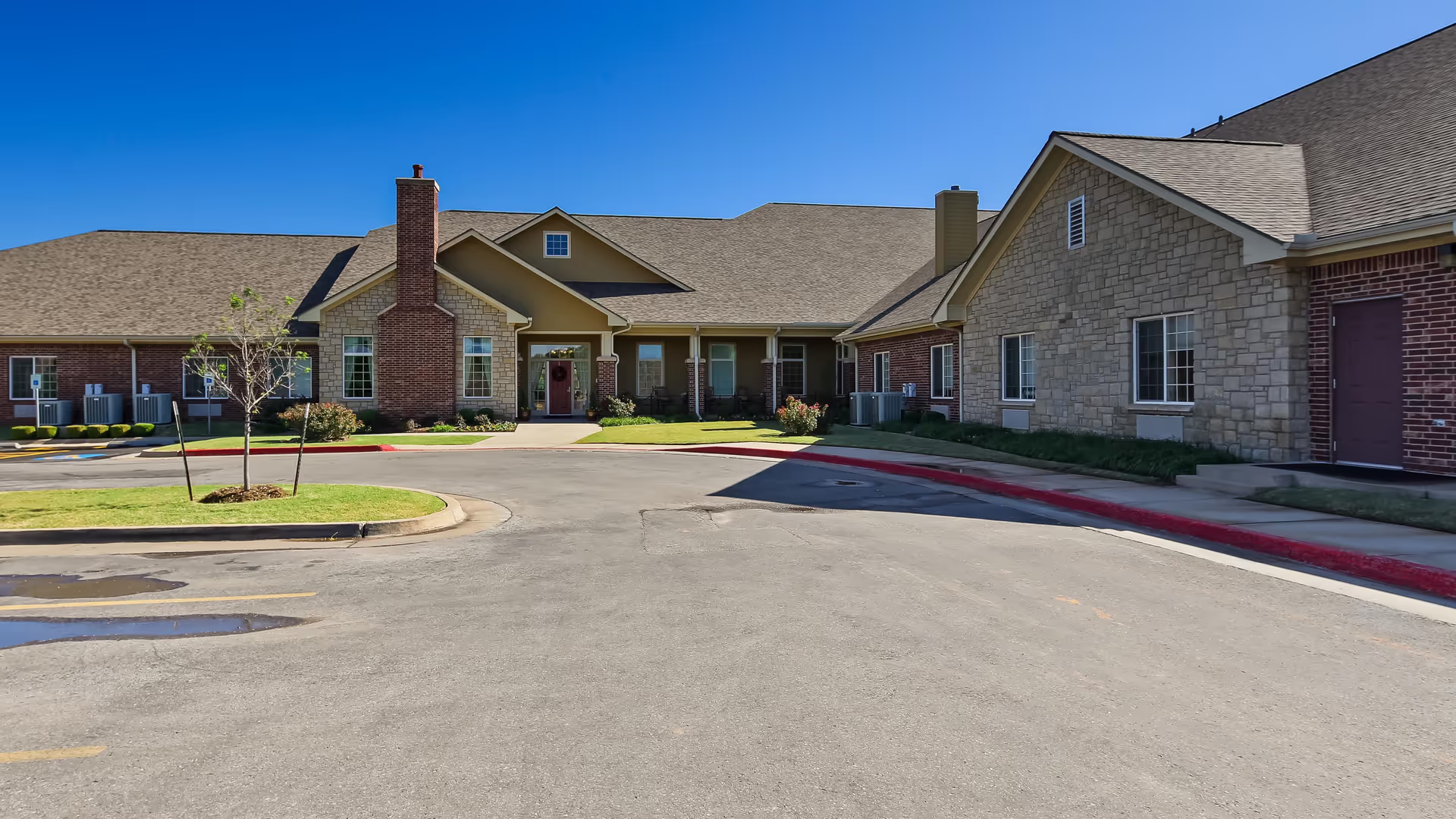
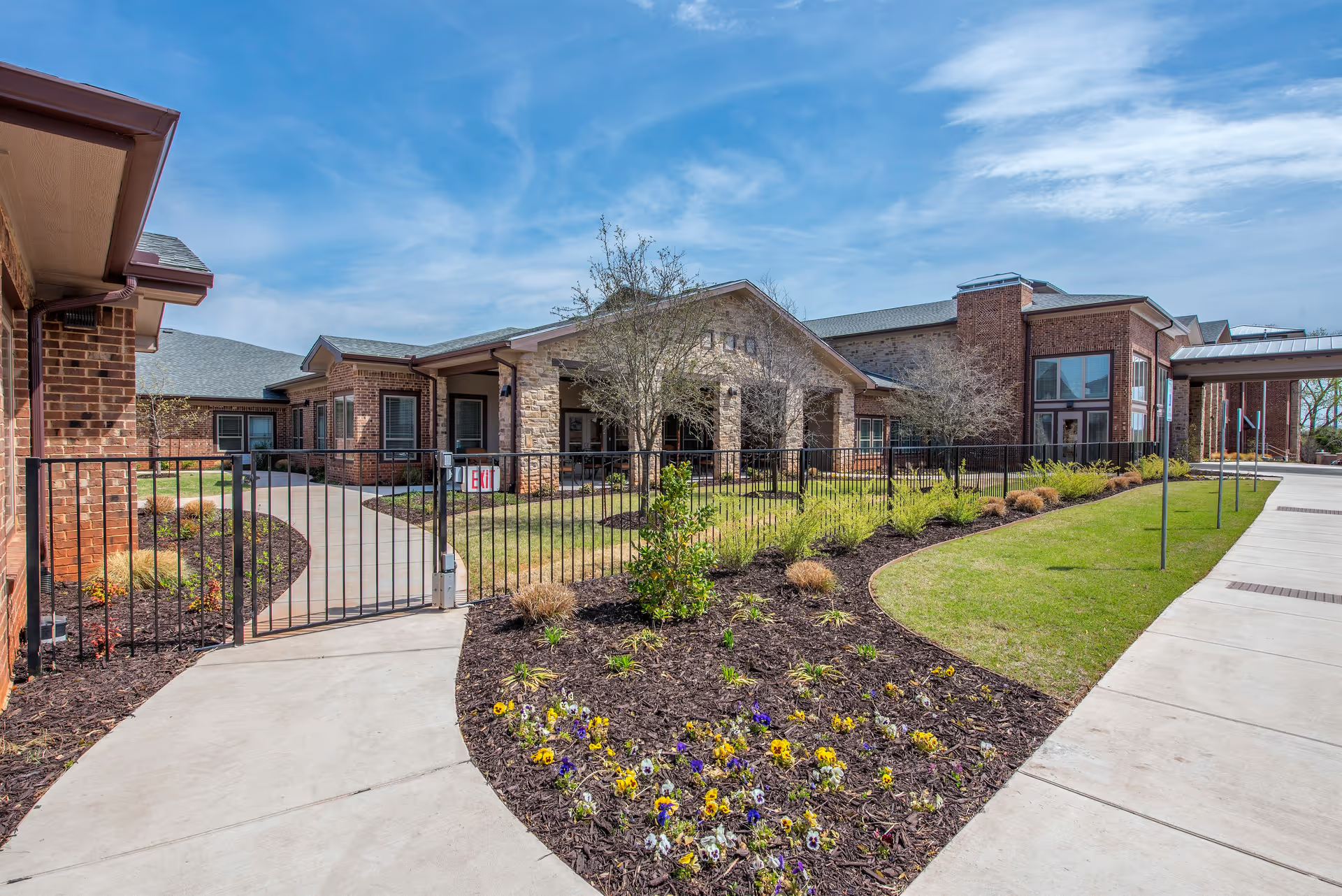
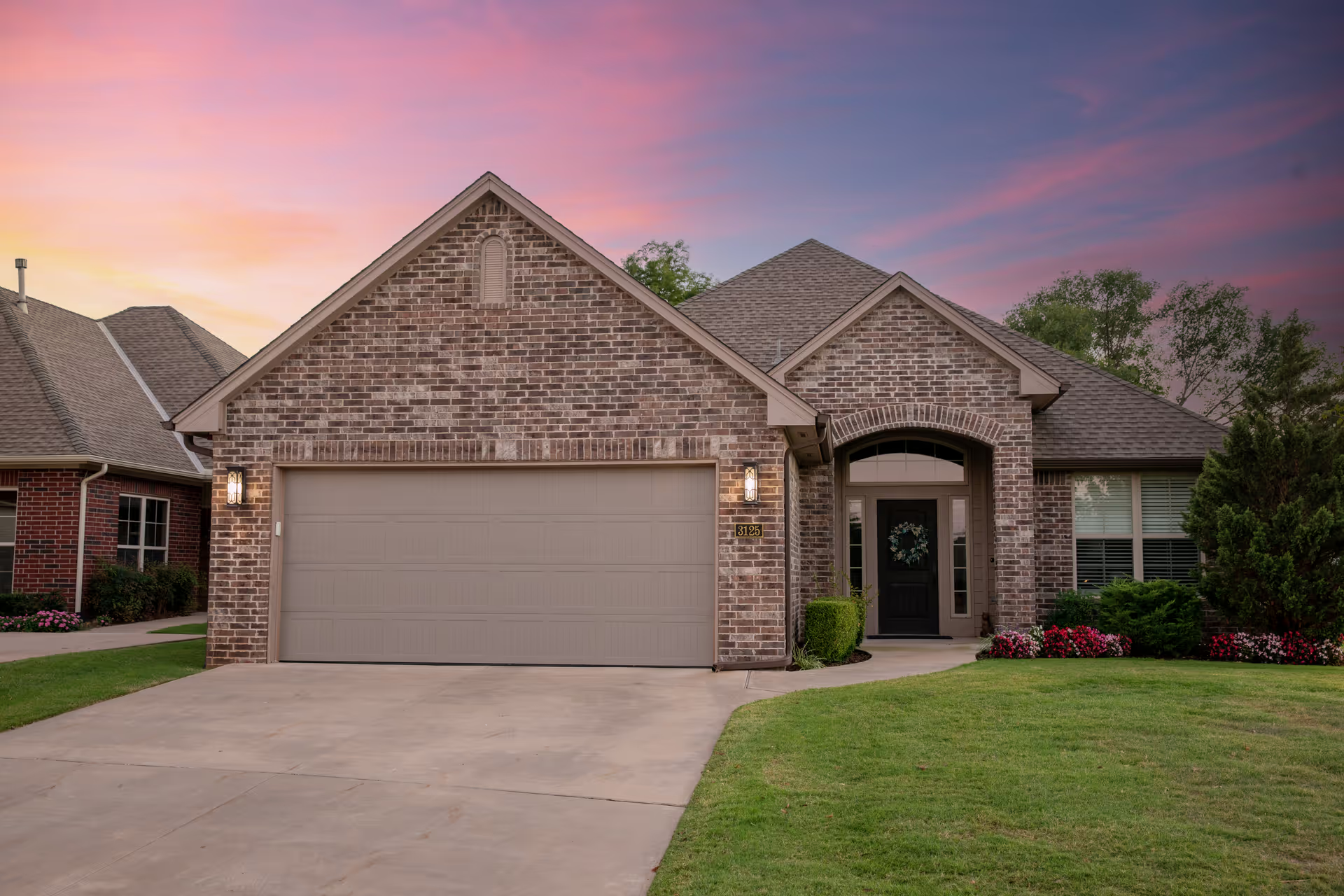
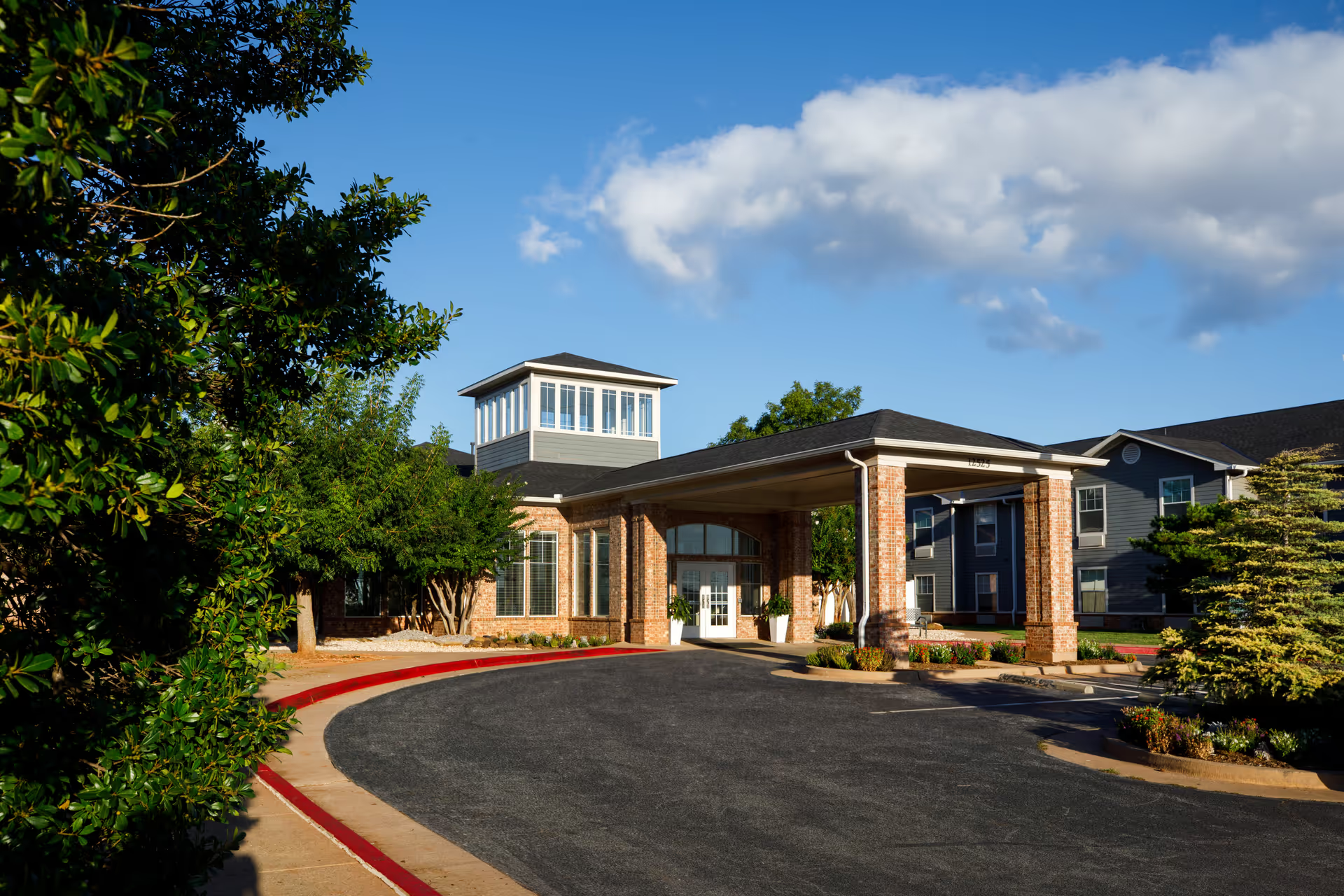
Facilities and environment Physical plant feedback is mostly positive. The facility is described as clean, well-maintained, and recently remodeled, with modernized, cozy rooms and accessible bathrooms. Private living quarters and communal gathering and dining spaces contribute to a welcoming environment. A counterpoint is variability in unit size—some residents found rooms smaller than expected—and the presence of ongoing renovation work, which can create temporary disruption during projects.
Management and patterns to consider Leadership and administrative responsiveness are mixed in these summaries. Several reviewers praised supportive managers and specific staff members who facilitated strong communication and transitions; others described distrust of management, poor communication, or insufficient administrative oversight. Related operational themes include concerns about medication-management consistency and staffing levels, with comments calling for higher pay and better staffing to match care needs. These items indicate that while direct caregivers generally receive strong marks, organizational systems and managerial consistency are areas that may require attention.
Bottom line For prospective residents and families, the facility appears to offer a warm, socially engaging environment with skilled front-line caregivers and a capacity for memory-care and hospice services. Strengths include staff compassion, active programming, clean renovated spaces, and generally good dining. Consider assessing administrative practices, medication-management protocols, staffing ratios, and the impact of ongoing remodeling during a tour. Asking for recent staffing rosters, medication-administration policies, and examples of how the community communicates about clinical incidents will help clarify whether the facility’s organizational practices align with your expectations.