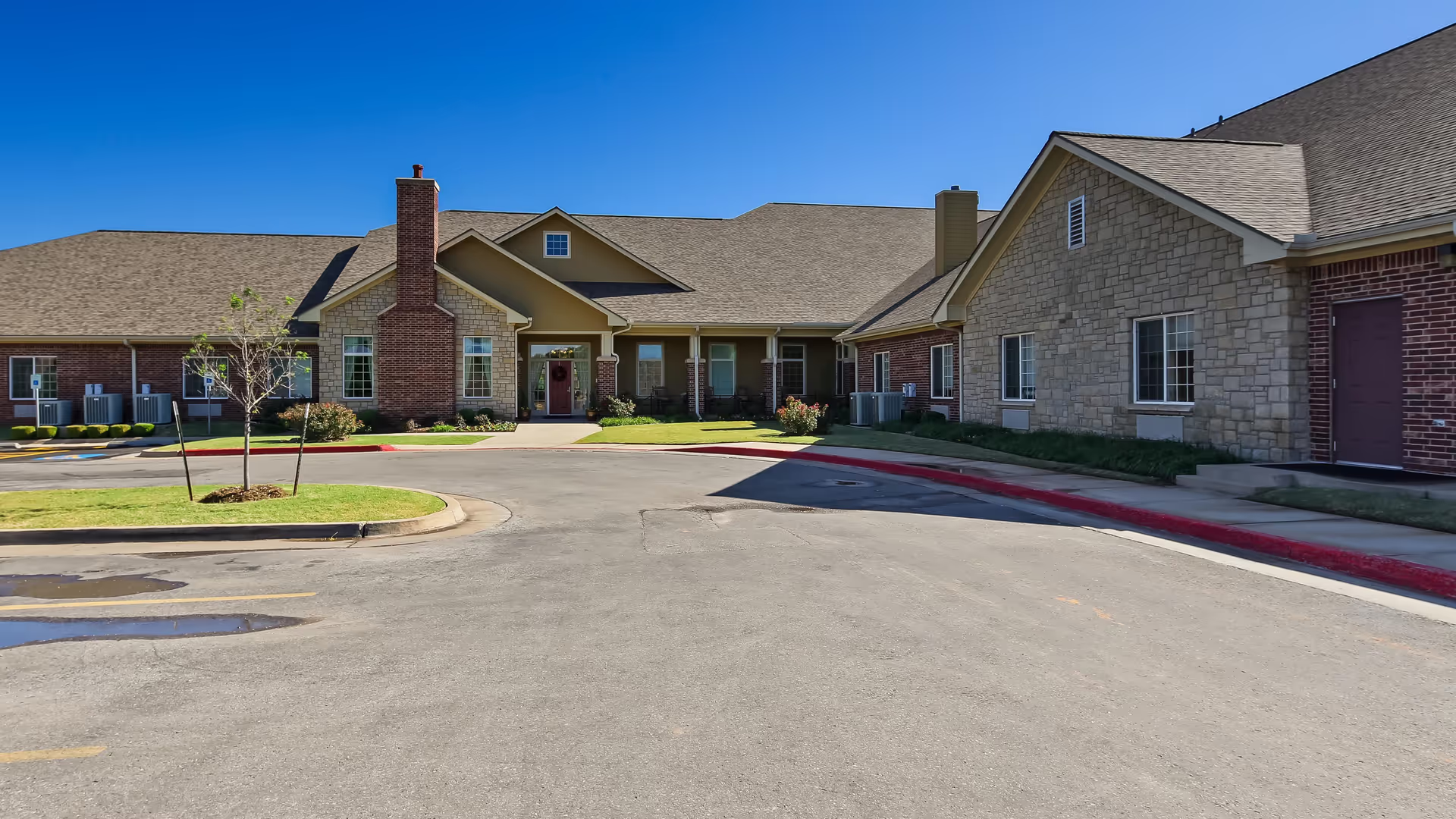
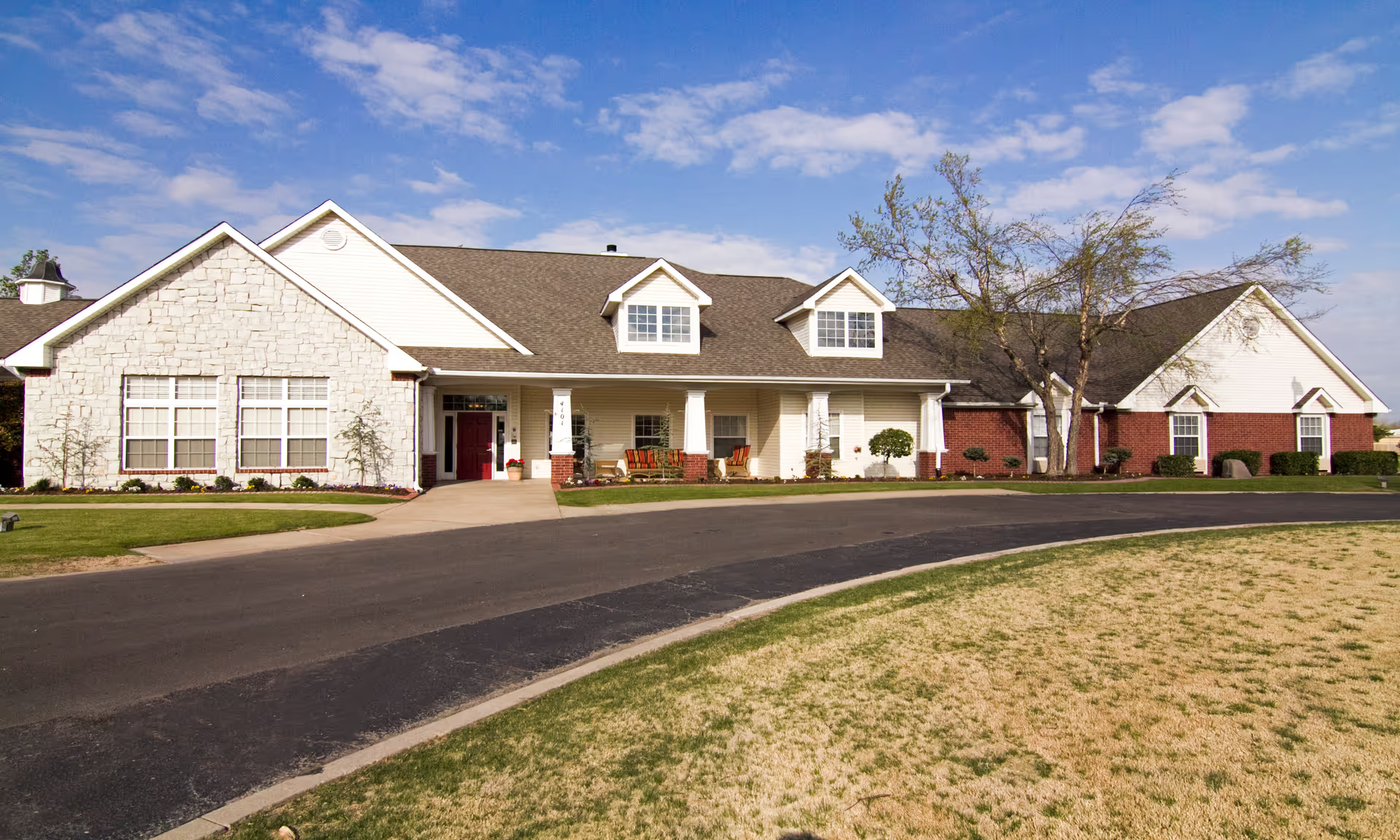
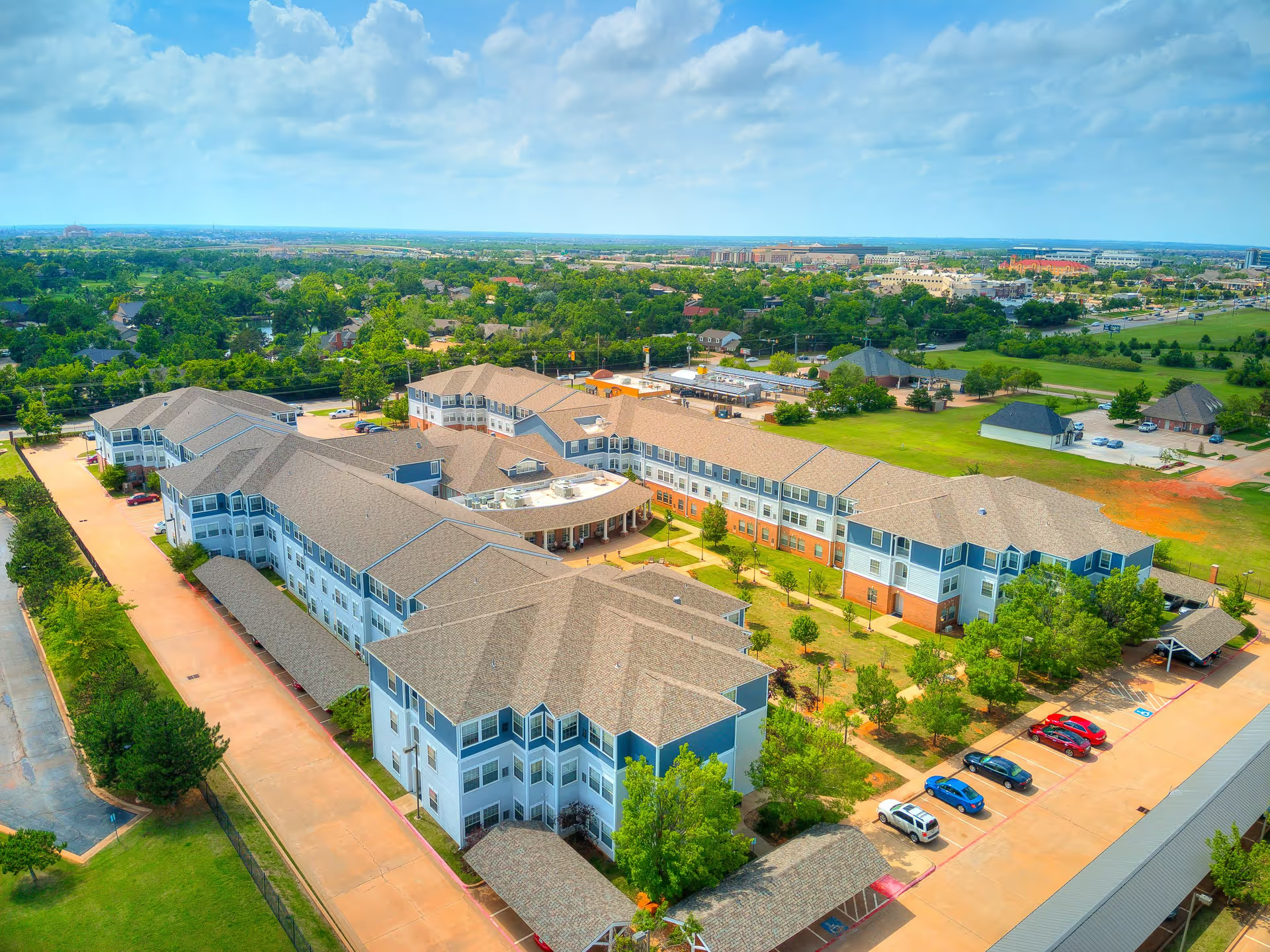
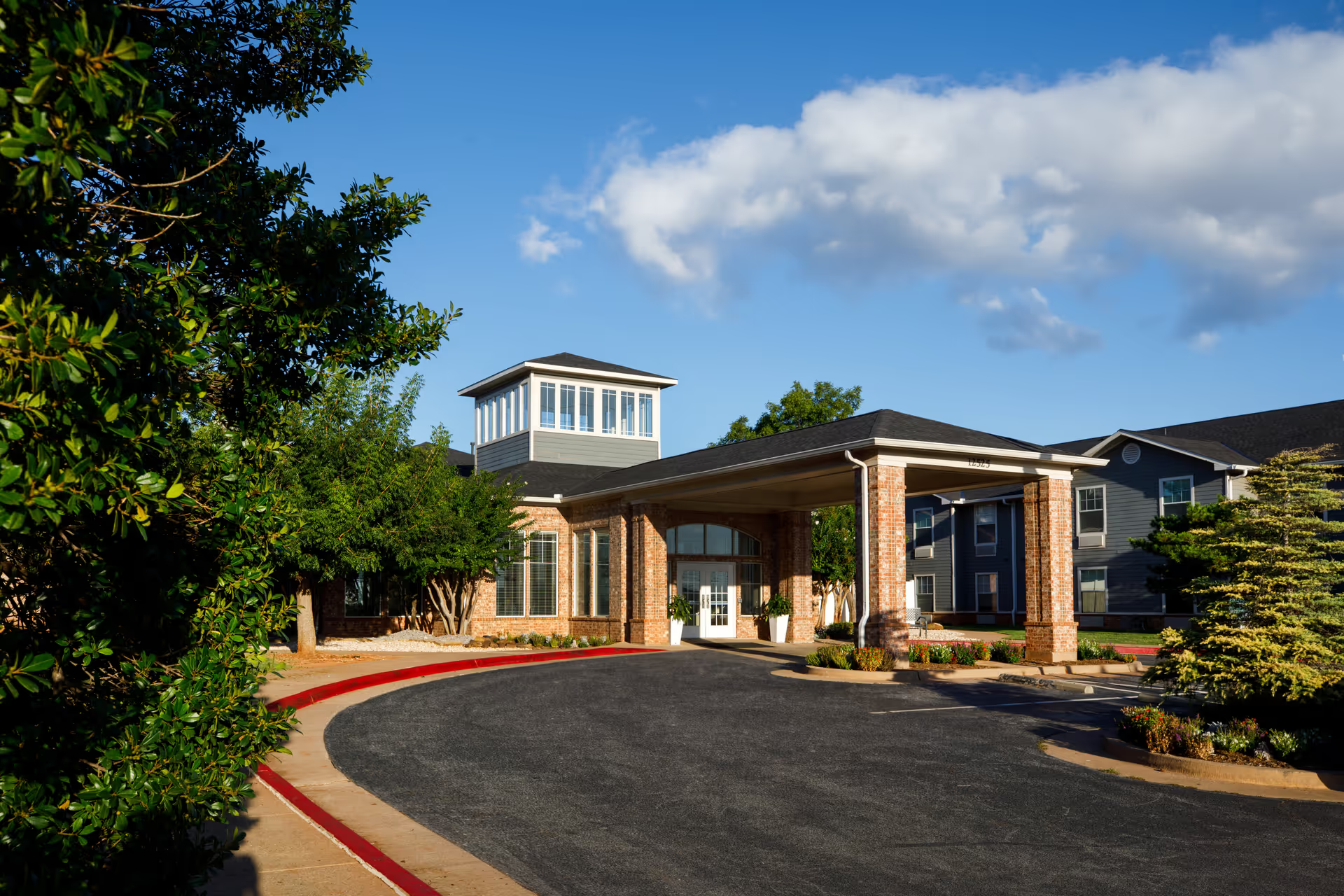
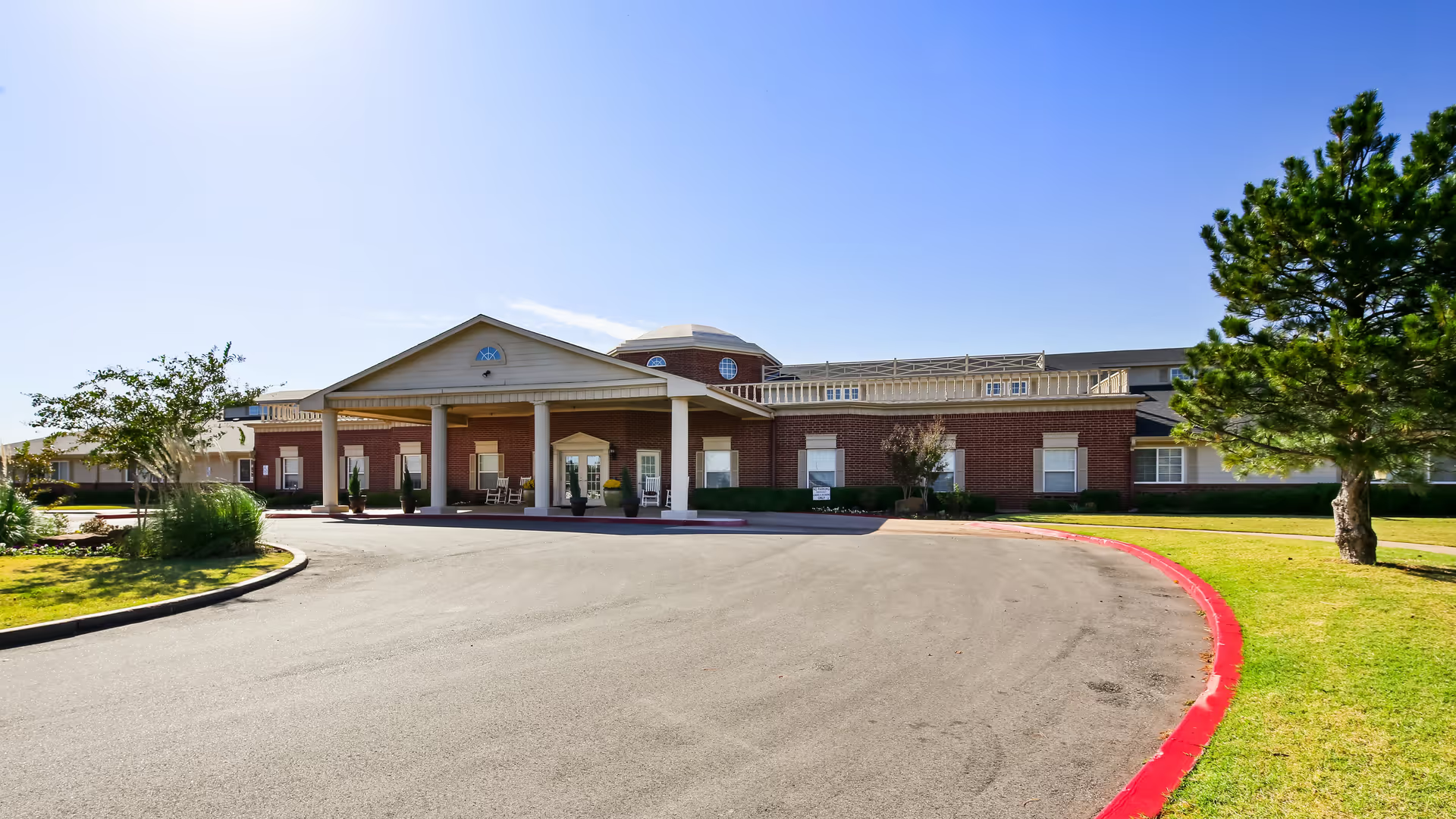
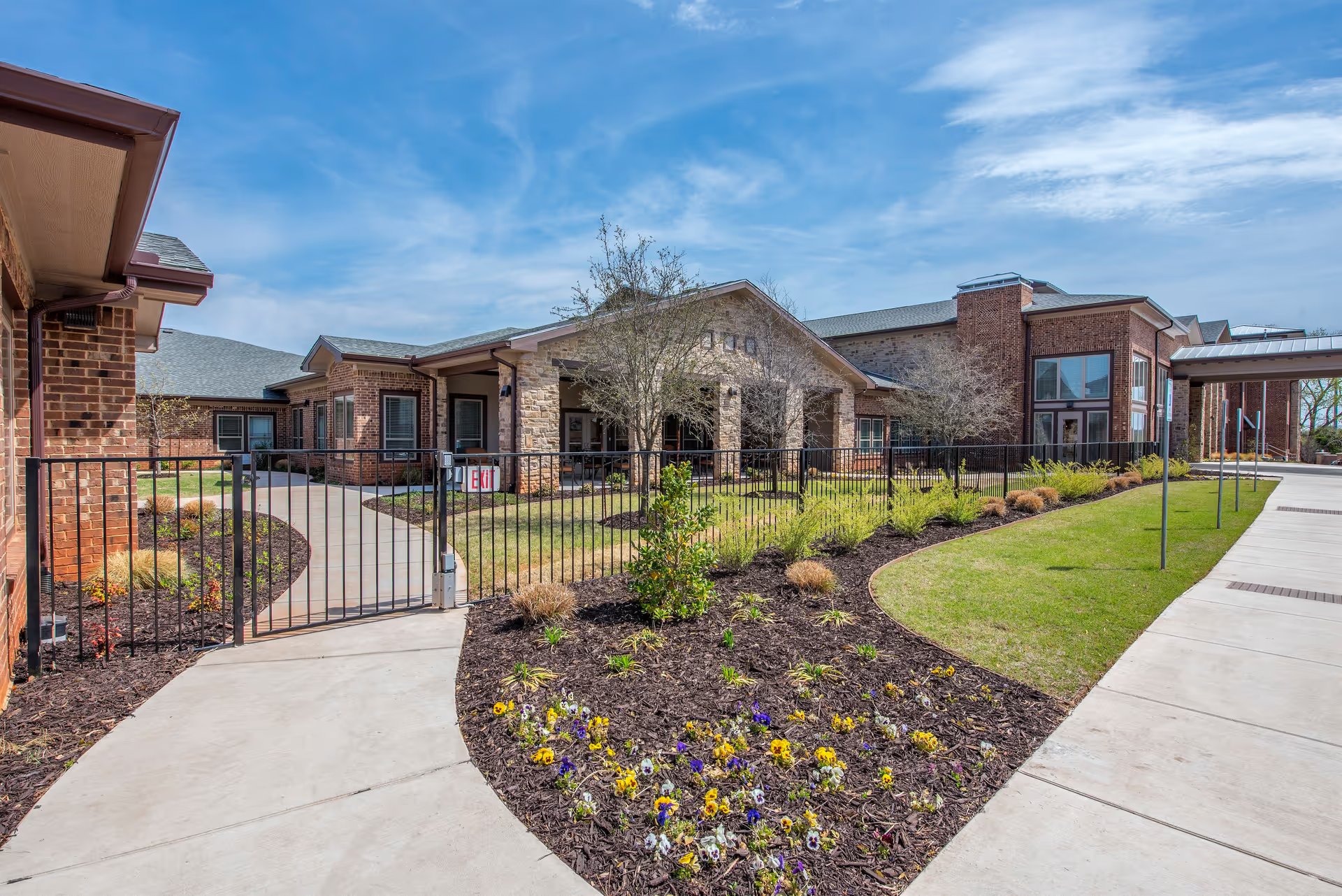
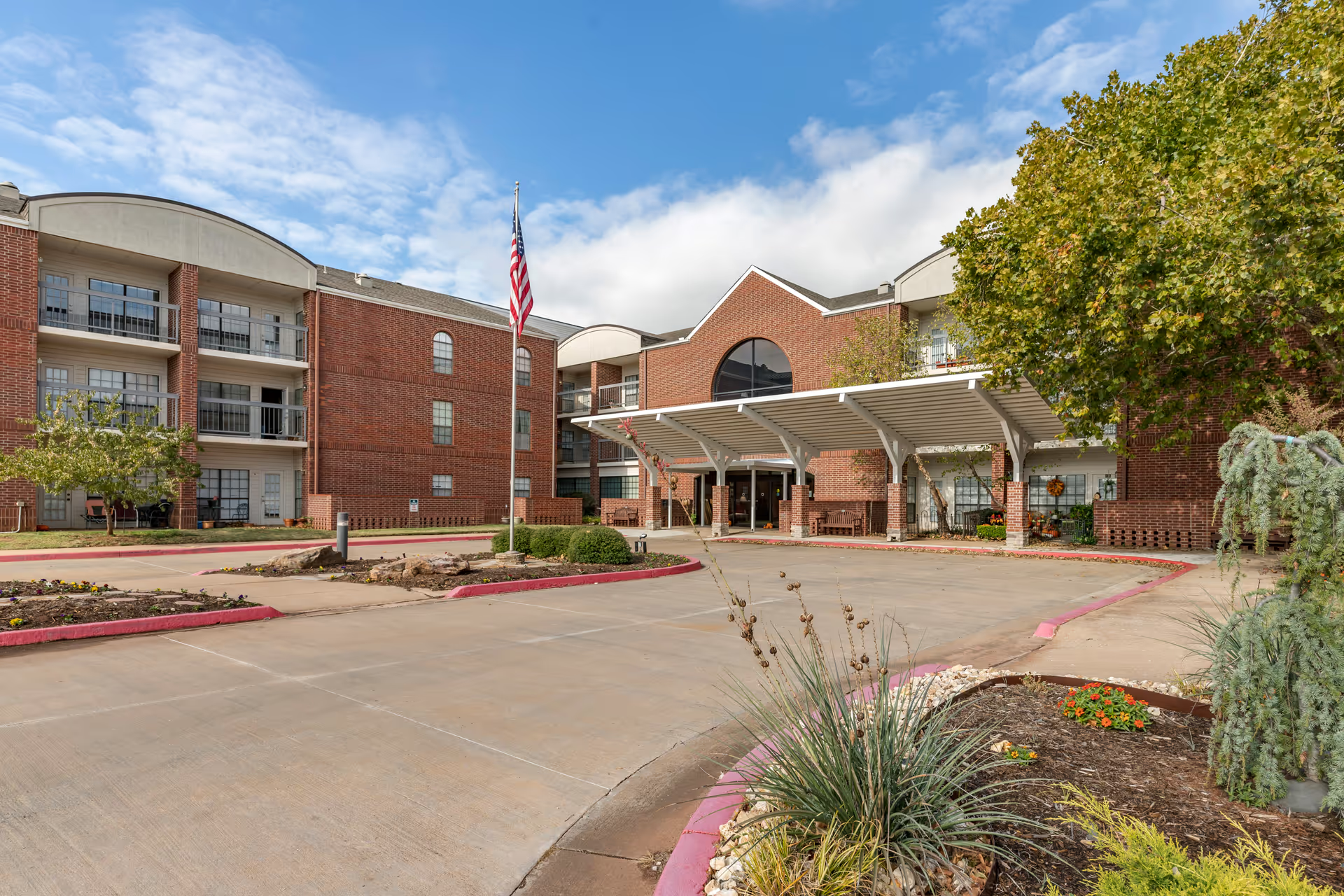
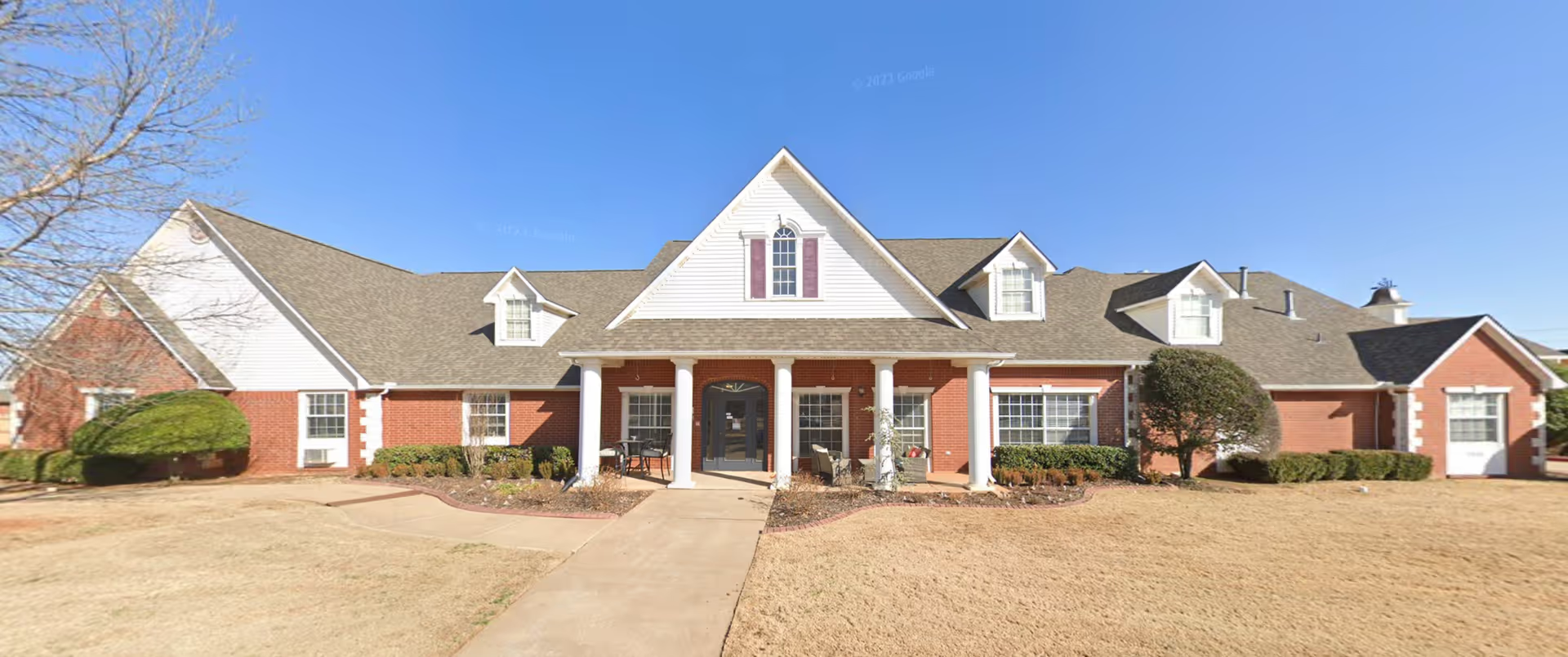
Concordia Life Care Community presents as an upscale, modern senior living campus with substantial amenities and a broad continuum of care. Reviewers consistently describe an attractive, well-maintained facility offering integrated independent and assisted living neighborhoods and access to skilled nursing. The community emphasizes active programming, a robust wellness offering, and a wide amenity set — including library space, pool, gift shop, meeting rooms, and regular transportation for trips — which many families and residents find engaging.
Care availability is a clear strength in structure: the campus supports transitions from independent living through assisted care to skilled nursing, which is appealing for long-term planning. Direct-care staff are frequently characterized as attentive, compassionate, and willing to go beyond basic duties. At the same time, reviewers raise operational concerns that affect perceived care quality. Key patterns include staffing instability and high turnover among nurses, housekeeping, and dietary staff; inconsistent clinical responsiveness during acute events; and gaps in communication with families. These issues suggest variability in continuity of care and response times rather than a uniform standard of clinical performance.
Dining and food services draw mixed feedback. Several accounts praise the dining program for good selection and quality, while others describe inconsistency in meal preparation and concerns about meal delivery reliability. Additional costs for meal delivery and other add-on services were noted as a recurring concern, contributing to the overall cost of residency. Cost is otherwise a prominent theme: the community is viewed as expensive, with price differentials by floor and a number of optional services that increase monthly expenses.
The social and activity program is a definite asset for residents seeking engagement. Organized activities include games, Bridge, continuing-education lectures, exercise classes, holiday and birthday events, and invitation-based church services. The community’s size fosters a close-knit atmosphere for some residents; however, a subset of reviewers found programming either too intense or not sufficiently attended by the broader resident population, indicating that activity schedules and participation levels may not suit every individual.
Facility-level observations are largely positive around design and cleanliness of the campus, but there are isolated operational concerns that prospective residents should evaluate. Several reviewers noted odor issues and instances of mold in particular units or baseboards, along with inconsistent housekeeping follow-through. Parking for visitors and future-resident reserved spots was also identified as constrained. Apartment types vary in size; while two-bedroom units with full kitchens are available, some apartments (including studios) are described as smaller with limited closet space.
Prospective residents and families should balance the community’s strong amenities, active programming, and integrated care options against the operational constraints highlighted by reviewers. Recommended topics to address during a tour or follow-up conversations include staffing ratios and turnover, clinical-response protocols and family communication practices, housekeeping and pest/mold-control procedures, rehab and therapy capacity, parking availability, and a clear breakdown of fees and optional service charges. Multiple in-person visits and conversations with current residents or families may help clarify how consistently the facility delivers on its strengths and whether the operational weaknesses align with a prospective resident’s priorities.