The review set presents a mixed but clear pattern: many families praise the facility's physical environment, mealtime quality, and a cohort of dedicated caregiving staff—particularly during daytime hours—while others raise operational and consistency concerns that influenced their overall experience.
Care and clinical oversight: Numerous accounts describe compassionate, hands-on daytime caregivers who know residents and support transitions. Several reviewers noted positive dementia-aware practices and effective advocacy from floor staff. Counterbalancing those positives are repeated concerns about inconsistent personal care (timing of bathing, laundry and weight monitoring) and instances of delayed nursing responsiveness. Staffing shortfalls and turnover were frequently cited as root causes of these care inconsistencies; families described scenarios in which nonclinical staff assisted with personal care tasks and where nighttime coverage appeared less prepared for dementia-related behaviors.
Staff and training: Many reviewers singled out individual staff members and teams as kind, responsive, and helpful in settling residents. At the same time, reports point to variability across shifts—day teams often being stronger than evenings or nights—and to high staff turnover that affects continuity. There are also notes about concerns regarding staff conduct and the need for stronger training in dementia-specific de-escalation and behavioral approaches.
Dining and activities: The facility receives strong praise for flavorful, homemade-style meals, accommodation of dietary needs, and an on-site salon. Some families described good variety and organized outings. However, there are conflicting accounts about portion sizes and consistency of meal service, and several reviewers reported that promised activities were not always delivered as scheduled. Activity programming appears to be a strength when staffed appropriately but uneven when staffing is limited.
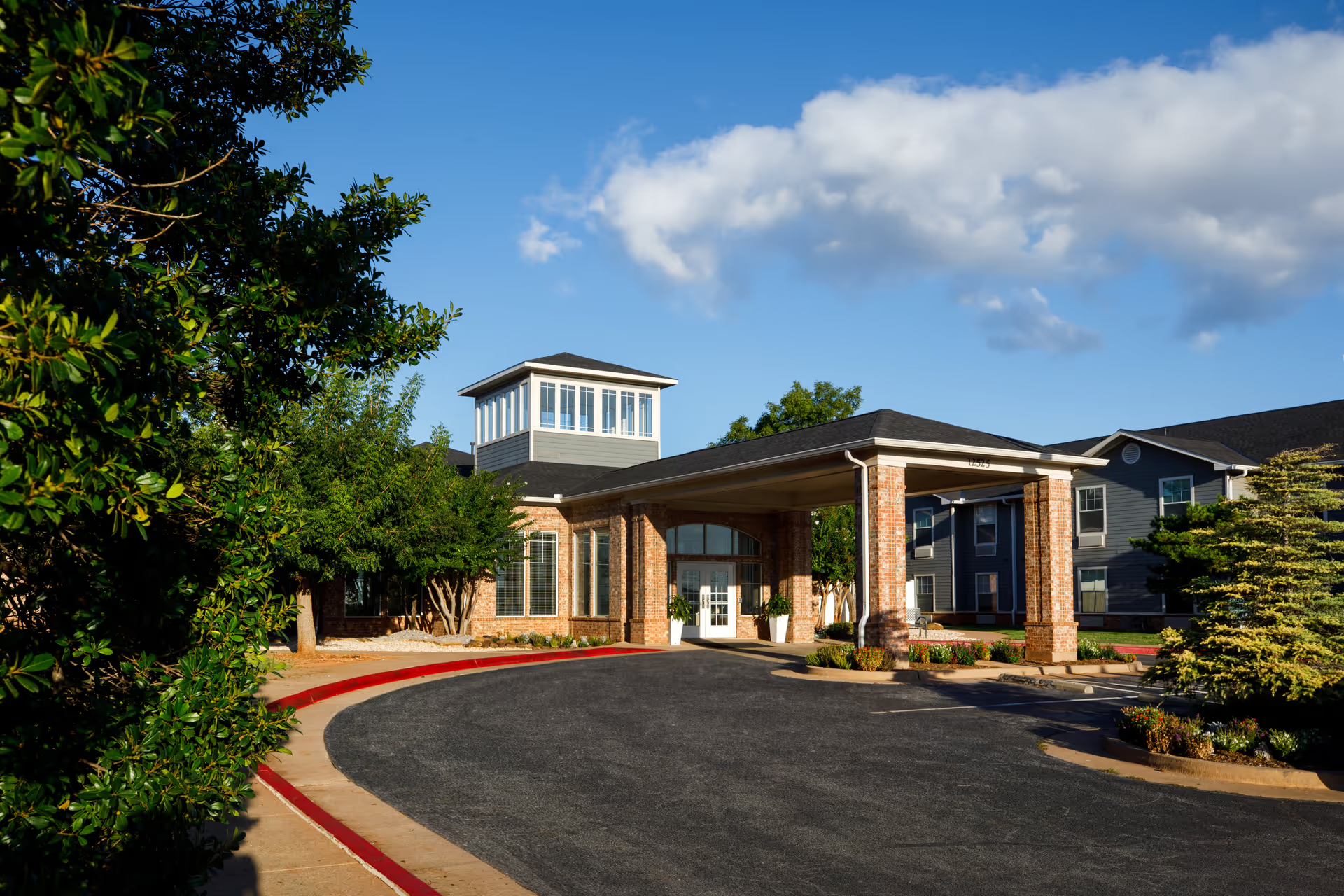
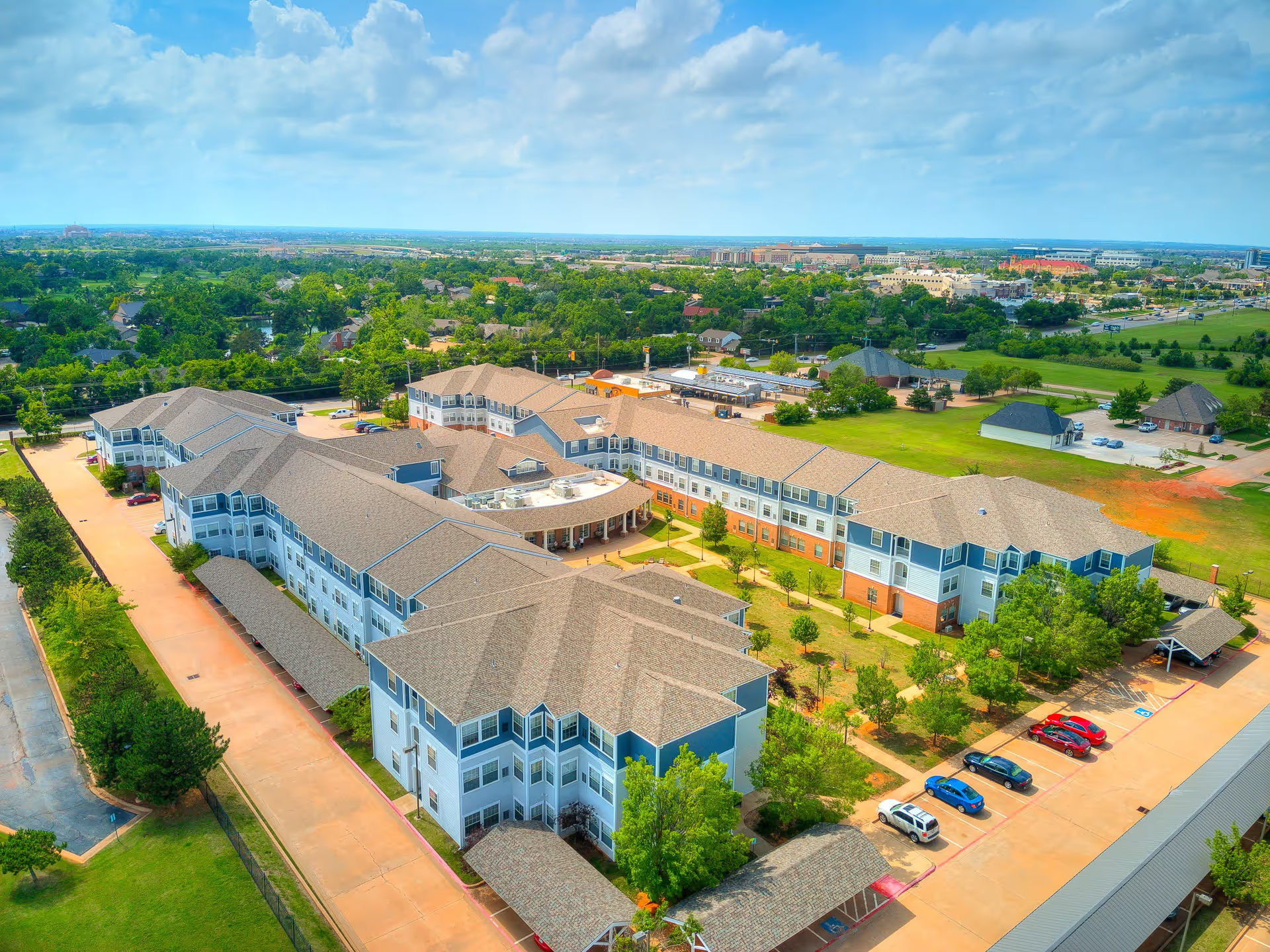
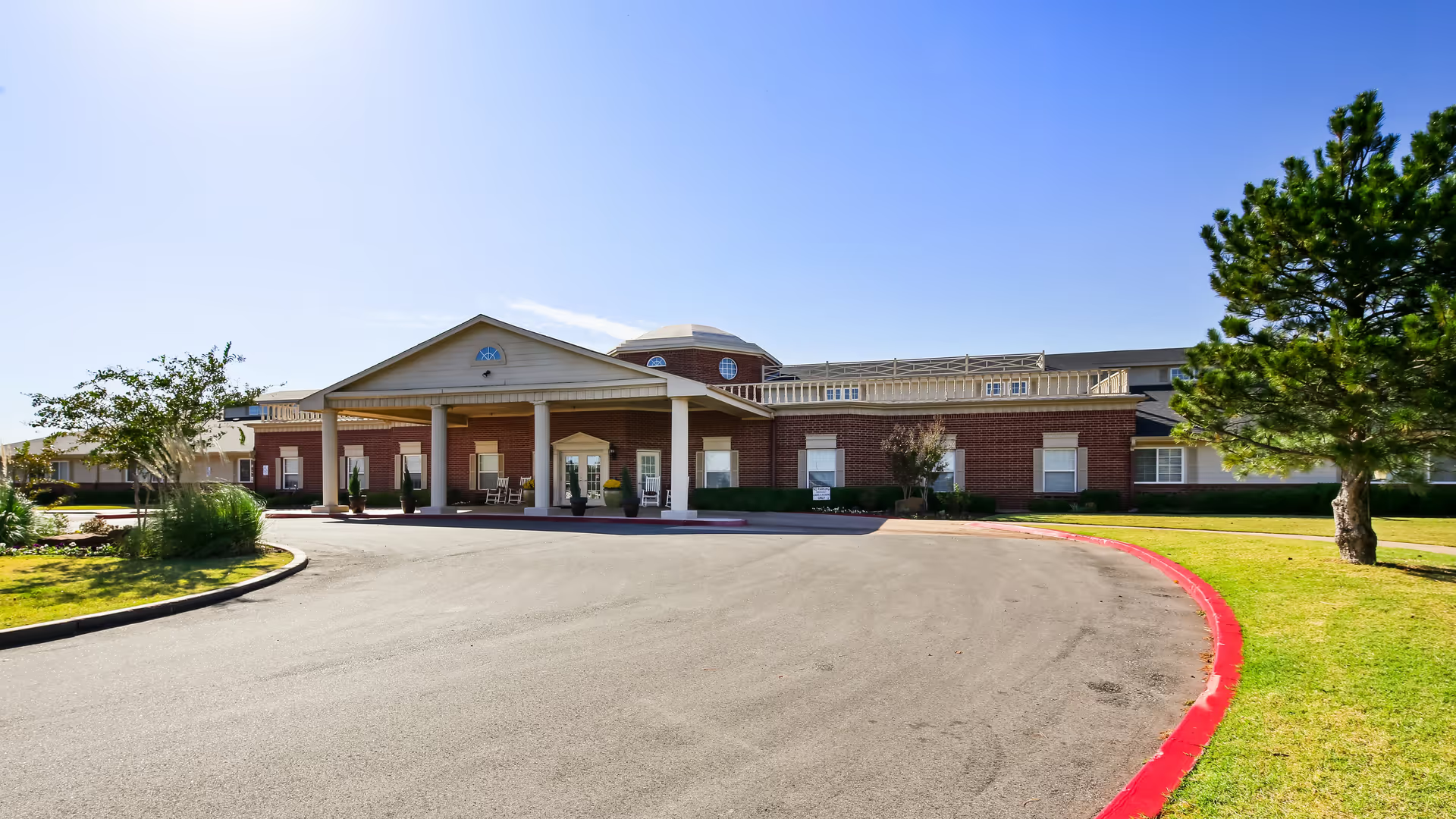
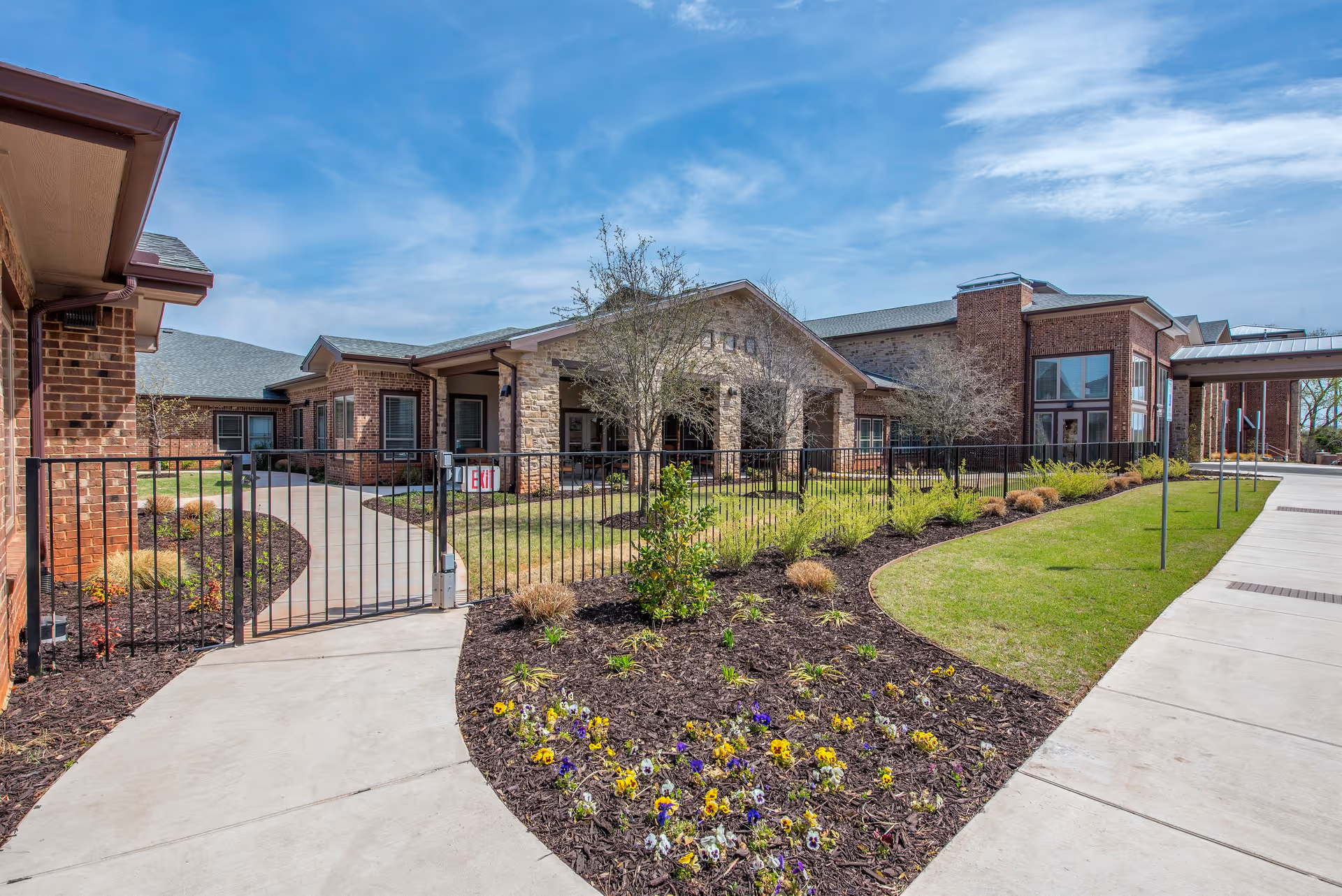
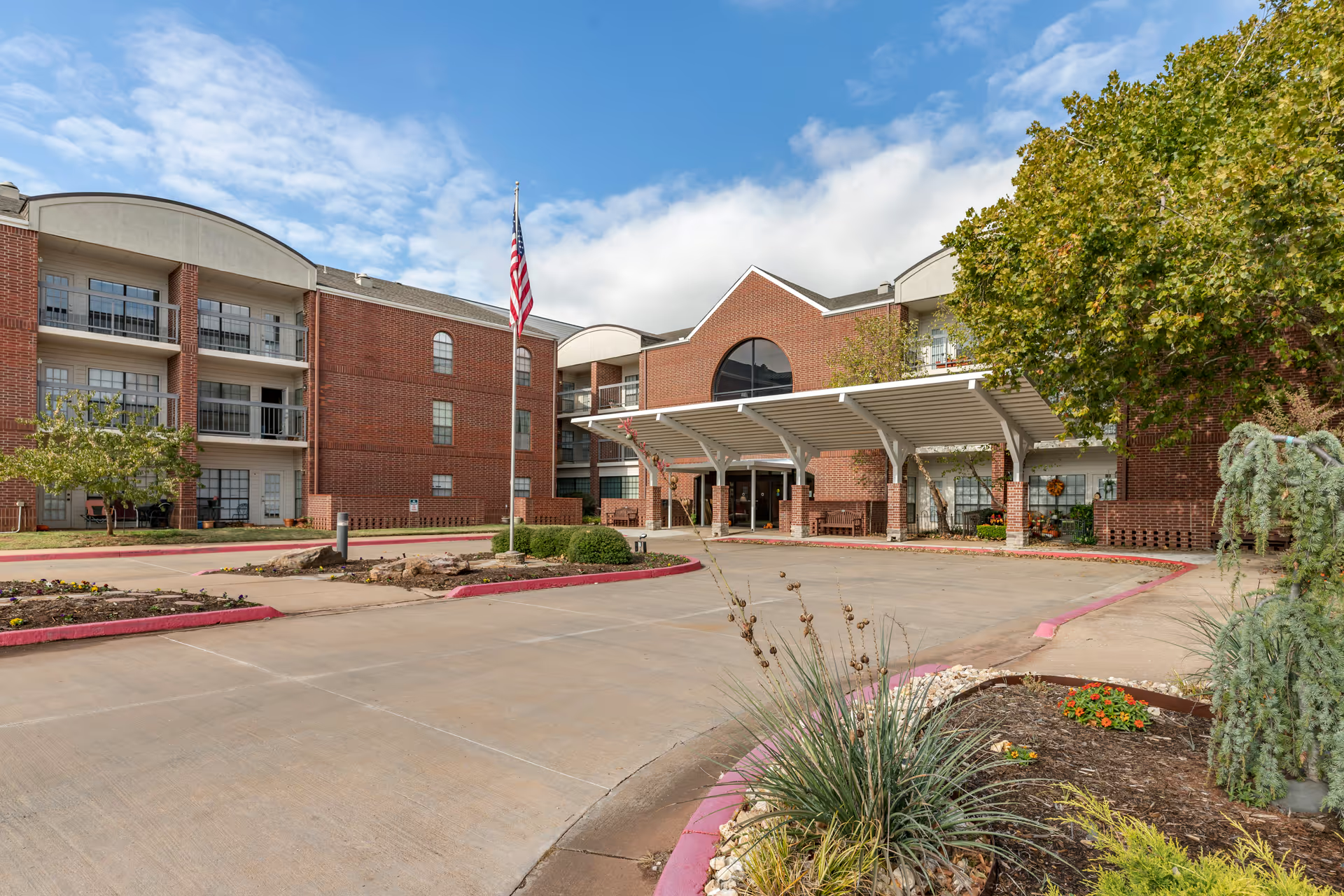
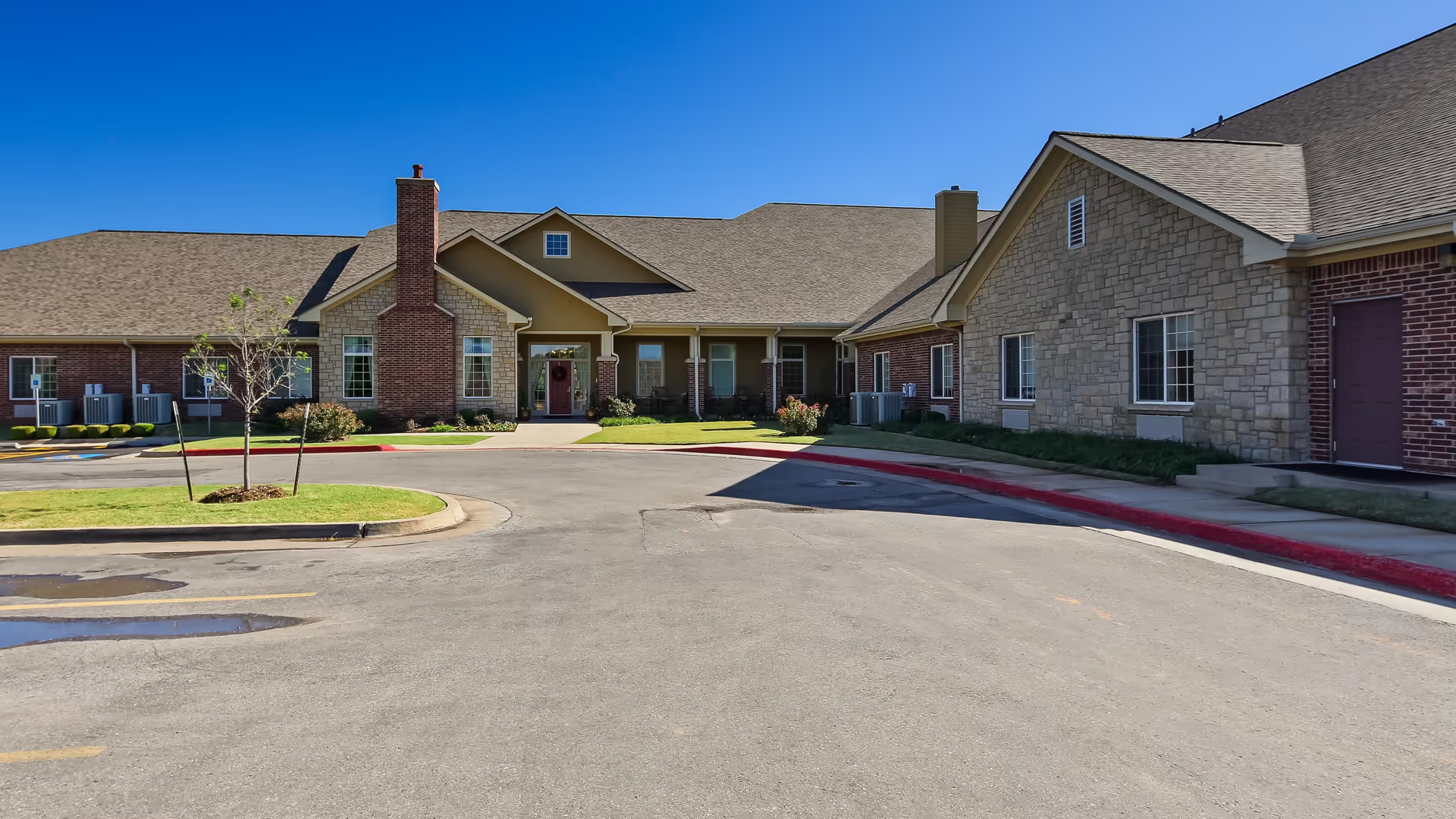
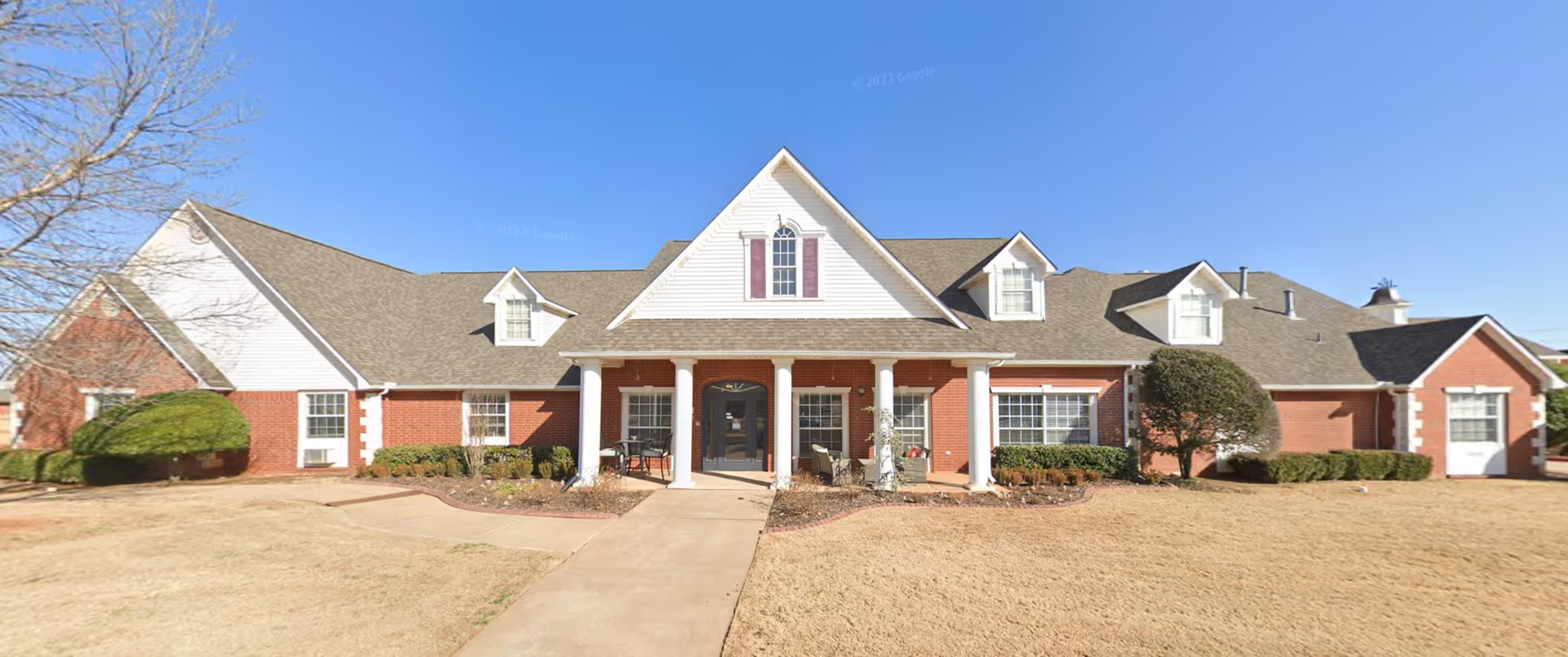
Facilities and safety: Many reviewers described the physical plant positively—spacious apartments, cleanliness, and an odor-free environment. Security features such as door alarms were appreciated for resident safety. Conversely, there are operational concerns: lapses in housekeeping schedules, weekend trash removal, slow repairs, and notable safety-related incidents that point to weaknesses in elopement-prevention, door monitoring, and timely notification to families.
Management and administration: Experiences with leadership and administration are mixed. Some families found management helpful, communicative, and responsive to concerns; others experienced limited visibility of leadership, delayed or poor communication, billing errors, and difficulty obtaining refunds or resolving financial issues. Administrative reliability appears to be an area that influences families' overall trust in the community.
Notable patterns and guidance for prospective families: The dominant patterns are (1) a core of dedicated, effective daytime staff and a pleasant physical environment, and (2) operational variability tied to staffing levels, shift differences, and administrative processes. Prospective residents and families should observe multiple shifts during a tour, ask about staff-to-resident ratios (including night coverage), review housekeeping and bathing schedules, request written policies on elopement prevention and incident notification, verify billing and refund procedures, and inquire about staff training specific to dementia care. These targeted questions can help determine whether the facility’s strengths align with an individual resident’s needs and whether the operational weaknesses are being actively managed.