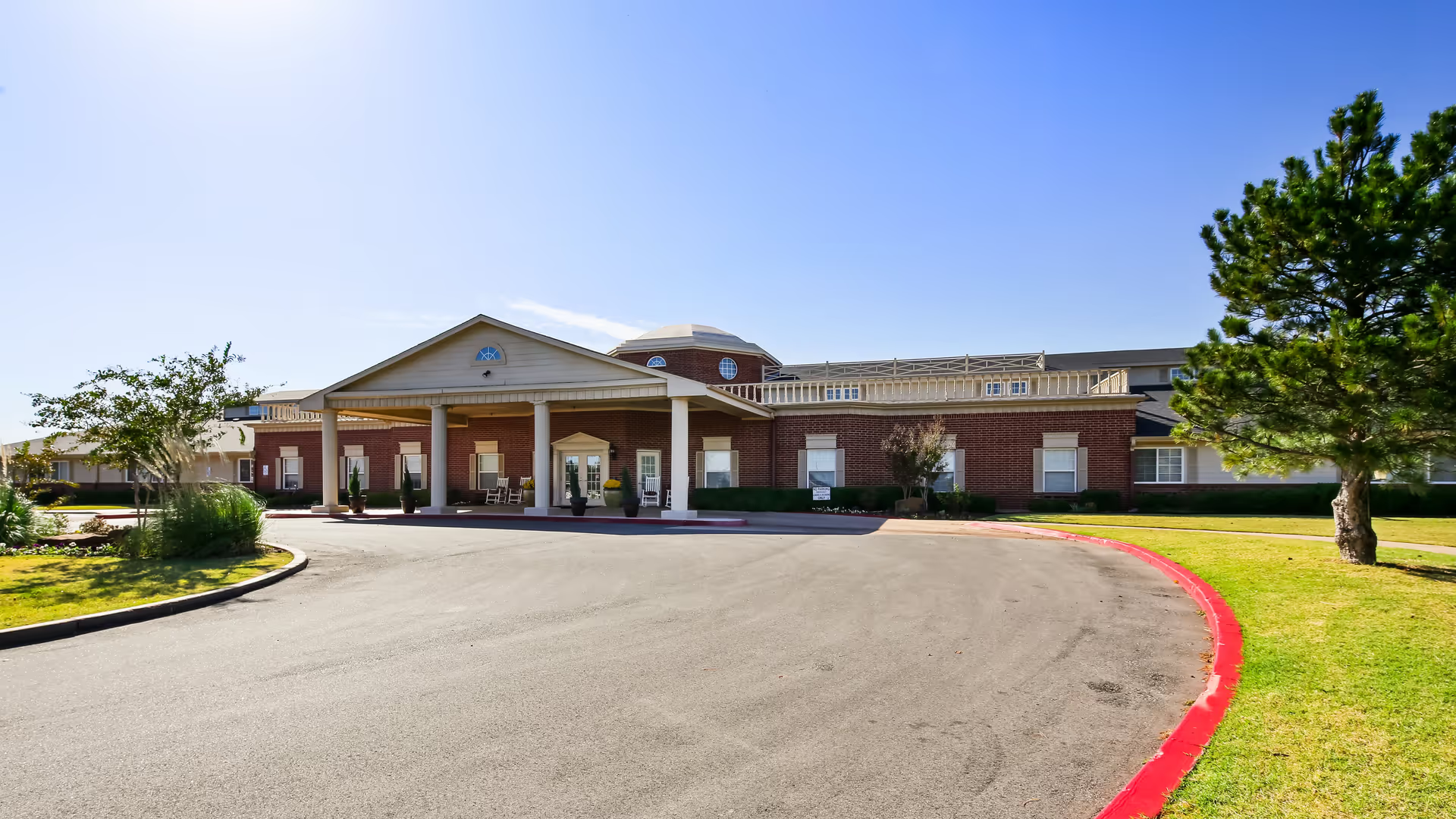
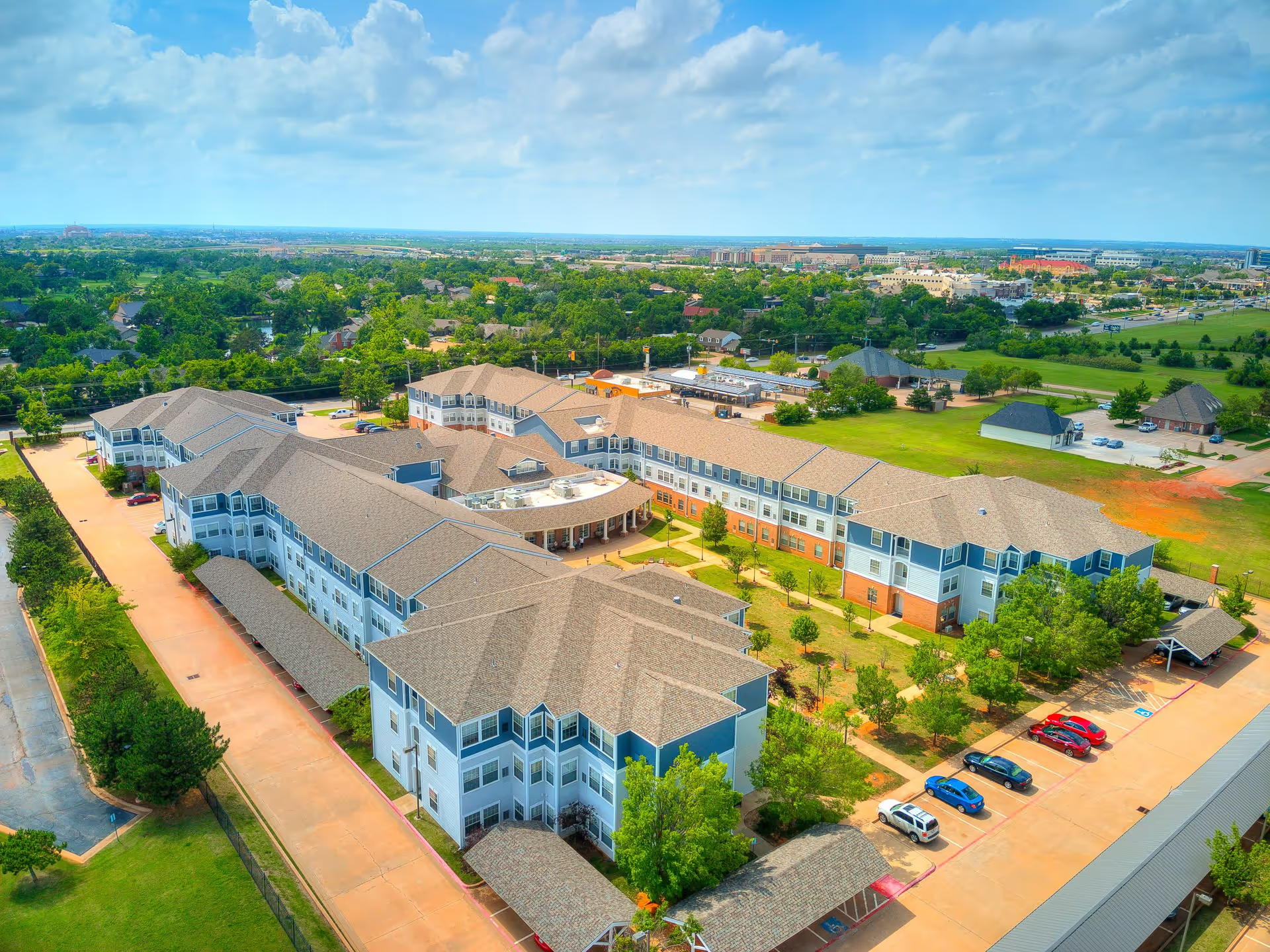
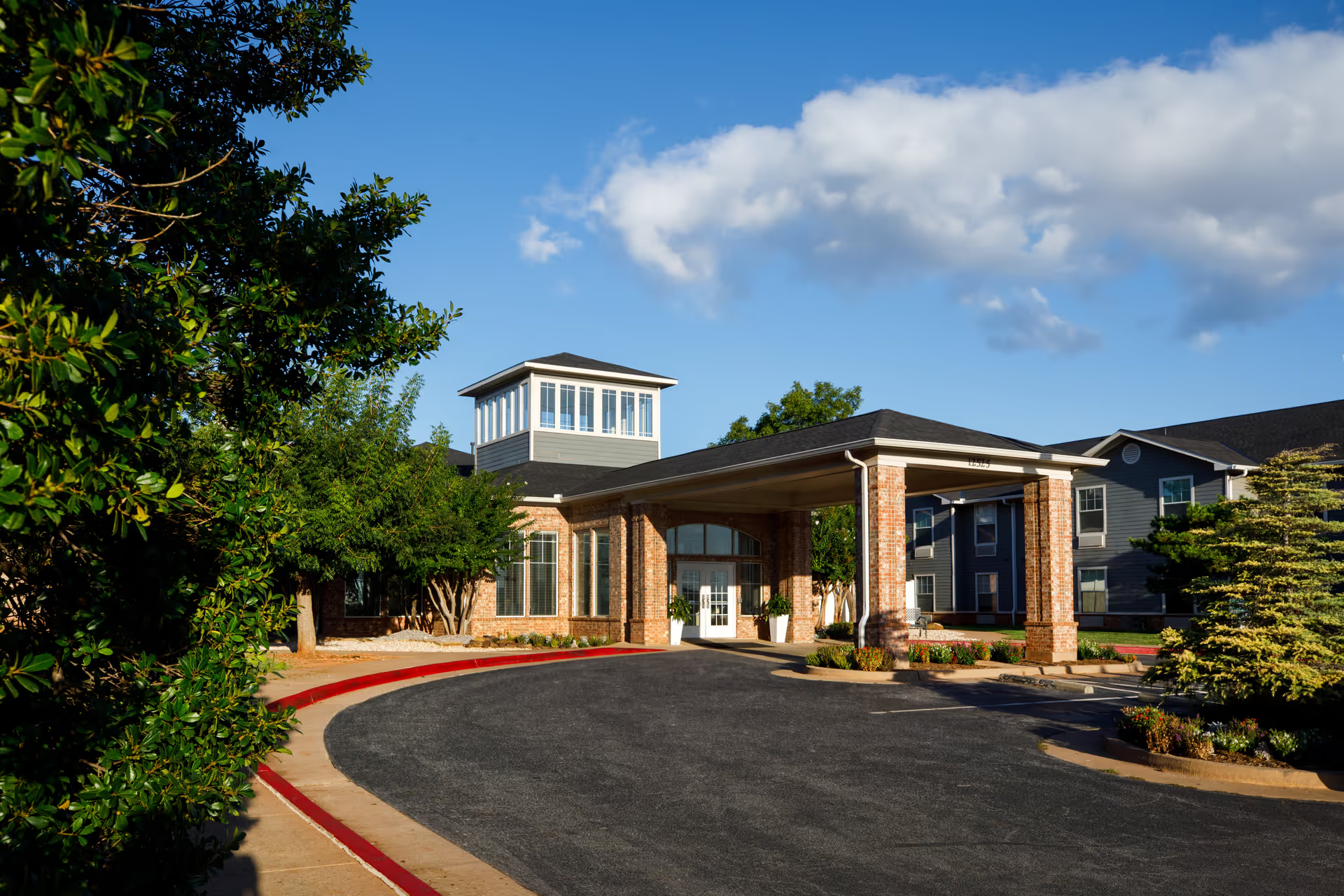
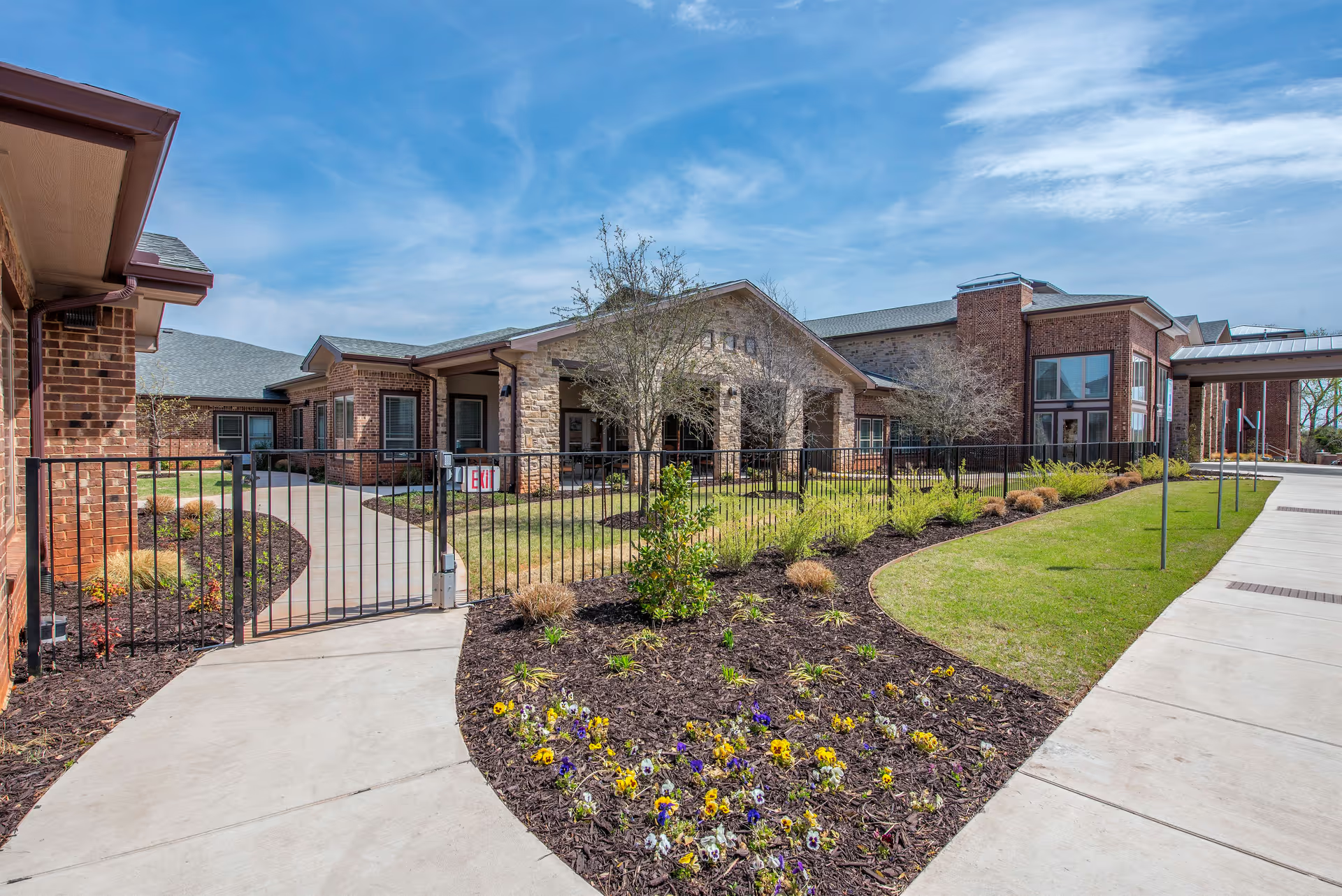
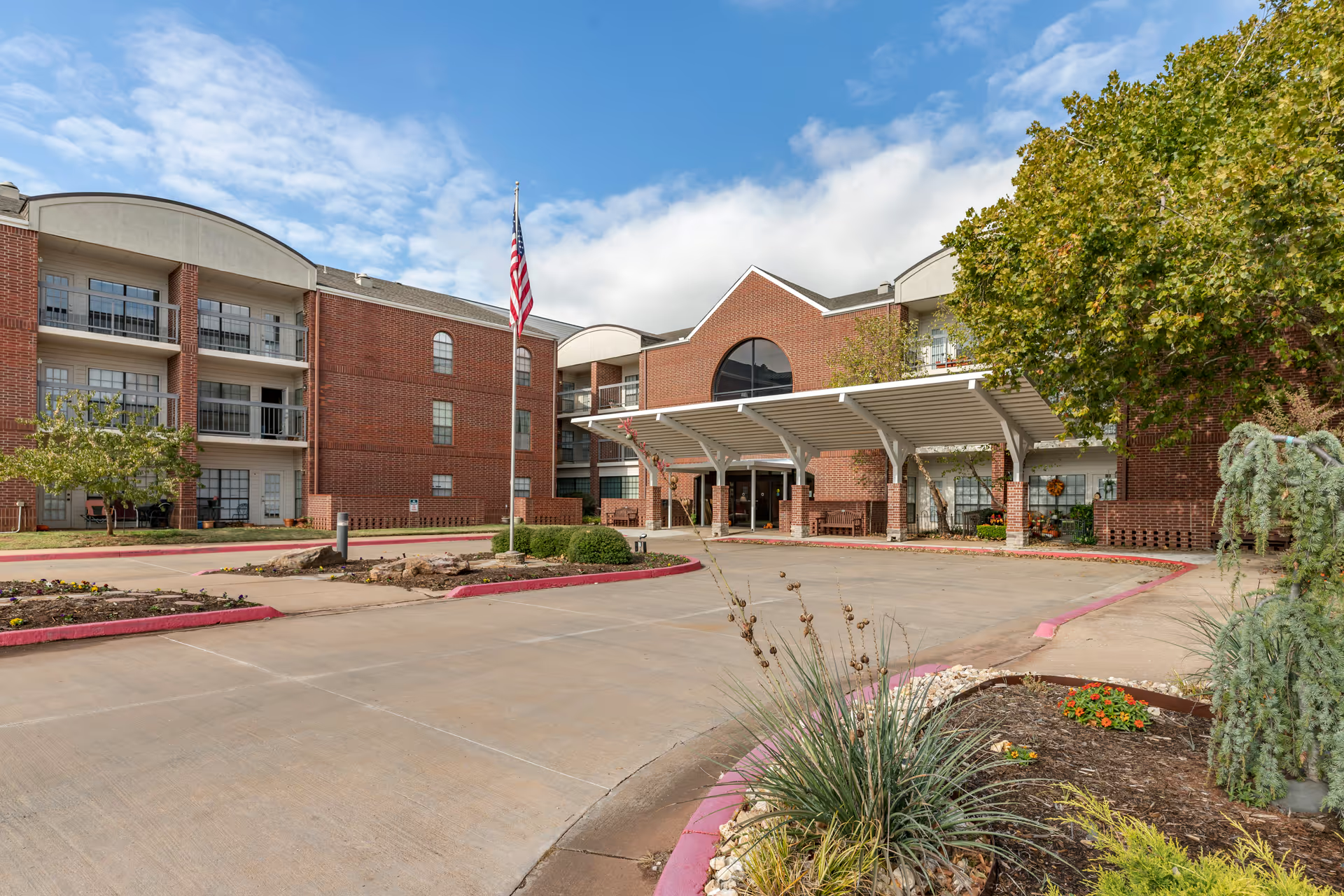
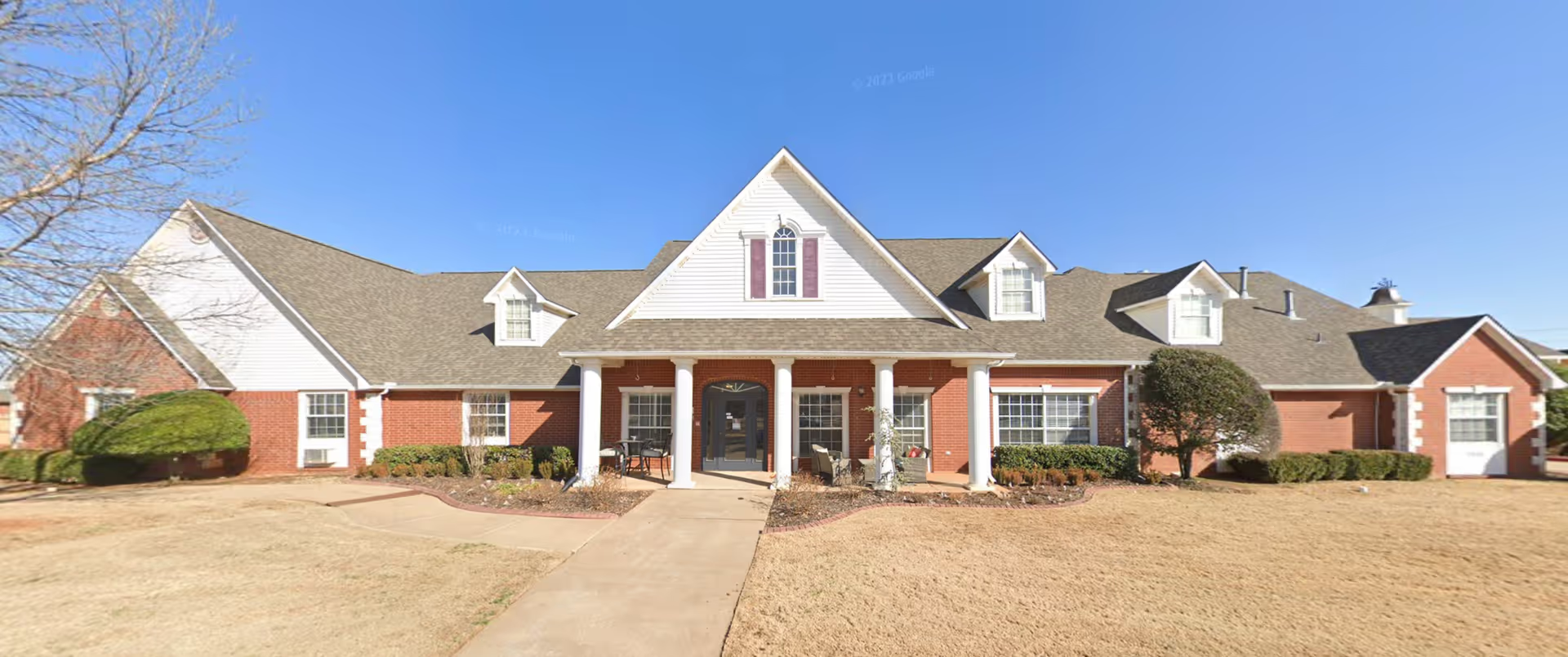
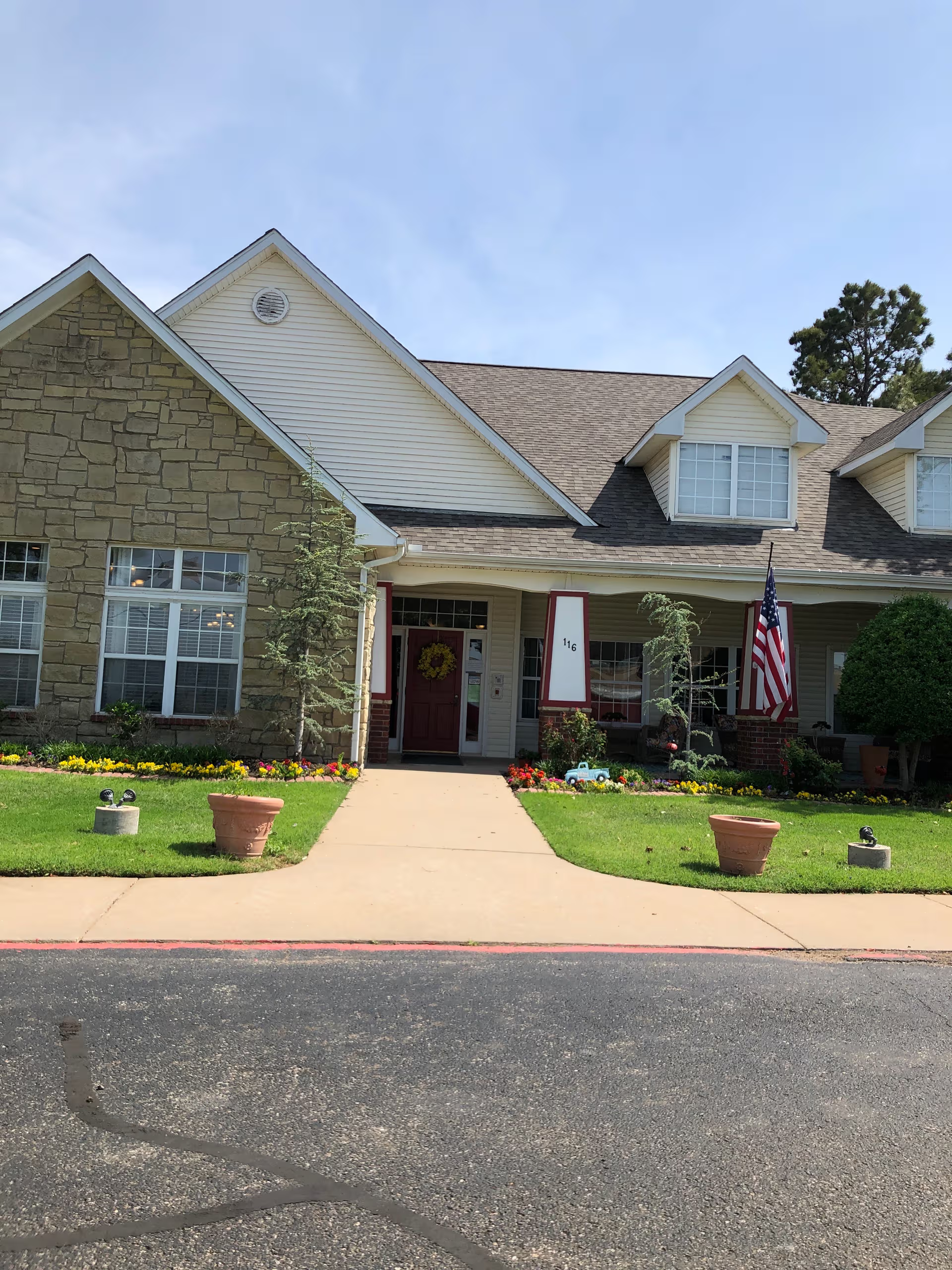
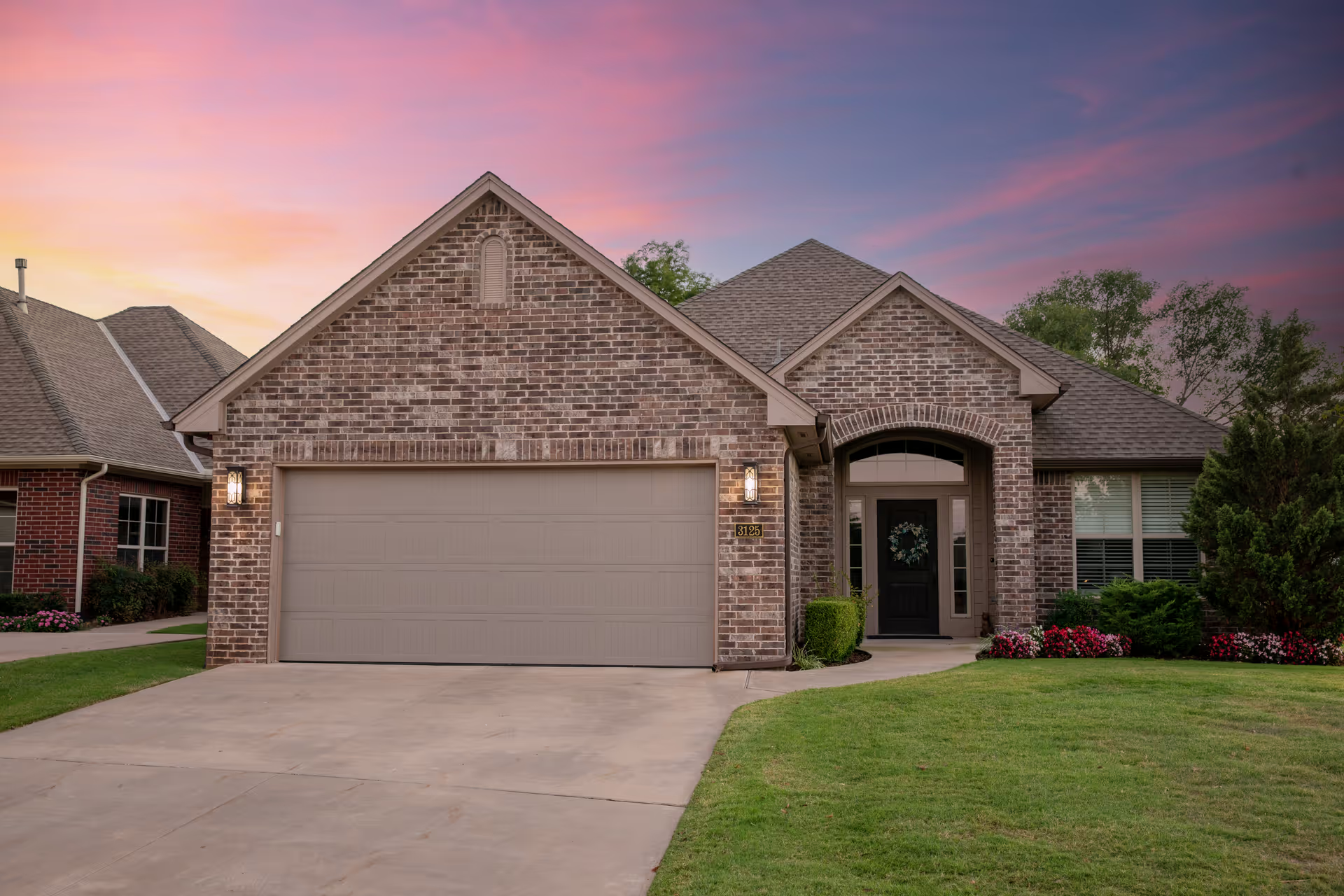
Epworth Villa is a large continuing-care community offering independent living, assisted living, memory care, and skilled nursing or rehabilitation. The strongest and most consistent praise concerns its attractive, clean surroundings; spacious homes and apartments; extensive amenities; and active community life. Residents and visitors describe restaurants and cafés, fitness facilities, a pool, a clinic and pharmacy, transportation, and a broad schedule of social, educational, and spiritual activities. Its size and range of services appeal to people seeking a community with multiple levels of care, though the campus can involve considerable walking.
Care experiences vary notably by setting and individual circumstance. Many families describe attentive, respectful care, helpful communication, and positive rehabilitation results, including effective physical therapy after surgery. Other accounts—particularly involving skilled nursing, long-term care, or memory care—describe delayed responses to call lights, staffing shortages or turnover, and inconsistent follow-through on clinical needs such as medication management and wound care. A few accounts also raise concerns about transfer safety and equipment or room arrangements. These contrasting experiences suggest that prospective residents should assess the specific unit and care plan, rather than relying on the community's overall appearance or reputation alone.
Staff are frequently described as friendly, knowledgeable, and helpful, especially during tours, visits, and routine interactions. However, families in some higher-acuity settings describe difficulty reaching staff, receiving timely answers, or obtaining resolution after raising concerns. Reports also differ on whether staff have time to respond promptly and provide consistent, individualized support. One patient described uncertainty about privacy and intimate care during a post-operative stay, while noting that medication effects may have affected recall; this points to the importance of asking about consent and privacy practices.
Dining is a prominent strength in independent living and visitor accounts, with several venues, varied menus, and meals often described as enjoyable. Skilled-nursing dining experiences are less consistent: some families praise the food, while others describe limited choices, service delays, and uneven meal quality. Activities and social opportunities are a clear asset, with residents participating in exercise, games, performances, classes, worship, and outings. Families also value the community atmosphere and the opportunity for residents to build friendships and remain engaged.
The campus is generally viewed as polished and well maintained, and families often appreciate its security and range of services. The principal practical drawbacks are the high cost and, for some residents, the size of the campus and distance between living areas and amenities. Some families also describe billing concerns, inconsistent admission decisions when health needs change, and dissatisfaction with management's communication or response to complaints. Reviews include both very positive experiences and serious care concerns, with the latter concentrated in higher-acuity settings; prospective residents and families may want to visit the relevant unit, discuss staffing and clinical coverage, clarify care-transition and readmission procedures, and review fees and contract terms in detail.