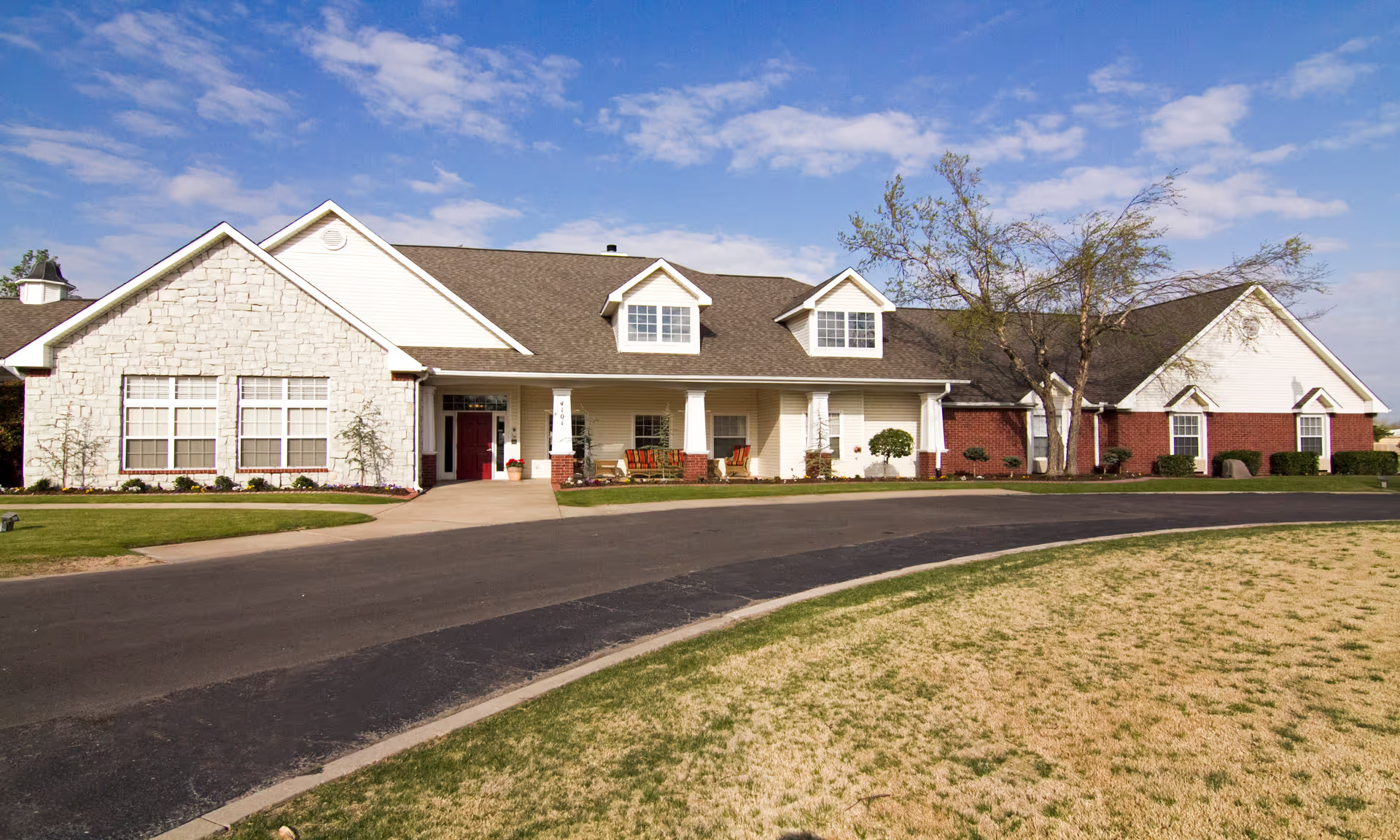
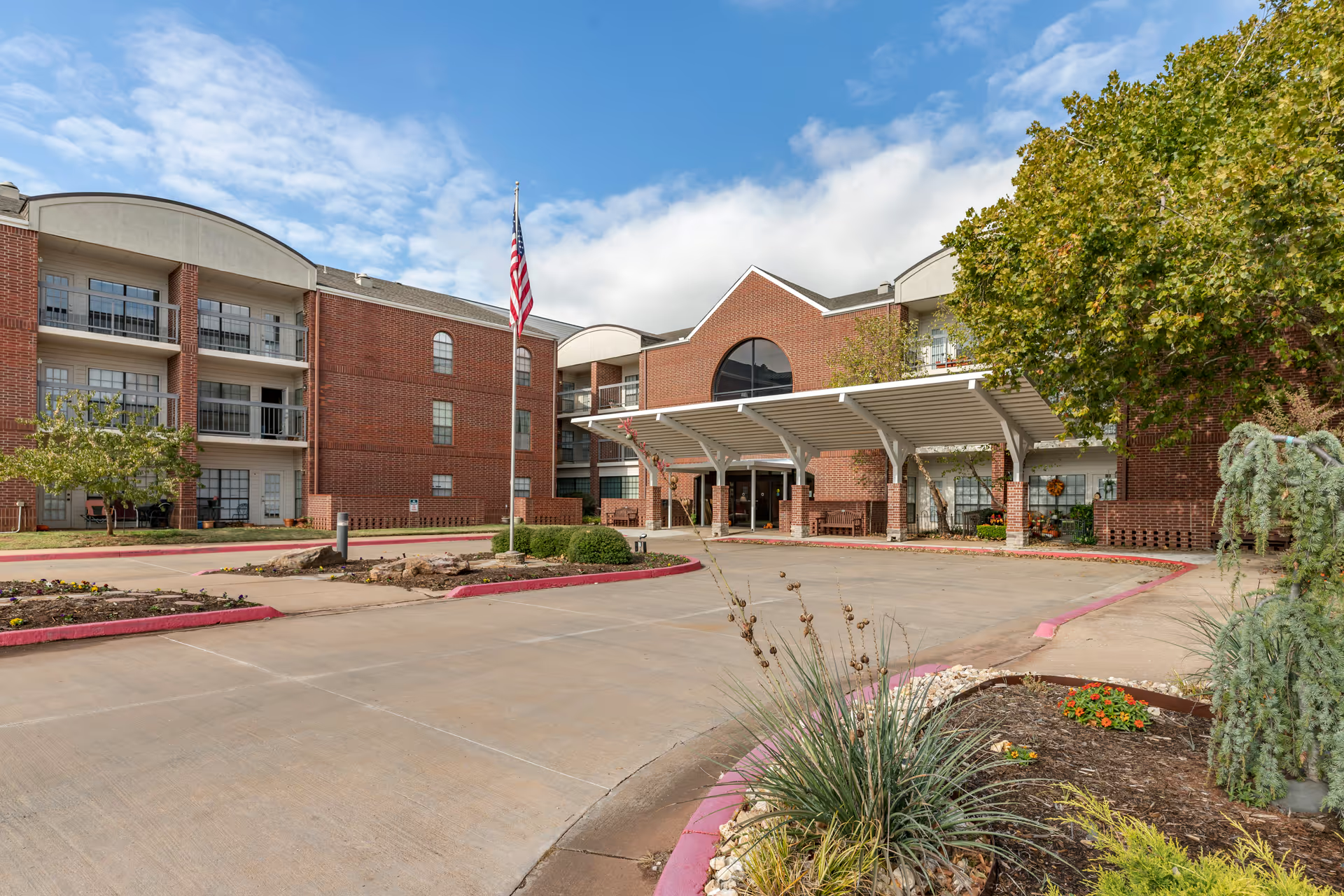
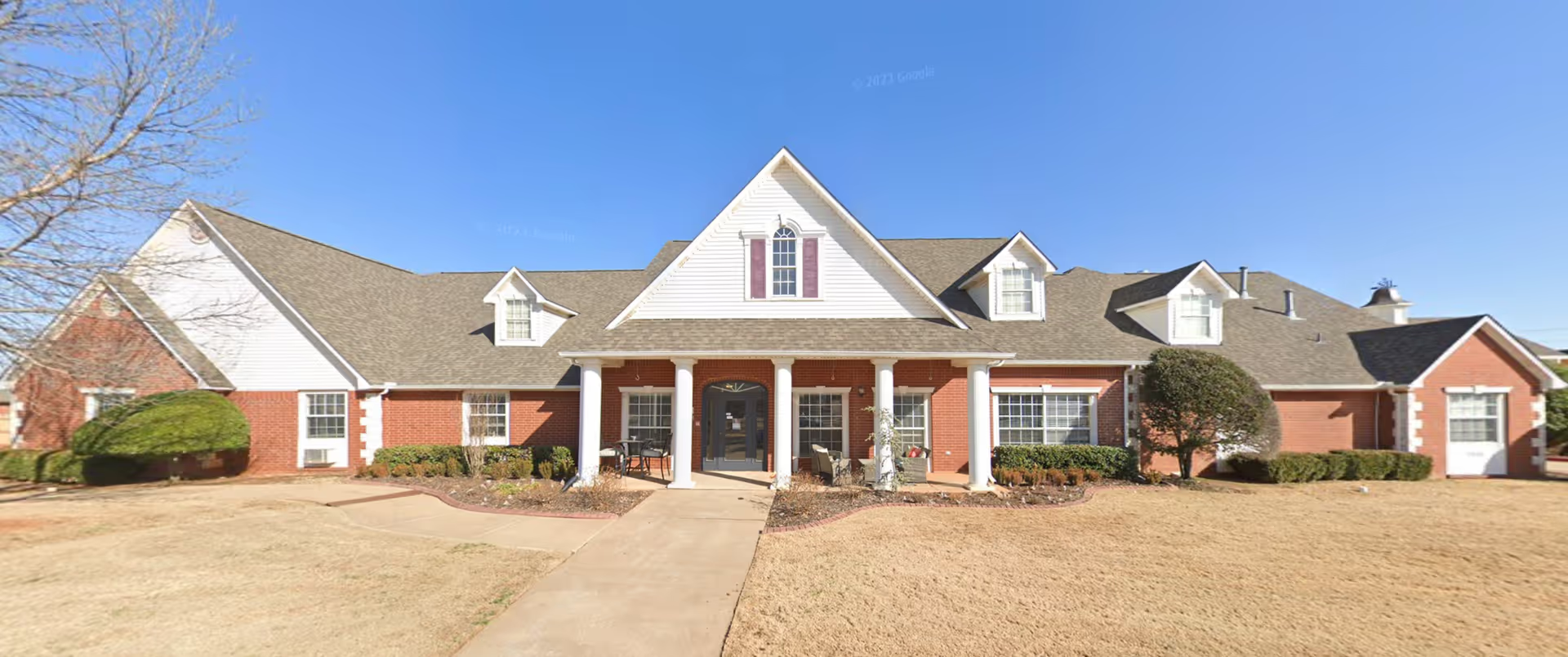
Heritage at Brandon Place elicits strongly mixed impressions: many reviewers highlight committed clinical staff, strong therapy services, attractive meals, and an active life-enrichment program, while others raise serious operational and safety concerns. The facility appears to have pockets of very good practice — families and residents report compassionate nurses, capable physicians, proactive administration (with named leadership changes), well-presented meals, clean communal areas, and an engaging activities program. Several accounts describe positive interactions with social services and admissions staff, timely clinical updates, and managers who resolve problems promptly.
At the same time, a consistent pattern in the less favorable comments centers on staffing variability and clinical process gaps. Reviewers describe uneven staff coverage across shifts and weekends, limited RN/LPN presence on some units, and instances where medication administration and clinical monitoring fell short of expectations. Those clinical concerns include serious, high-acuity events that reviewers linked to delays or errors in monitoring; however, other accounts describe prompt, effective interventions by specific staff members. Families also cited inconsistent adherence to individualized care plans and lapses in documentation and follow-through for therapy and rehabilitation schedules.
Communication and staff conduct are prominent themes. Many reviewers praise clear, timely updates from specific nurses or administrators, while others describe unanswered calls, limited weekend availability, and communication breakdowns after incidents. There is variability in staff professionalism: reports range from energetic, compassionate caregivers to accounts of poor tone, rudeness, or inattentive bedside care. Related operational issues include asset-security concerns (theft allegations) and perceived inadequacies in how management investigated such events.
Dining and activities produce similarly mixed feedback. Several residents and families describe warm, nourishing meals served attractively and a lively recreation program that contributes to a positive atmosphere. Contrasting reports note inconsistent meal content, missed or delayed meals, and failure to provide dietary supplements as ordered. The activities program and communal décor are frequently cited as strengths when present and well-run.
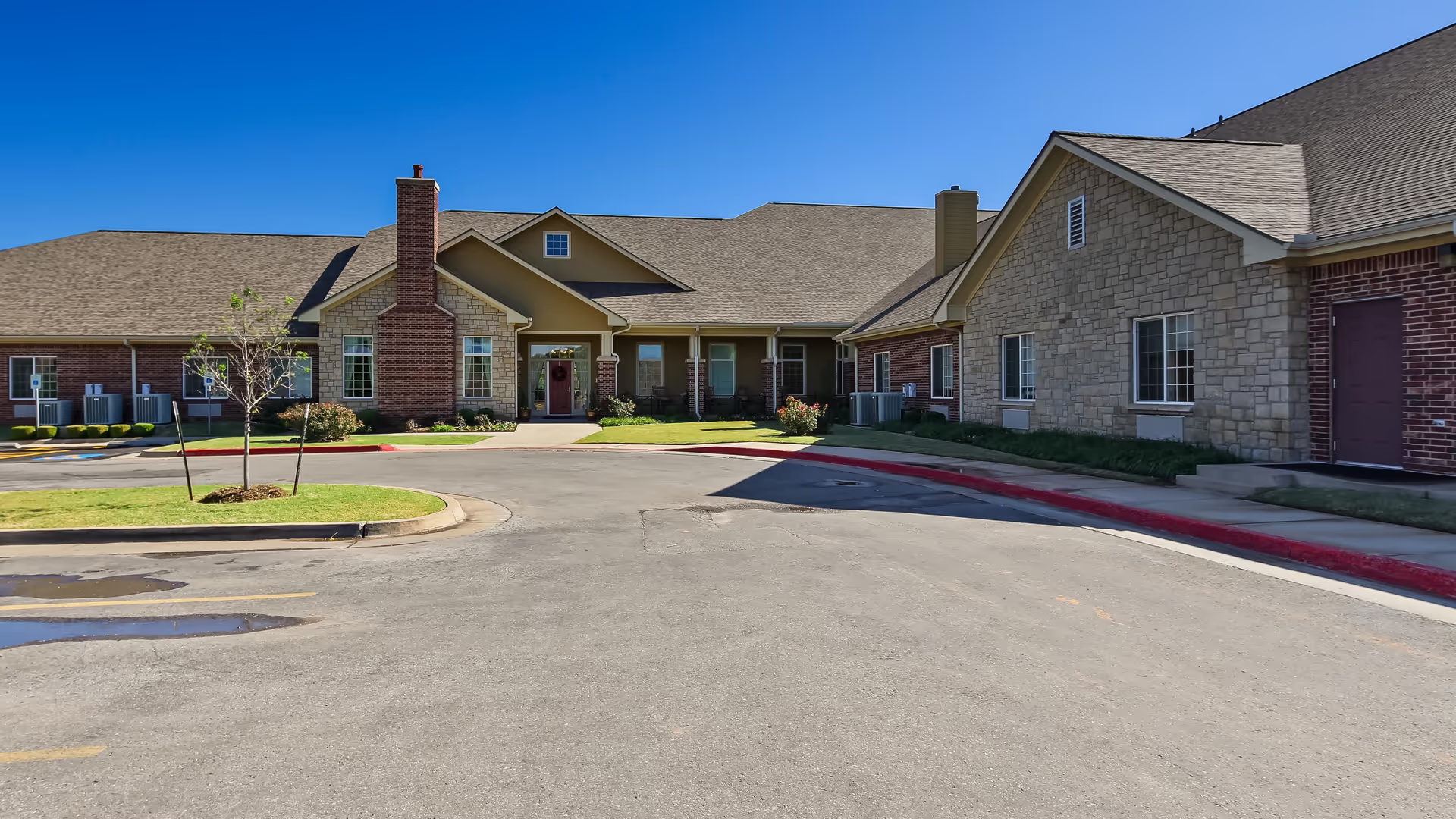
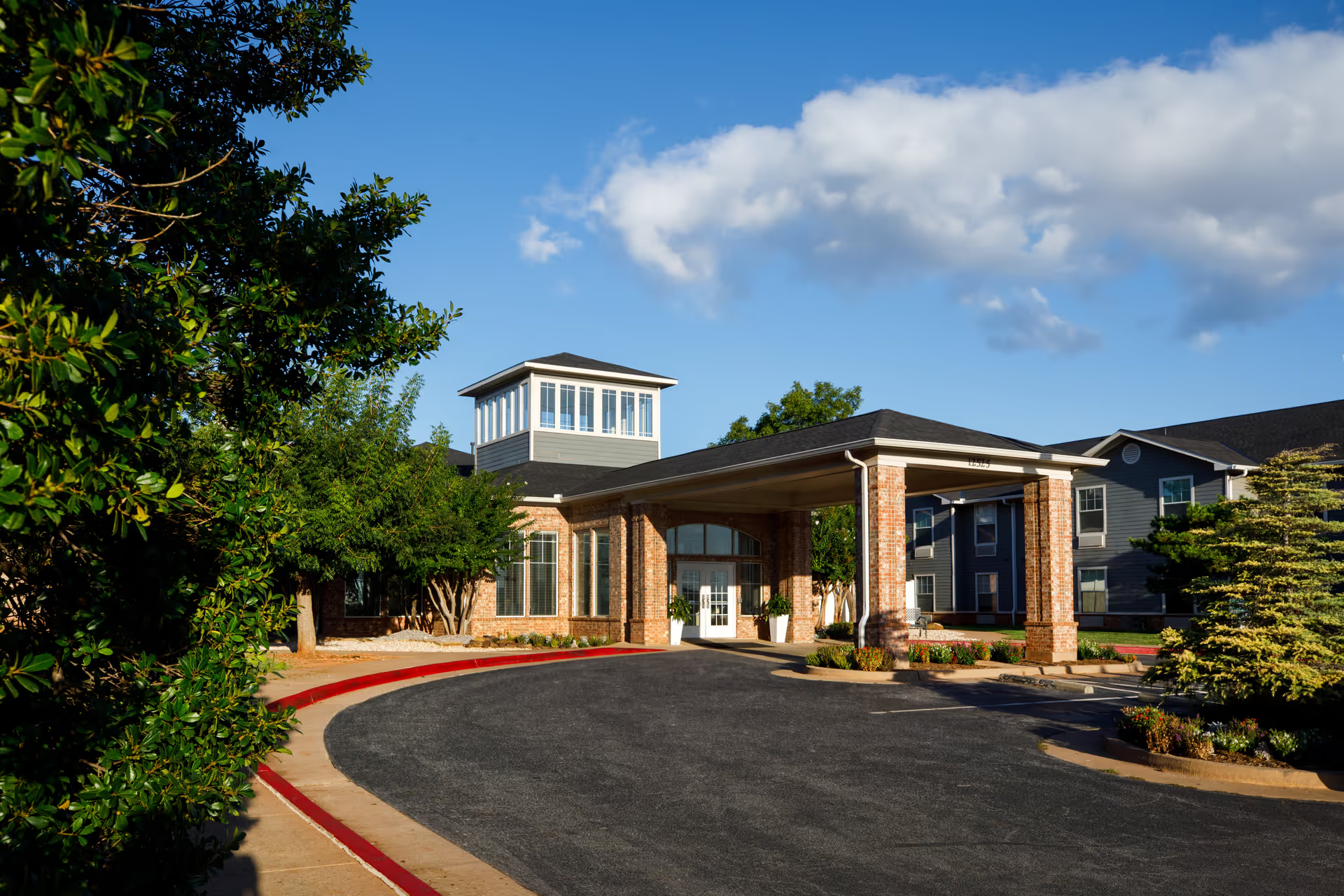
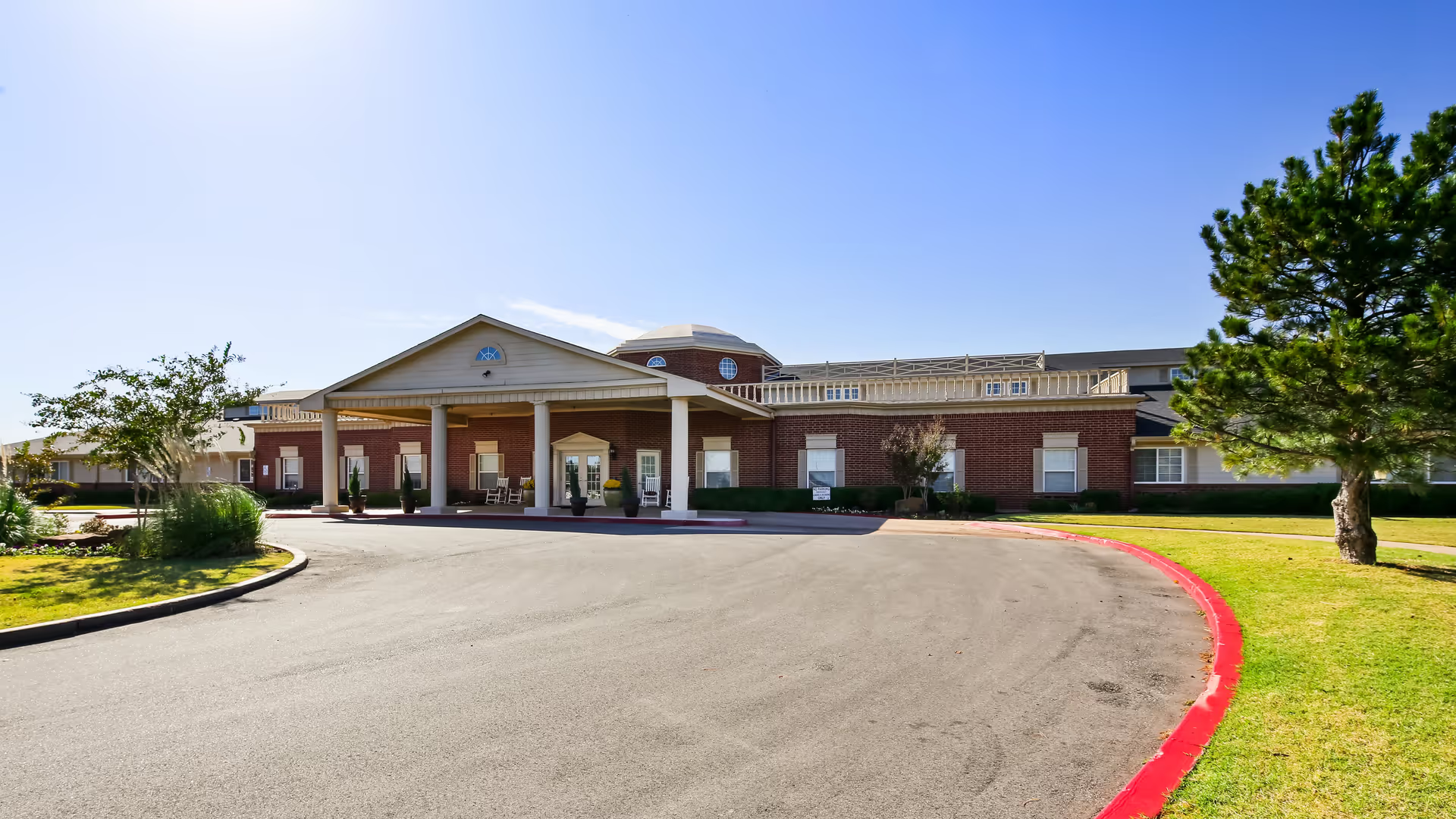
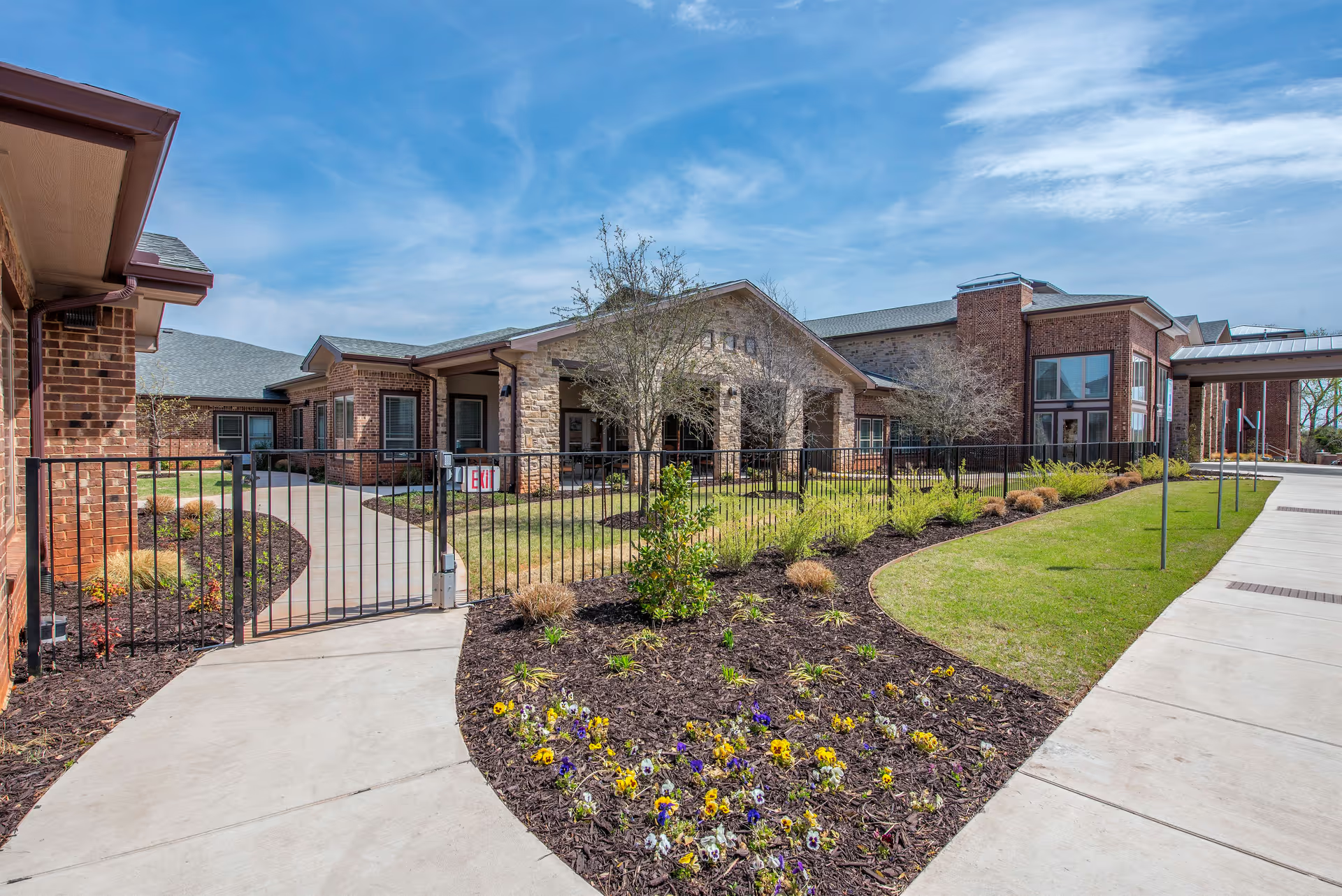
Facility condition and maintenance comments are polarized. Positive reviews describe a well-kept and pleasant environment; critical reports identify maintenance problems such as leaks, dampness, HVAC issues, and localized sanitation concerns. These environmental issues are sometimes cited alongside housekeeping lapses, which, when present, compound family worries about overall cleanliness and safety.
Management and governance appear to be in transition. Several reviewers credit recent leadership for visible improvements and for managing a local infection-control event effectively; others point to regulatory citations, fines, and ongoing litigation as indicators of prior systemic problems. The overall pattern suggests variability by unit, shift, and timeframe: outcomes and experiences can differ substantially depending on who is on duty and which part of the facility a resident occupies.
For prospective residents and families: the facility demonstrates clear strengths in care when staffed and supervised effectively, particularly in nursing, therapy, and activities. Key due-diligence points before placement include asking about current nurse-to-resident ratios by shift, medication administration and monitoring protocols, recent regulatory history and corrective plans, asset-security measures, routine housekeeping inspections, and how the facility communicates incidents and health updates to families. Regularly scheduled follow-up visits and clear expectations in the care plan can help manage the variability described across reviews.