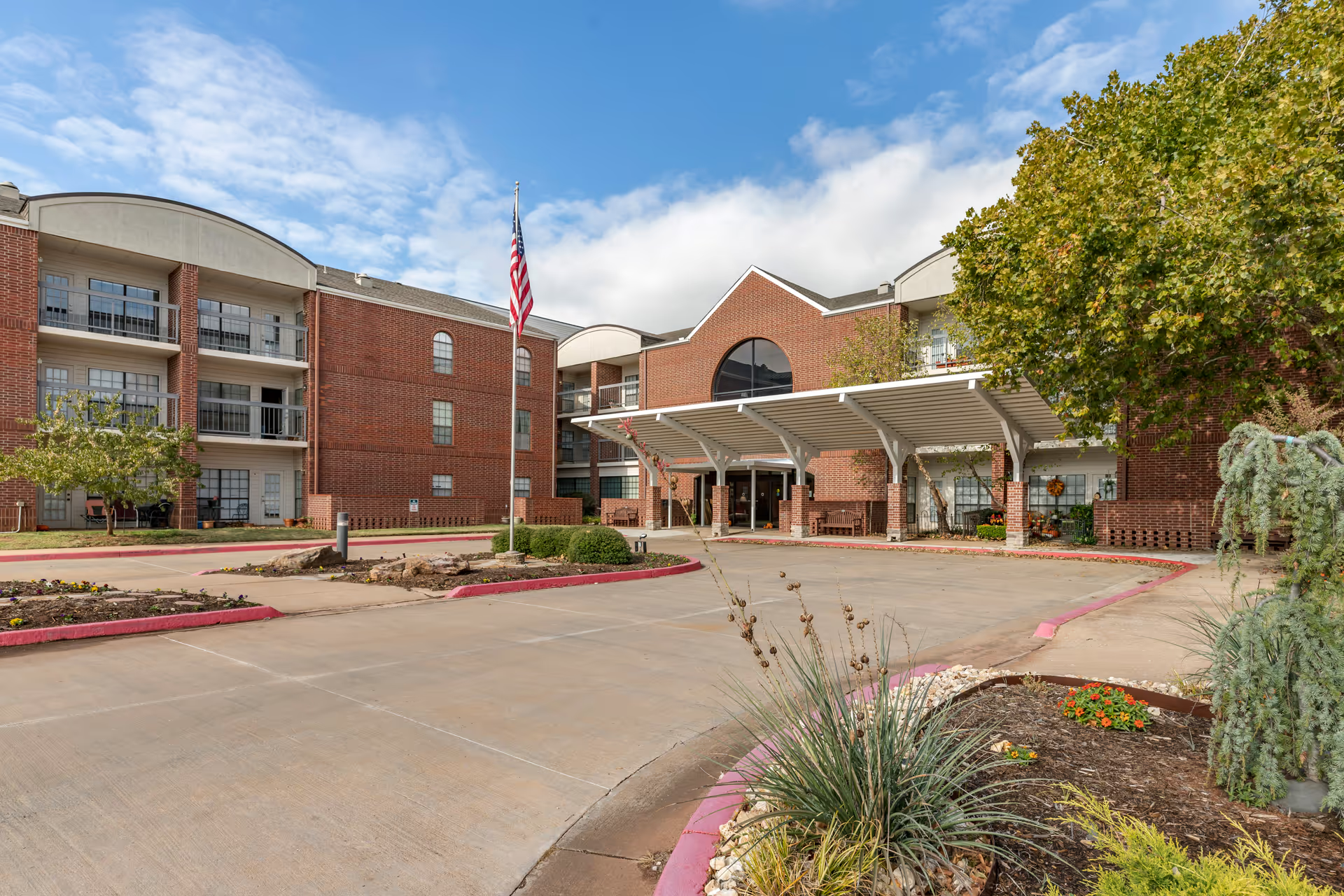
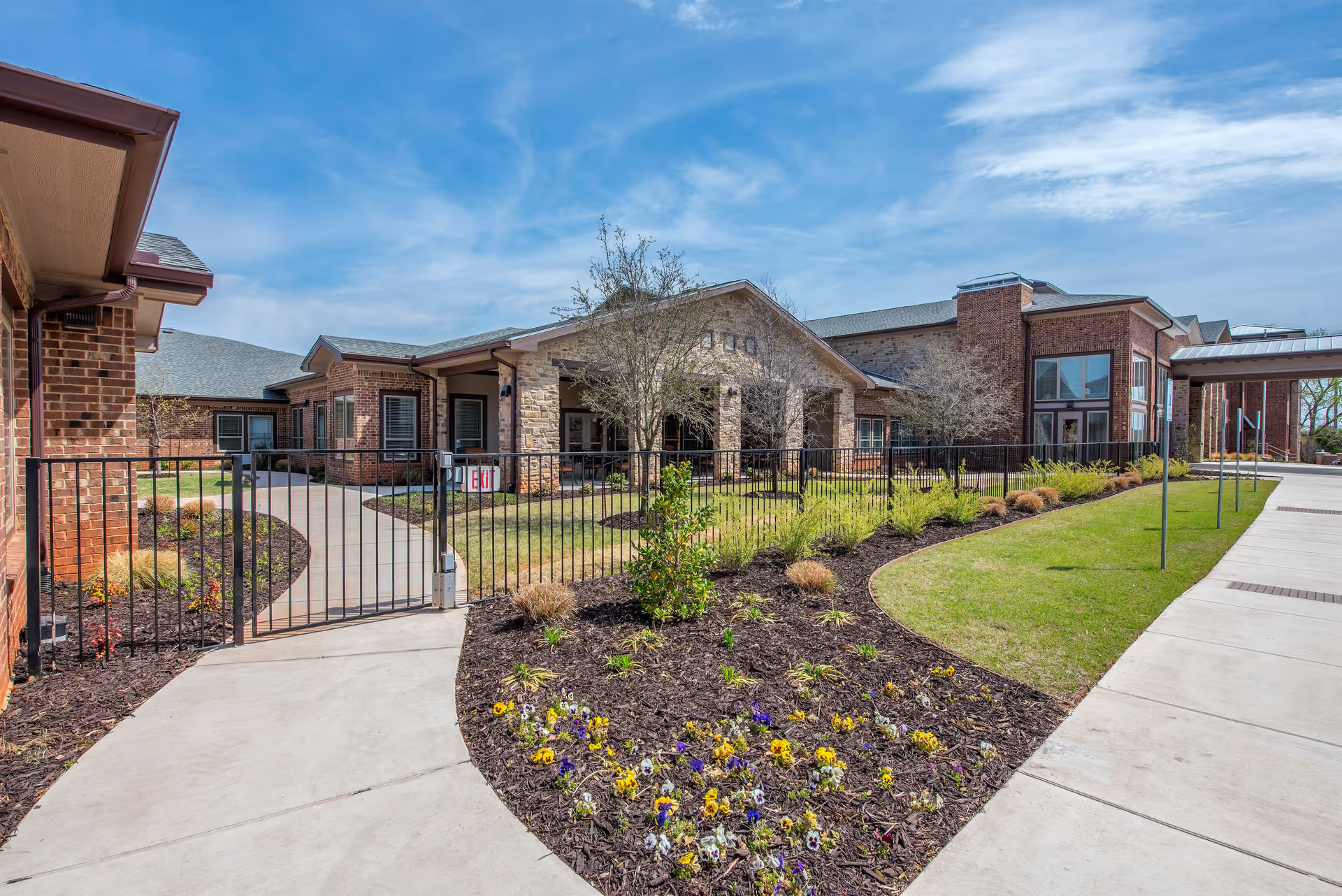
Iris Memory Care of Nichols Hills elicits a strongly polarized set of impressions. Many families describe a warm, family-like environment with compassionate caregivers, dementia-trained staff, and a visible nursing presence. Strengths repeatedly cited include a clean, well-maintained facility with a bright central courtyard and modern finishes, an on-site salon, and a secure memory-care setting. Reviewers commonly praise personalized care planning, frequent family communication (when it happens), robust activity programming tailored to memory needs, and an in-house chef who provides nutritionally balanced meals and accommodates special diets.
Care quality is a mixed picture. Numerous comments highlight dedicated, attentive staff and examples of strong nursing and hospice coordination — including staff willingness to work with hospice providers to avoid moving residents. At the same time, there are recurring clinical and operational concerns: medication and medical-device management lapses, mislabeled equipment, missed or delayed deliveries of medications or supplies, and accounts that suggest gaps in clinical monitoring. Several families described safety-related events such as falls and injuries; when these occurred, reviewers noted inconsistent follow-up communication and variable explanations from staff. These issues suggest that clinical oversight and fall-prevention/transfer practices are an area requiring ongoing attention.
Staff culture is often described as caring, patient, and person-centered, with many reviewers naming individual employees and praising staff who remember residents’ preferences. However, staffing levels and consistency emerge as the primary operational weakness. Families reported understaffing on certain shifts (notably nights and weekends), high staff turnover, and occasional leadership instability. Those factors correlate with other operational problems cited by families — delayed responses, inconsistent activity delivery, and variable housekeeping or laundry performance.
Dining and activities are generally seen as positive contributors to quality of life. The community offers daily programming, intergenerational and creative activities, animal visits, and opportunities tailored to cognitive needs. Meal quality and variety receive favorable comments, and the ability to accommodate special diets is noted. Practical constraints include a relatively small dining room and occasional interruptions to meal-service continuity; some reviewers also perceived the environment or rooms as more clinical or ‘‘hospital-like’’ than they expected for an assisted-living atmosphere.
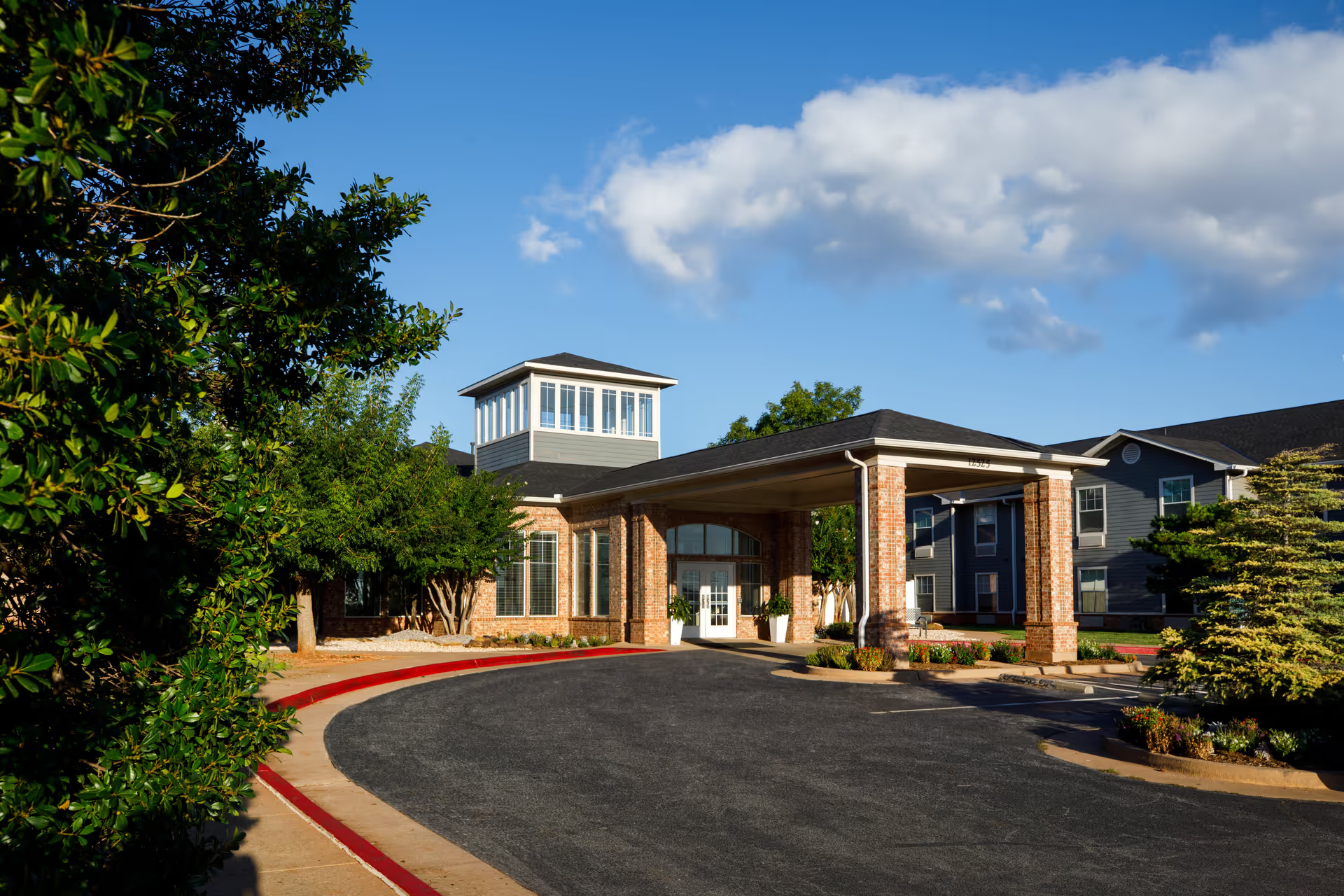
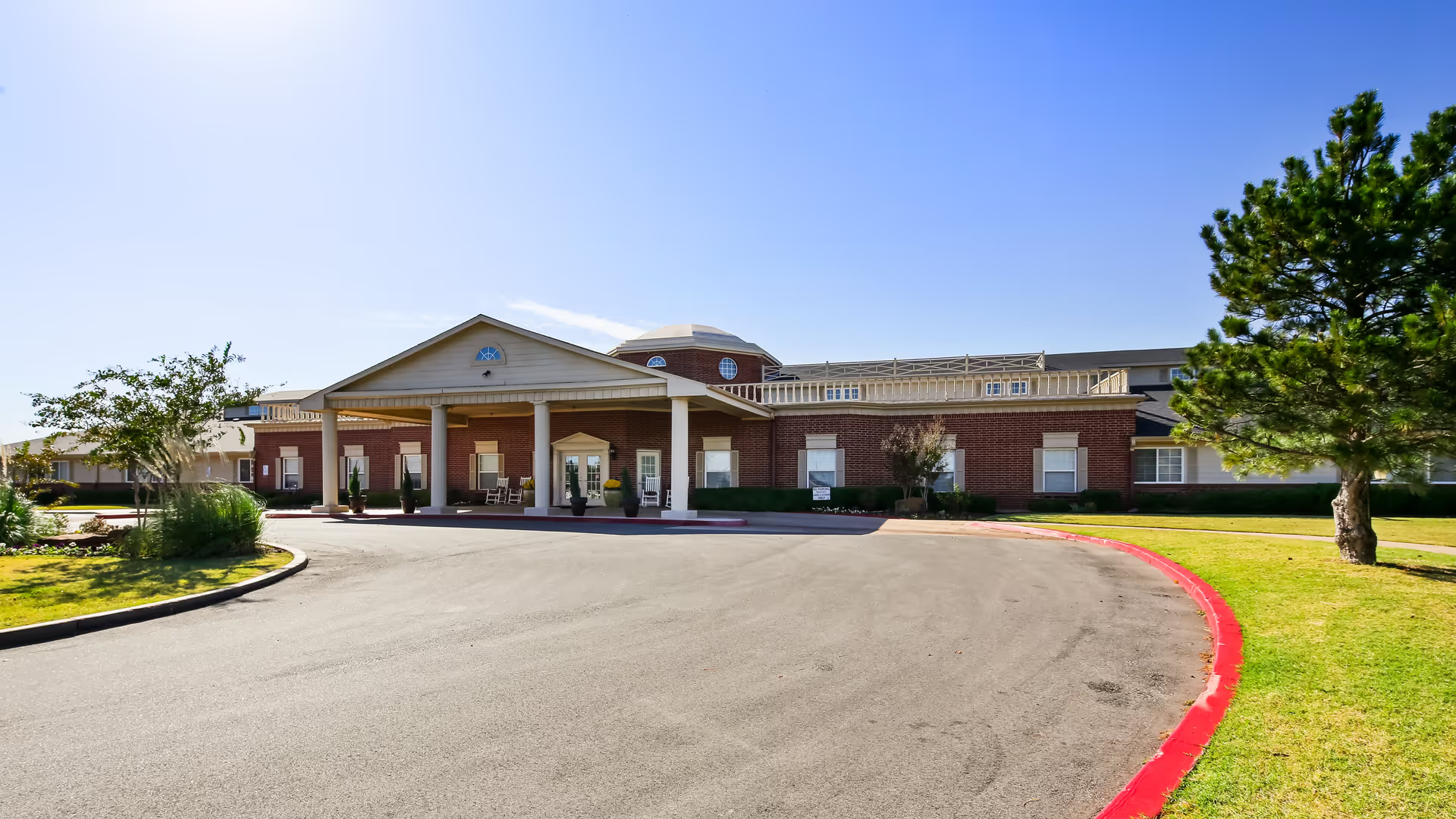
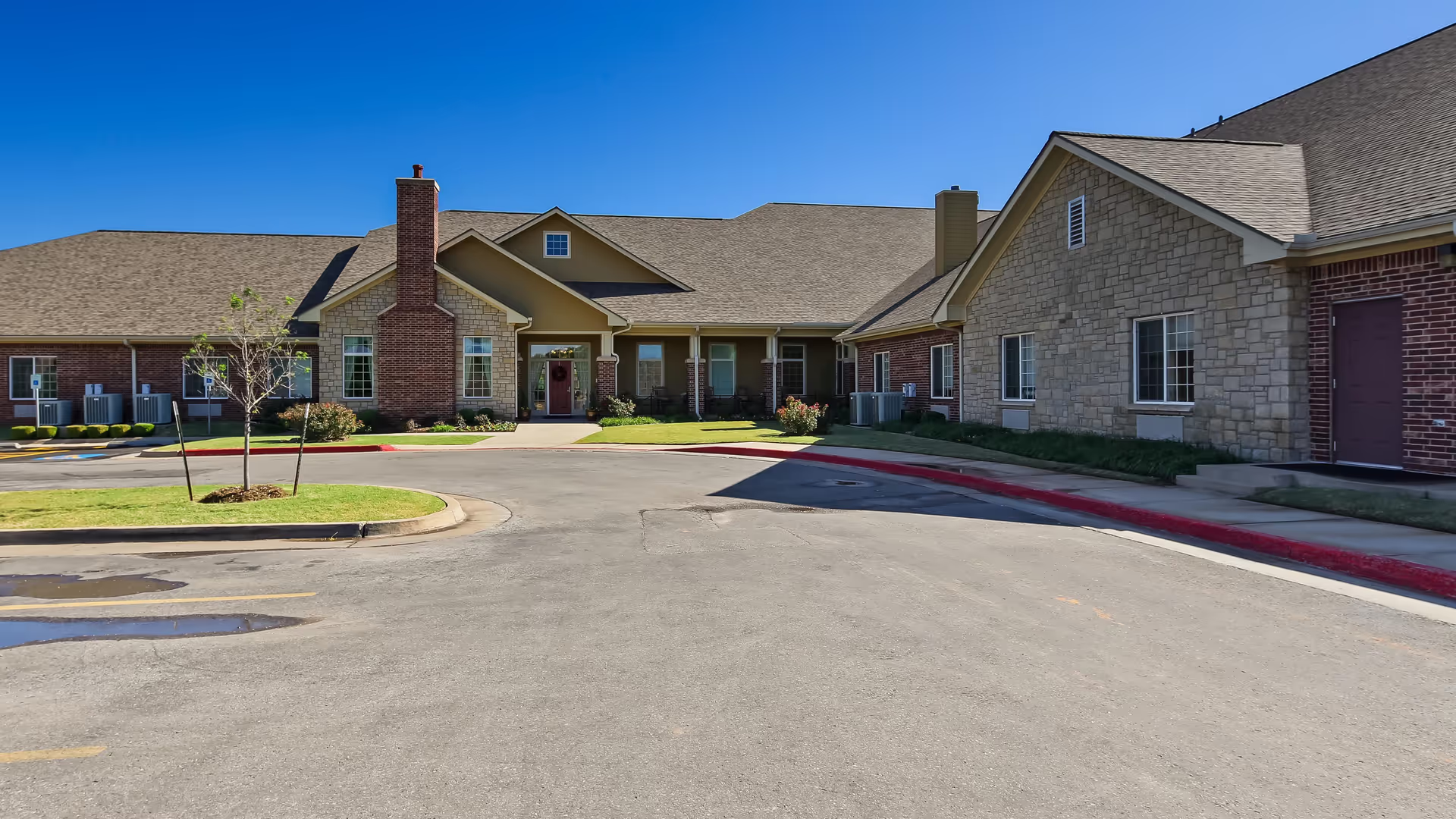
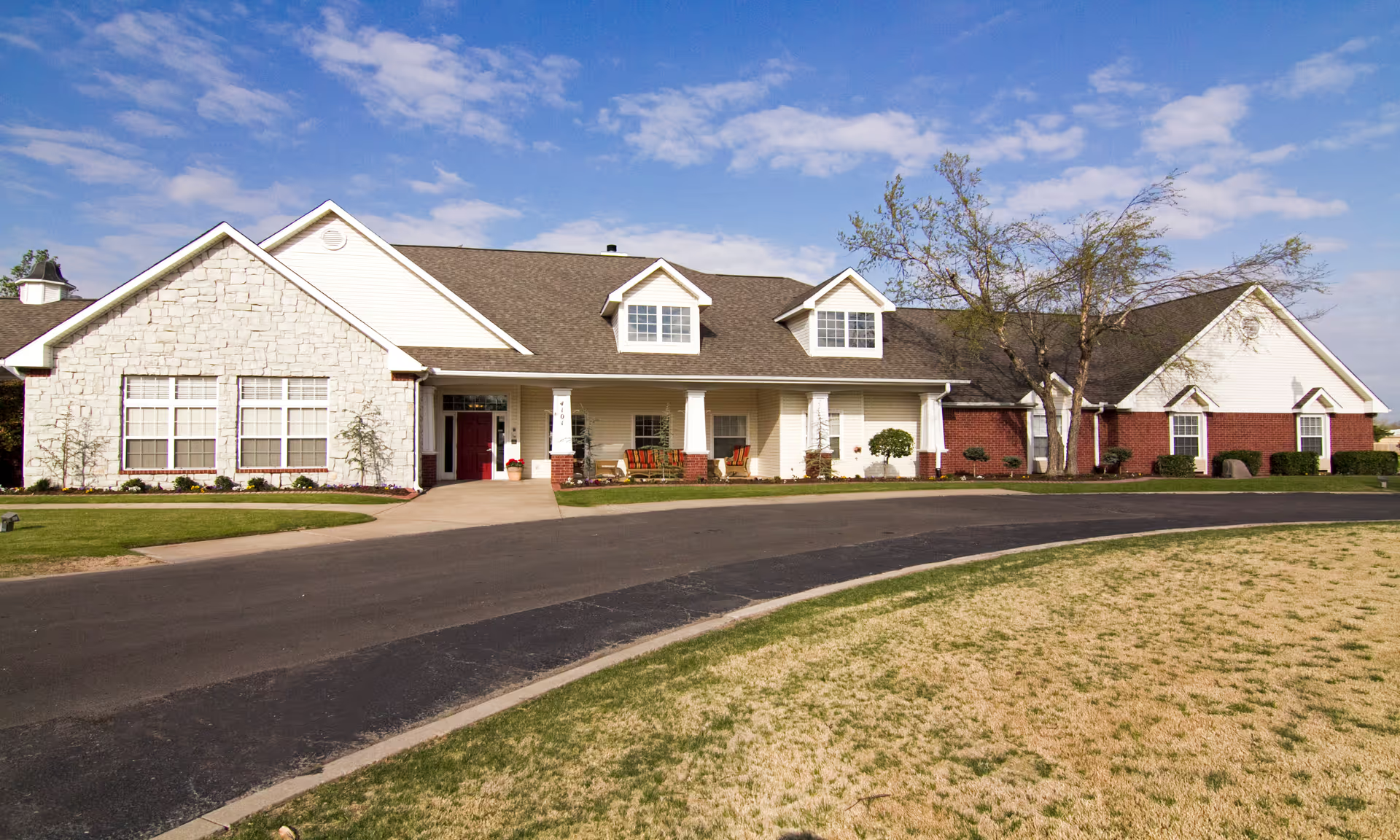
Facilities and logistics are a relative strength: the building is frequently described as spotless, bright, and well organized, with accessible layouts and outdoor space for walking. Some reviewers, however, called out small room sizes, parking challenges due to a busy adjacent street, and occasional housekeeping inconsistencies or odor concerns tied to incontinence care.
Management impressions are mixed. Several families praised an engaged, approachable administration and recent management improvements, while others described unresponsiveness, avoided care meetings, or broken promises about equipment and services. These divergent experiences suggest variability in leadership responsiveness over time or between shifts. A small number of reviews raised serious concerns that go beyond routine care issues, including allegations of financial misconduct and questions about clinical deterioration in isolated cases; these items warrant careful follow-up and verification through direct discussion with facility leadership and review of corrective actions.
Overall, Iris Memory Care of Nichols Hills demonstrates many attributes valued for memory care — compassionate staff, dementia-aware programming, attractive facilities, and active efforts at family collaboration — but families should assess operational reliability closely. Key areas to probe during a tour or intake include staffing ratios across all shifts, clinical oversight of medication and transfer procedures, housekeeping and laundry processes, communication protocols for incidents, and the facility’s approach to continuity of care during weekends, nights, and care transitions (including hospice). Doing so will help families balance the facility’s clear strengths against the documented patterns of inconsistency some reviewers experienced.