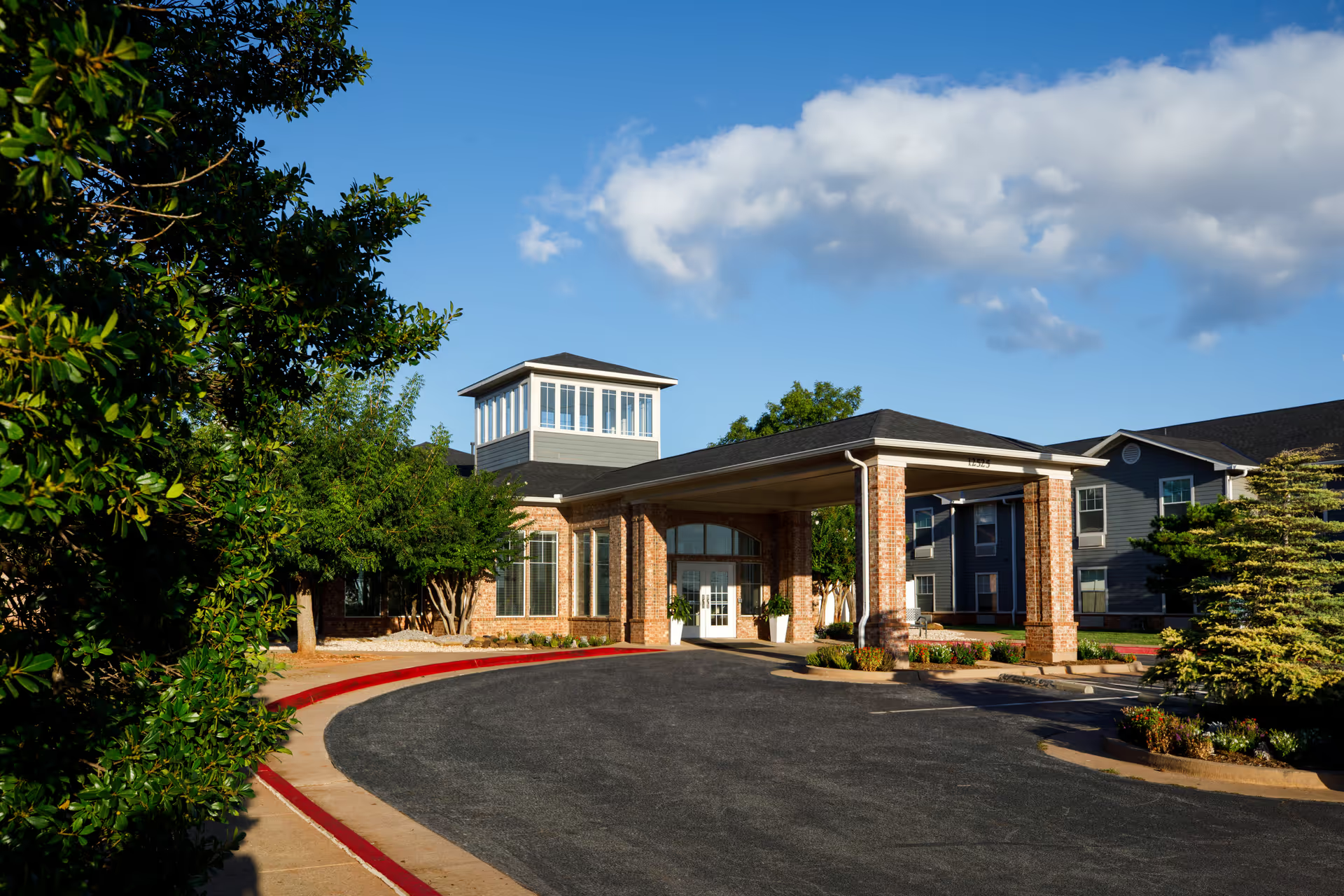
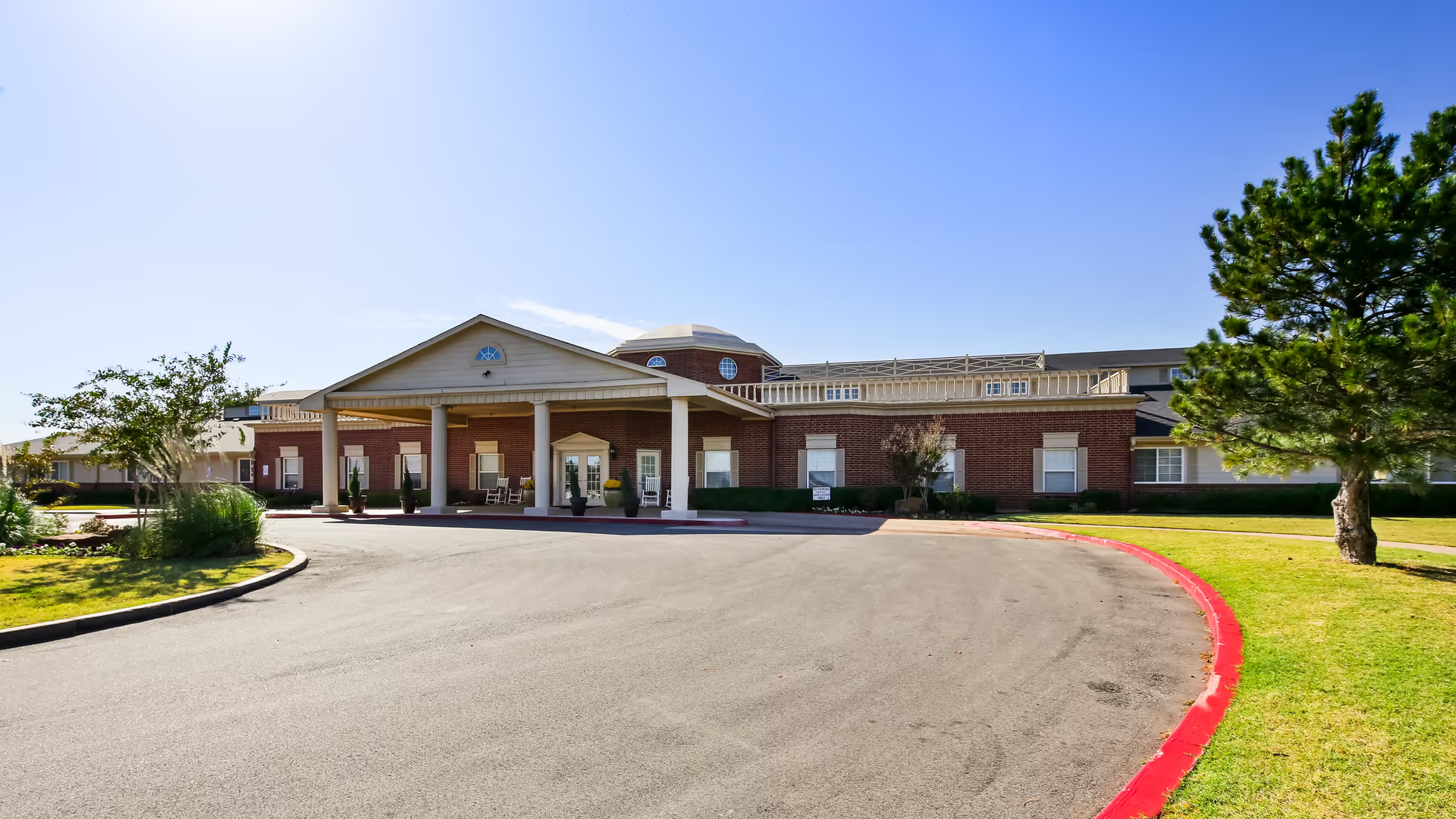
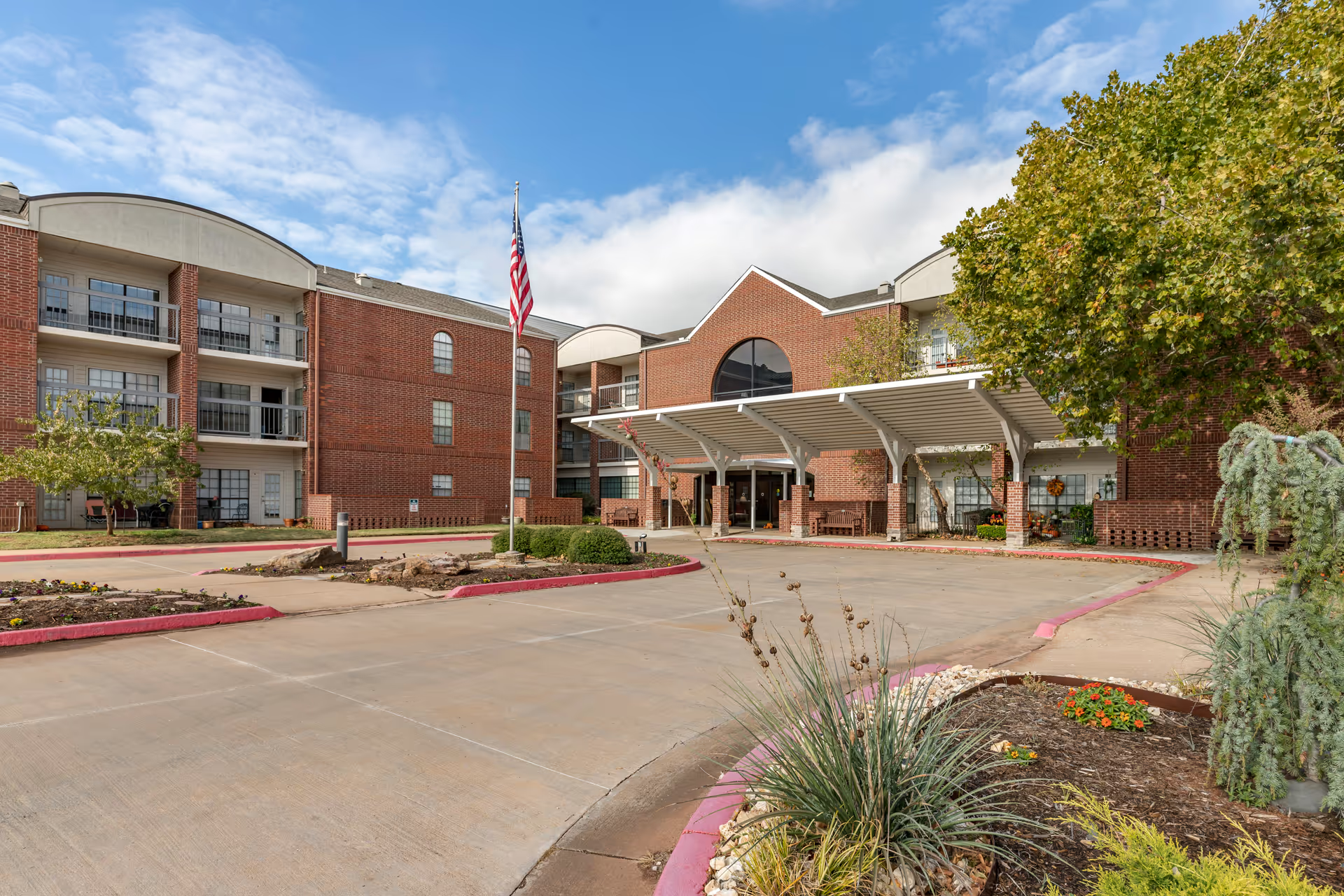
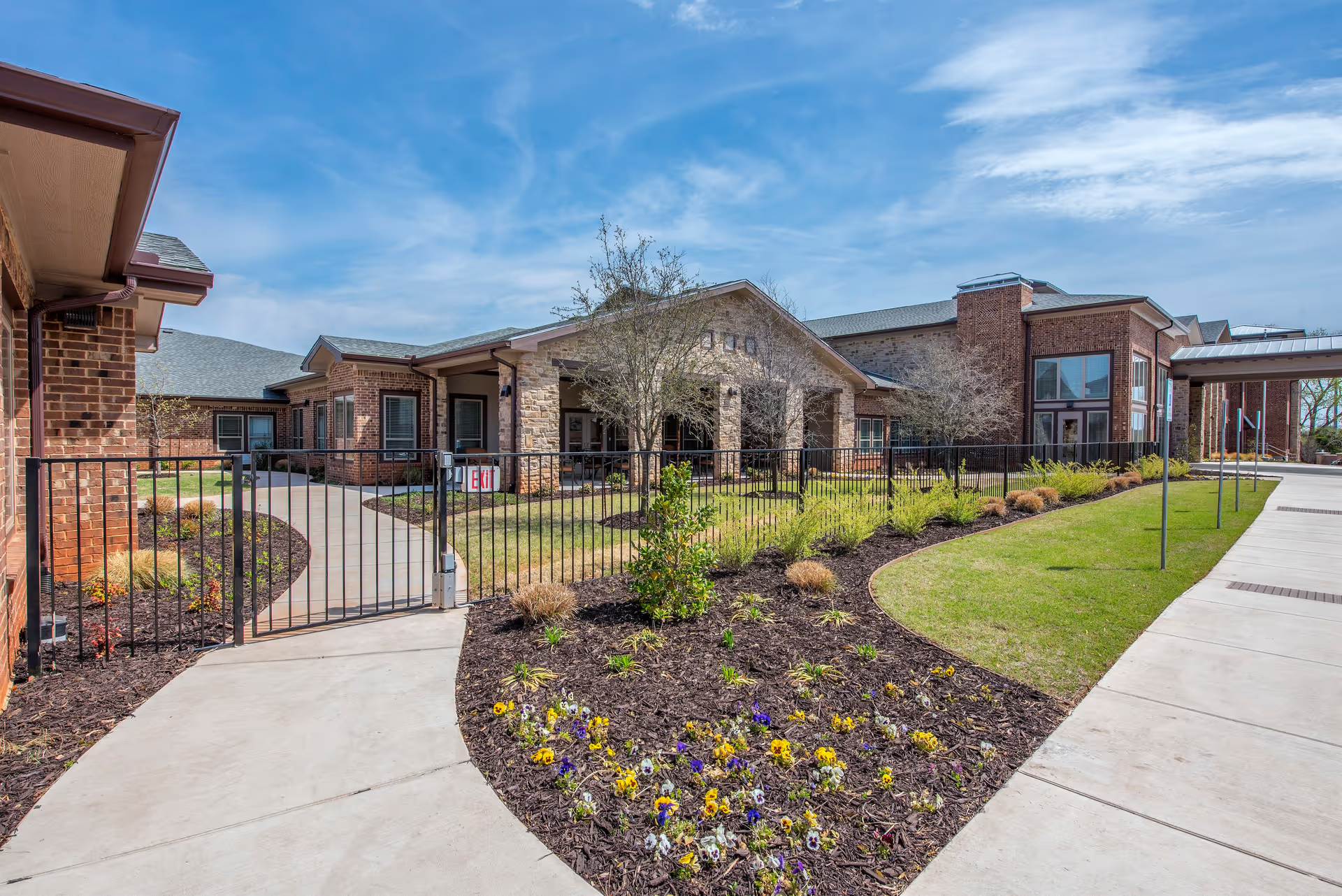
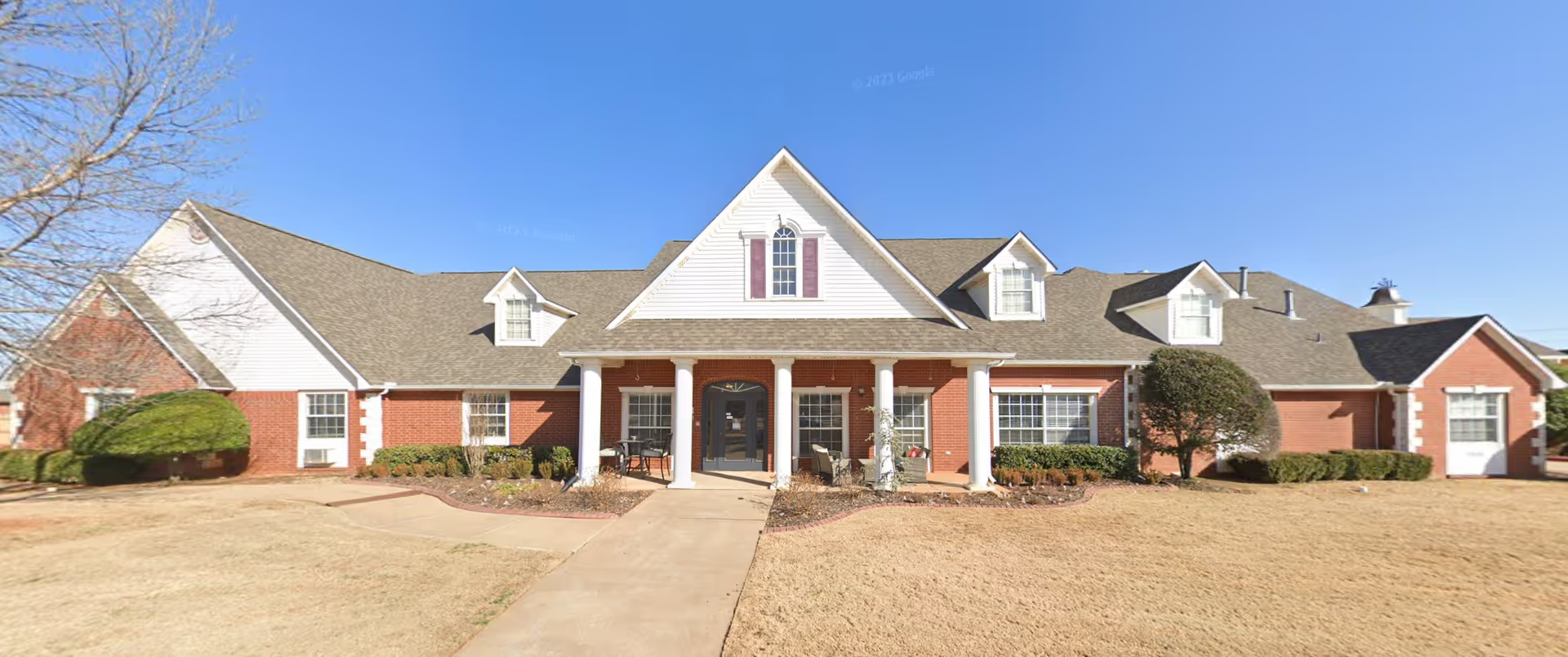
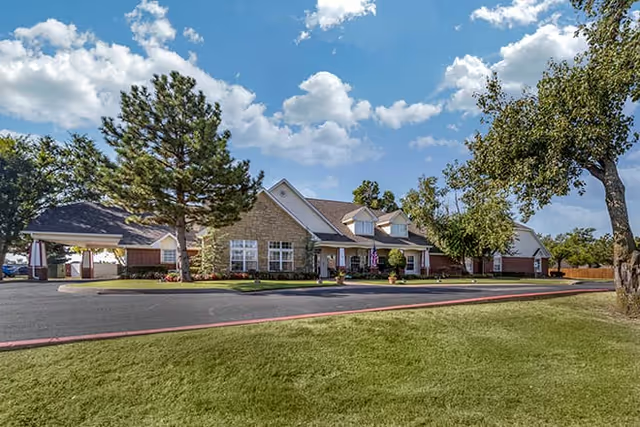
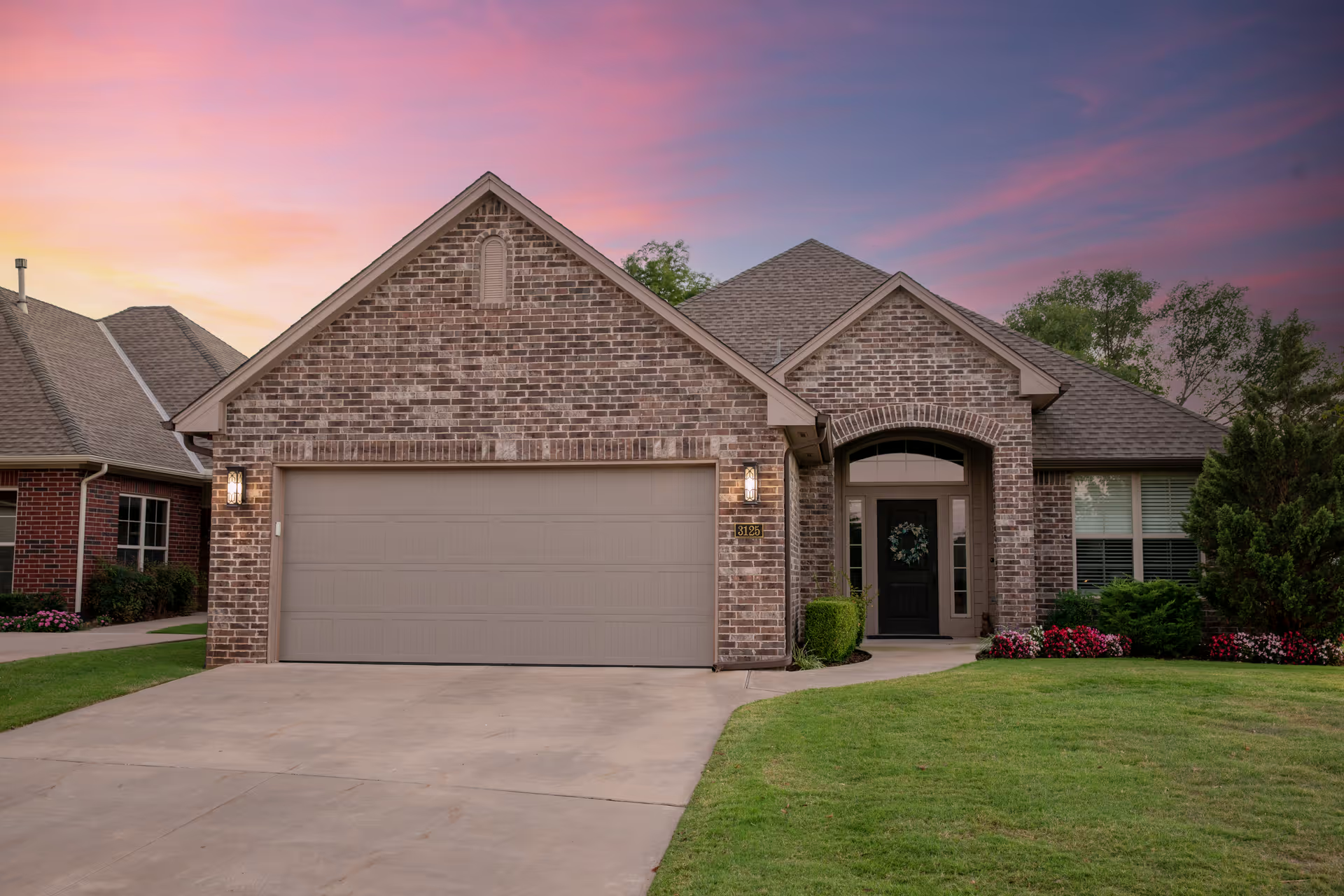
Overall impression: Reviews are strongly mixed. The building and apartments are frequently described as new, attractive and accessible for residents with mobility needs; many families note clean, well-kept common areas and apartments, useful on-site amenities, and a generally safe location. At the same time, operational consistency appears to be a recurring challenge: many reviewers describe positive experiences with specific staff members and programs, while others report serious lapses in day-to-day care and management follow-through.
Care quality and clinical operations: Accounts of clinical care vary from competent medication preparation and attentive nursing to concerning lapses in medication delivery, refill delays, and insufficient follow-up after incidents. Several reviewers praised nursing and medication teams for accuracy and responsiveness; others described occasions where nursing orders were not followed or where clinical events required emergent transport and inadequate family notification. These contrasting reports suggest uneven clinical practice and supervision across shifts.
Staffing and staff conduct: Staffing stability and tone of communication are uneven. Positive comments highlight compassionate, professional caregivers who go beyond routine duties. Conversely, there are frequent comments about high turnover, staff who are dismissive or avoid residents, and instances of inappropriate remarks or raised voices. This variability appears to affect resident experience directly and is linked in reviews to the facility’s operational reliability.
Dining and activities: Dining receives mixed feedback. Many reviewers appreciate nutritious, well-presented meals and a rotating menu; others report inconsistent food quality and concerns about dining-area cleanliness. Activity offerings are generally noted as a strength — arts, painting and social activities are mentioned — though some reviewers observed limited resident engagement in communal spaces, which may tie back to staffing levels or case mix.
Facilities and services: Physical design and amenities are cited as strong points: ADA-compliant bathrooms, spacious units, pleasant decor, and helpful on-site services. Operational issues include pest-control concerns in some units, persistent sanitation inconsistencies, unreliable laundry service with delayed or unfulfilled garment replacement, and complaints that the kitchen is undersized for the stated resident capacity. Noise and poor sound insulation are also noted as reducing privacy in several units.
Management, admissions, and communication: Management responses and admissions procedures drew frequent criticism. Positive reviews identify an organized, responsive admissions/tour experience and capable leadership; negative reviews describe confusing or opaque assessment decisions, perceived single-person gatekeeping, bureaucratic barriers (including a limited validity window for assessments), and difficulties securing promised services. Family communication around incidents and care changes is another consistent point of contention, with reviewers requesting clearer protocols for notification and follow-up.
Notable patterns and guidance for families: The overall pattern is variability — the facility’s physical environment and some staff/teams are strong, while operational reliability (staffing consistency, medication and housekeeping processes, admissions clarity, and family communication) is uneven. Prospective residents and families should consider an on-site visit focused on operational details: ask about staff turnover rates and shift coverage, medication-administration and refill protocols, incident-notification policies, pest-control and housekeeping procedures, laundry replacement guarantees, kitchen staffing and meal-service plans, transportation availability, and the formal appeals process for admissions decisions. Verifying these items in writing and speaking with current residents and families can help assess whether the facility’s strengths align with an individual resident’s needs.