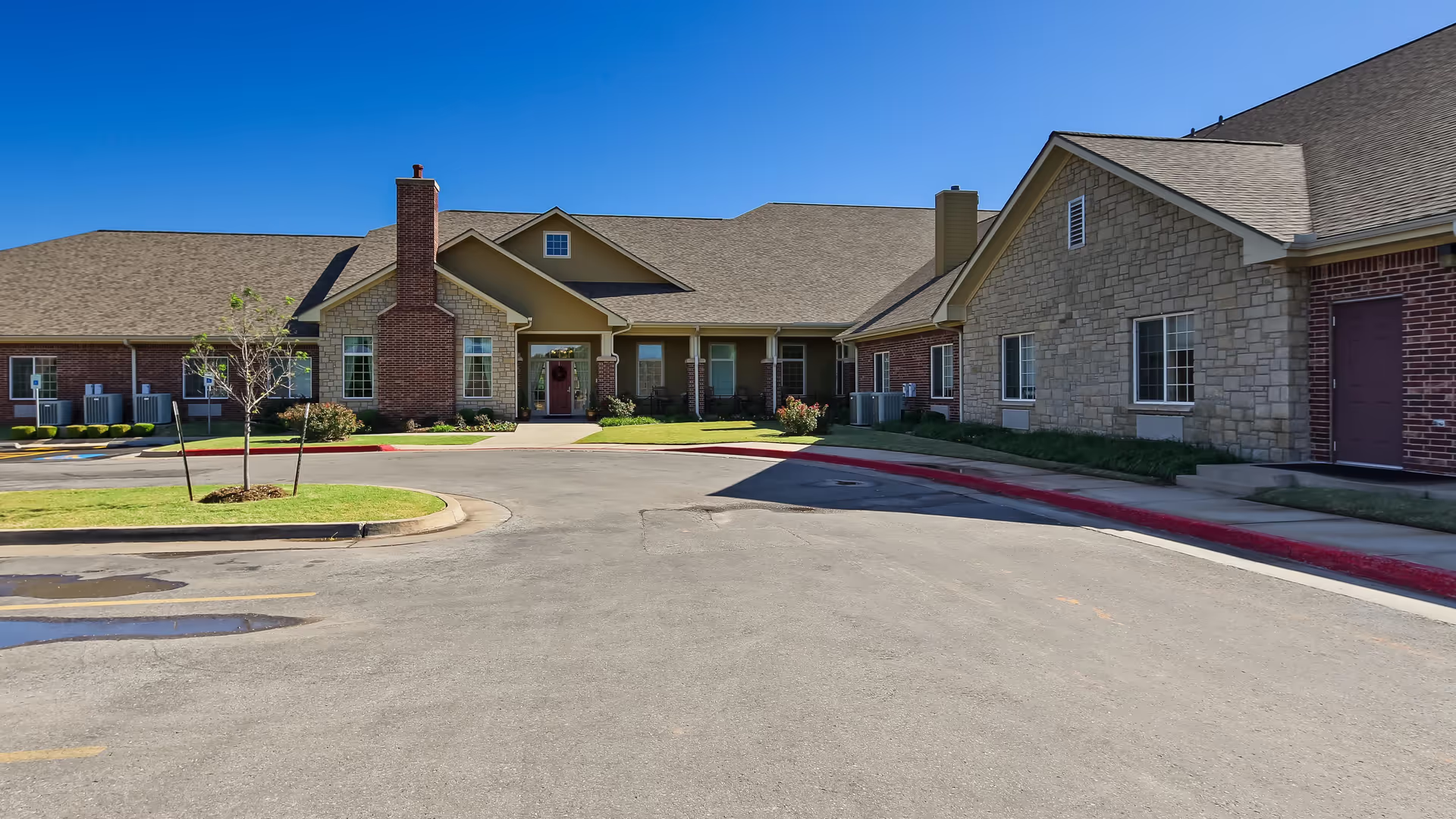
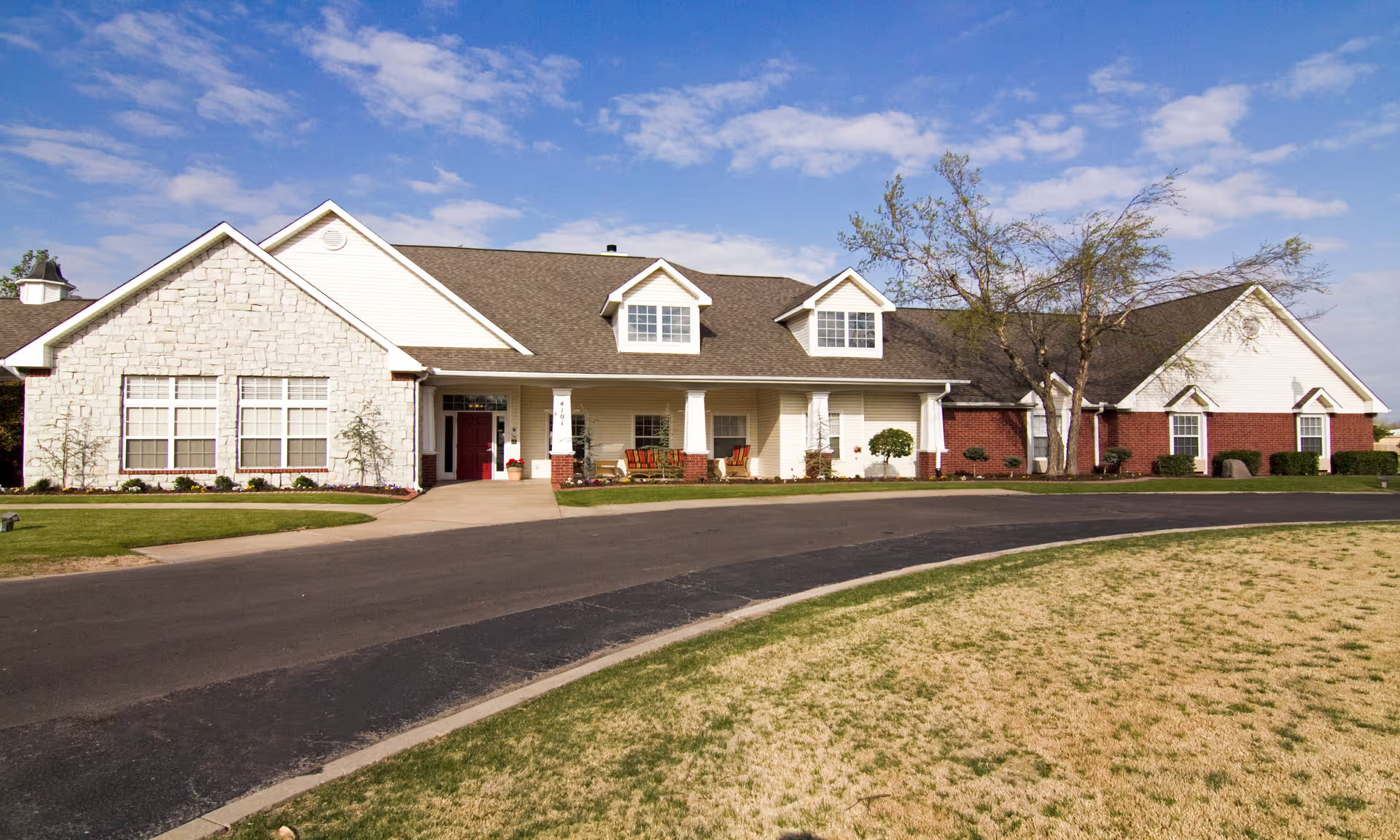
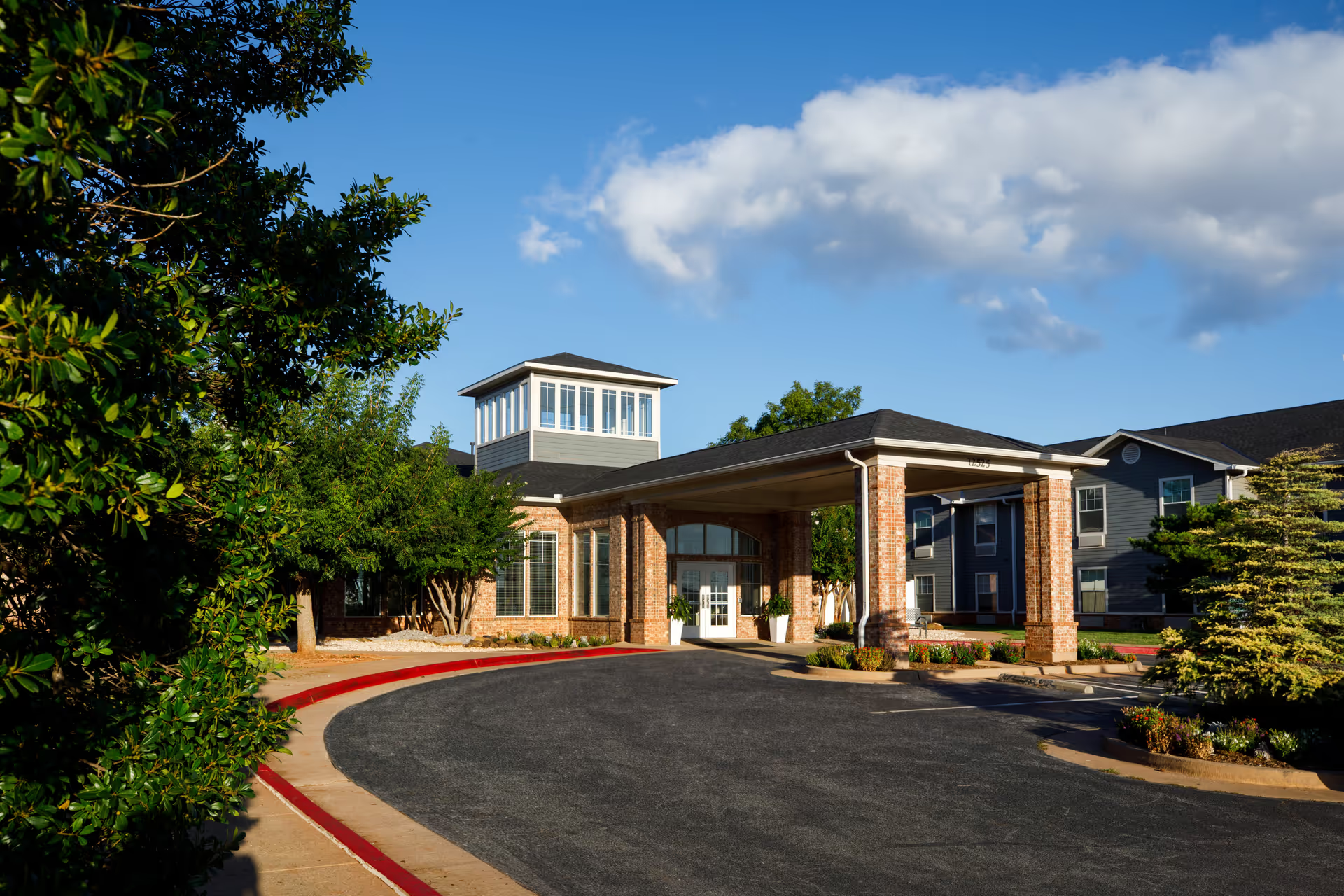
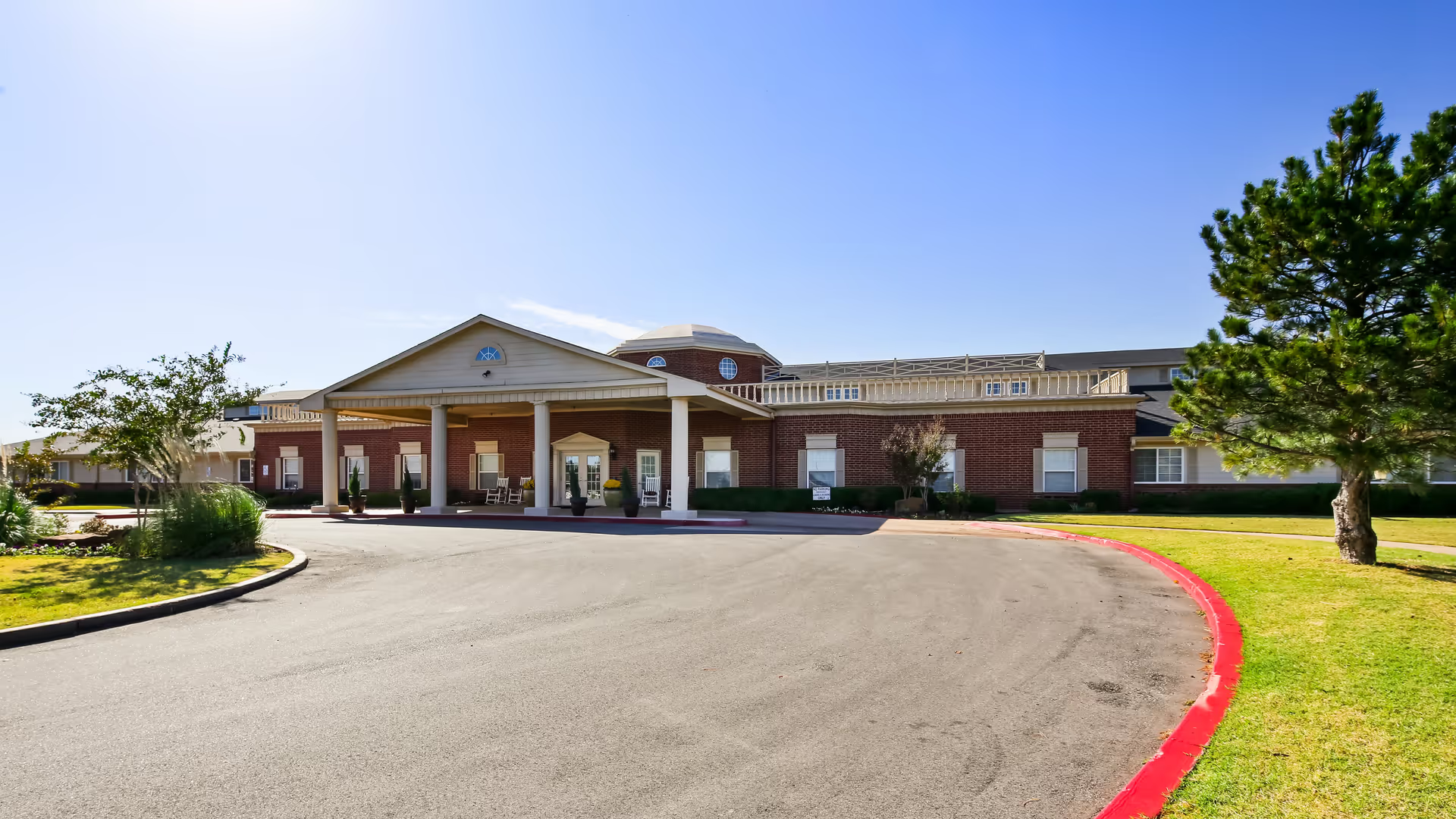
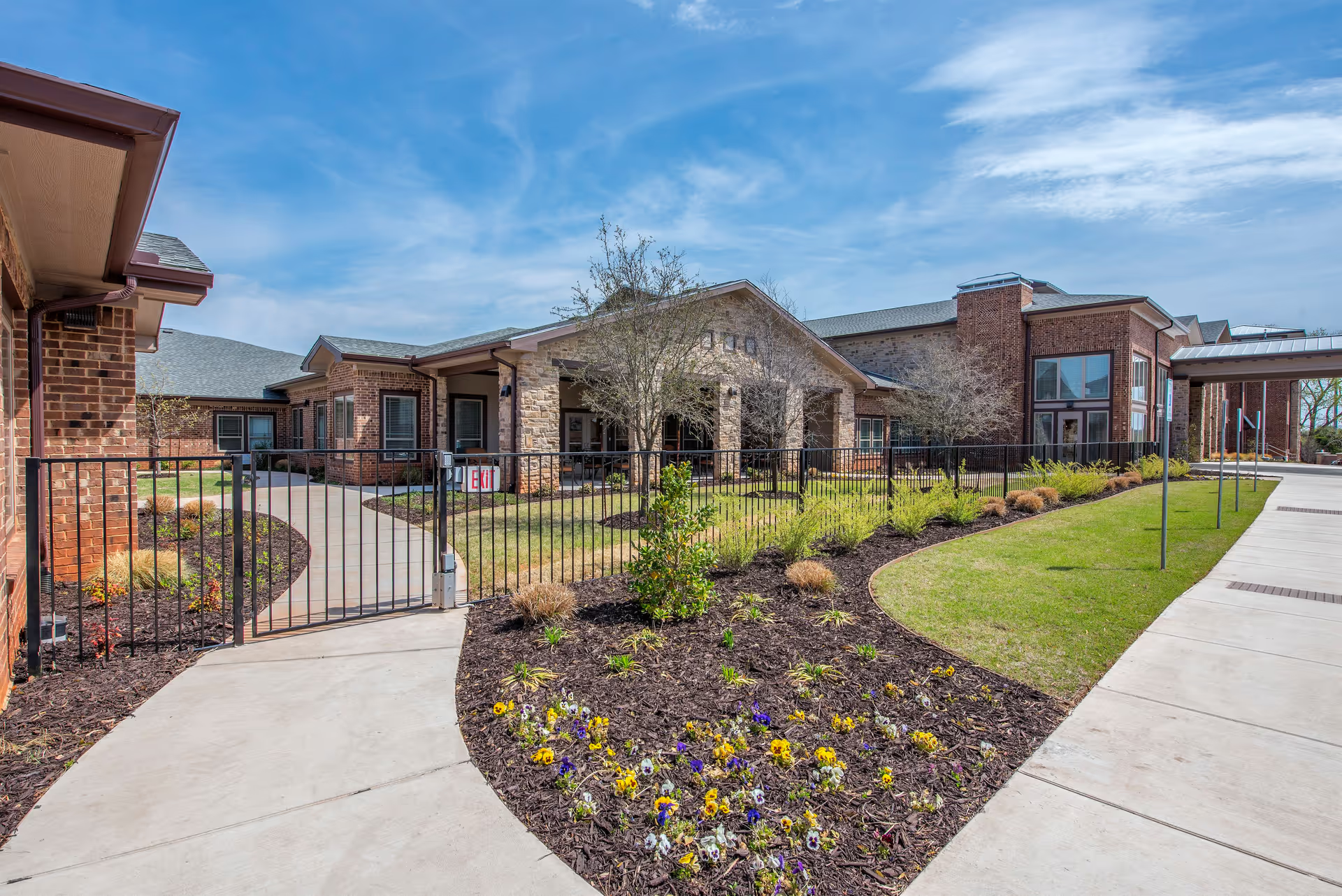
Overall impression Morada Lake Hefner is described as a small, home-like assisted living community with a compact single-level layout and an attractive inner garden. Many families highlight the community’s welcoming atmosphere, friendly dining room, and a close-knit feel that supports familiarity between staff and residents. The facility offers a continuum of care that can extend toward higher-acuity services, and reviewers frequently cite convenience of location and ease of visitation for family members.
Care and staff Care staff receive consistent praise for being attentive, compassionate, and personable. Reviewers commonly describe staff who know residents by name, provide prompt responses to call buttons, and are proactive in family communication. At the same time, there are recurring concerns about inconsistent staffing coverage—notably weekend and off‑shift shortages—and turnover among nursing and management personnel. These operational staffing gaps are associated with delays in routine care tasks, variable responsiveness, and uneven preparedness for higher-acuity needs. Several accounts also indicate that some clinical services are delivered by contracted home‑health providers rather than in‑house teams, which can create discontinuities in clinical oversight and coordination.
Dining and activities Dining is a prominent feature of the community’s appeal: the on-site chef and kitchen staff receive multiple compliments and the dining experience is described as pleasant and social. However, reviewers also describe variability in food quality and menu execution, fixed meal-service times, and recent kitchen staff losses that have affected consistency. Activities programming is another strength when staffing is stable; an energetic activities director and a range of games, exercise classes, and outings contribute to resident engagement. That said, activity offerings can be limited on weekends or during periods of infection-control restrictions, and some families wished for clearer policies about outings and outside services.
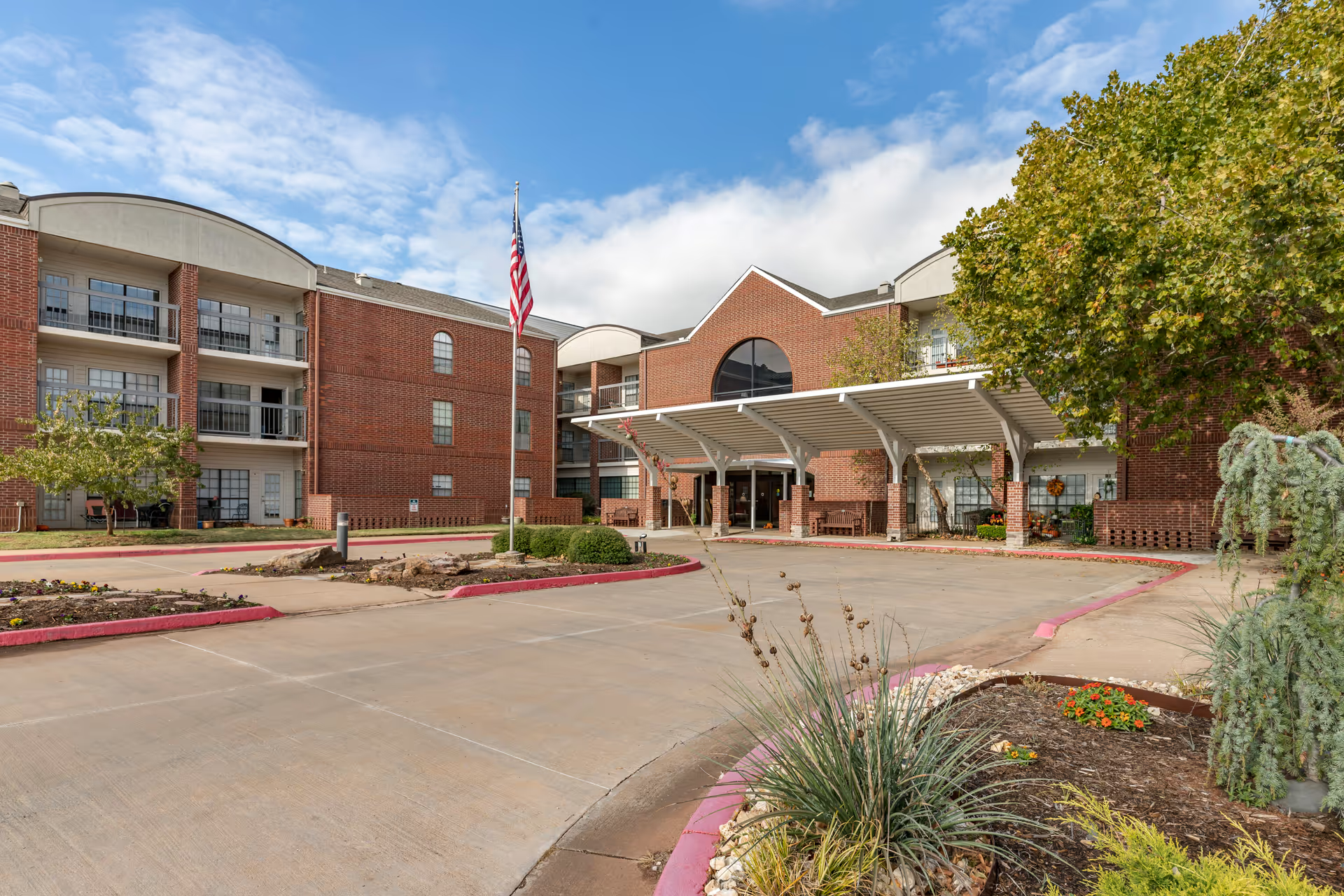
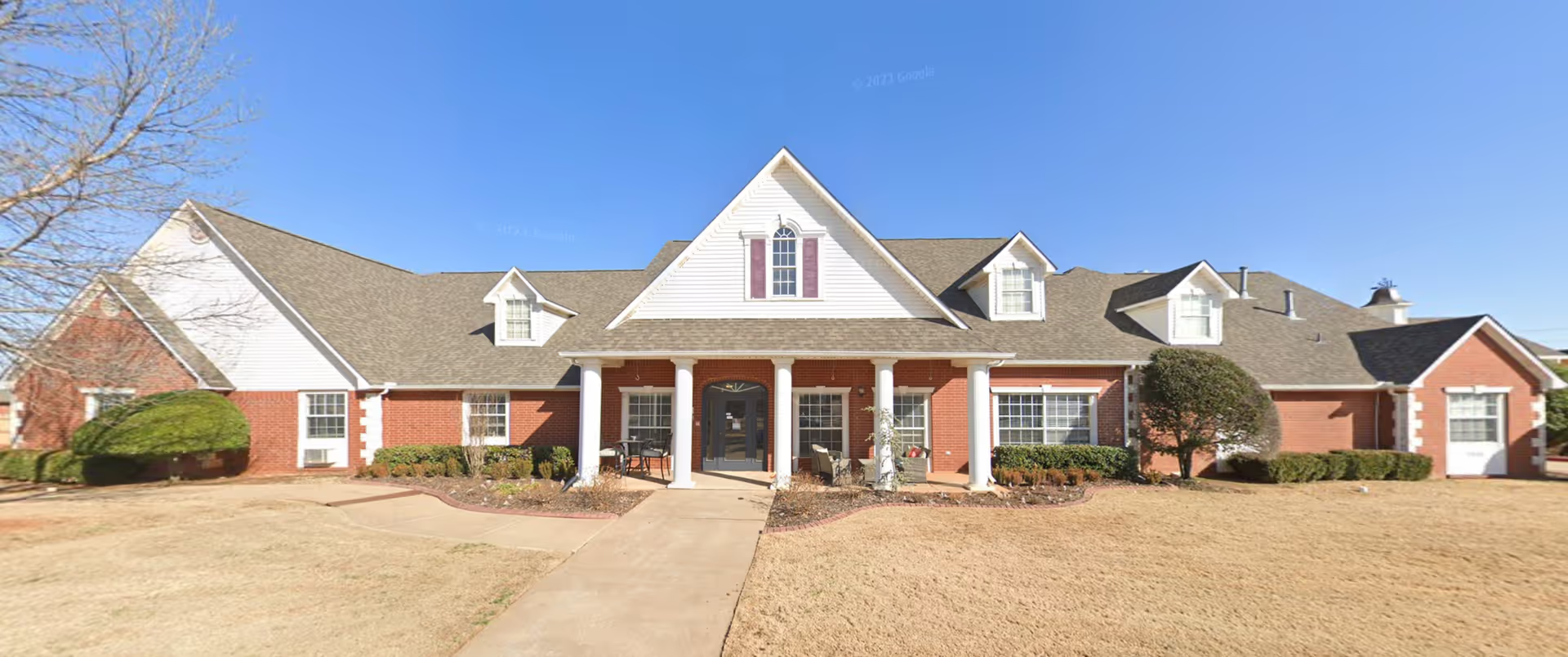
Facilities and maintenance The facility’s small scale and single-level design are seen as advantages for residents seeking a homelike environment and easy navigation. Common areas and housekeeping are frequently noted as clean and well cared for, and maintenance responsiveness is viewed positively. Conversely, the building is older: apartments are generally small, some finishes (carpeting, carpeting wear) feel dated, and a few reviewers raised odor or sanitation concerns in specific areas. Prospective residents should weigh the homelike atmosphere against the need for modernization in parts of the physical plant.
Management, operations, and notable patterns Comments about leadership are mixed. Several families describe a friendly, helpful director and responsive corporate support in addressing issues; others report management turnover, broken promises, and administrative problems such as billing disputes, over-withdrawals, and delays in refunds. These operational inconsistencies—combined with staffing fluctuations—are the most frequent sources of dissatisfaction. There are also isolated serious concerns (e.g., theft allegations, disputes following a resident’s death) that underscore the importance of careful contract and communication review before move-in.
What to clarify on a visit Given the pattern of strengths and weaknesses, prospective families should verify current staffing levels (especially weekend and night coverage), turnover rates for nursing and management, whether clinical services are in‑house or contracted, meal flexibility, the community’s billing and refund policies (including notice requirements), and current activity/outing schedules and infection-control rules. A focused tour that asks for documentation or examples of recent staffing stability, kitchen operations, and maintenance work can help determine whether this community’s operational practices fit an individual resident’s needs.
Balance In summary, Morada Lake Hefner is commonly praised for its caring frontline staff, engaging activities when staffed, pleasant dining experiences, and a small, welcoming environment. Simultaneously, persistent operational issues—chiefly inconsistent staffing, management turnover, administrative/billing irregularities, and an aging physical plant—are important considerations. Families who prioritize a small, personable setting with strong daily social programming may find this community appealing if they confirm current operational stability and clarify administrative processes prior to move-in.