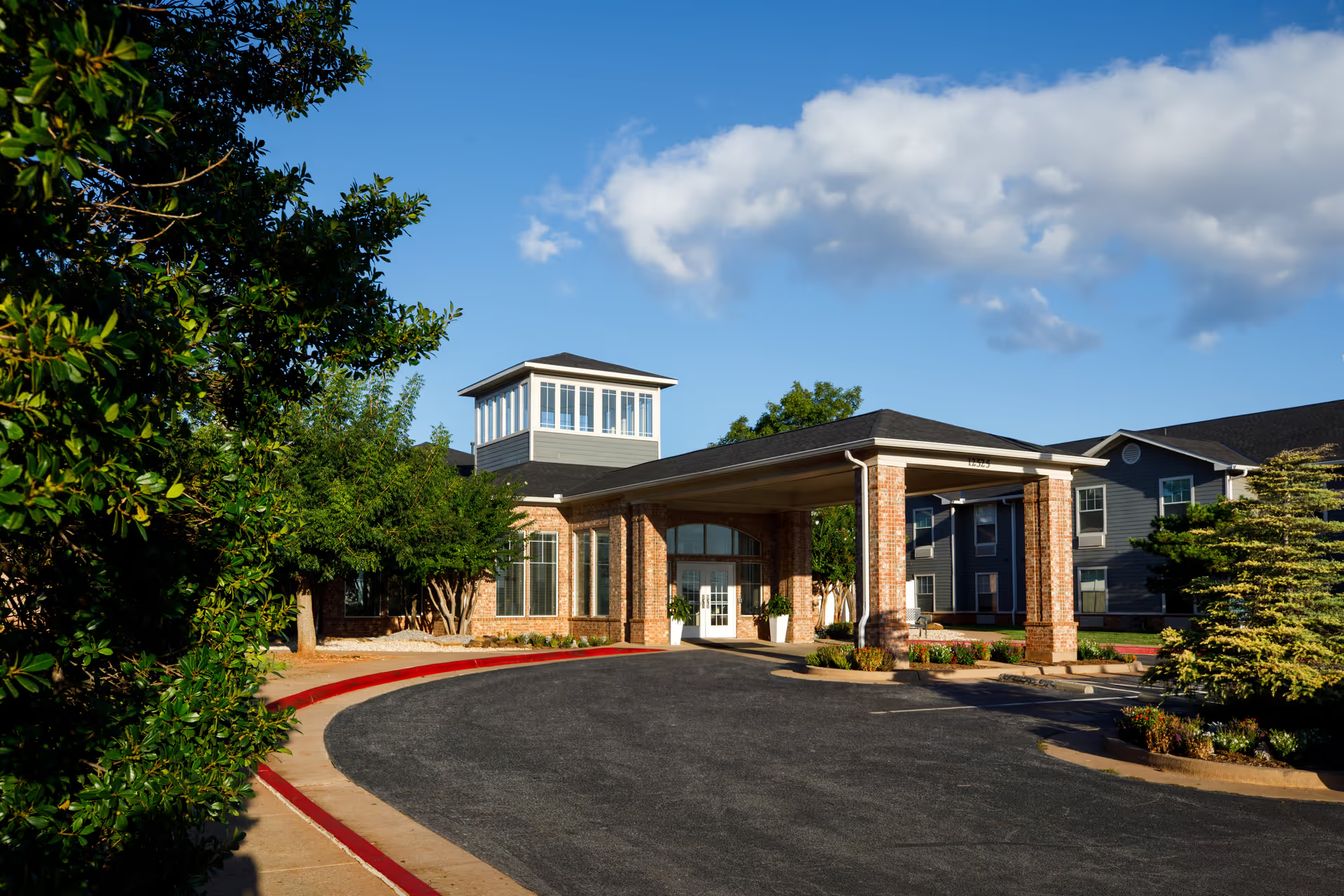
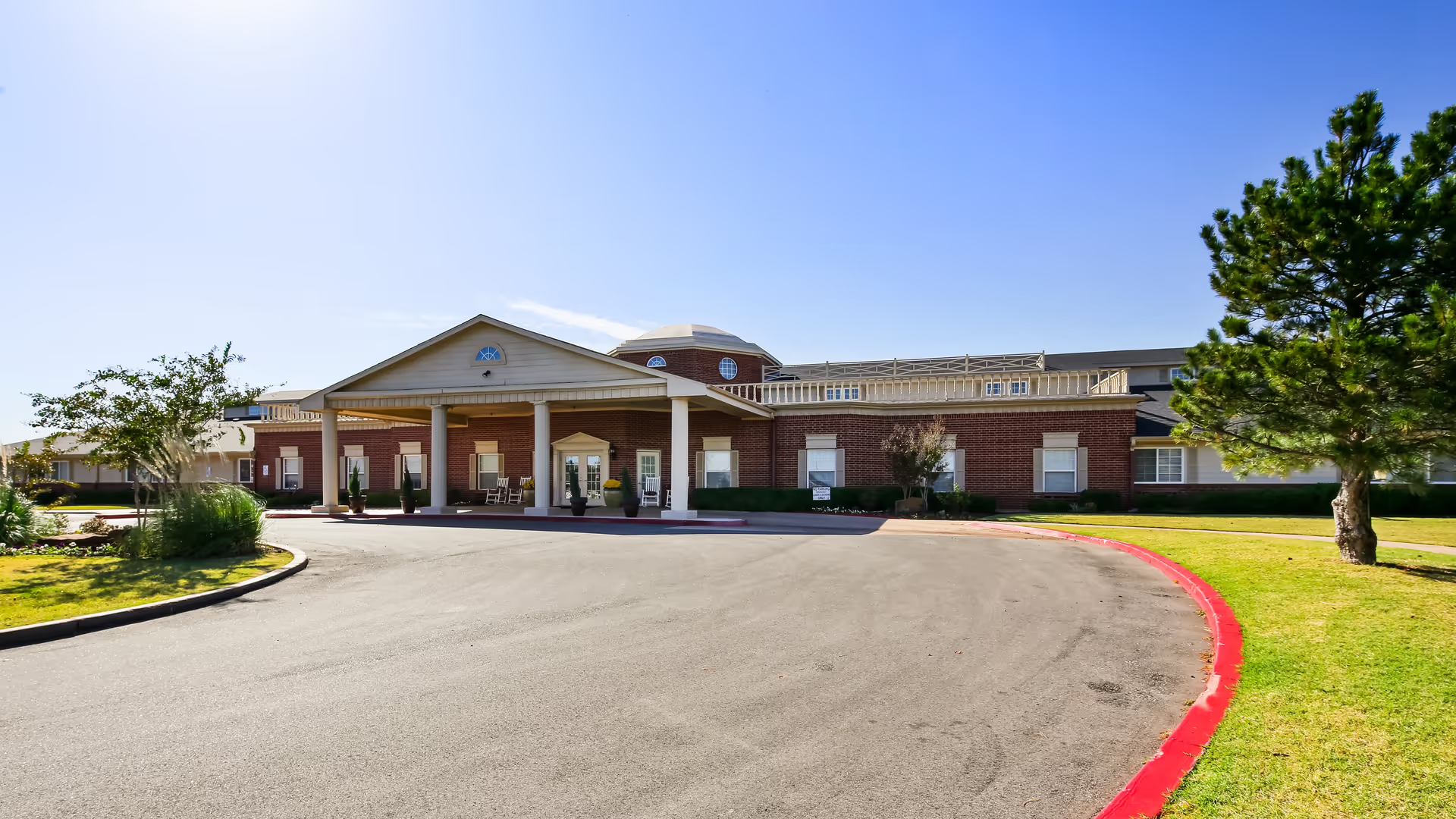
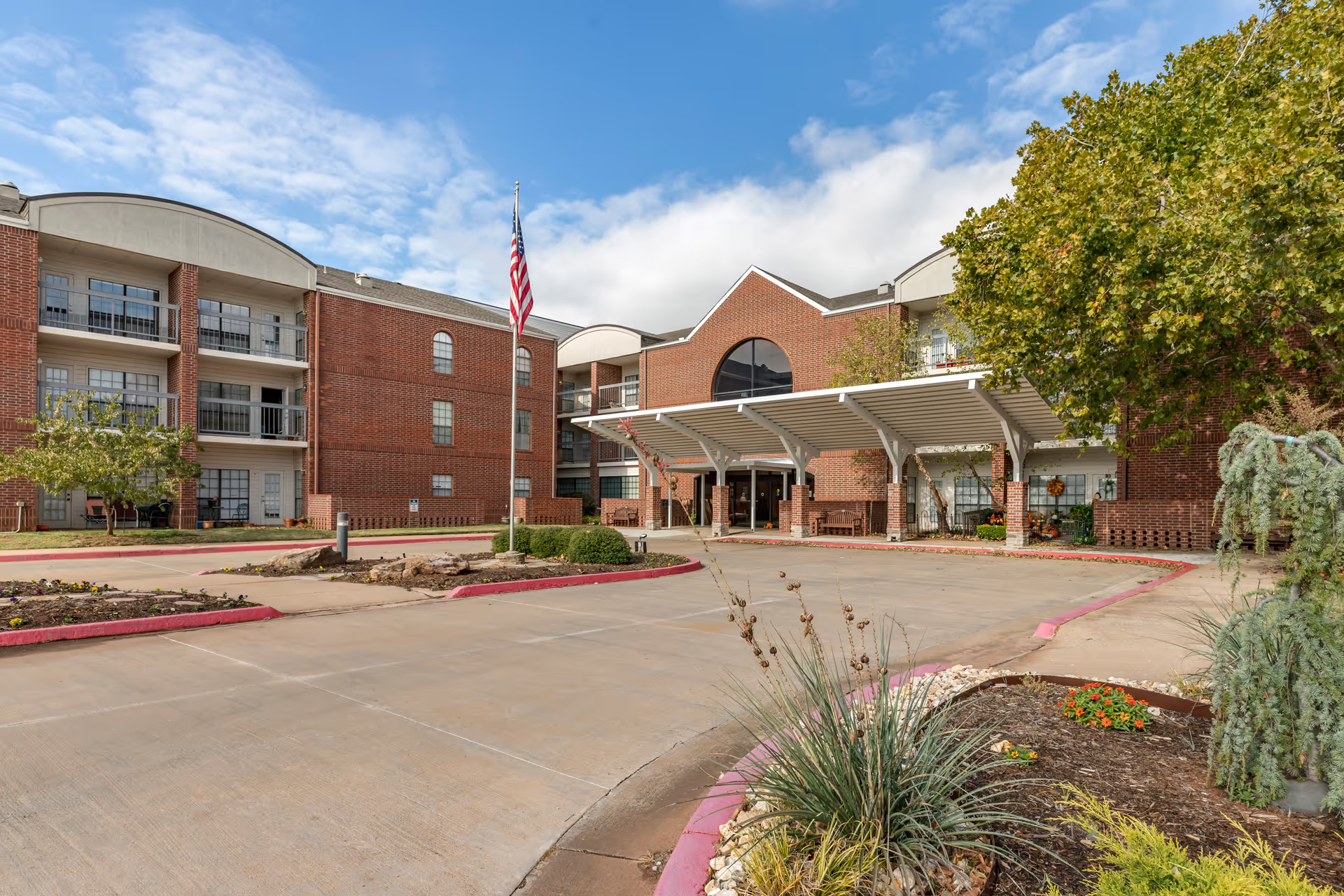
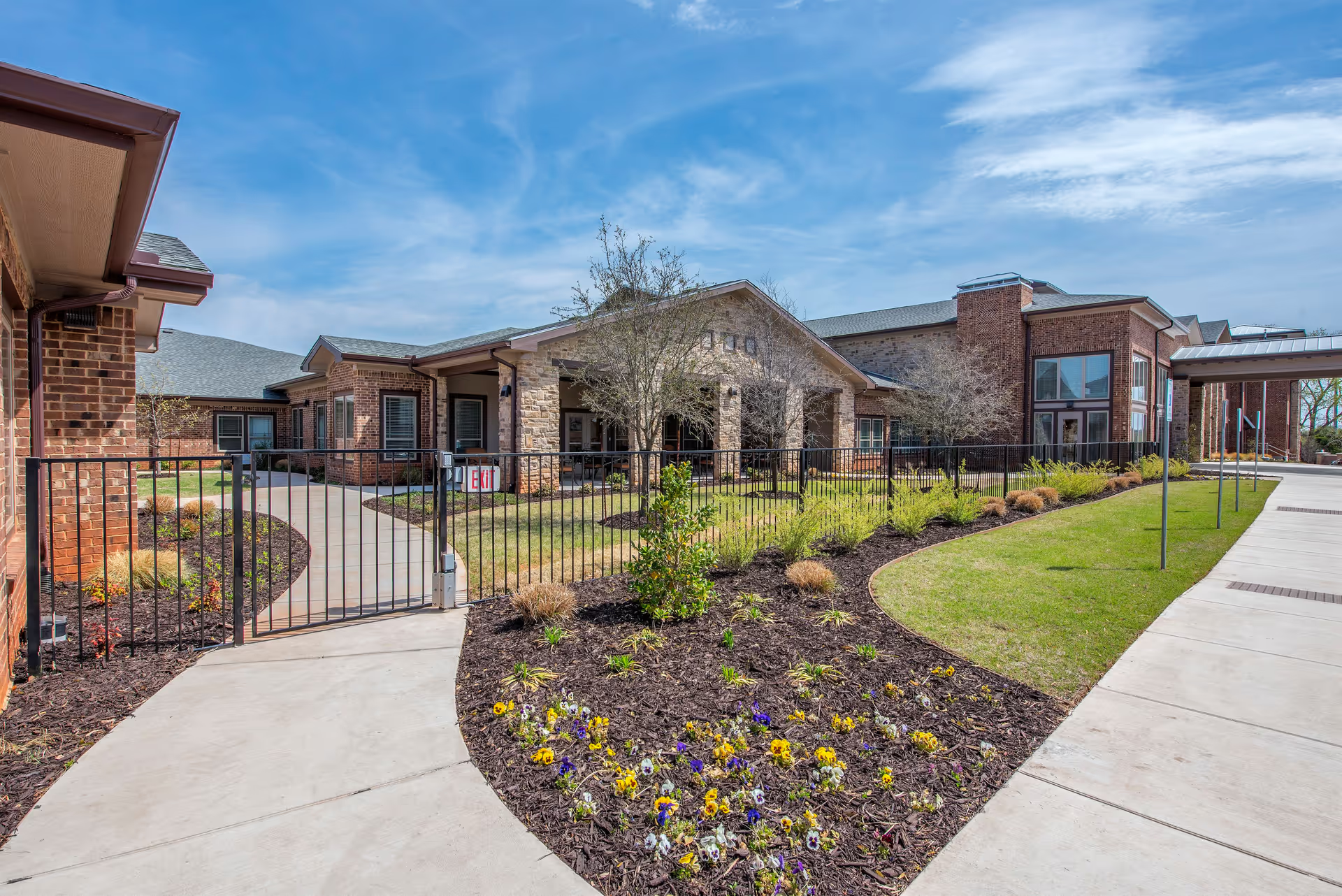
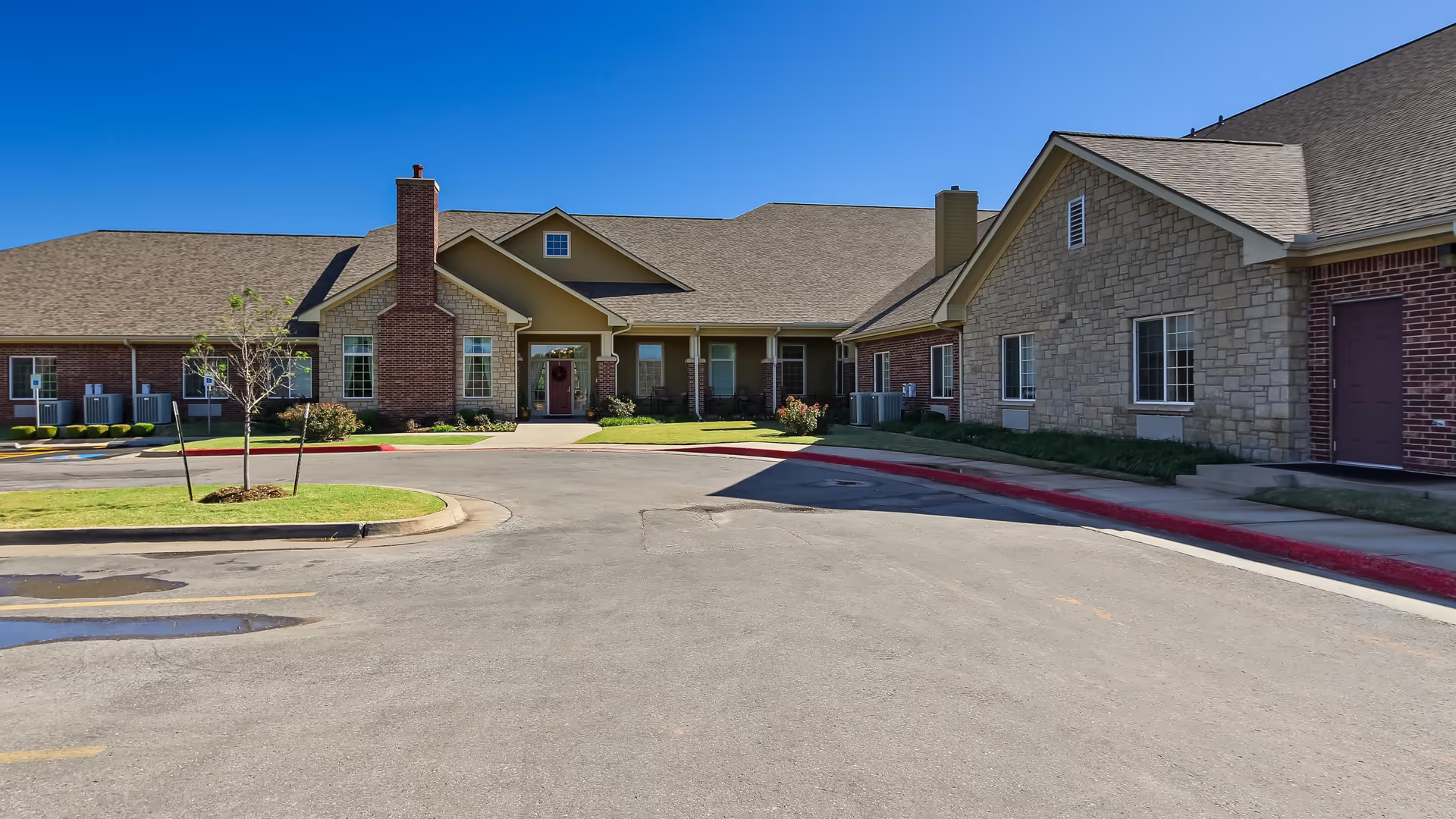
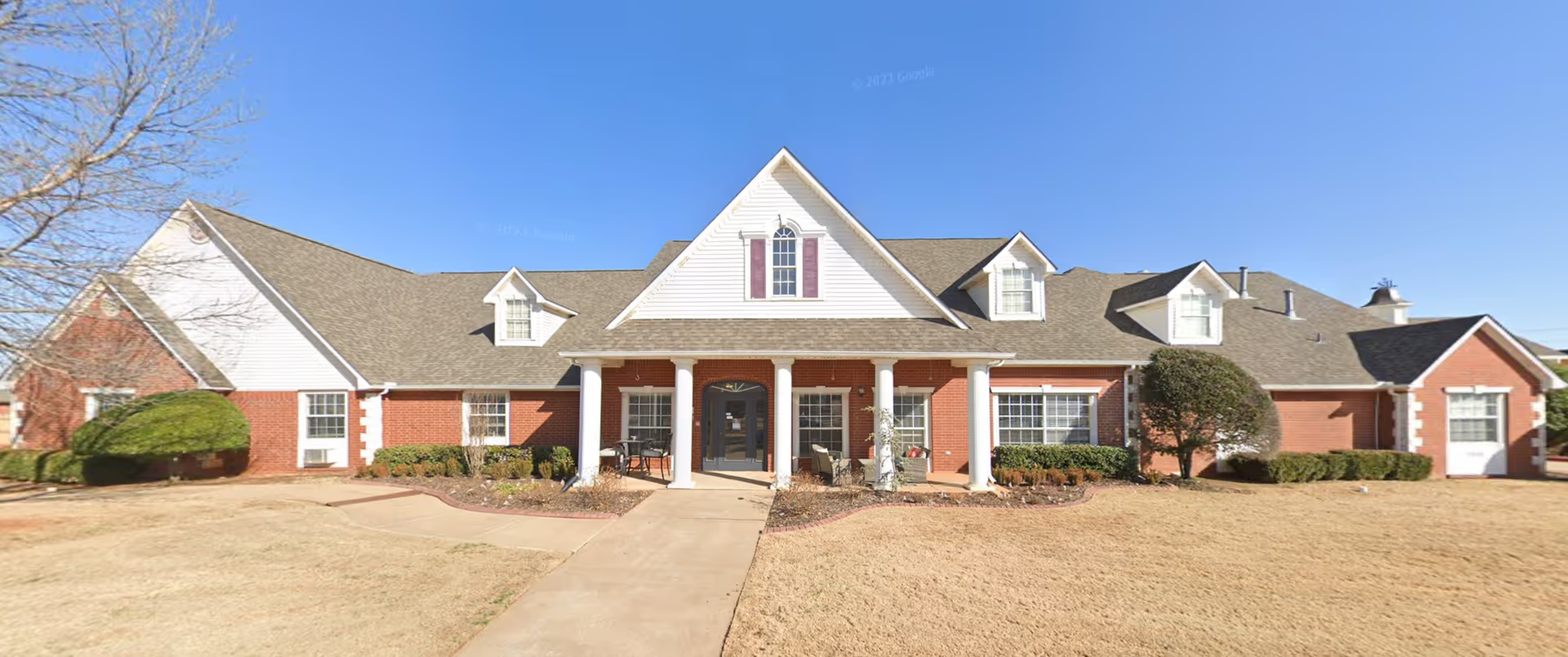
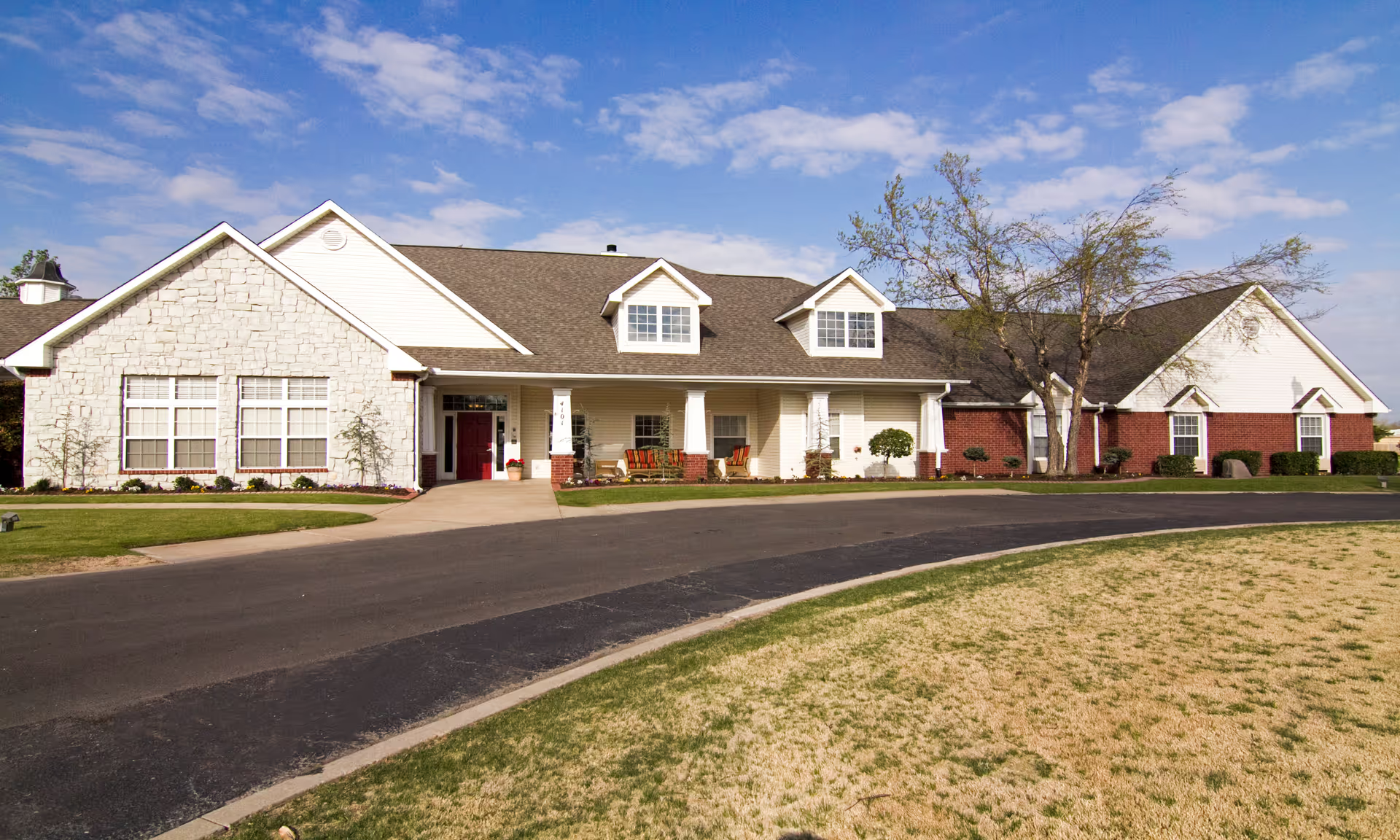
Overall impression Radiance Senior Living at the Village (Brookdale Village) generates strongly mixed but specific impressions. Many families and residents emphasize compassionate, attentive caregiving, effective hospice coordination, and a generally clean, well-maintained campus with attractive pond-side outdoor space and private apartment features (private baths, walk-in closets, large rooms, good views). The facility's small, one-floor layout and active admissions coordination produce a welcoming experience for move-ins and enable personalized attention for many residents.
Care and staff Caregiving staff receive frequent praise for kindness, responsiveness, and family communication; examples include attentive nurses and aides, quick issue resolution, daily checks, and staff who remember visitors. Coordination of transitions and hospice is noted as a strength. At the same time, a recurring pattern of variability appears: families describe uneven staff availability (weekend and post-move coverage gaps), slower responses during some shifts, and concerns about consistency of training and supervision, particularly overnight. Several families expressed worries about medication-management processes and recommended confirming medication protocols and oversight during the tour and contract discussions.
Dining and nutrition Feedback on dining is polarized. Specific items such as appetizers, desserts, and holiday meals (for example Thanksgiving) are positively noted, and some reviewers say meals improved after feedback. However, a consistent criticism is bland or institutional-style cuisine, inconsistent quality, and limited perceived nutritional value. Prospective residents should sample meals, ask about menu cycles and special-diet accommodations, and inquire how dietary feedback is handled.
Activities and memory care Activities are a clear strength: painting, coloring, exercise classes, social events, and other programming are regularly mentioned and contribute to resident engagement and socialization. The smaller community size supports individualized activities and family-focused gestures. The facility offers a memory-care option and several reviewers described safe, well-managed transitions to memory units, though some noted that memory-care rooms are less furnished and that residents sometimes appear disoriented—suggesting a need to ask about orientation protocols and staffing ratios in the memory unit.
Facilities and operations Physical spaces are frequently described as bright, spacious, and well-kept: clean dining areas, exercise rooms, salon-less but ample activity spaces, and attractive grounds with wildlife. At the operational level, there are repeated mentions of service gaps: laundry mix-ups and broken laundry machines, intermittent heater or building-systems issues, and isolated sanitation or maintenance concerns. These indicate variability in facilities upkeep and in the timeliness of maintenance responses.
Management, communication, and value Admissions, move-in logistics, and initial tours are often highlighted as smooth and welcoming. Conversely, reviewers cite inconsistent communication after move-in, occasional unfriendly reception or front-desk interactions, and management responses that some families found insufficient. There are also cost/value concerns: several families describe high fees relative to perceived service level. Taken together, the pattern suggests that while leadership and admissions staff can be highly effective, ongoing operational consistency—staffing, maintenance, and communication—varies over time.
Notable patterns and guidance for families The dominant positive thread is a caring staff and a community that can noticeably improve residents' quality of life. The dominant negative threads are operational inconsistency: meal quality, staff coverage variability, medication-management processes, laundry/personal-item handling, and occasional maintenance reliability. For prospective residents and families, recommended pre-move verification includes: sample a meal, ask for staffing levels by shift and memory-care ratios, review medication-administration policies, clarify laundry procedures and lost-item resolution, inspect apartment furnishings in the memory unit if applicable, and obtain written maintenance-response commitments. These focused questions can help separate the consistently strong elements of the community from the operational areas that families suggest require monitoring or improvement.