Care quality at this campus is highly polarized across reviewers. Several families and residents praised compassionate nursing staff, attentive skilled-rehab teams, and strong therapy outcomes that contributed to good recoveries and peaceful end-of-life experiences. Conversely, other accounts raise serious operational concerns: delays in medication administration, inconsistent bathing and incontinence-care routines, wound/pressure-area management issues, and gaps in day-to-day clinical follow-through. These opposing impressions suggest variability in clinical execution between units and shifts rather than a uniform standard of care.
Staff performance and conduct are described in mixed terms. Many comments highlight warm, helpful, and professional employees — including named individuals and long-tenured staff who provide continuity and emotional support. At the same time, numerous reports describe inconsistent responsiveness, rough or hurried handling during care tasks, distraction during mealtimes, and interpersonal conduct problems; staffing shortages and turnover are frequently cited as contributing factors. Night coverage and after-hours responsiveness were specifically noted as weaker areas.
Dining and activities are generally seen as strengths for the independent-living population: reviewers mention creative menus, attractive dining rooms, generous portions, and a broad calendar of social programs, outings, fitness classes, and special events. Independent-living cottages, however, may have limited in-unit cooking amenities (small refrigerators and microwaves rather than full kitchens) and restricted dining options compared with full apartments. Memory-care activity engagement is uneven in some accounts — some residents experience robust programming, while others describe limited interaction and under-stimulating routines.
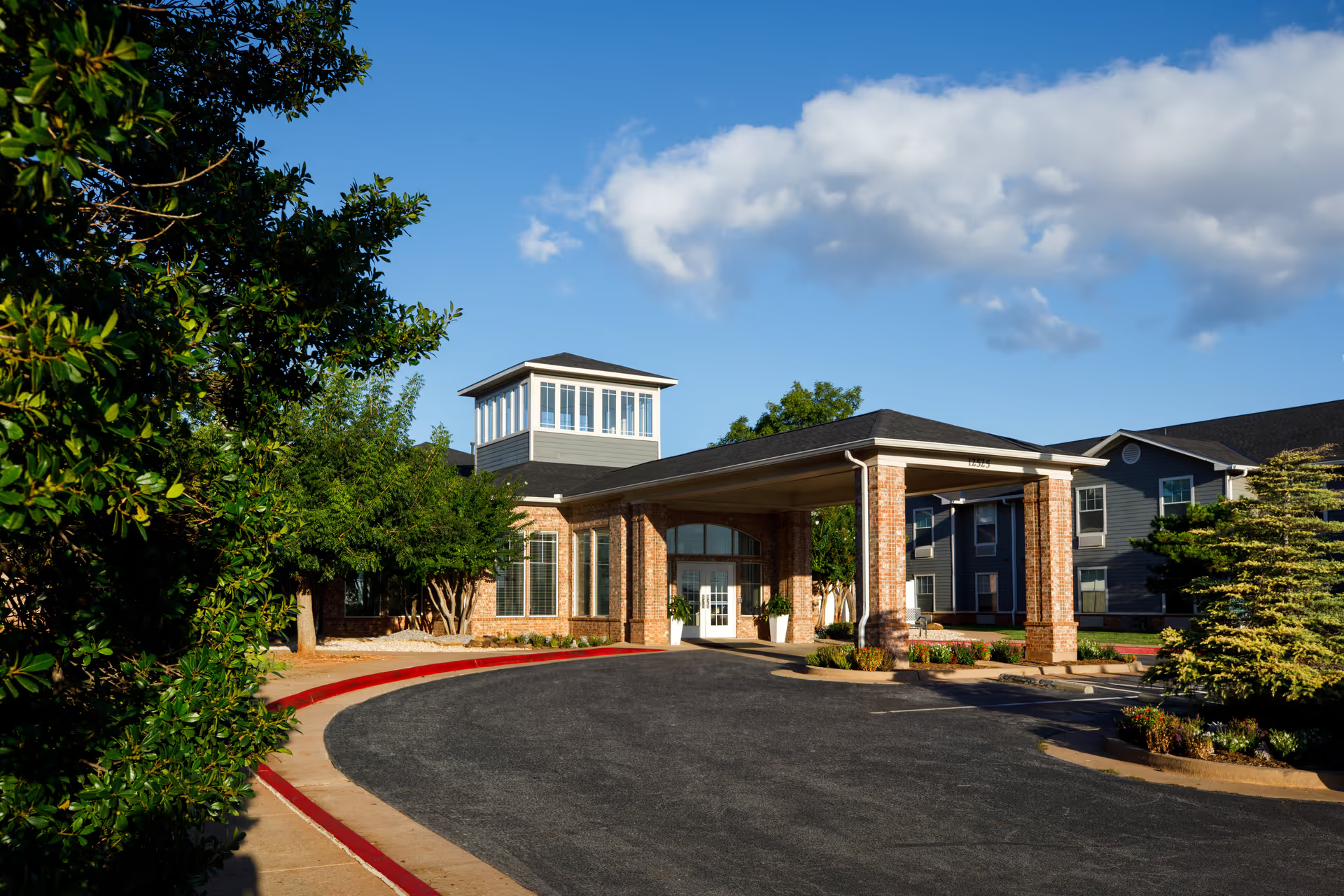
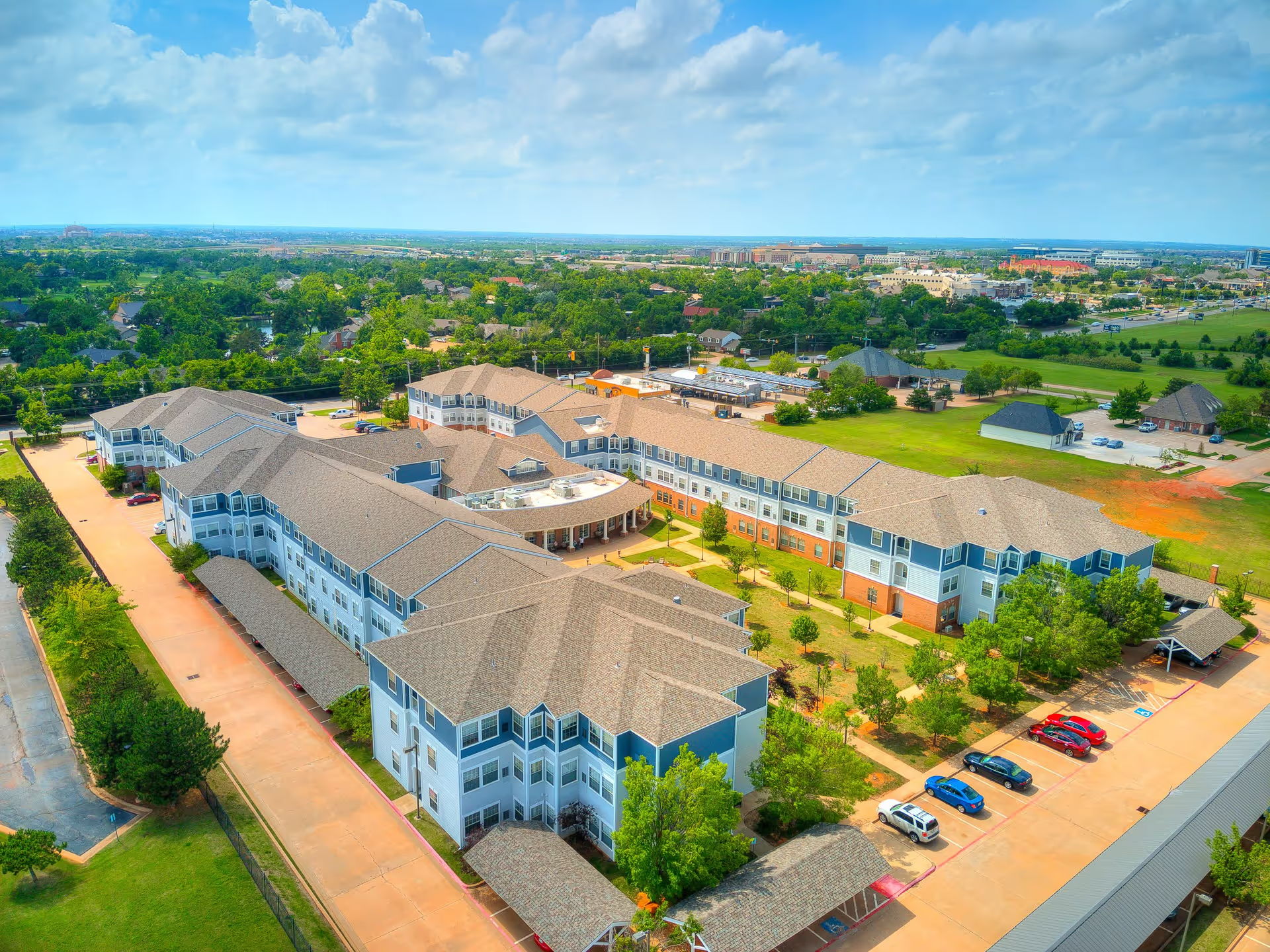
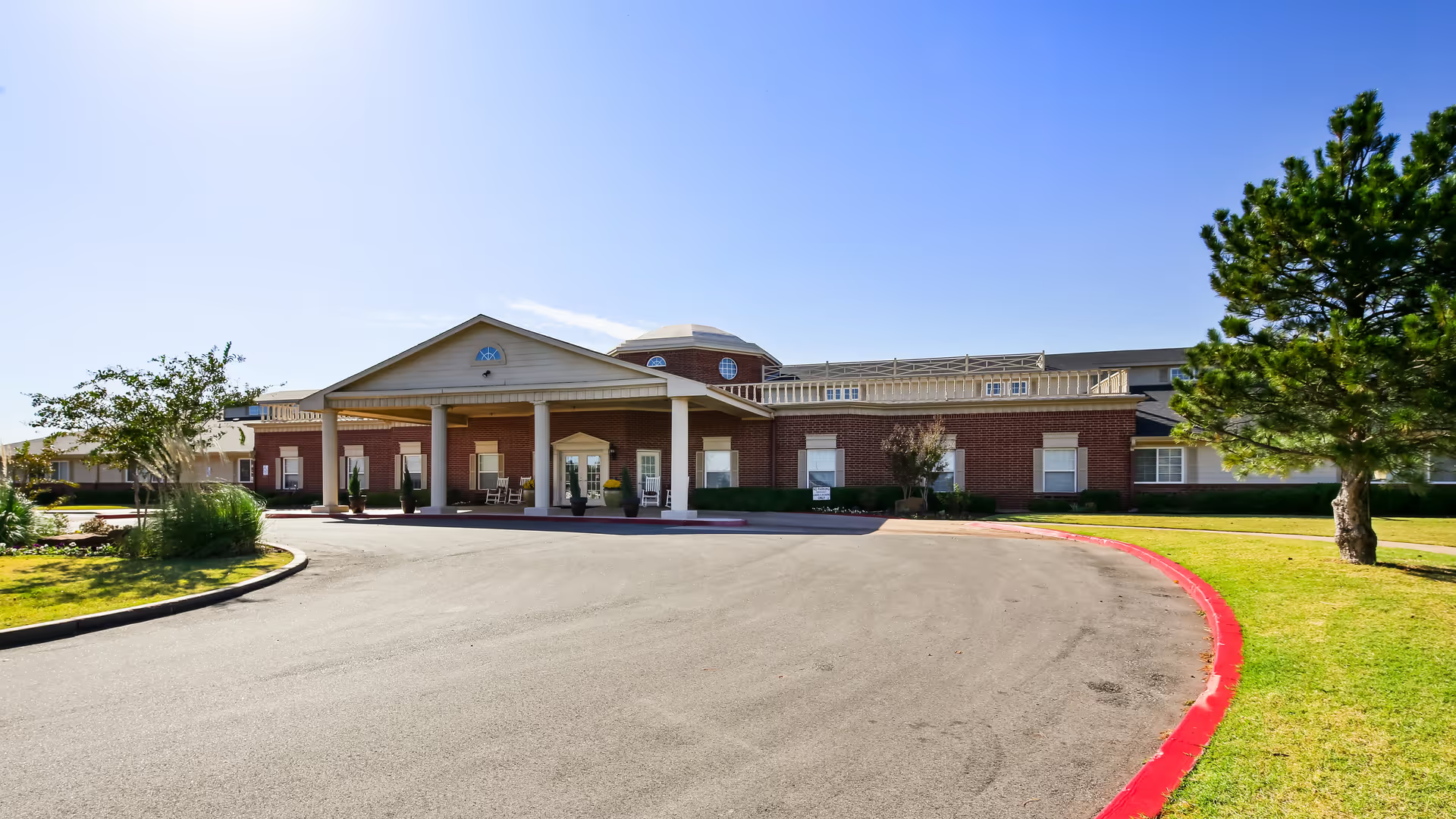
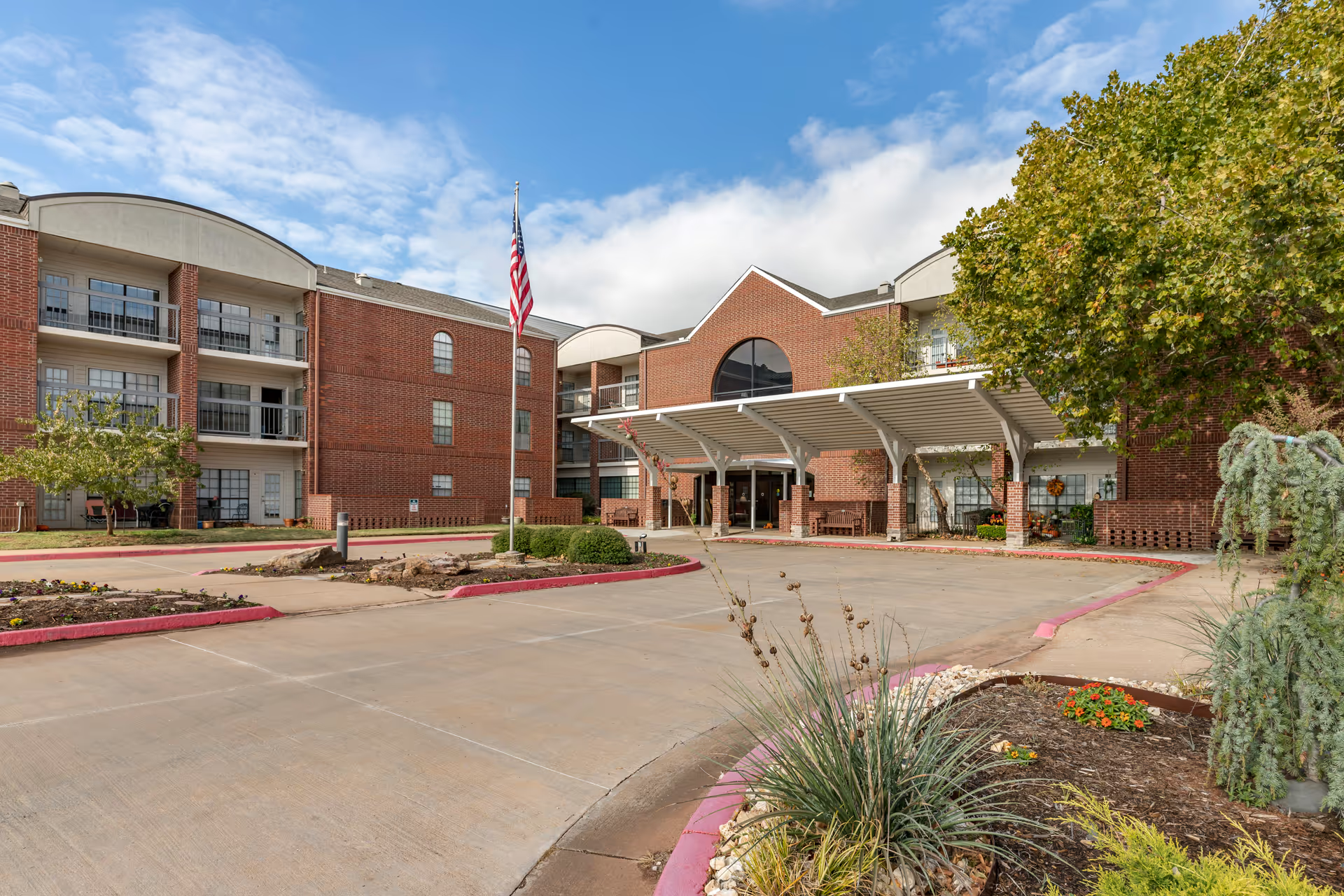
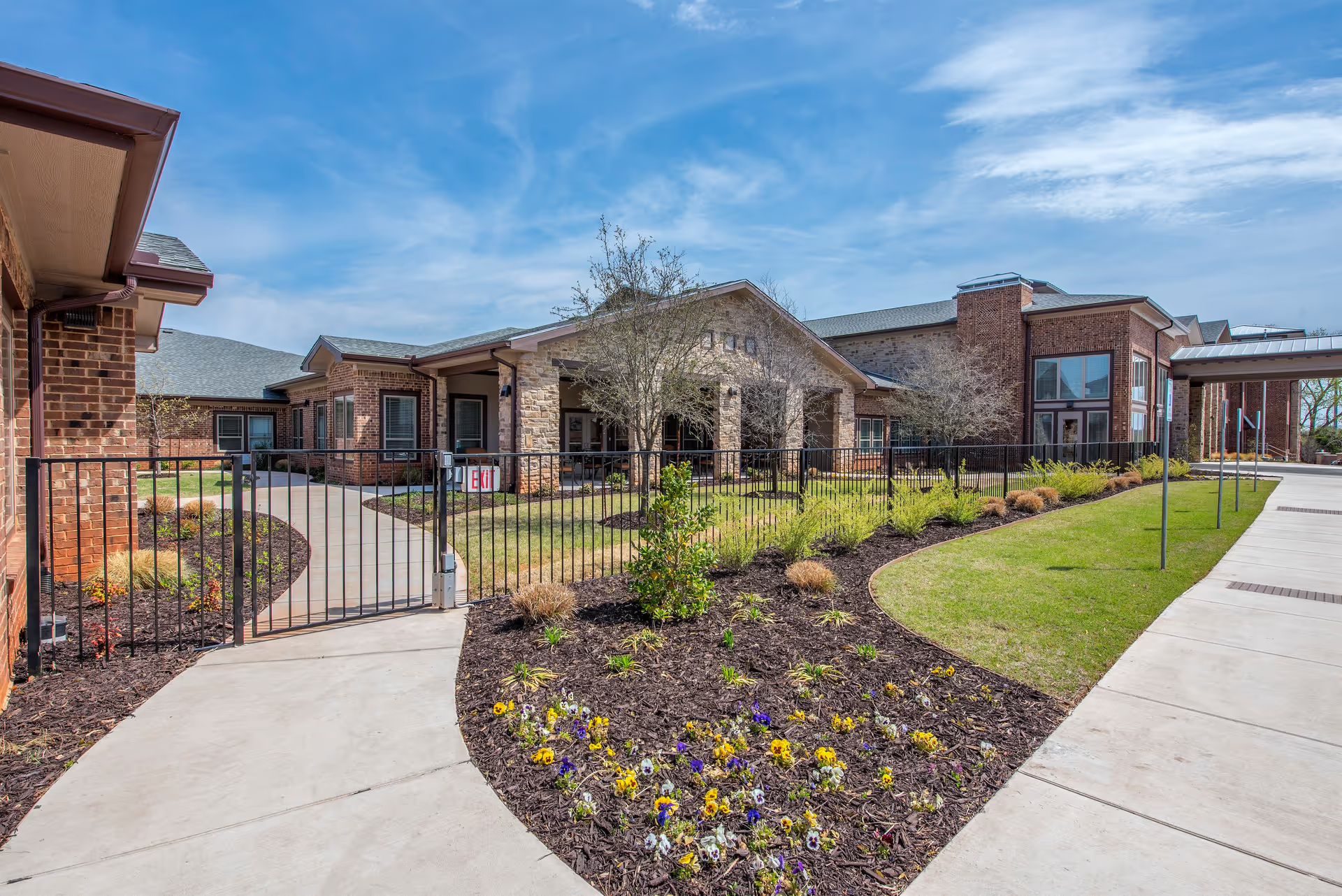
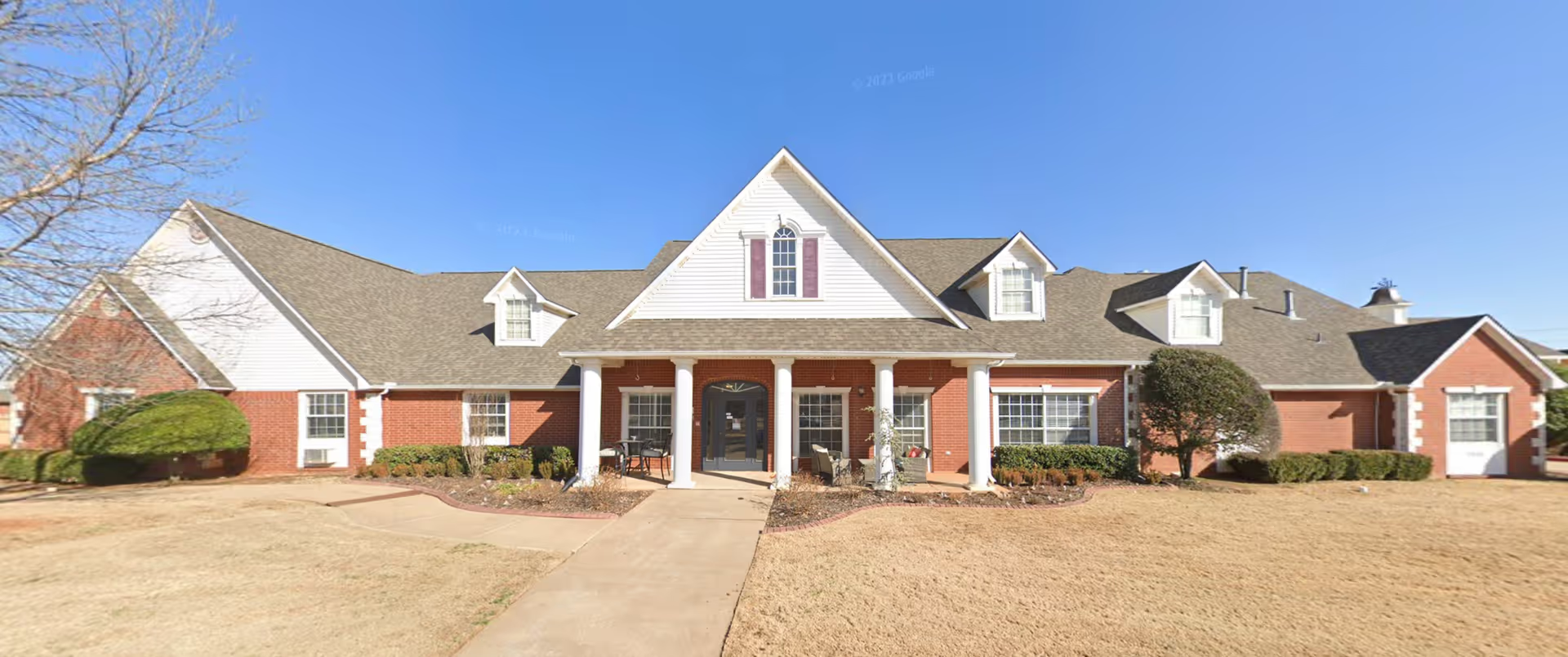
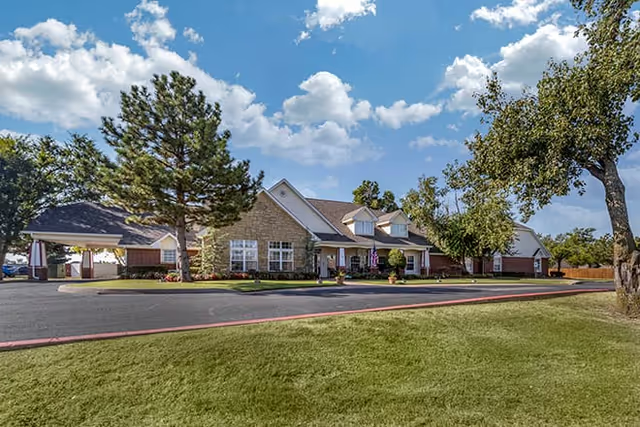
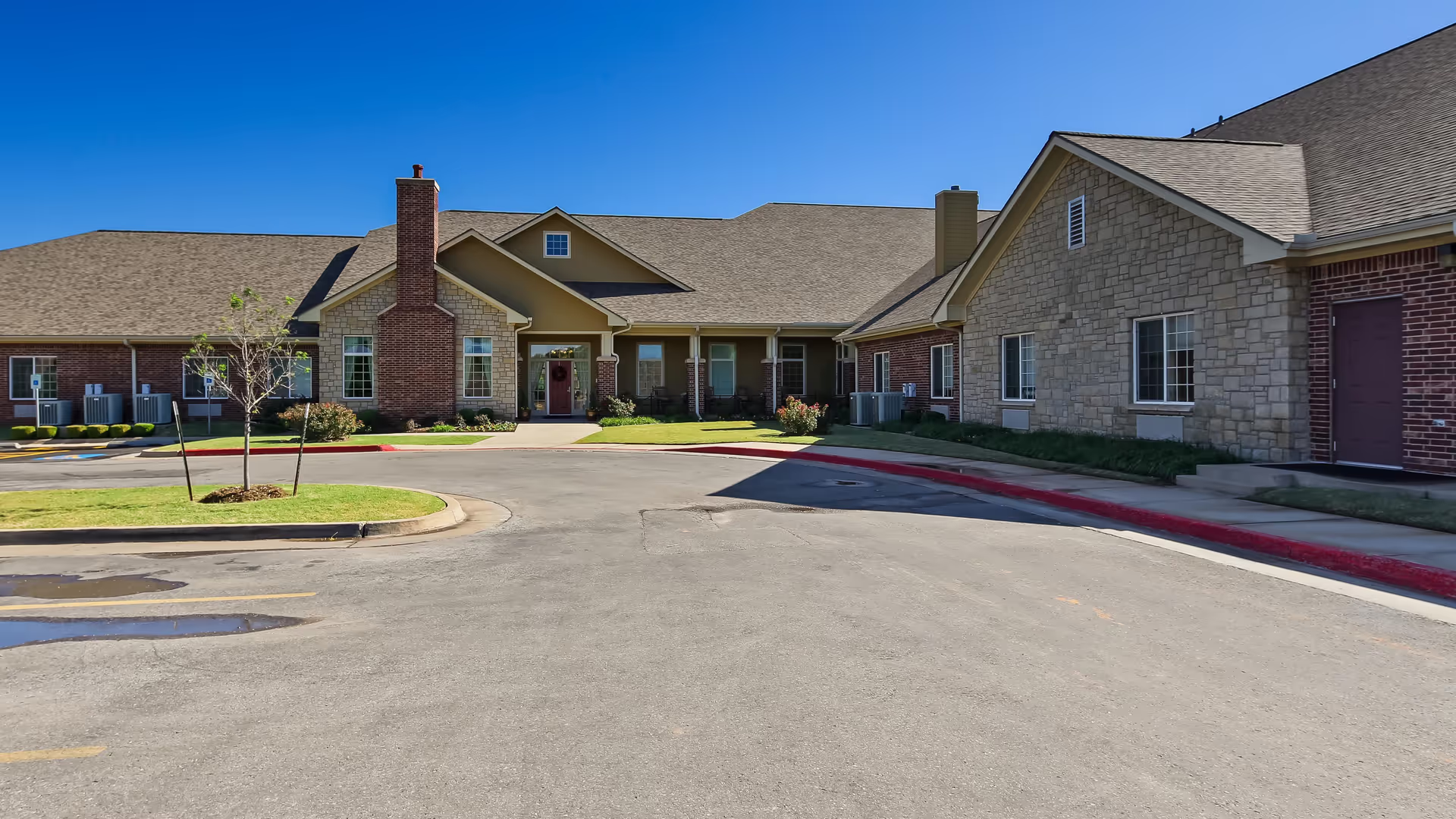
Facility and campus features receive consistent praise: landscaped grounds, ponds and fountains, lake views, updated apartment finishes, and a range of housing types on one campus (cottages, high-rise apartments, assisted living, memory care, and skilled nursing). Maintenance issues are a recurring operational concern, with delayed repairs to air conditioning, doors, and other systems noted alongside irregular housekeeping frequency. Cleanliness and sanitation issues are reported in certain units and situations, indicating inconsistency in environmental services rather than uniformly poor facility upkeep.
Management and administrative patterns show strengths and weaknesses. Positive accounts cite engaged administrators and prompt issue resolution; negative accounts cite poor communication, slow responses from leadership, inconsistent documentation, and billing questions. There are also serious allegations around financial motivation and billing transparency that some families raised — these are significant and merit direct inquiry and, if necessary, review of documentation. Infection-control and admissions procedures attracted criticism in a subset of reports, including concerns about quarantine handling and on-site transmission during a pandemic period.
Overall pattern: the community offers many amenities, strong therapy, and a social, campus-style environment that suits independent-living and some rehabilitation needs. However, operational inconsistencies — particularly staffing variability, clinical coordination (medication and hygiene), housekeeping and maintenance follow-through, and family communication — create fluctuating experiences. Prospective residents and families should tour multiple care areas, ask for unit-specific staffing ratios and recent inspection or complaint history, review billing practices, and request written care and maintenance schedules to assess current performance and fit for the intended level of care.