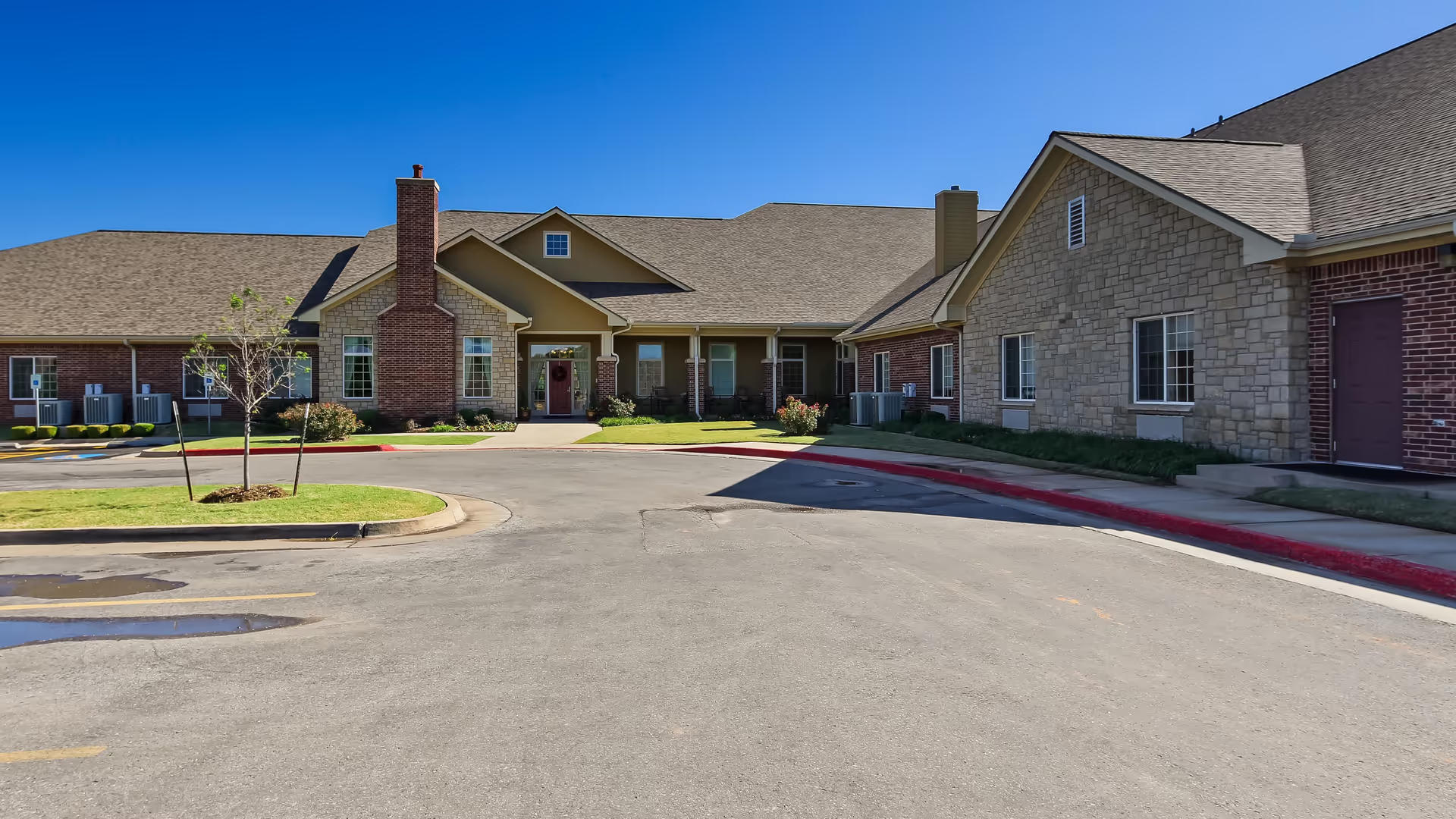
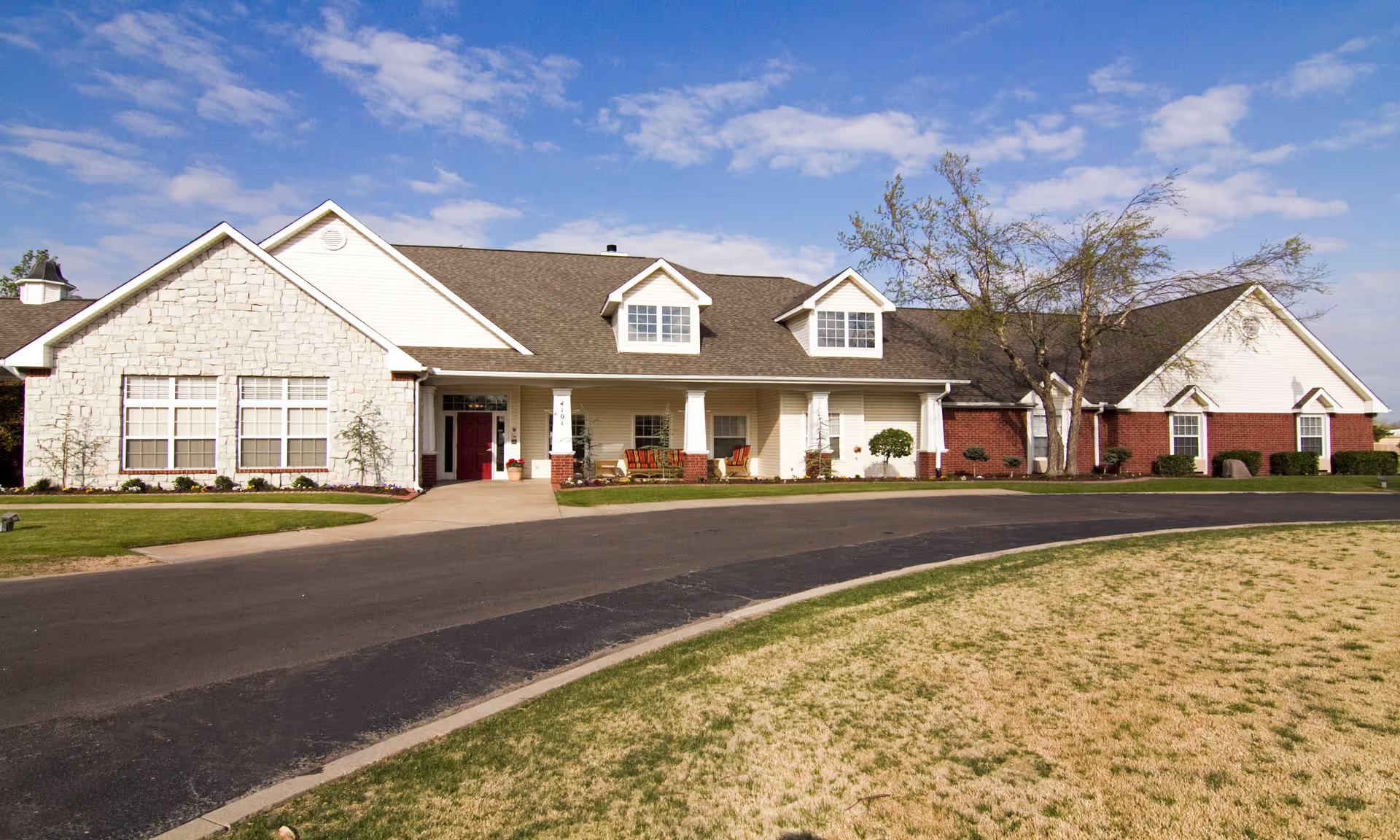
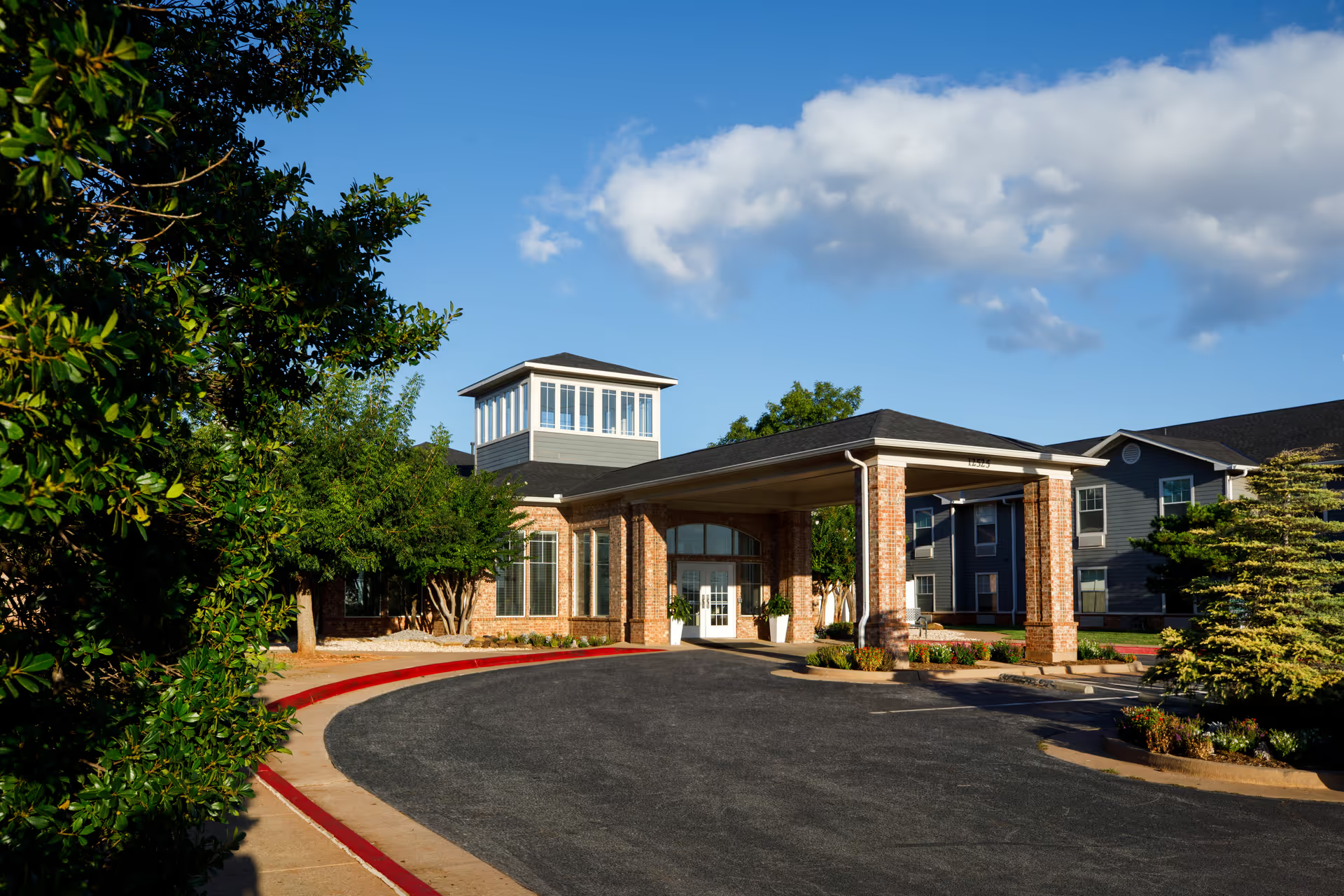
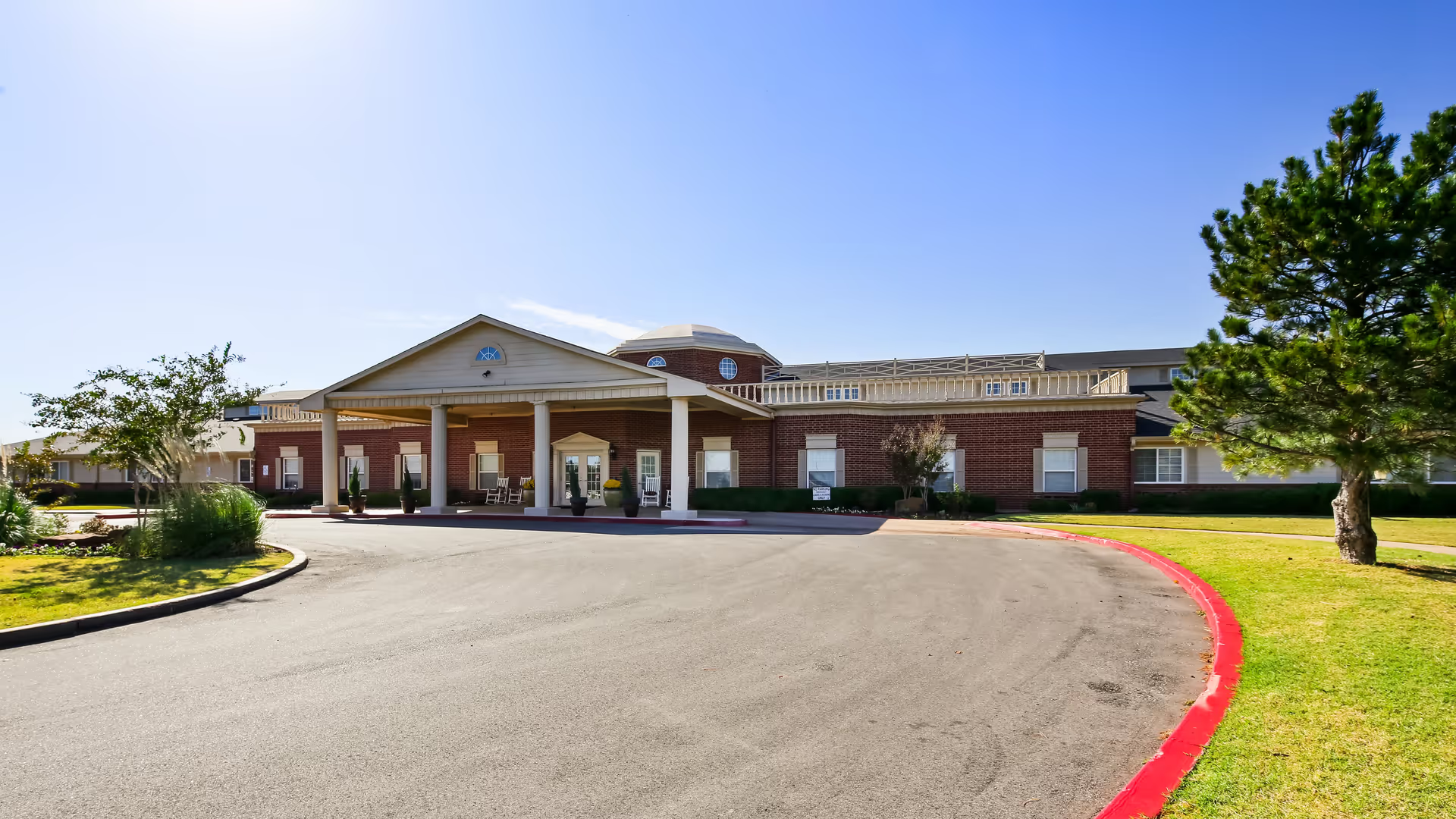
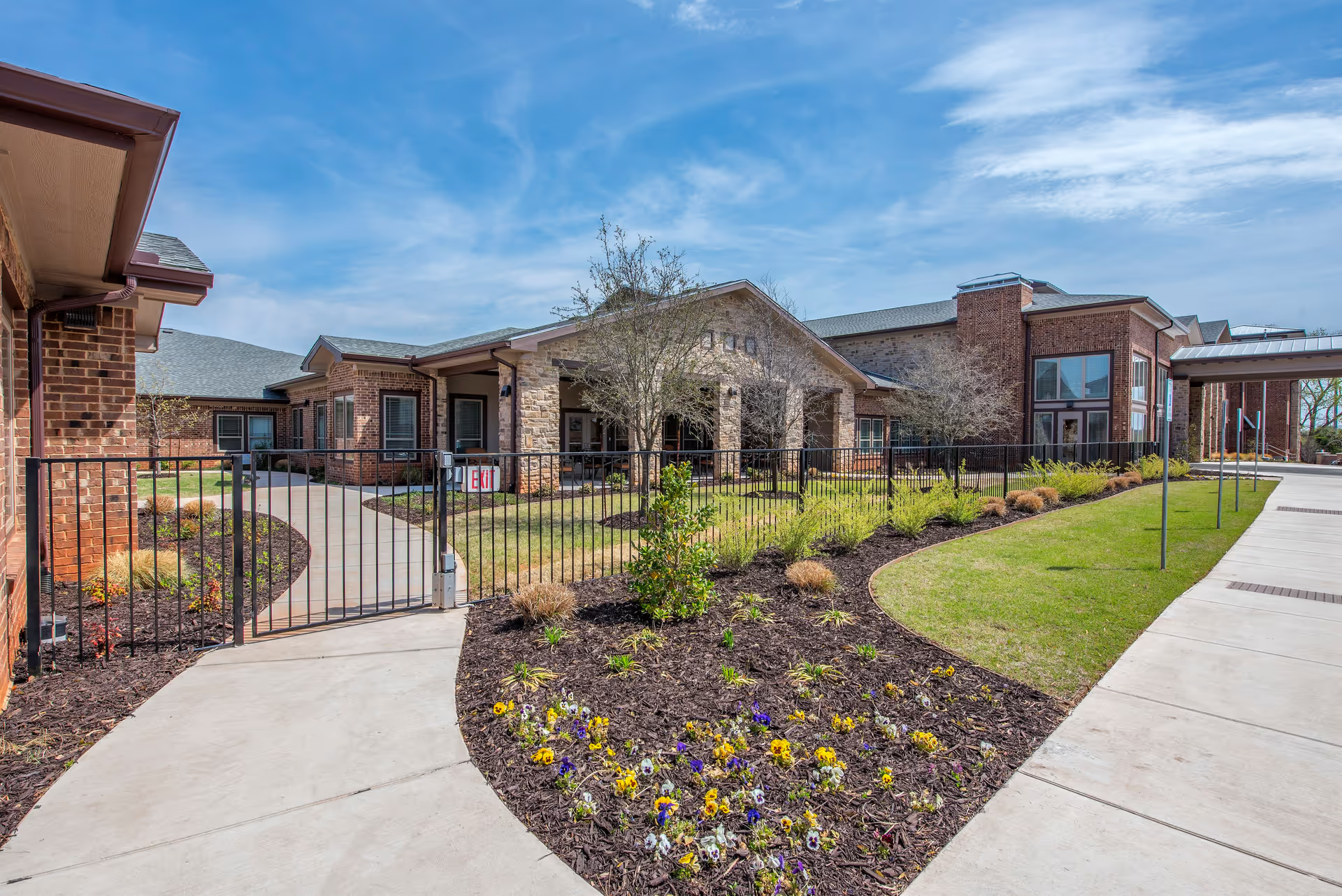
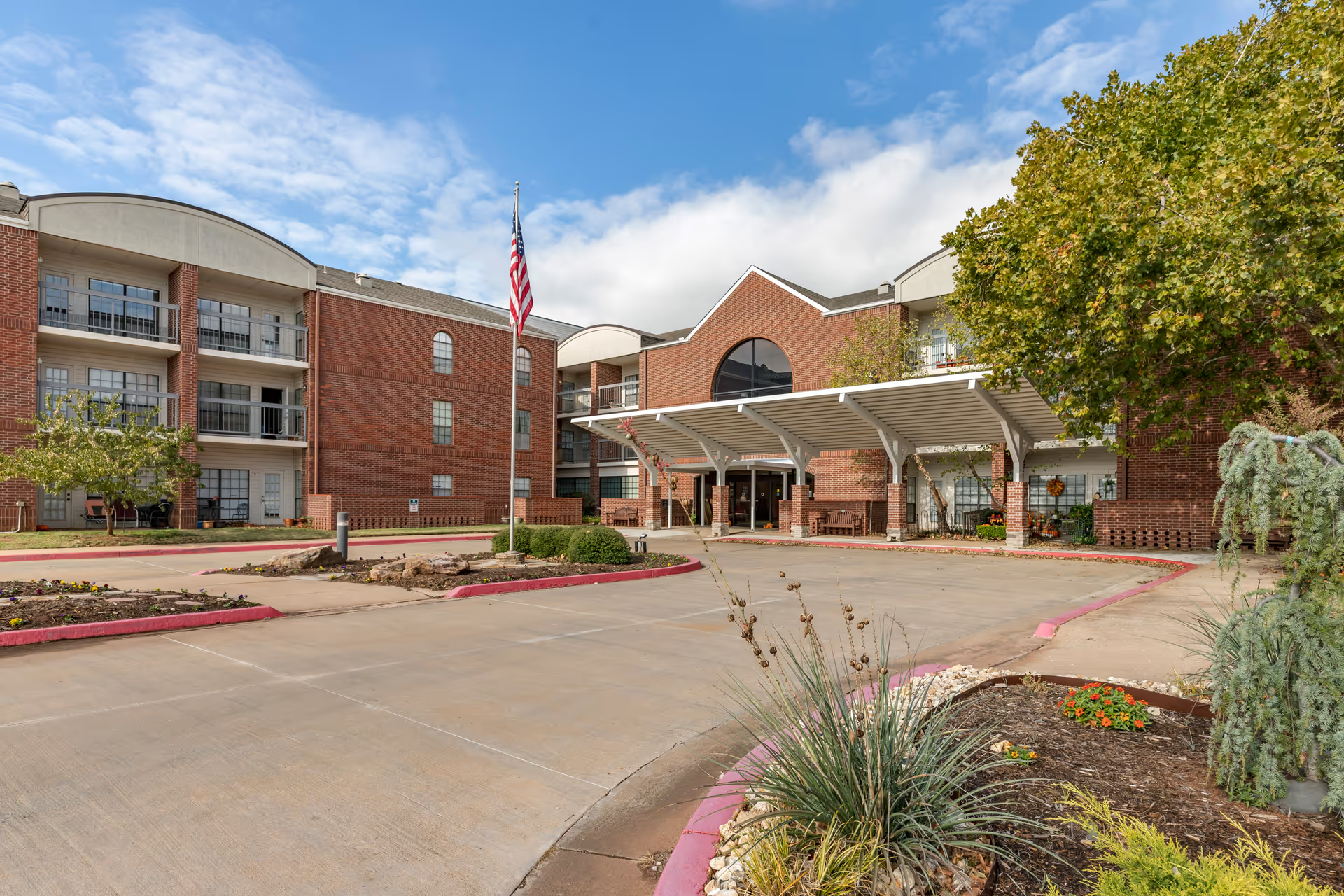
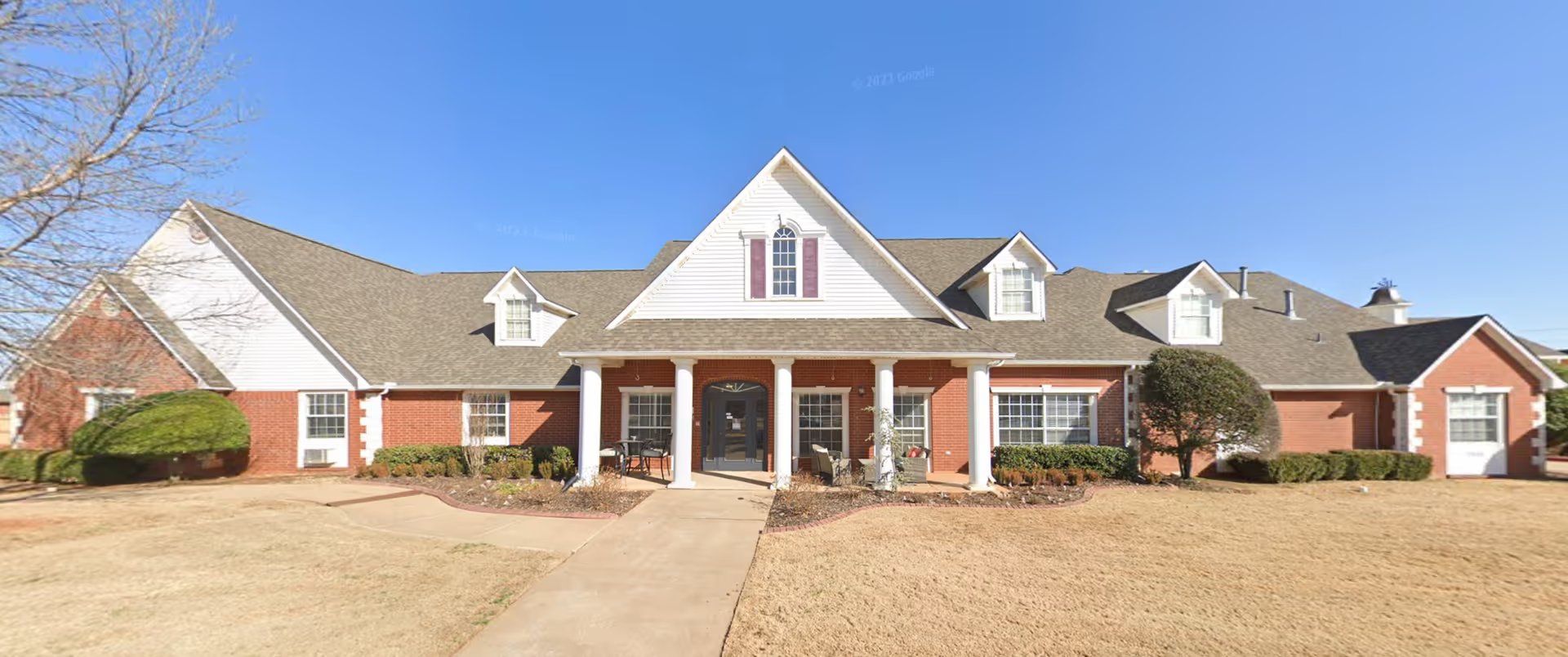
The reviews present a strongly mixed but distinct pattern. Many families and clinicians praise the facility for compassionate, hands-on caregiving and a family-like culture driven by visible leadership. Reviewers highlight skilled dementia programming, a cohesive interdisciplinary team (nursing, CNAs, therapy, dietary), 24-hour personalized care, and an engaging activities calendar that includes bingo, puzzles, and special events. Facility attributes that draw positive attention include clean, bright rooms, soothing decor and architecture, a pleasant dining room with nutrition-focused meals and education, secure controlled access, and usable outdoor seating and play areas. Multiple reviewers noted responsive nursing staff and availability of hospice and end-of-life support, and some described meaningful improvements in resident independence and well-being under care there.
Alongside those strengths are recurring operational concerns that prospective families should evaluate. Admissions and intake communications appear inconsistent: reviewers cite long waits for decisions, rejections without clear explanation, and confusion about eligibility and policies. There are also gaps in how clinical incidents and injuries are communicated to families, indicating opportunities to strengthen notification and incident-response protocols. Several comments describe uneven staff conduct and tone—ranging from warm and professional to curt or condescending—which suggests variability in frontline training and supervisory consistency. Property-security issues, such as missing personal items, were raised and point to the need for clearer safeguards around residents' belongings.
Other practical issues surfaced in reviews. A few families expressed that the community may not be fully equipped for very advanced-stage dementia needs, so clinical capability for higher-acuity cognitive care should be confirmed in advance. Administrative follow-through and internal communication were also noted as uneven, with examples of tasks not completed or delayed. Operational logistics—such as recurring door beeps, chaotic dining rhythms in some reports, and inconsistent availability of dedicated activity spaces—may affect day-to-day comfort for certain residents.
Overall, The Lakes appears to deliver high-quality, compassionate care for many residents, supported by strong leadership and an engaged clinical team, attractive facilities, and an active program of social and therapeutic activities. However, experiences are variable: prospective residents and families should visit in person, ask specific questions about advanced-dementia capability, incident-notification procedures, admissions and eligibility practices, property-security measures, and the consistency of staff training and supervision before making a placement decision.