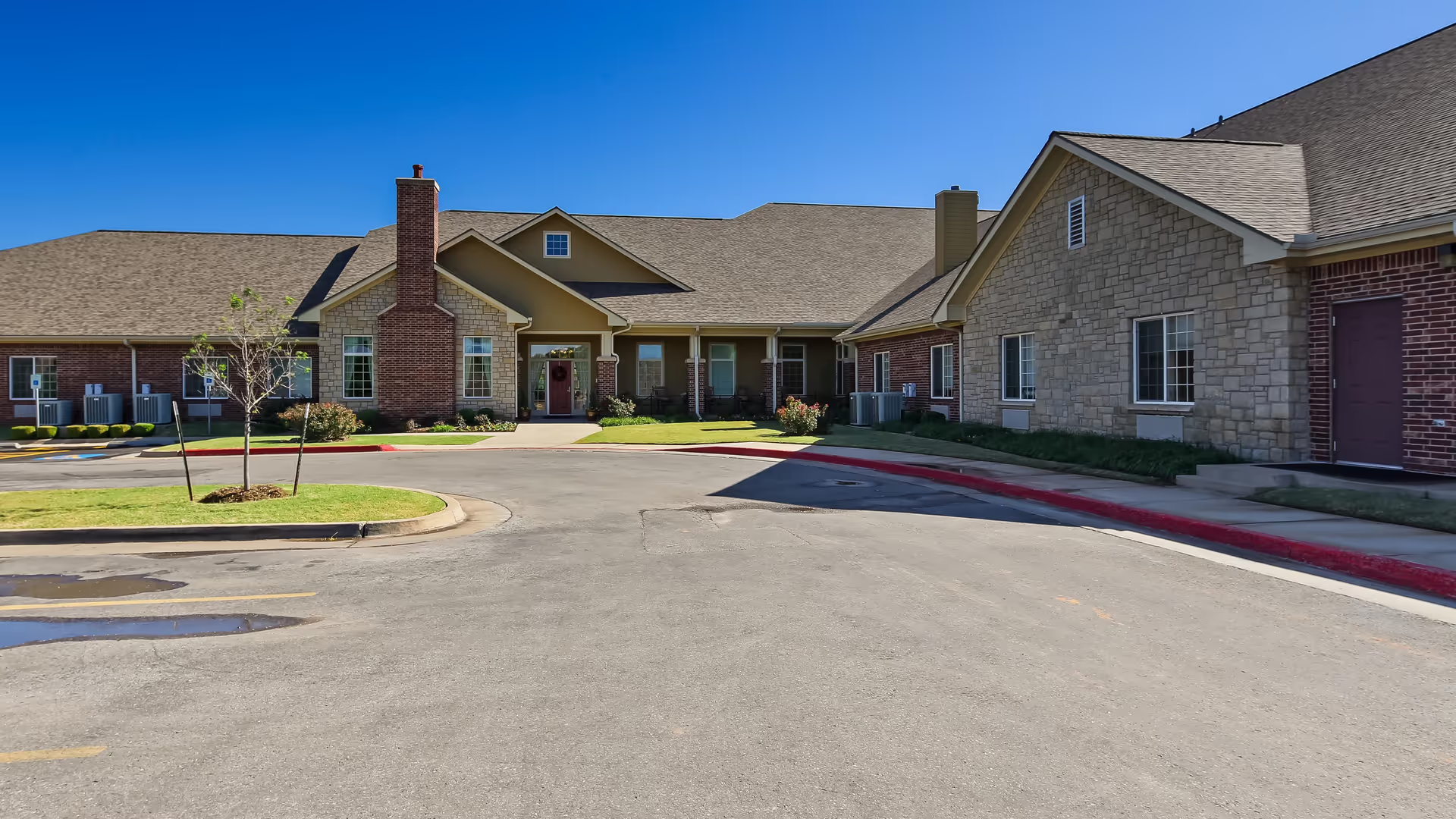
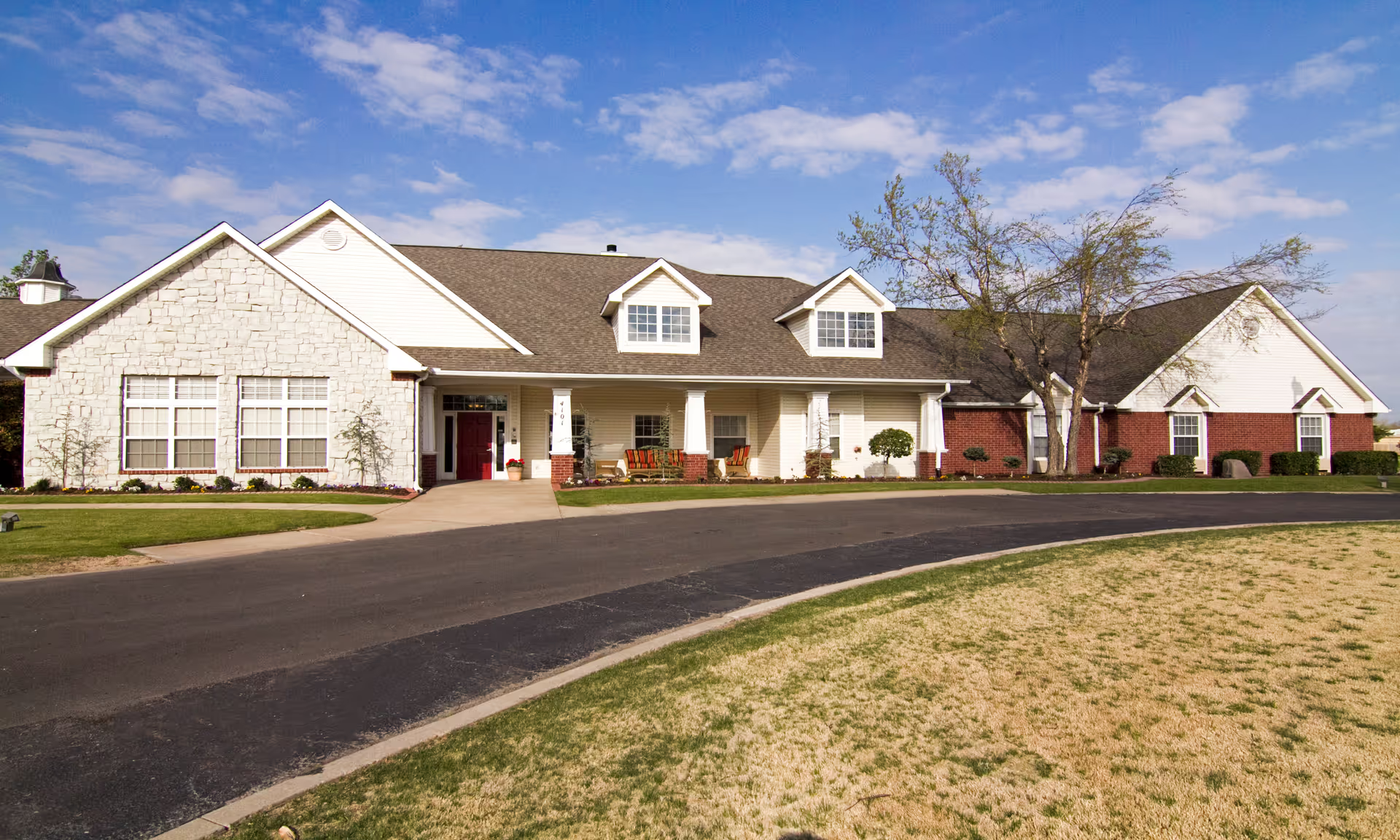
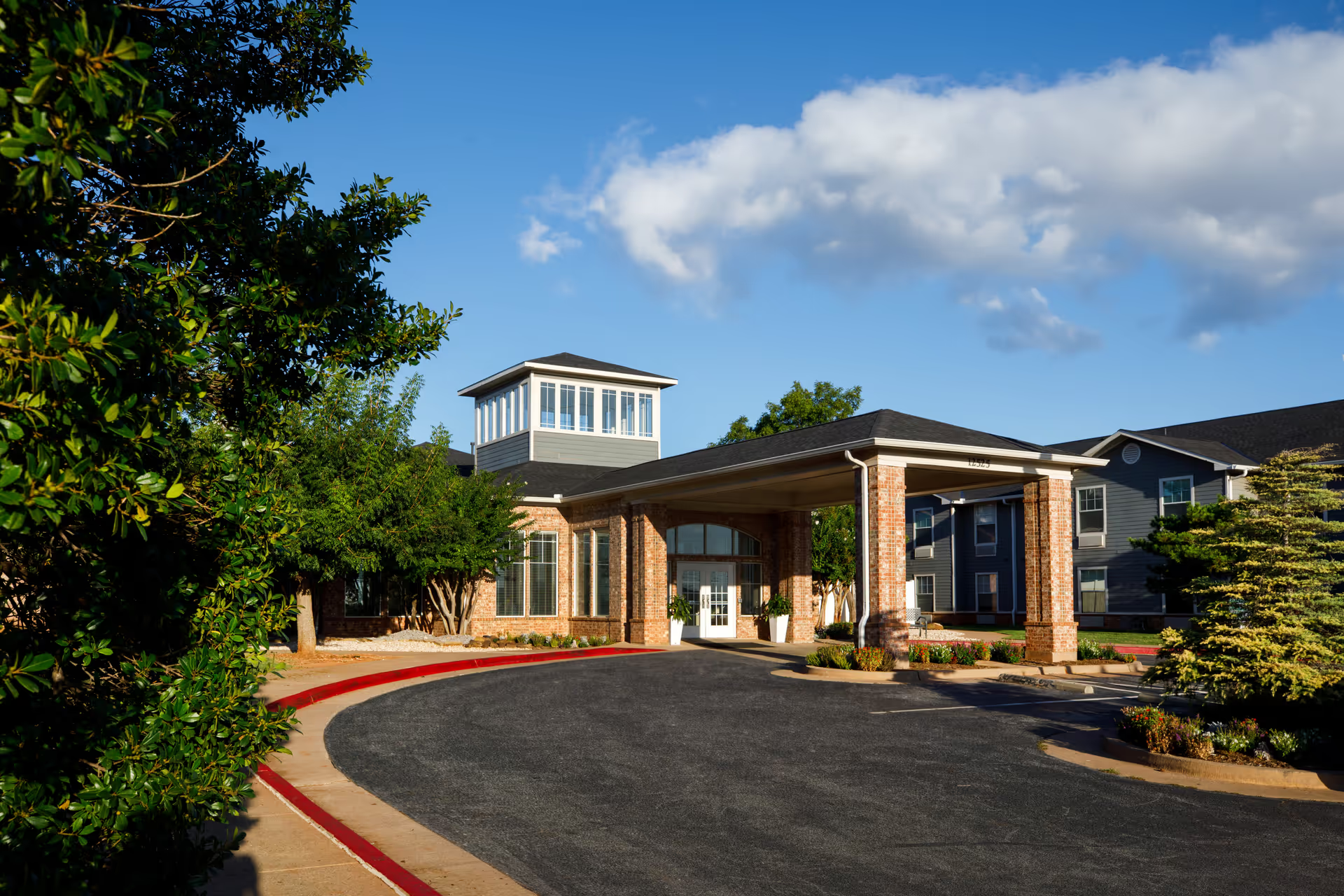
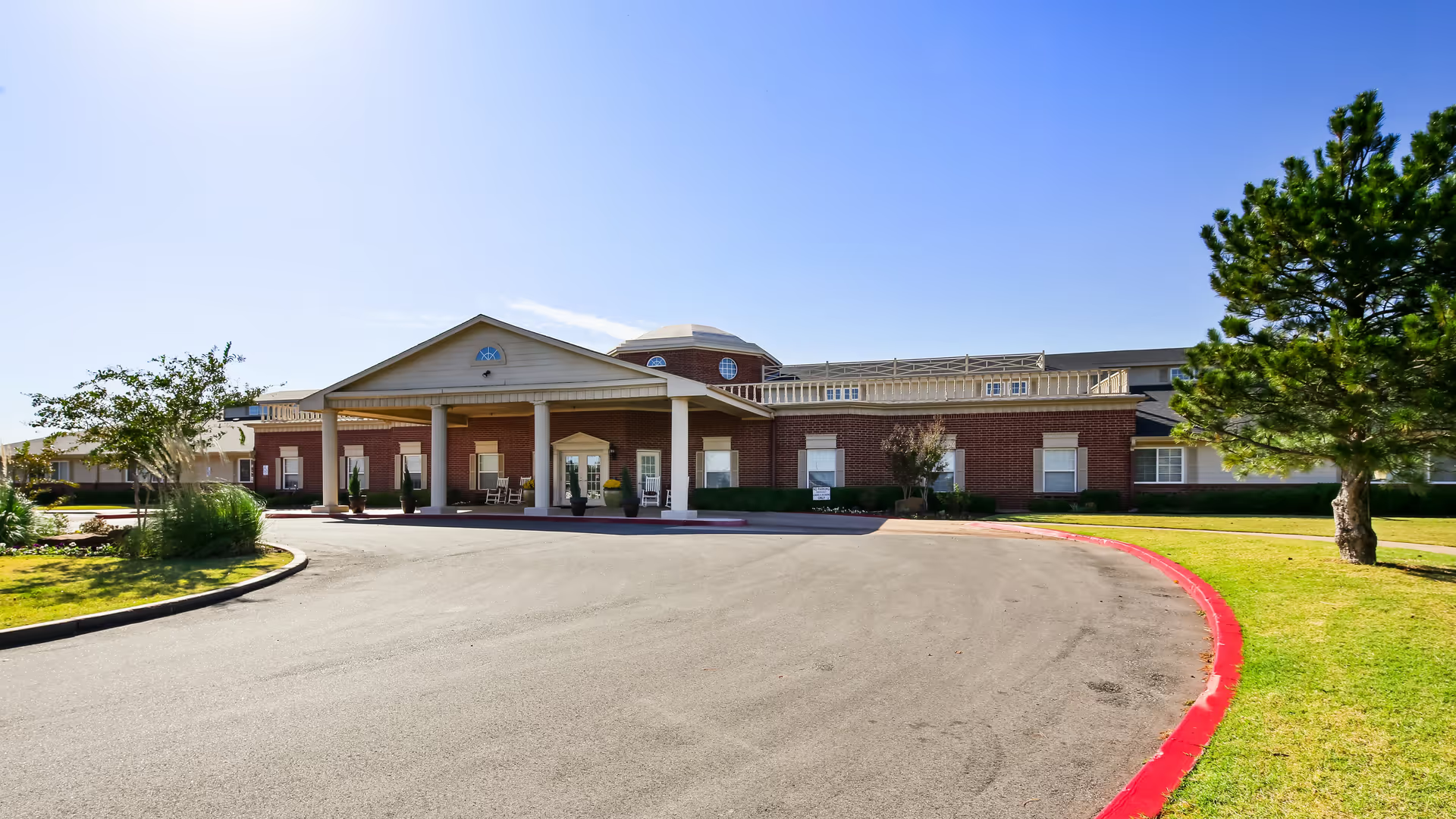
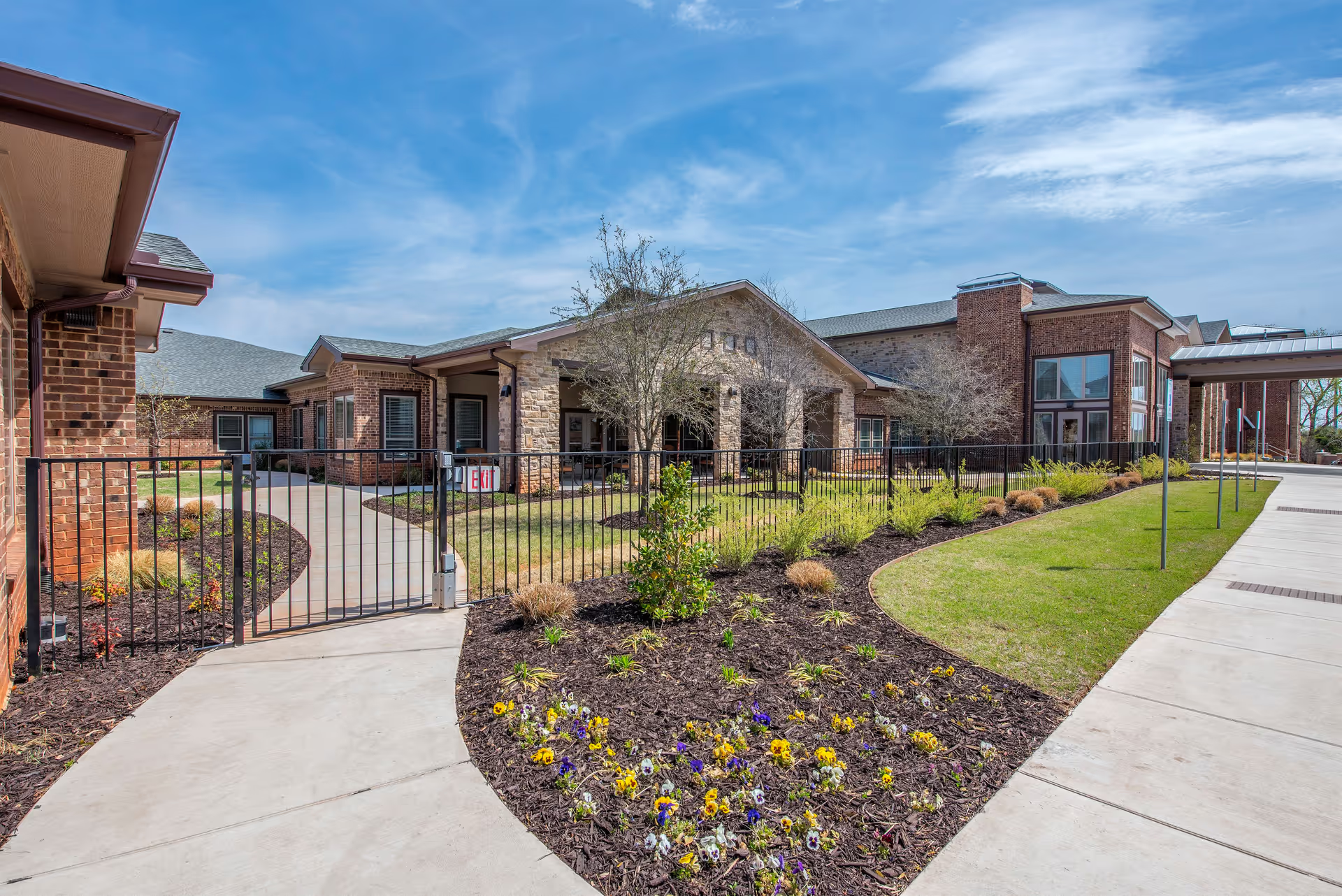
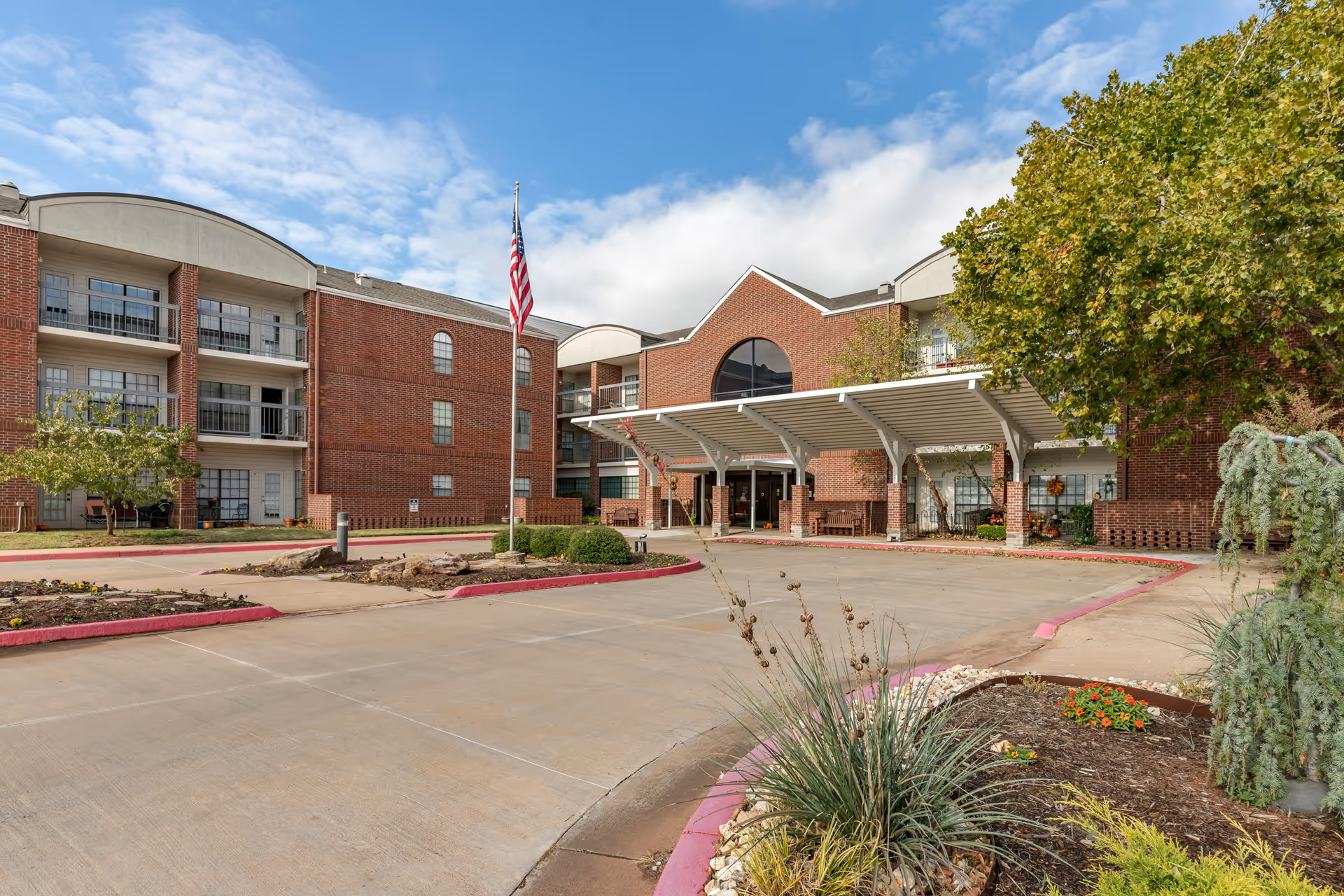
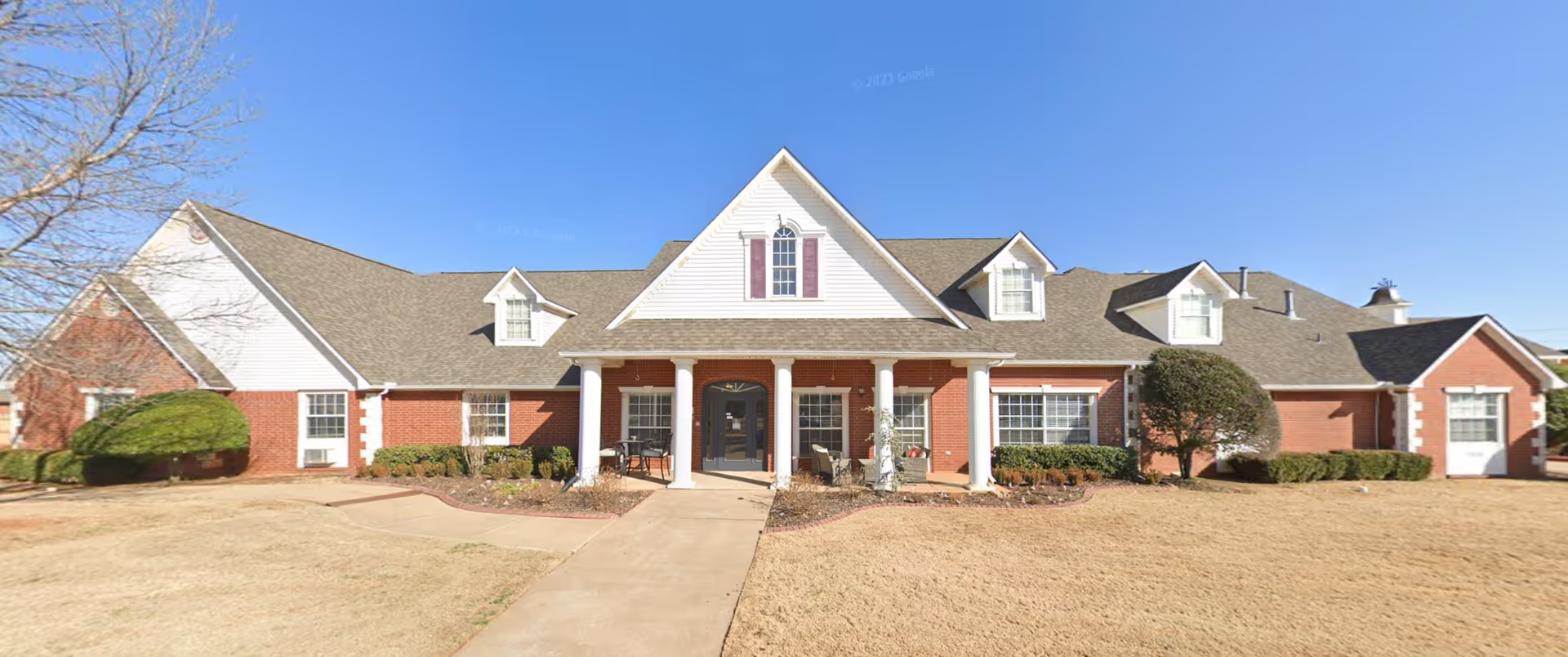
Overall impression: Reviewers portray Heritage Assisted Living as a community with a strong caregiving culture and a family‑owned operational model. Many families praised long‑tenured, compassionate staff and a visible nursing presence; the facility is frequently described as clean, well‑maintained and welcoming. The ownership and management style is often characterized as family‑focused, with owner involvement and proactive communication during transitions cited as strengths.
Care and clinical services: Clinical capabilities include on‑site RNs, 24/7 medication administration, and in‑house cognitive and physical therapy. The community offers dementia‑specific programming and structured therapeutic activities intended to support residents with cognitive impairment. These features, combined with staff continuity, contribute to a reputation for dependable day‑to‑day clinical oversight for most residents.
Dining and activities: Dining is a prominent strength—reviewers consistently highlight a large menu selection, daily specials, and family dining options. Meals are described as varied and generally high quality. The activities program is active and varied, with on‑site groups (bingo, arts and crafts, movie nights), scheduled exercise and popcorn/movie events, salon and library access, and regular off‑site field trips and transportation for shopping and medical appointments. Families often describe the social environment as lively and supportive.
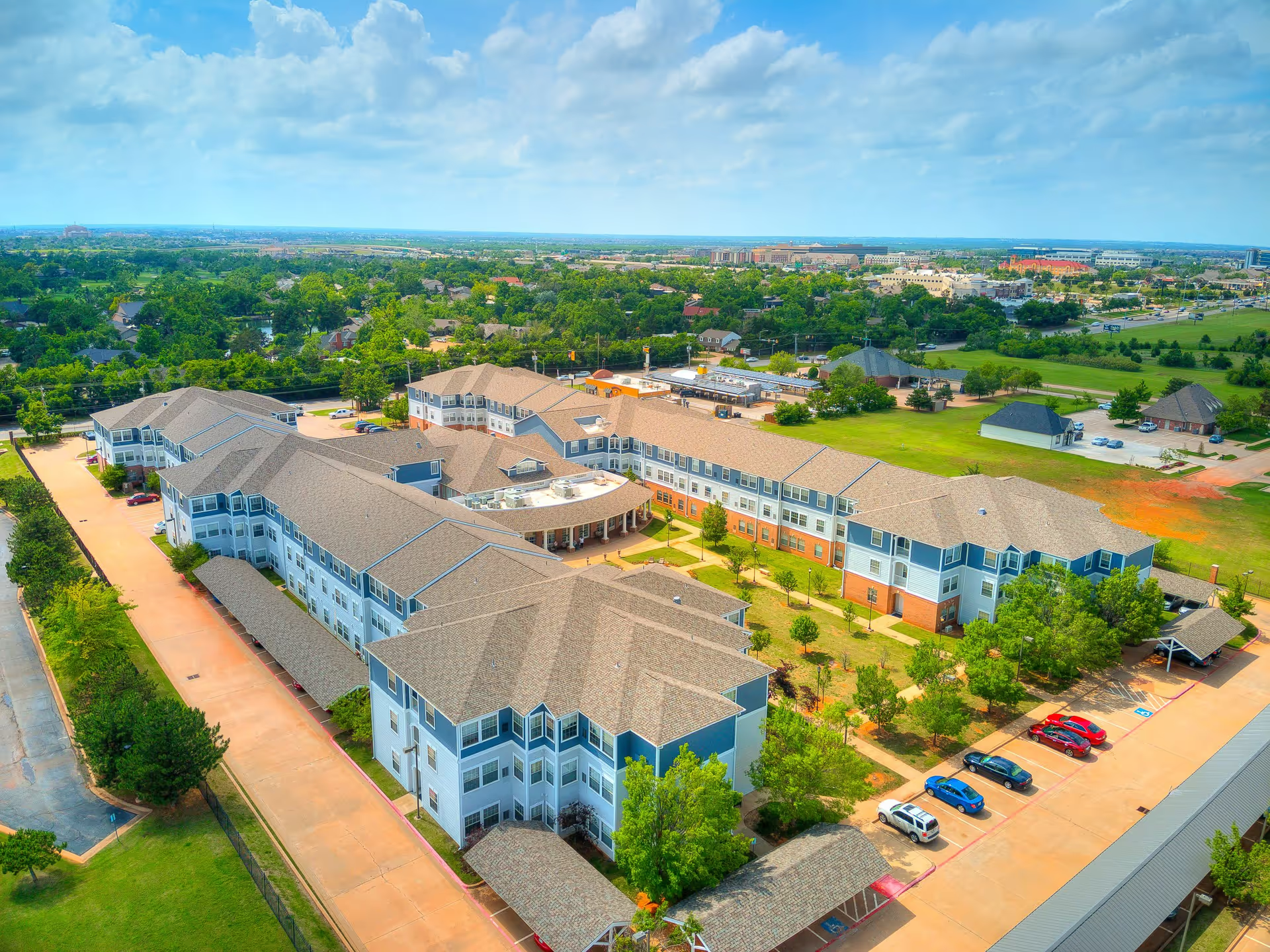
Facilities and accessibility: Physical assets include spacious apartments, large closets, and well‑kept common spaces that many reviewers find homelike rather than institutional. The community is pet‑friendly and offers included housekeeping and laundry. However, the facility is two stories; elevator placement and stair access were called out as limitations for some residents, and parts of the building appear older than others, producing variation in room quality and aesthetics.
Operational patterns and concerns: Several operational issues recur across accounts. Staffing variation and signs of staff stress were noted and linked to inconsistent responsiveness at times. There are safety‑monitoring concerns specific to residents with dementia that merit direct inquiry during a tour (for example, supervision and secure egress procedures). Reviewers also raised issues with meal execution consistency (temperature and service continuity) and with pest‑control/dining‑area sanitation in isolated instances. Admissions experience and front‑desk responsiveness were uneven, and financial policies (nonrefundable deposits, post‑move rent charges) and affordability were cited as sources of family hardship. Finally, there are limitations on Medicaid/hospice age‑in‑place options that may affect longer‑term care planning.
What to ask and observe: Prospective residents and families should confirm staffing ratios for the intended care level, specific dementia‑care protocols and monitoring practices, elevator and unit location accessibility, and pest‑control and food‑safety procedures. Ask for copies of financial policies (refunds, continuing charges) and written details about Medicaid/hospice transitions if applicable. An in‑person visit during a mealtime and an activities period will help assess meal service, food temperature, staff‑resident interactions, and the general atmosphere. Overall, Heritage appears to provide many operational and clinical strengths, balanced by a handful of operational inconsistencies that warrant targeted questions before placement.