Reviews describe a facility with clear strengths at the point of direct care: many families praise nurses, CNAs, and frontline caregivers as compassionate, knowledgeable, and attentive, and several note that the facility can be a reassuring choice for post-operative recovery and long-term care. Support services such as dining, housekeeping, and activity staff are frequently characterized as dedicated, and the center offers a range of levels of care, including an Alzheimer’s unit and retirement/continuing-care options. The activity program, including faith-based involvement, is repeatedly cited as a positive contributor to resident engagement.
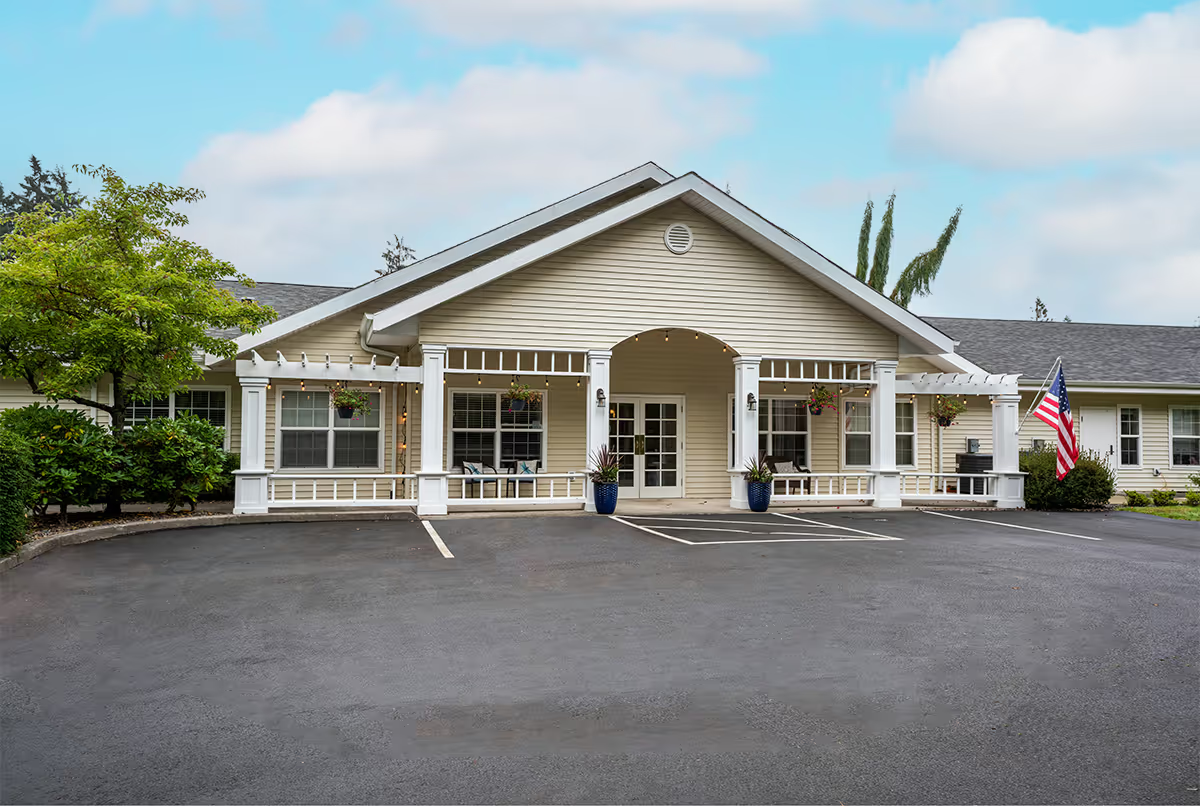
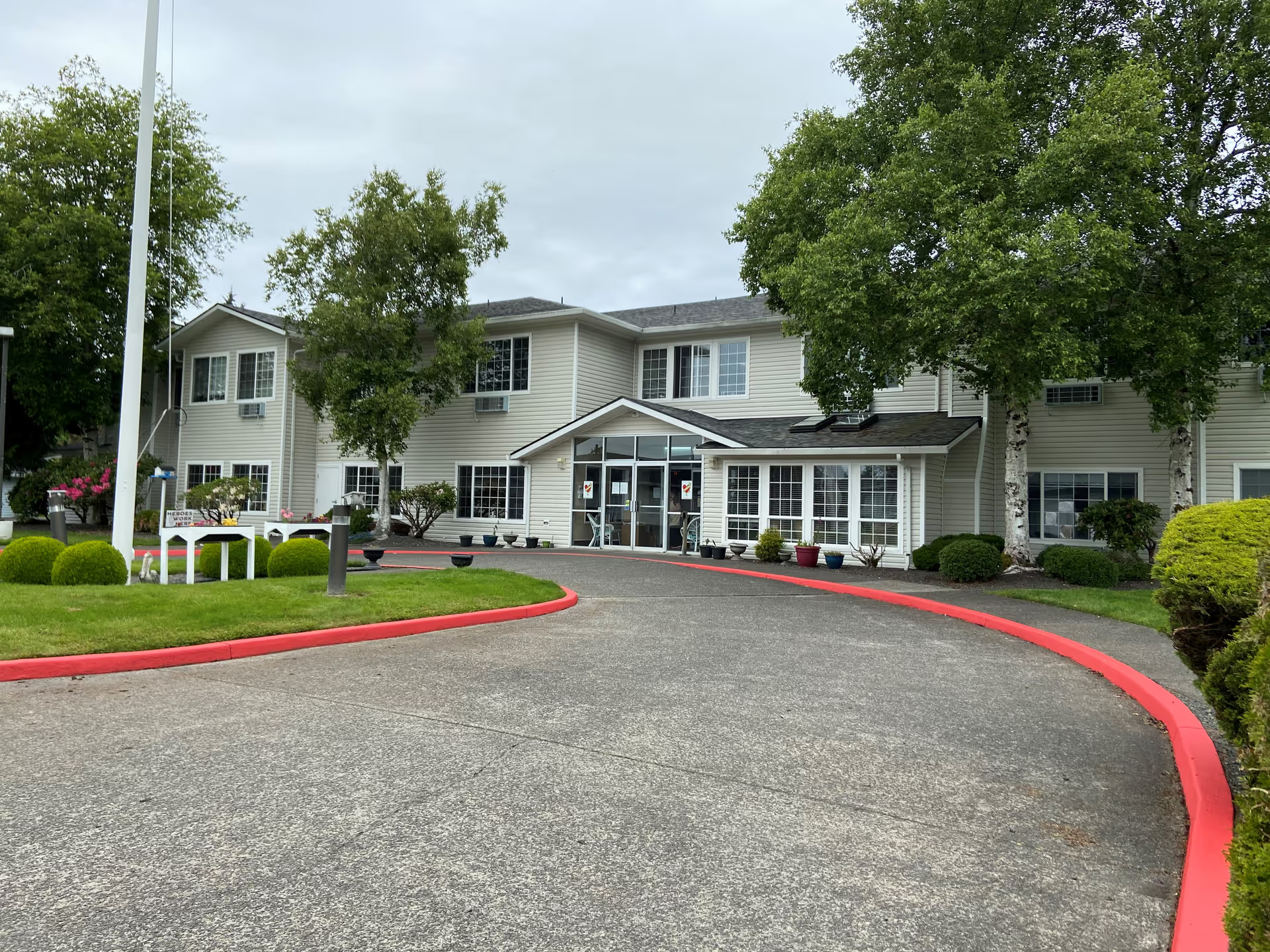
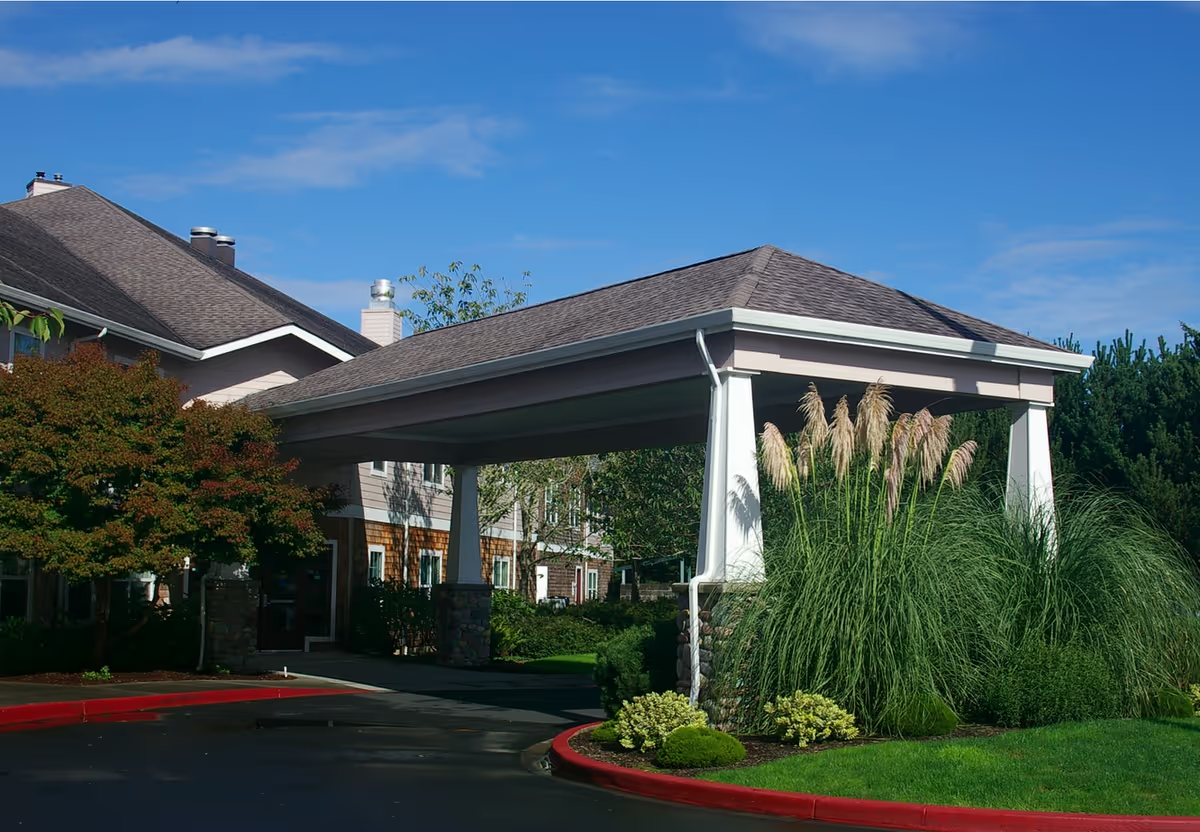
Facility condition and location are generally viewed favorably. Reviewers describe clean, well-maintained common areas and a central location in Astoria, which some families find convenient. Admissions and intake interactions have produced positive experiences for some families, with helpful staff providing useful information during placement.
However, a recurring pattern in the reviews is inconsistency at the administrative level. Several accounts point to uneven management effectiveness, delayed or ineffective communication with families, and failures of follow-through on promised repairs or replacements. Staffing levels are a frequent operational concern: reviewers describe chronic short-staffing and slow response times to call bells or requests, which influences perceptions of overall care reliability. Related operational weaknesses include admissions and placement coordination errors and occasional gaps in property security for personal items.
There are also specific operational safety and oversight concerns that prospective families should consider. Reviewers mention an incident involving interruption of backup power continuity and at least one allegation of problematic care of a high-acuity resident; these raise questions about emergency system reliability and clinical oversight for residents with complex needs. In addition, some families reported variability in staff conduct and cultural sensitivity, including instances they characterized as discriminatory; this suggests uneven staff training or supervisory consistency.
In sum, the facility appears to deliver strong direct-care relationships and meaningful activities within a clean, conveniently located setting, but administrative inconsistency, staffing shortages, communication gaps, and several operational weaknesses temper those strengths. Prospective residents and families would benefit from targeted questions about current staffing levels, emergency power and equipment maintenance, personal-property policies, procedures for clinical oversight of complex cases, and examples of recent quality-improvement actions taken by management.