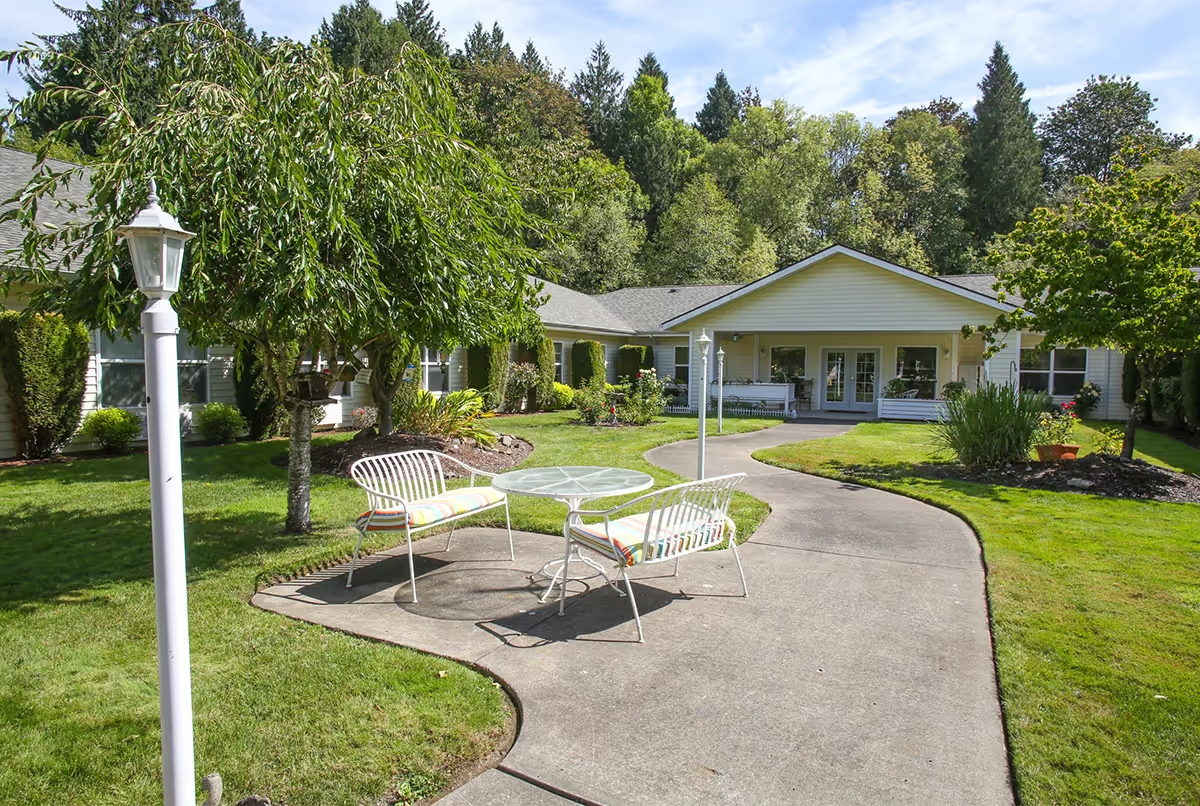
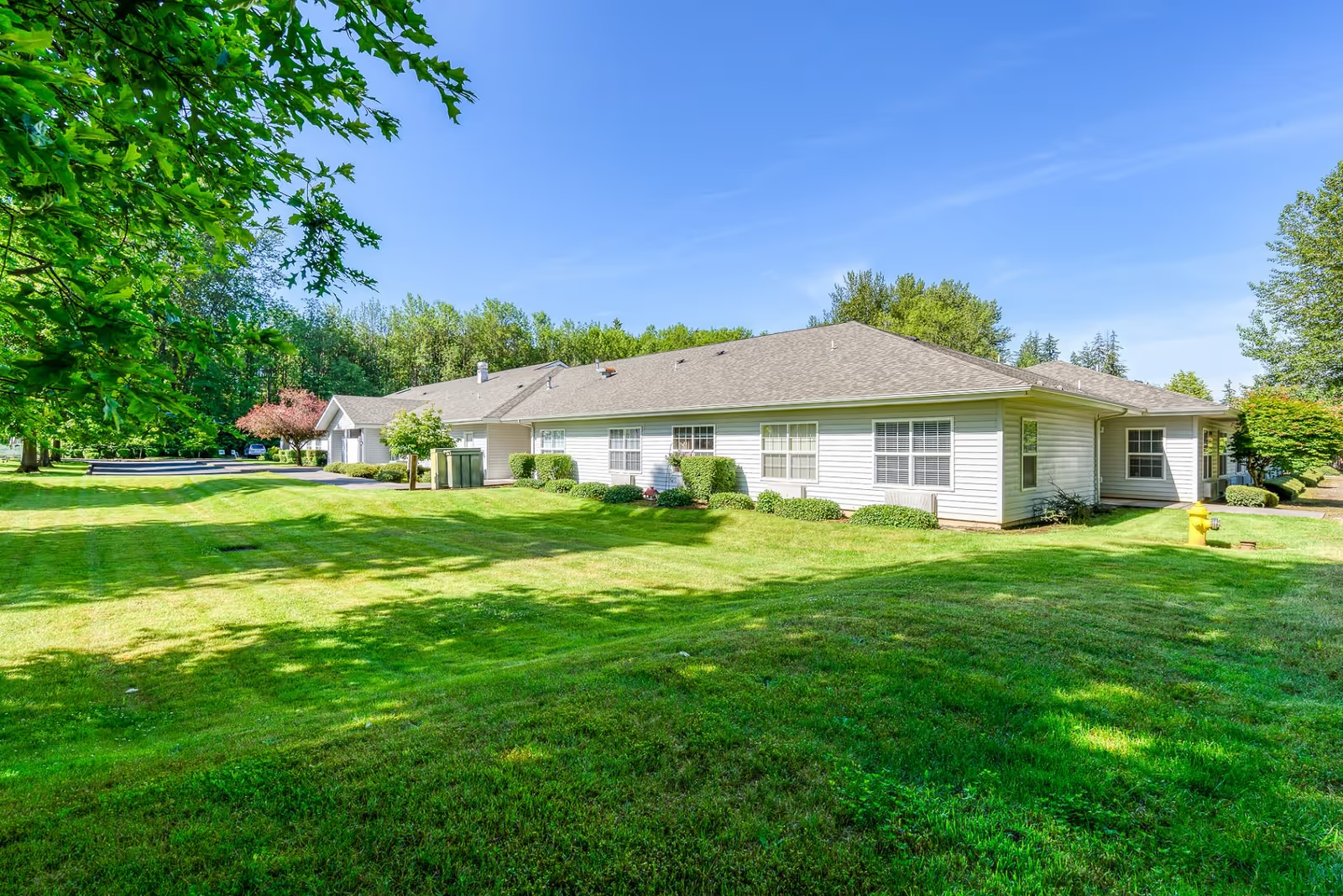
Canterbury Gardens Memory Care Community receives consistent praise for the quality and compassion of its caregiving staff and for maintaining a clean, attractive, home-like environment. Families commonly describe individualized, dignified care from nurses and caregivers who learn residents’ preferences and personalities. The facility’s memory-care focus, stable staff tenure, and on-site clinical coordination contribute to a sense of safety and clinical competence for many residents. Reviewers value a variety of on-site amenities — salons, laundry, patios, multiple common spaces — and note that the community supports both short-term respite stays and longer permanent placements.
Care and staffing are central strengths. Caregivers are described as attentive and person-centered; several accounts emphasize helpful nursing coordination, reliable medication management, and staff who involve families in care plans. The activity program is frequently highlighted: residents have access to varied offerings (exercise, walks, bus outings, mental-stimulation games, movies) and a committed activity director. These social and programming elements are often associated with improved mood and family peace of mind.
Dining and programming are generally seen as positive but not without variability. Many reviewers call the food tasty and nutritious, and menus are posted and rotated, yet there are recurrent comments about inconsistent meal temperature and occasional institutional preparation. Activity variety is a clear asset overall, though a few families described less engagement or fewer outings for particular residents, suggesting program delivery can vary by unit or individual needs.
The physical environment is frequently described as modern, tidy, and calming. The community layout — spacious dining areas, TV rooms, enclosed patios, and secure entry systems — supports socialization and a safe setting for memory-care residents. At the same time, a subset of reviewers raised sanitation-related issues and odor concerns in some areas, and at least one family noted a perimeter vulnerability; these comments point to localized operational issues rather than an across-the-board facility condition.
Management and operational patterns show mixed signals. While many families report good two-way communication and proactive management, others describe breakdowns in management–family communication, delayed updates about health events, and prolonged administrative processes such as discharge or removal timelines. Staffing variability and periodic understaffing were cited as a factor that can lengthen response times to call systems; reviewers also noted limitations in the alert/necklace system’s ability to triage emergencies versus routine needs. Cost is another theme — the community is viewed as relatively expensive by some families.
Overall, Canterbury Gardens appears to deliver strong, person-centered memory care in a well-maintained setting with active programming and many satisfied families. Prospective residents and their families should assess operational details that can affect daily experience: ask about current staffing ratios and turnover; review alarm and emergency-triage protocols; observe meal service timing and temperature procedures; inquire about sanitation and odor-control practices; clarify discharge and administrative timelines; and consider a short respite stay or trial period to evaluate how programming and responsiveness align with a specific loved one’s needs.