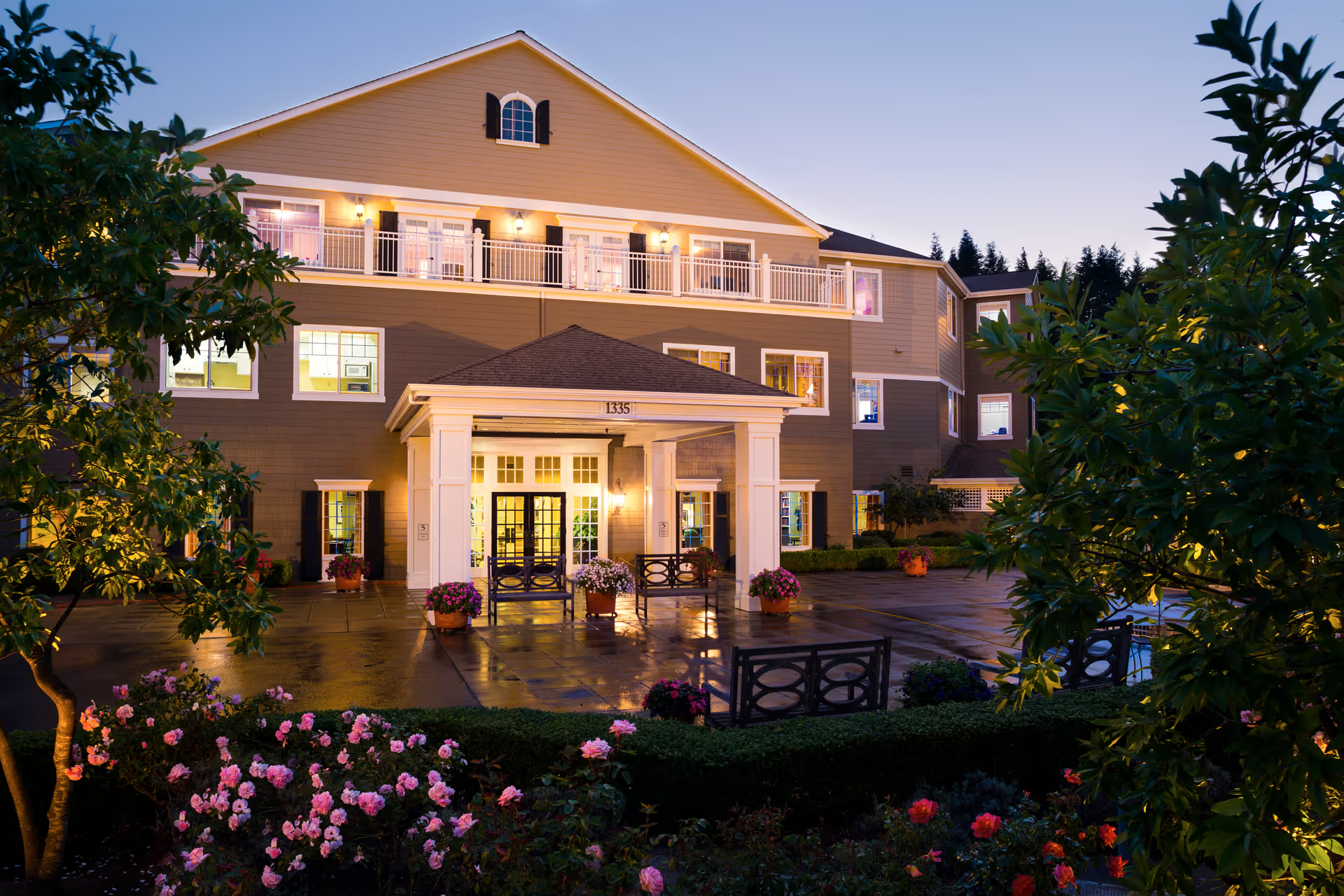
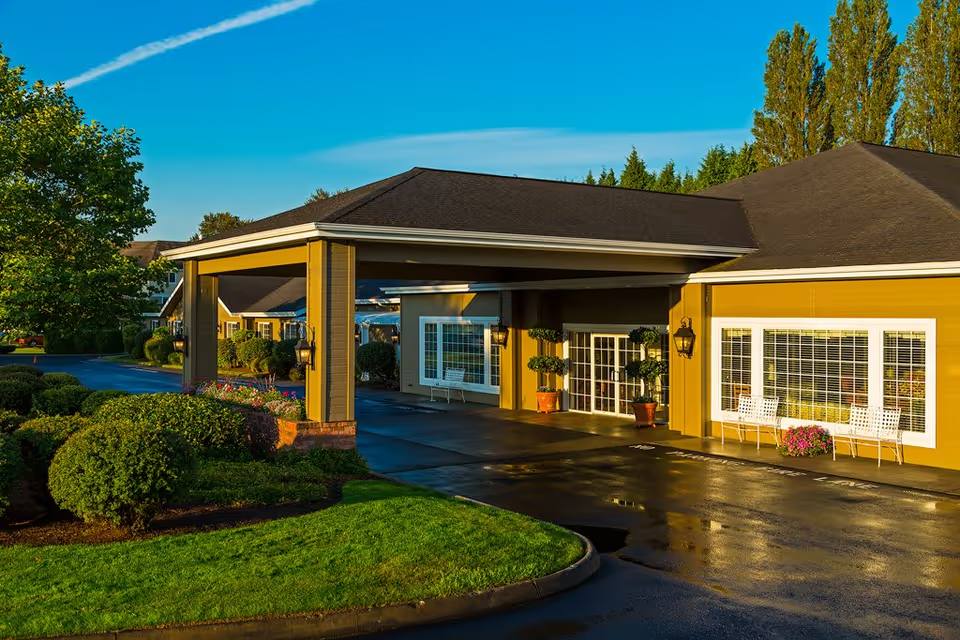
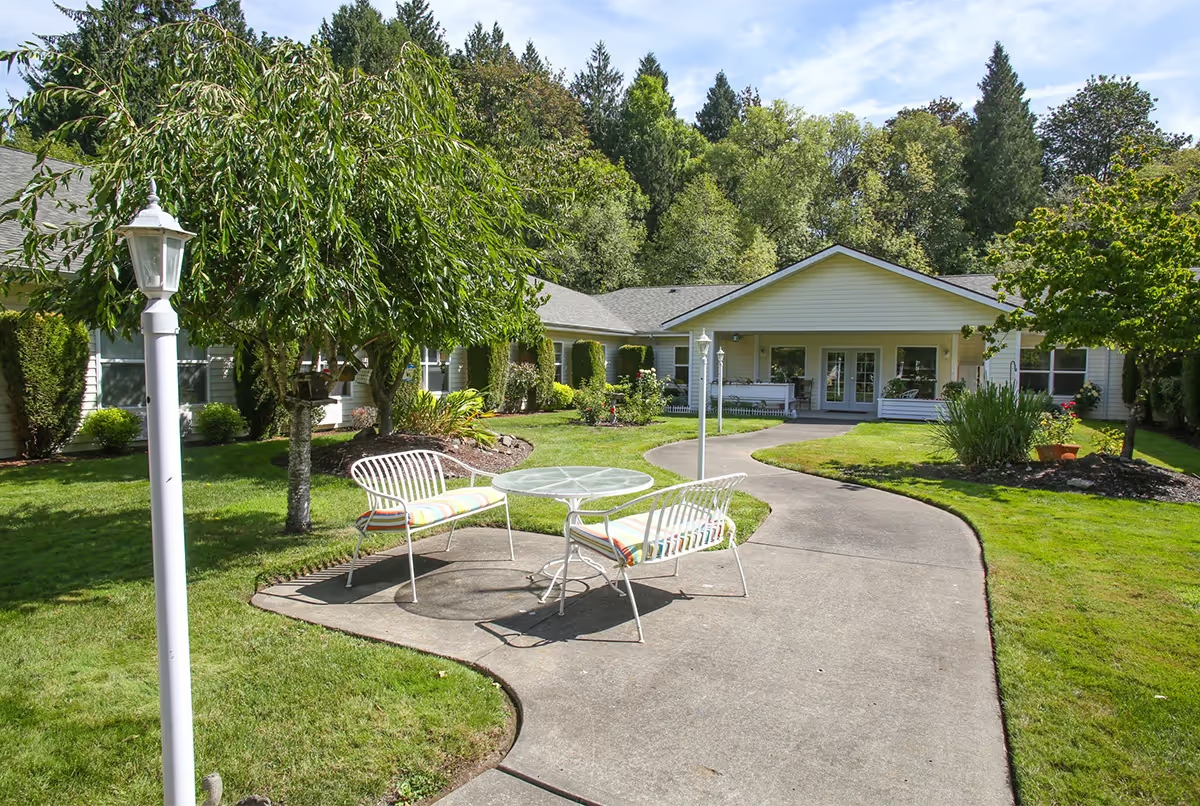
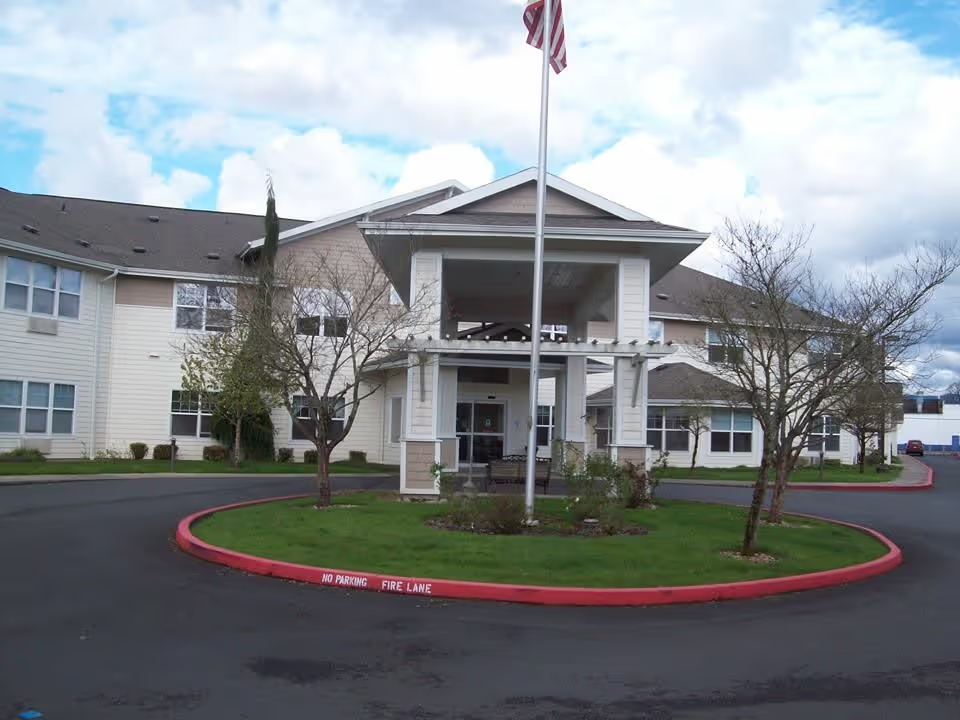
Canterbury Inn is frequently described as an attractive, well-kept assisted‑living community with a strong social focus and an active calendar. Reviewers commonly highlight the facility’s pleasant public spaces, variety of on-site amenities (salon, library, pool, movie room), and multiple gathering areas that support resident engagement. The activity program is a clear strength: scheduled and spontaneous options (bingo, music, exercise, outings, crafts, religious services) receive consistent praise and contribute to a strong community atmosphere.
Staffing and clinical care are central positives. Many families describe caregiving staff as compassionate, attentive, and familiar with residents by name. The presence of 24‑hour licensed nursing and generally prompt emergency response are repeatedly noted, as are examples of coordinated hospice collaboration and thorough handoffs. At the same time, reviews point to variability in day‑to‑day caregiver availability (occasional understaffing, inconsistent evening bathing schedules) and some cited lapses in medication administration; leadership is described as aware of these issues and working to address them. There is also an operational distinction between assisted living services and higher‑acuity skilled nursing: the community appears to limit admissions for residents requiring intensive clinical monitoring.
Dining and food service produce mixed impressions. Some reviewers describe dining as excellent with attentive waitstaff and personalized meal options; others cite inconsistent food temperature, undercooked or bland dishes, and a menu that could better accommodate softer or more nutrient‑dense options for older adults. Comments indicate variability in kitchen staffing and execution, and occasional service lapses that affect meal experience. Regular housekeeping is praised, but there are isolated concerns about laundry handling and personal‑item management.
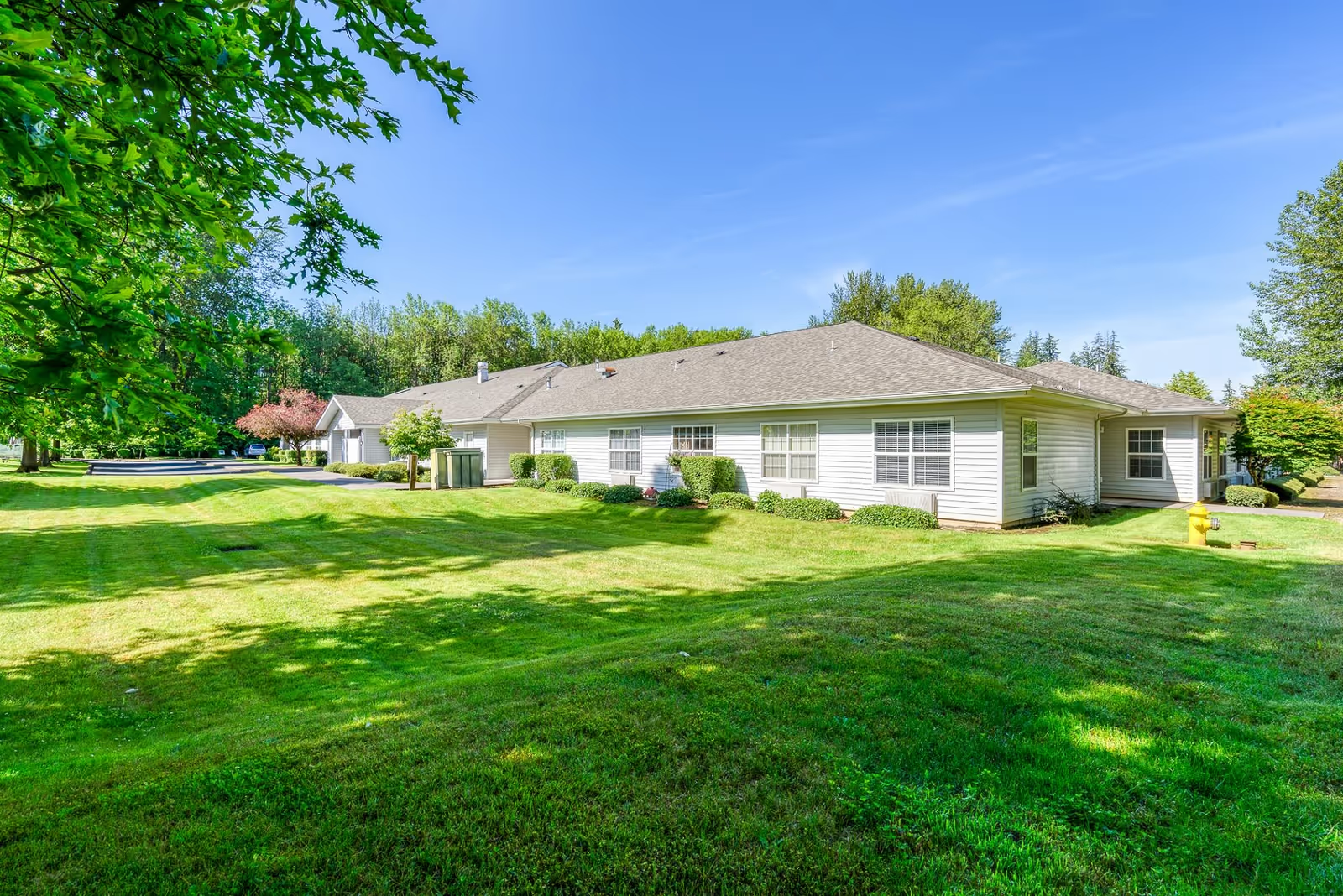
Facility condition and maintenance are generally positive, with many accounts of clean, bright interiors and well‑maintained grounds. However, a persistent operational weakness is building upkeep in specific areas: elevator reliability and timely repairs are a recurring concern because outages affect accessibility for residents using walkers and wheelchairs. Some studio units and older rooms were described as smaller or in need of updates, while larger two‑bedroom apartments receive favorable comments for space and layout.
Management and cost considerations are mixed. Several staff members and managers receive strong individual praise for coordination and family communication, yet other accounts describe variable administrative responsiveness and occasional dissatisfaction with leadership priorities (investment in new buildouts versus routine maintenance). Pricing is consistently described as at the higher end of the market, and reviewers cite limited payment flexibility as a barrier for some families.
Overall pattern: Canterbury Inn is seen as a caring, activity‑focused assisted‑living community with strong nursing coverage and an involved staff culture. Prospective residents and families should weigh the community’s engaging social programming, attractive environment, and clinical responsiveness against variable dining quality, some operational gaps in medication and staffing practices, maintenance reliability (especially elevator access), and higher cost. Families seeking a socially vibrant, well‑staffed assisted‑living option will find many strengths here; those requiring consistent high‑acuity skilled nursing or strict guarantees on meal texture/service and accessibility during maintenance events should verify policies and current operational performance during tours and meetings with leadership.