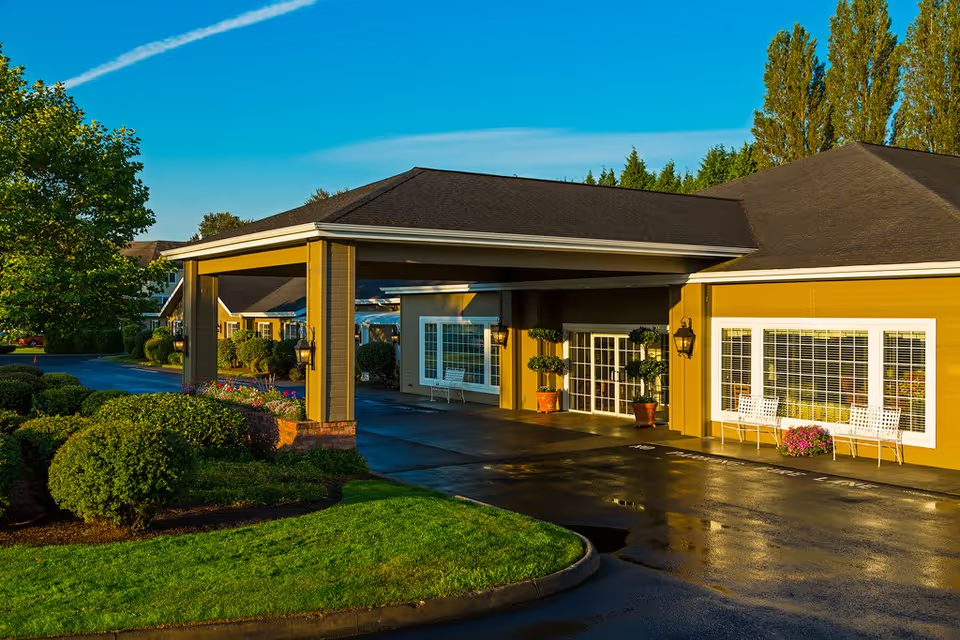
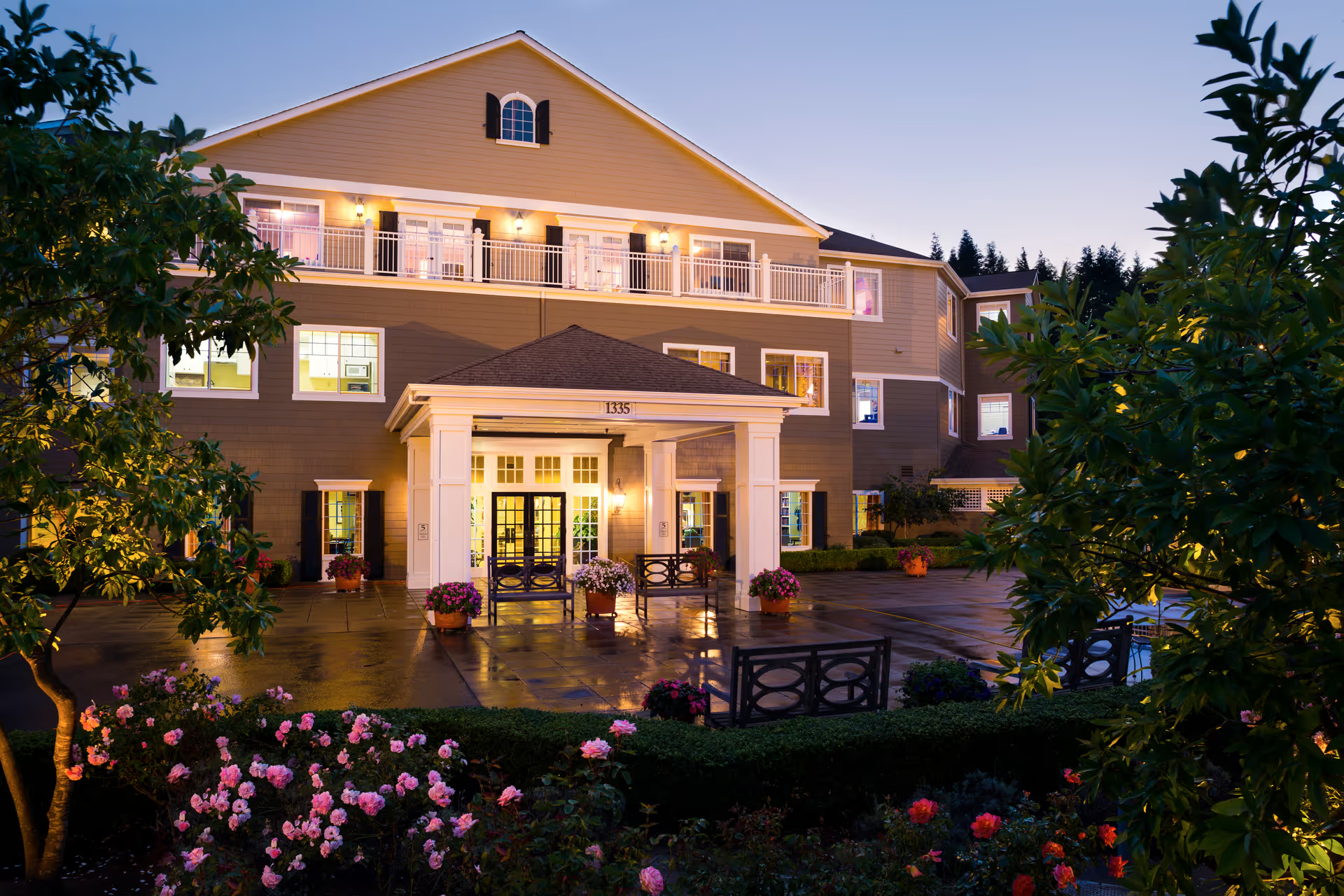
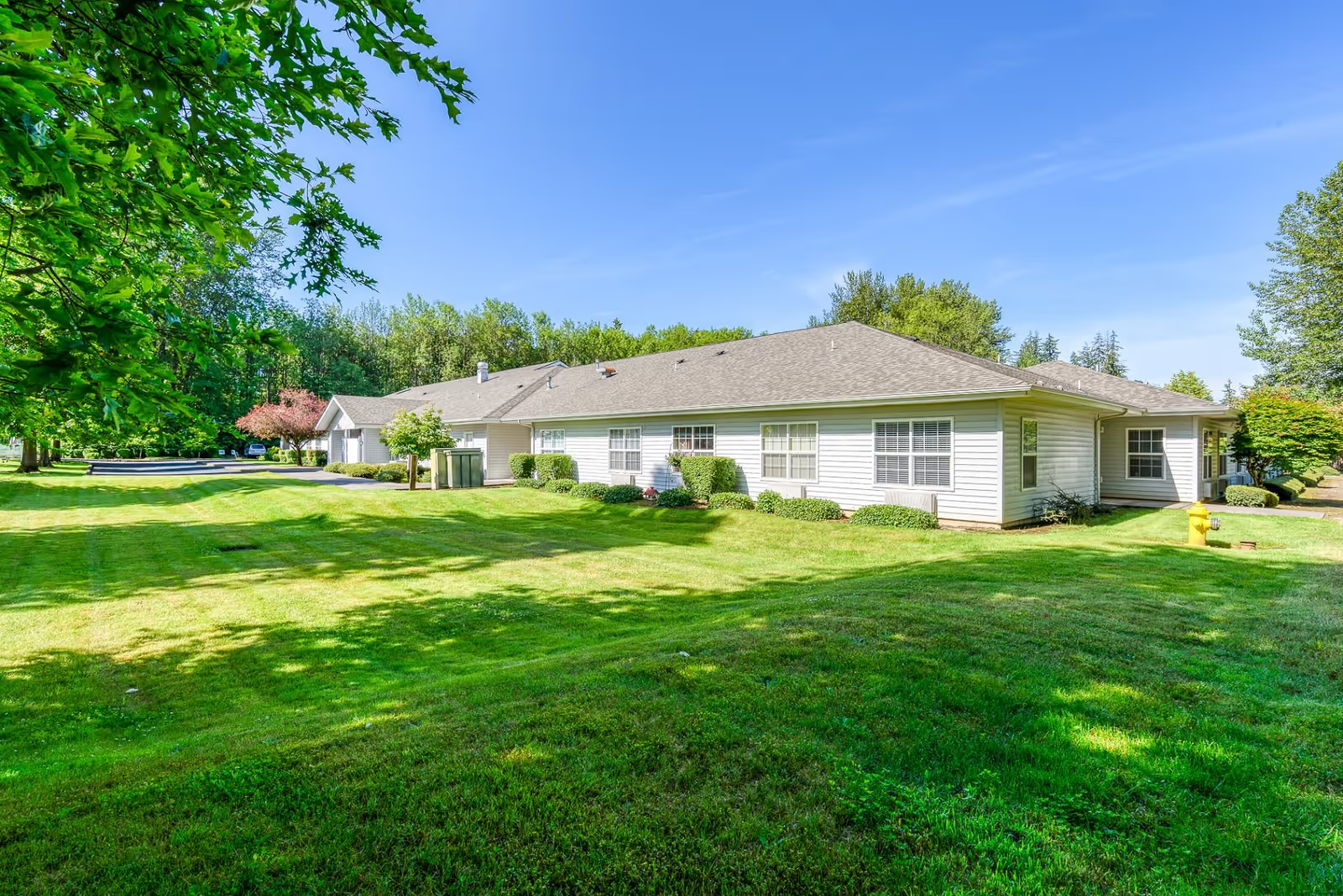
Highlander Place presents as a small, recently updated assisted living community that many families describe as clean, well-maintained, and welcoming. The facility emphasizes a home-like, single-floor layout with bright rooms, garden or woods views, and renovated in-unit features such as refrigerators, microwaves, and walk-in showers. Shared amenities include a salon, activity and dining rooms, computers, and a landscaped courtyard; the community is also pet-friendly and designed to be easy to navigate for residents with cognitive impairment.
Care and staffing are consistently highlighted as strengths. Reviewers frequently cite compassionate, attentive caregivers, supportive nursing staff, proactive administration, and strong maintenance and housekeeping teams. Staff communication—including email updates and family outreach—is often described as reassuring, and the facility has supported families through end-of-life and hospice situations. At the same time, several comments suggest variability in staff performance and responsiveness, and the community does not position itself as a substitute for 24-hour skilled nursing; residents with higher medical needs have required transfer to more clinical settings.
Dining and nourishment are among the community's positive attributes. Meals are described as homemade with multiple daily choices and the ability to accommodate dietary needs (including diabetes-friendly options). Families appreciate opportunities to join residents for meals. A minority of comments point to occasional inconsistencies in meal quality.
The activity program is robust in scope—bingo, exercise, arts and crafts, concerts, barbecues, outings, and themed events are regularly offered—and contributes to social engagement for many residents. However, program continuity appears dependent on a single Activities Coordinator in this small setting; when that person is unavailable, activity offerings can drop off, reducing options for residents who rely on scheduled programming for socialization.
On the facilities and operational side, Highlander Place scores well for cleanliness, upkeep, and a secure single-floor design that eases mobility. Drawbacks noted by families include relatively small apartment footprints and a somewhat remote, less walkable location. Cost is a recurring consideration: the community is described as more expensive than some alternatives and does not accept Medicaid, and a few families reported concerns about clarity of pricing or post-move-in fee changes.
Overall pattern: many families and long-term residents report high satisfaction, praising the personal attention, safety, and sense of community. The facility appears well suited to residents seeking a small, personal assisted-living environment with active social programming and dependable everyday care. Prospective residents with high medical or 24-hour nursing needs, strict budget constraints, or a priority on transit-oriented location should weigh those factors and ask specific questions about nursing coverage, fee transparency, activity staffing redundancy, and visitation policies during tours.