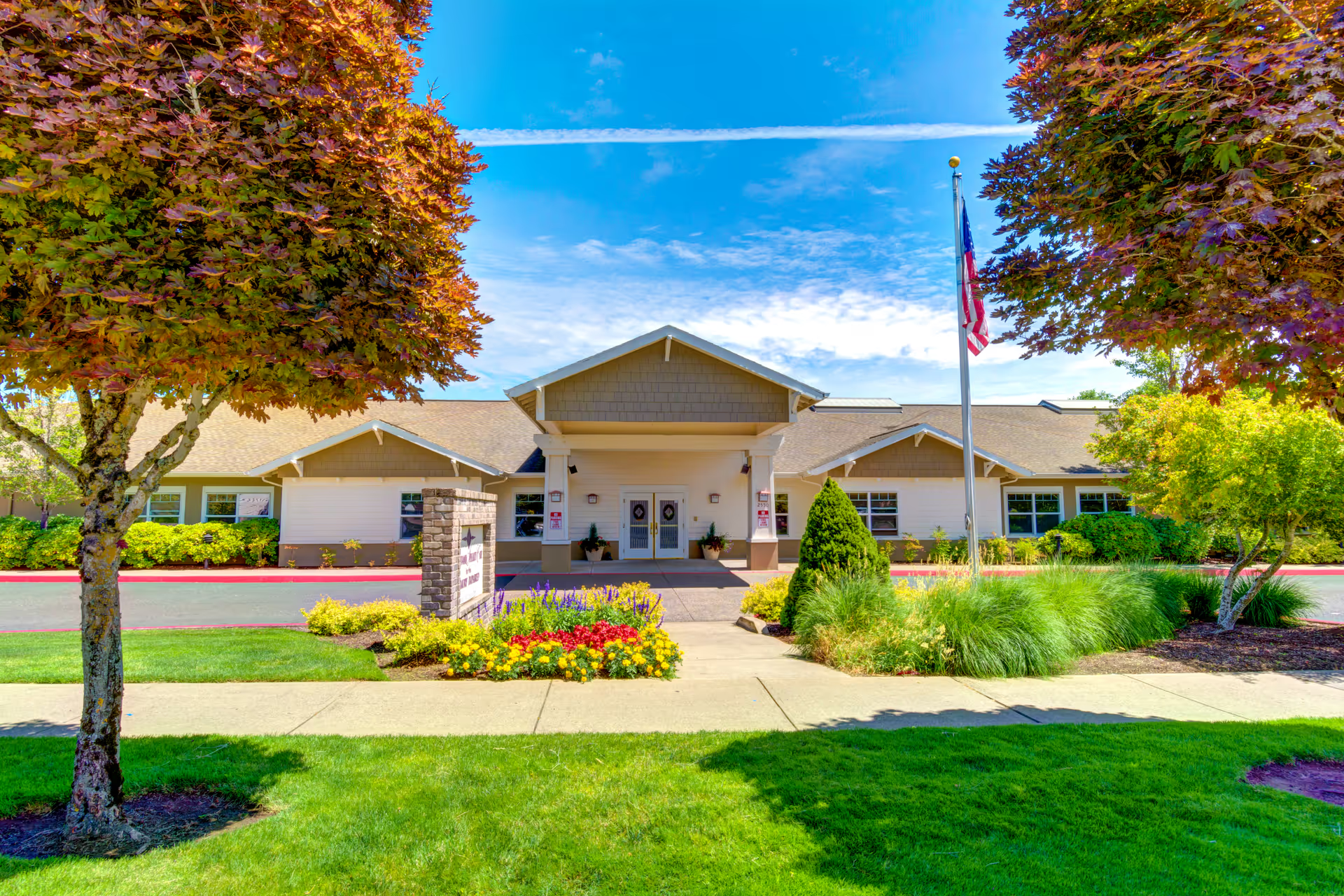
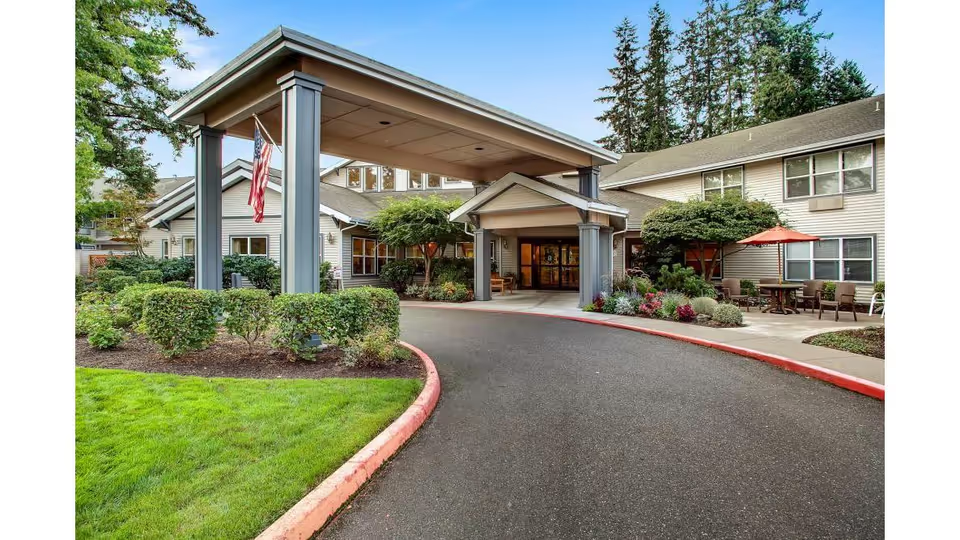
Overall impression: The White Piano Senior Home is frequently described as a clean, well-maintained, and homelike residential option with a strong emphasis on respectful, safety-focused care. Many accounts emphasize attentive, compassionate staff and engaged ownership; families and residents commonly cite private rooms and bathrooms, elegant decor, and pleasant grounds as contributors to a peaceful living environment. Infection-control measures and proactive communication during COVID were highlighted as reassuring by several families.
Care and staff: Care quality is generally characterized as professional and compassionate. Reviewers note that staff are hardworking and knowledgeable, providing physical safety and day-to-day support that gives families peace of mind. At the same time, there is some variability in interpersonal warmth and personalization: a number of families described interactions with staff as highly attentive, while a minority felt staff could be less personable or provide only basic care. Prospective residents should ask about staffing levels, turnover, and how staff are matched to residents’ social and emotional needs.
Dining and activities: Dining is frequently described positively — home-cooked meals and family-style dining or community dinners receive praise. Programming appears active, with weekly music therapy and other engagement opportunities cited as contributors to resident happiness. However, some comments suggest that staff preferences or routines can limit residents’ participation in communal spaces; families may want to observe activity participation during a visit and ask how the facility encourages socialization.
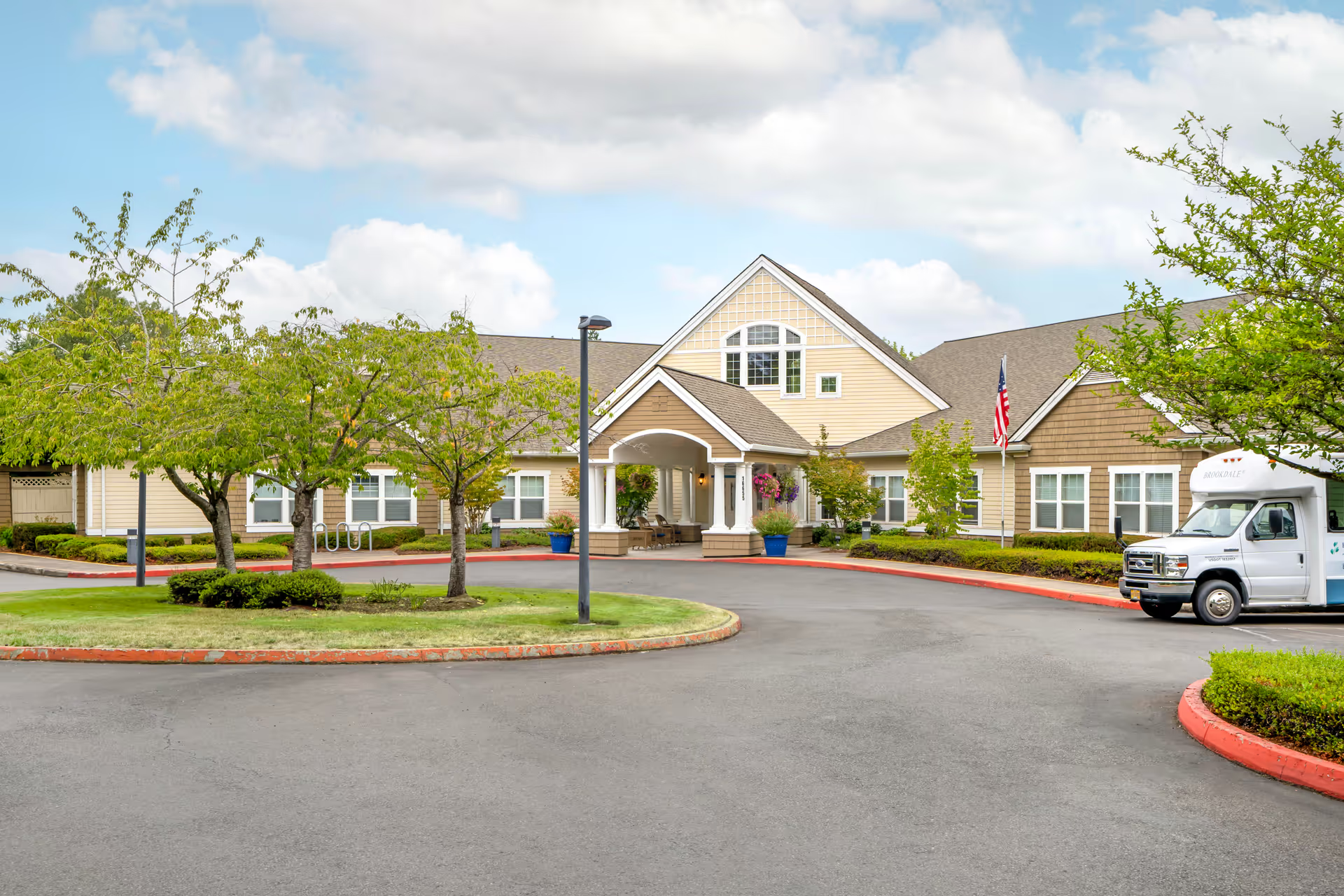
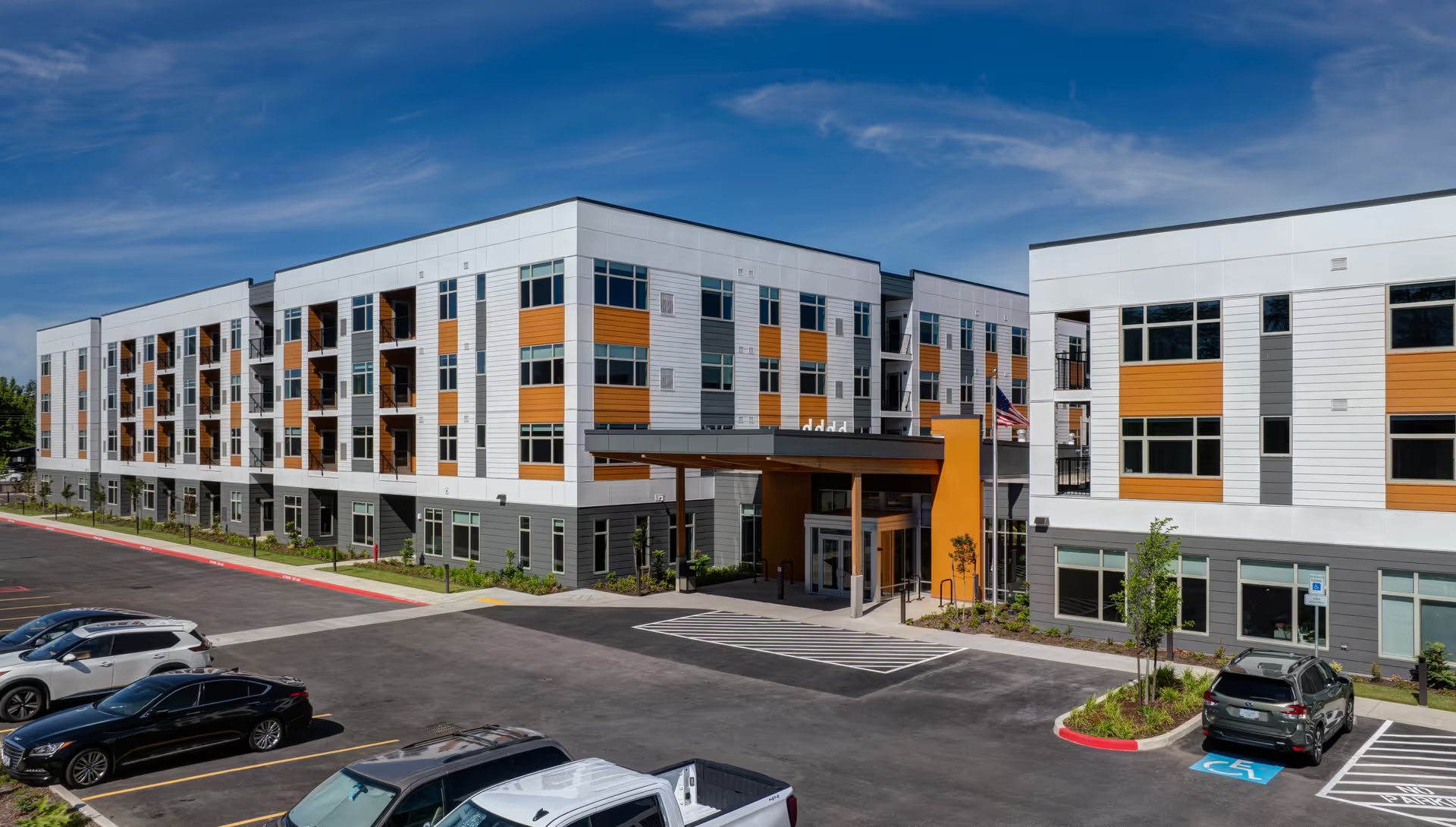
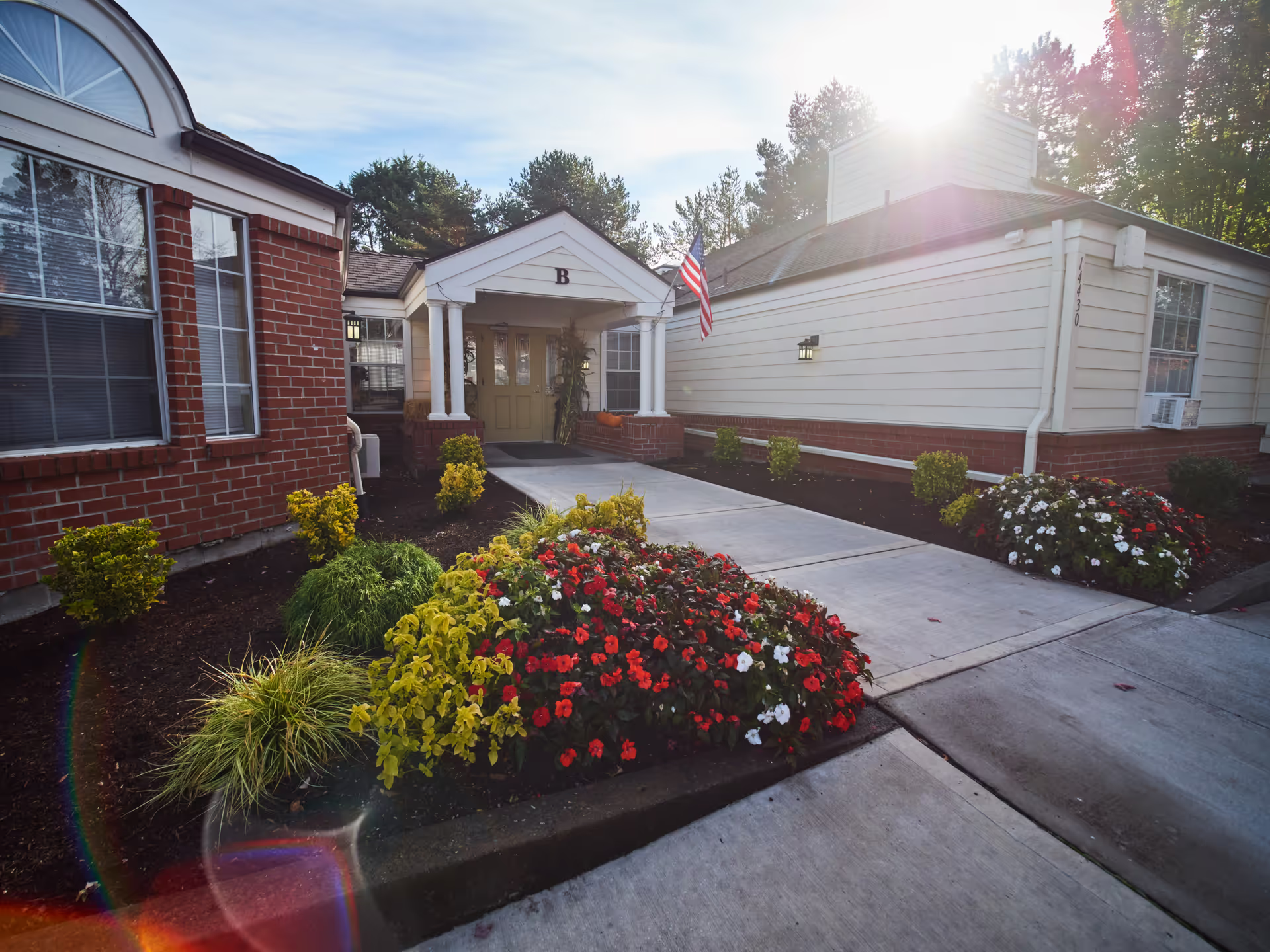
Facilities and accessibility: The property and interiors are described as elegant, very clean, and calming rather than institutional. Outdoor areas (garden, patio, pool) and wheelchair accessibility are highlighted, and private, spacious rooms are a recurring strength. A few accounts imply that some common areas are more decorative than consistently available for resident use; prospective visitors should tour common spaces during occupied hours to assess resident access.
Management and communication: Owner involvement and responsive management are commonly praised; reviewers note an accessible director who advocates for residents and communicates proactively. Conversely, there are recurrent admissions- and inquiry-related concerns, including instances of limited information provided to callers and at least one report of poor phone responsiveness. Families should request written details about services, sample care plans, and a clear admissions contact path.
Notable patterns and recommendations: Positive themes center on cleanliness, private accommodations, home-style meals, and engaged ownership. Areas to clarify during a tour or intake interview include visitation policies (especially end-of-life flexibility), how celebrations and family visits are accommodated, the facility’s approach to encouraging social activity, and specifics about what is included vs. billed as extra. Ask for recent sample menus, activity calendars, staff-to-resident ratios, and references from current families to help determine whether the facility’s advertised services align with lived experience.