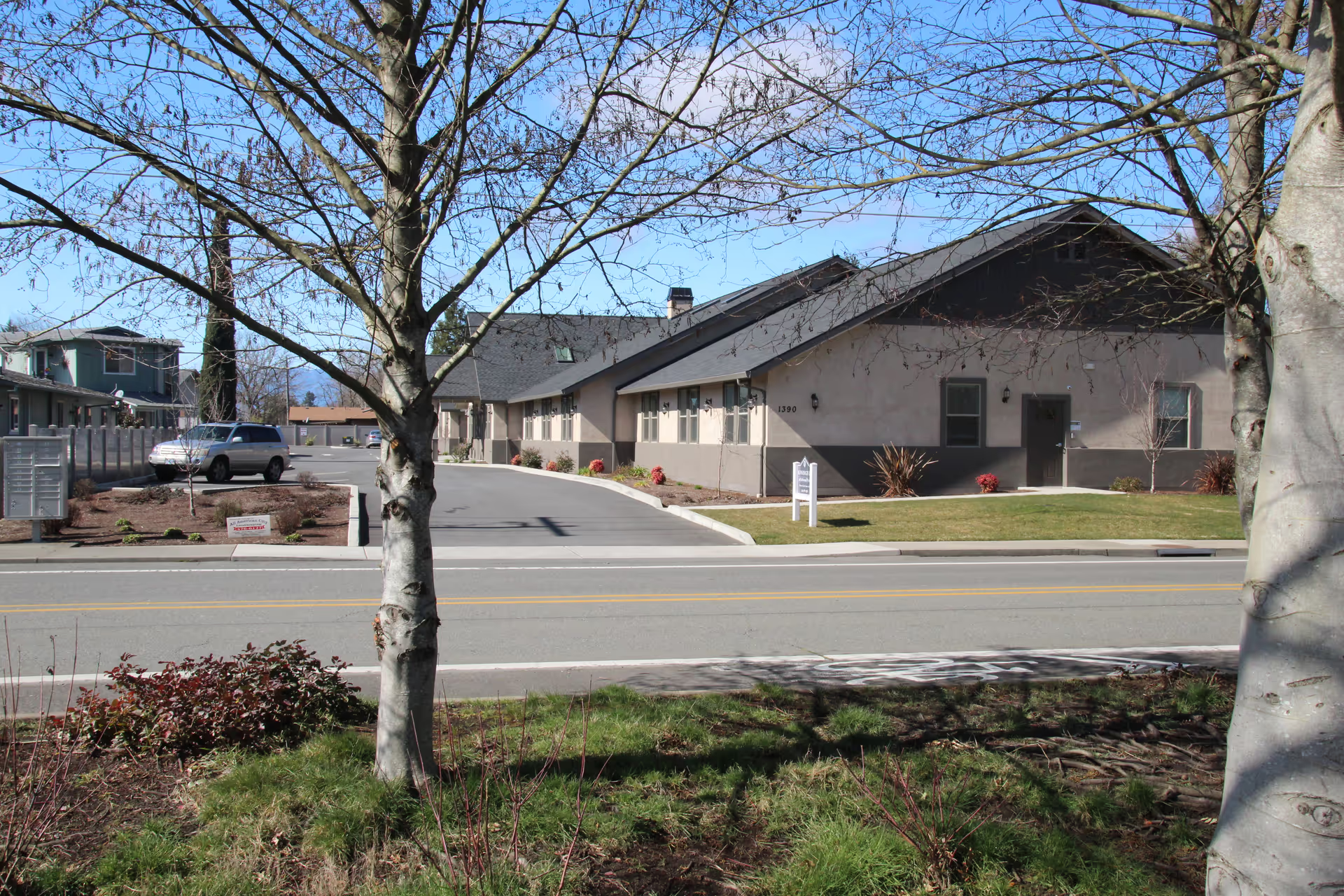
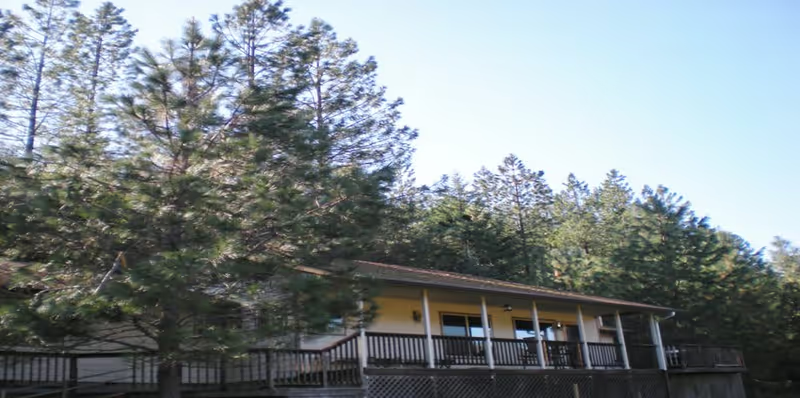
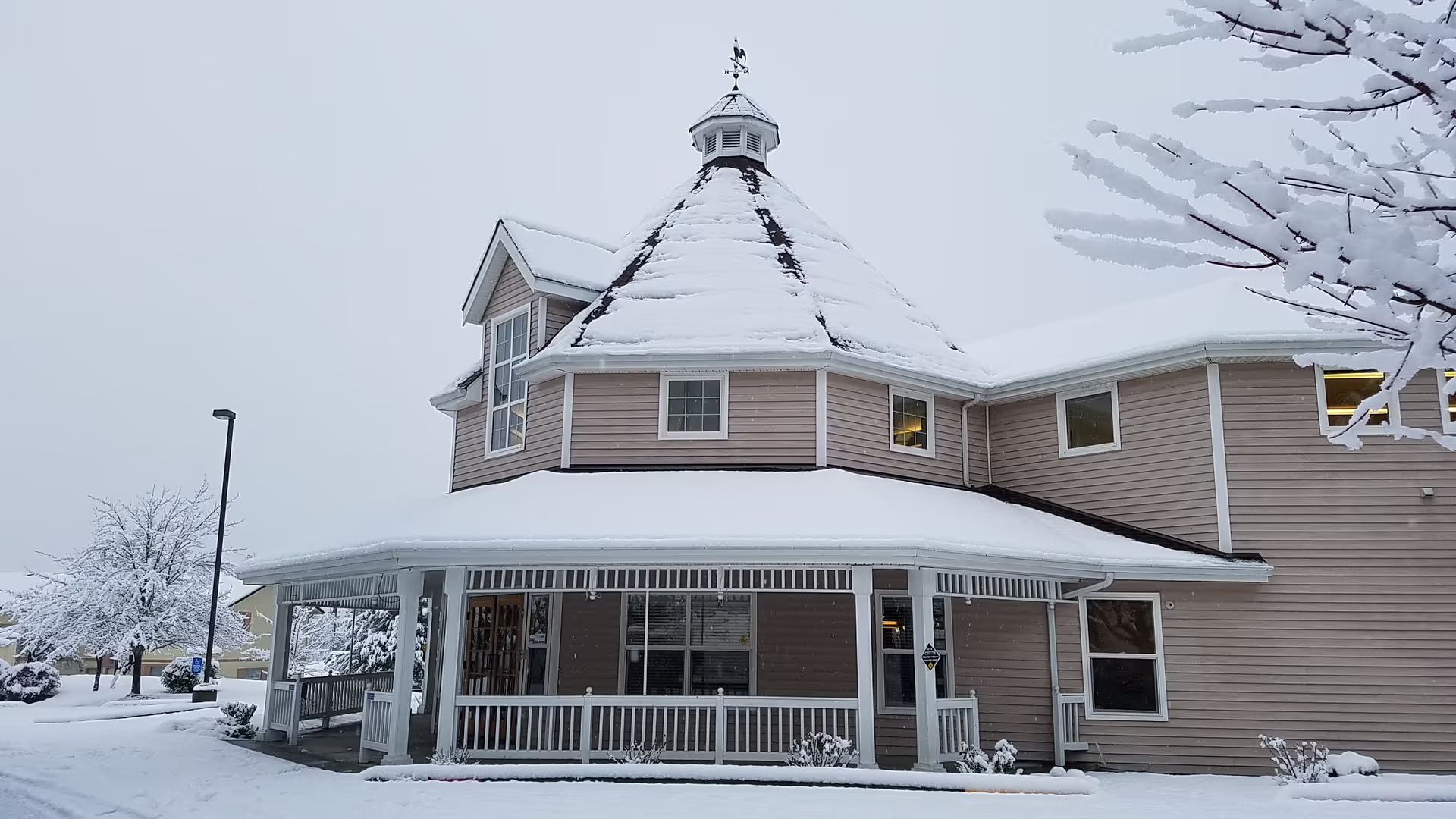
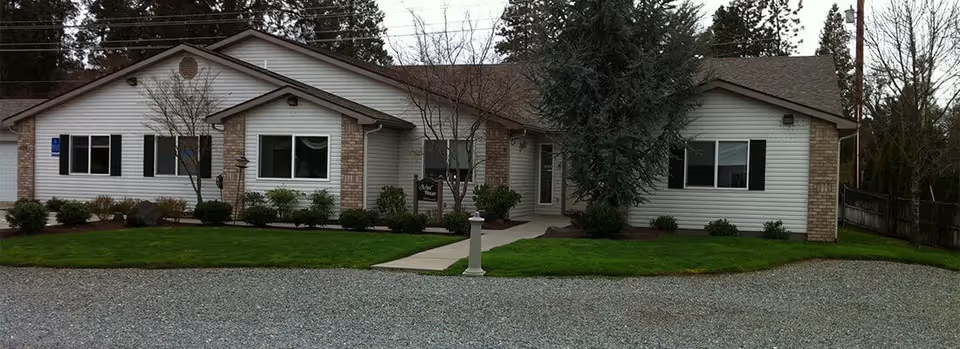
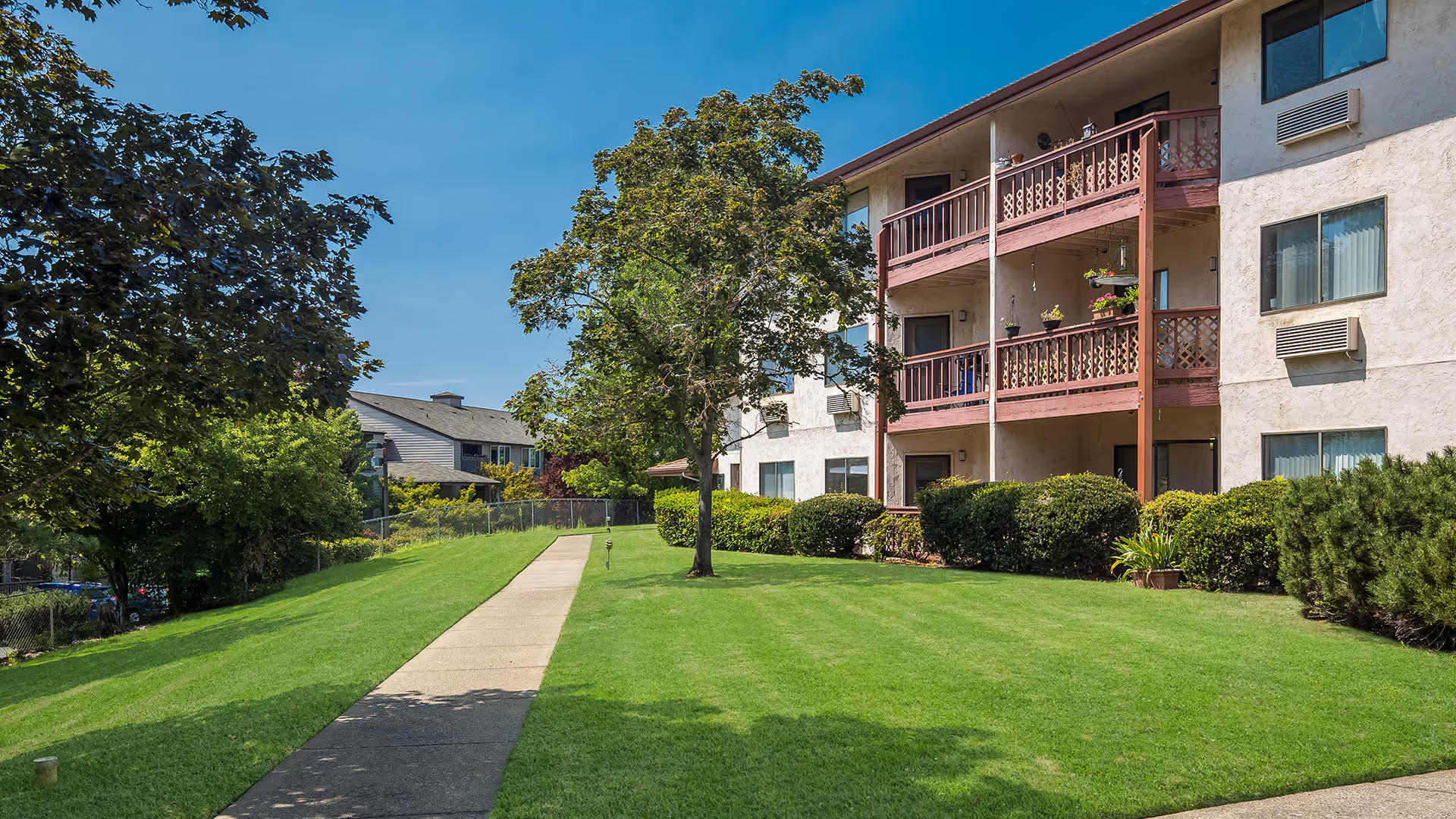
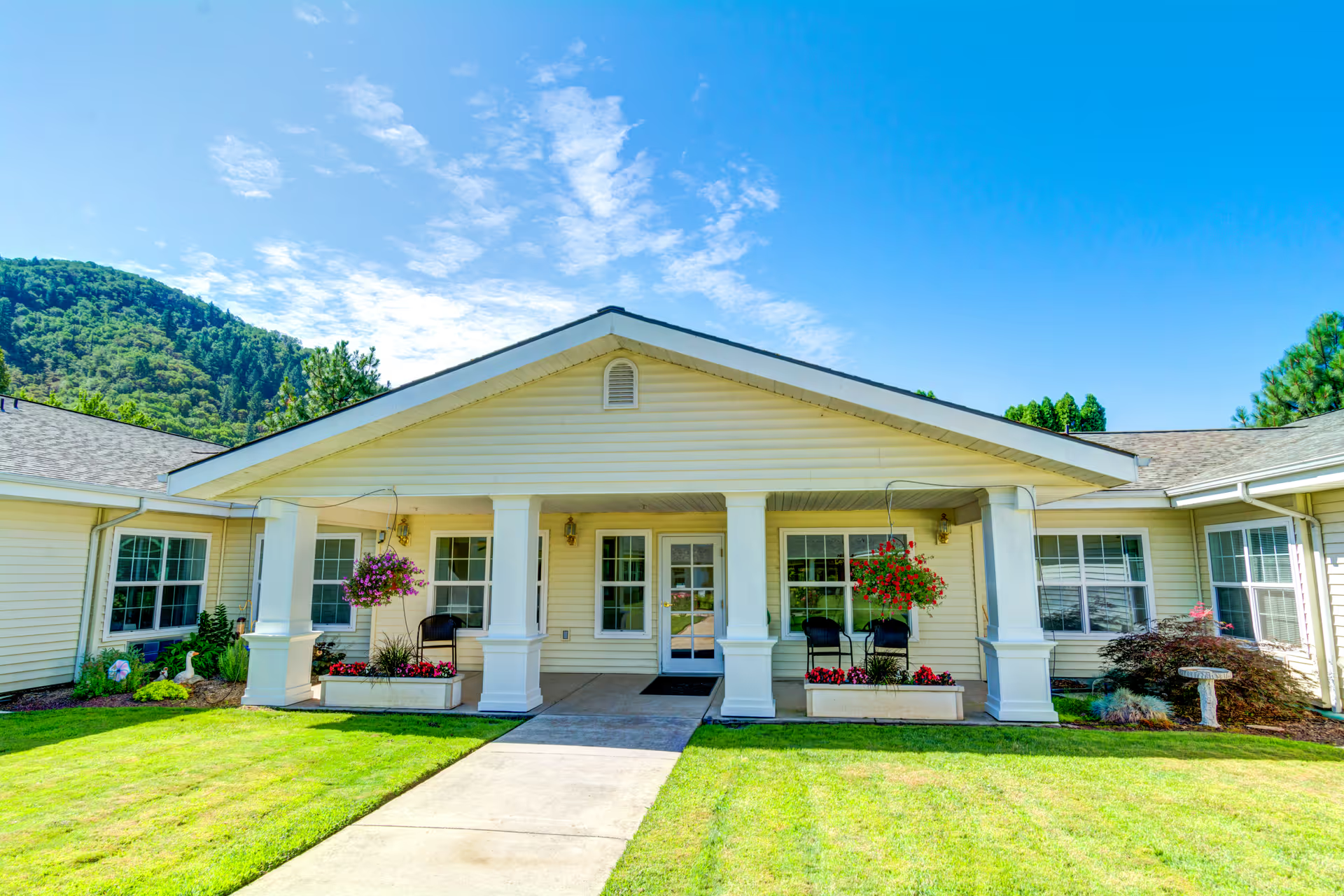
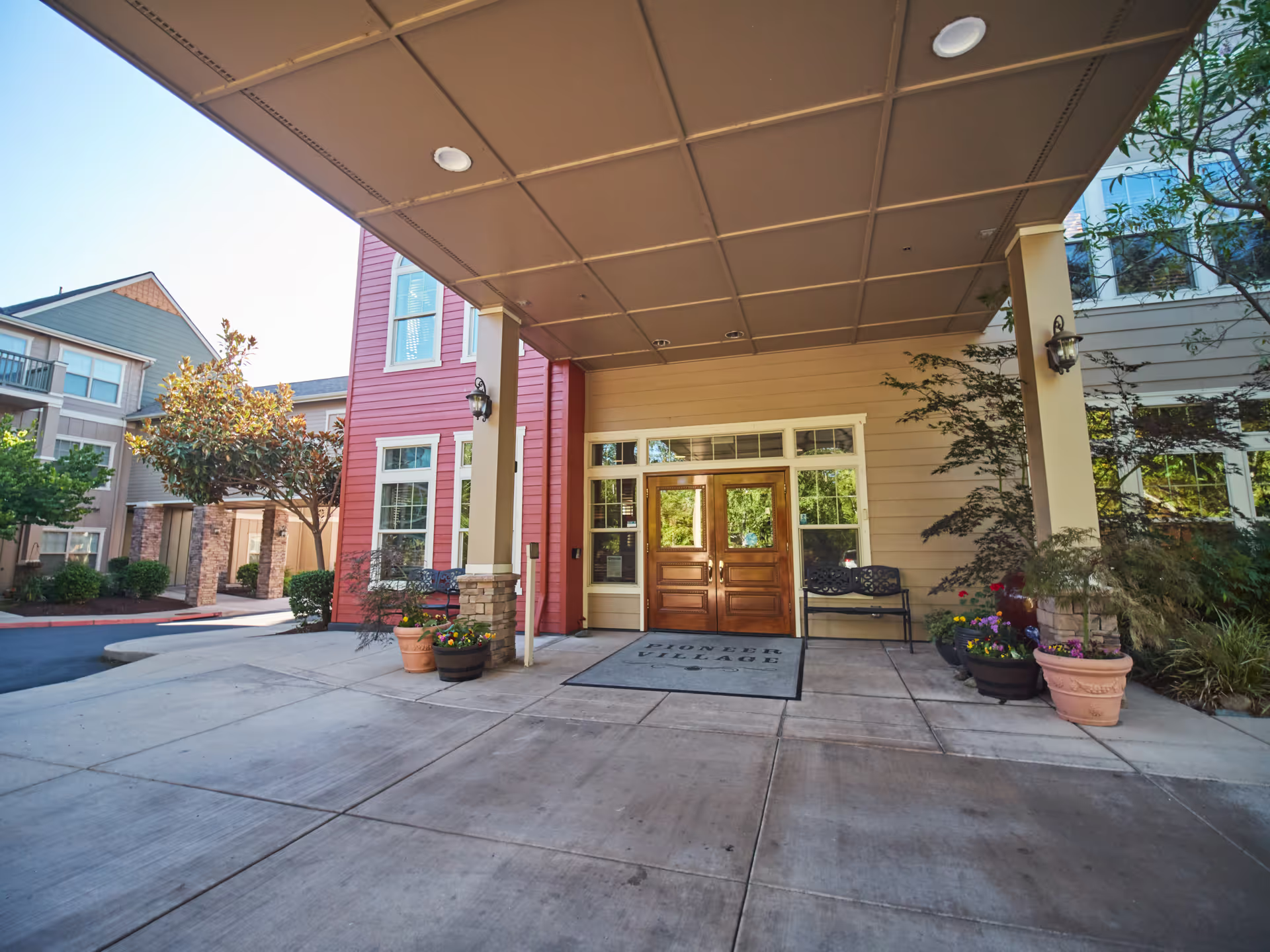
Cascades of Grants Pass presents as a large, well-appointed senior living campus with many amenities that reviewers consistently praise. Strengths highlighted include an attractive, hotel-like environment, well-maintained grounds, bright common areas, private windowed rooms, and a wide selection of living options from cottages to memory care neighborhoods. Admissions staff and named coordinators receive frequent recognition for helpfulness and thorough tours. The community offers numerous on-site amenities — a salon, library, game and activity rooms, a pool table, and scenic outdoor spaces — and many residents and families describe an engaged social life with scheduled outings, holiday entertainment, and regular activities.
Care and staffing present a mixed picture. Many reviewers describe compassionate, attentive caregivers and timely emergency response; however, an overarching pattern of inconsistent staffing and coverage appears across comments. Consequences reported include delayed assistance, gaps in follow-up after move-in, and uneven availability of one-on-one support. Reviewers also describe high caregiver turnover and variable staff training, and some note differences in service quality between neighborhoods (independent living, assisted living, memory care). A few serious concerns about medication-management practices were raised; these are noteworthy and suggest prospective families should verify clinical oversight and medication protocols during a visit.
Dining and food service are areas of clear divergence. Some residents and families praise the restaurant-style dining, varied events, and particular menu items; others describe frequent service interruptions, repetitive menus, inconsistent food preparation, and occasions when kitchen service was limited or unavailable. Multiple reviewers recommended sampling meals more than once before committing. Service issues extend to dining-room operations at times — delays in serving, staffing shortages in the dining room, and cleanliness and table maintenance concerns were mentioned.
Activities programming is often cited as a positive, with many outings, organized events, and opportunities for social engagement. That said, activity availability appears uneven by neighborhood: several reviews describe a robust calendar of events and new activities leadership, while others describe limited programming or minimal engagement in specific units. Prospective residents should ask for the neighborhood-specific activity calendar and meet the activities staff.
Facility maintenance and housekeeping elicit mixed feedback. The campus and grounds are frequently described as attractive and well-cared-for, yet some reviews identify sanitation and cleanliness issues in certain common areas and dining rooms, plus irregular apartment cleaning or delayed maintenance resolution. Parking is another operational shortcoming: the site lacks extensive covered or underground parking and some reviewers found parking distant or full at peak times.
Management and administrative consistency are recurring themes. Several reviewers attribute declines in service or staffing to recent corporate changes and cite billing miscommunications, price increases, or sales-focused tour experiences. Conversely, other families report effective problem resolution after raising concerns with management. Given this variability, families should review contracts, ask about expected fee increases, clarify housekeeping and medication protocols, and request current staffing ratios for the desired neighborhood.
Bottom line: Cascades of Grants Pass offers a well-appointed, amenity-rich campus with strong social programming and many compassionate staff members, making it a good fit for residents seeking active community life and hotel-like facilities. However, prospective residents and families should evaluate neighborhood-specific staffing, clinical oversight, meal service reliability, housekeeping consistency, and parking logistics during tours. Practical steps include sampling meals multiple times, meeting nursing and activities staff for the specific neighborhood, asking for current staffing levels and shift coverage, and clarifying billing and housekeeping schedules before committing.