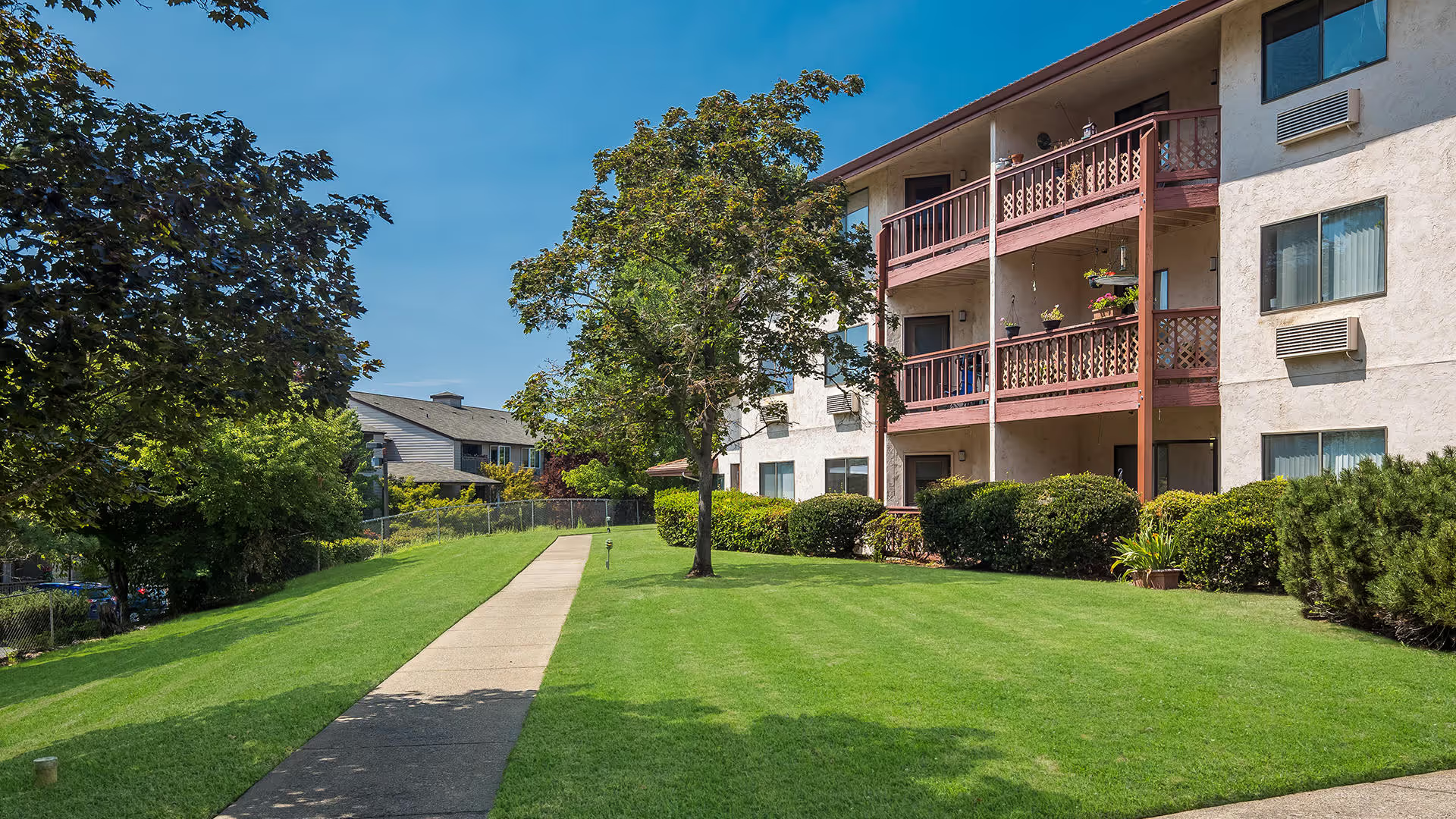
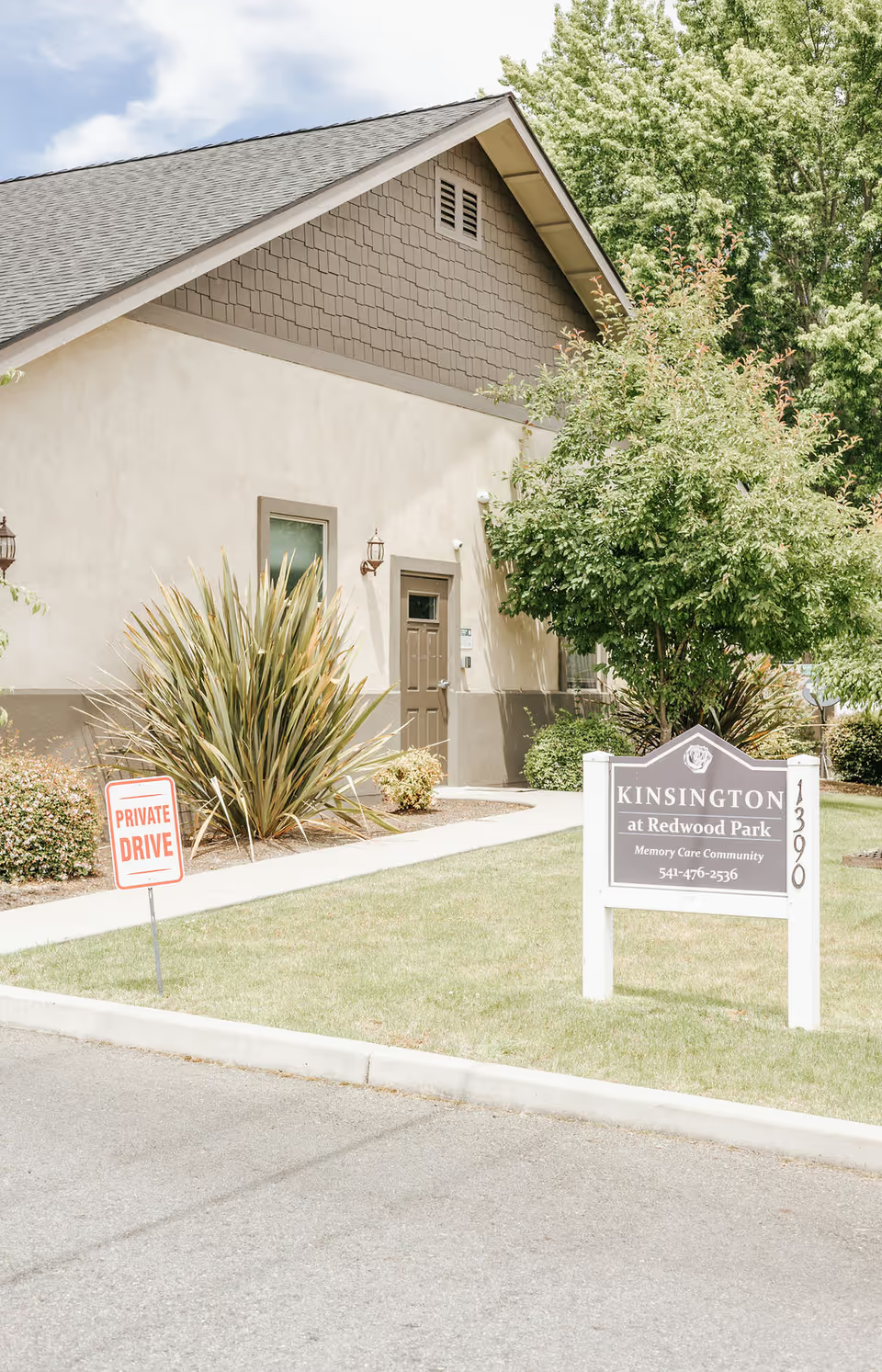
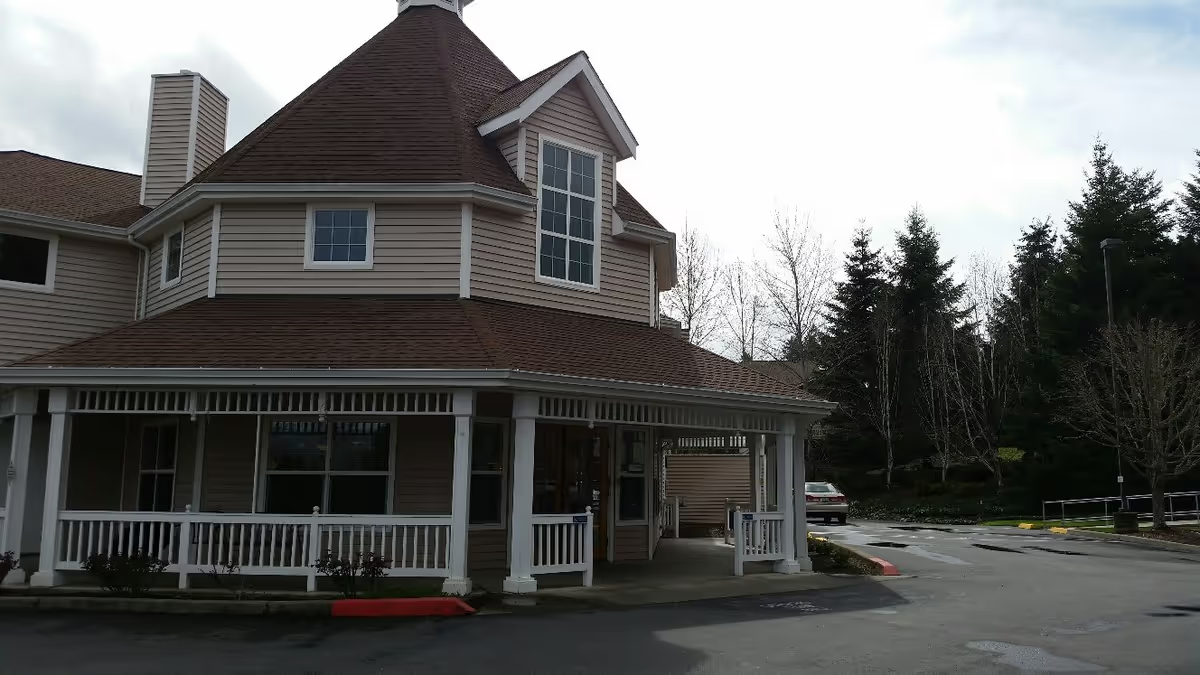
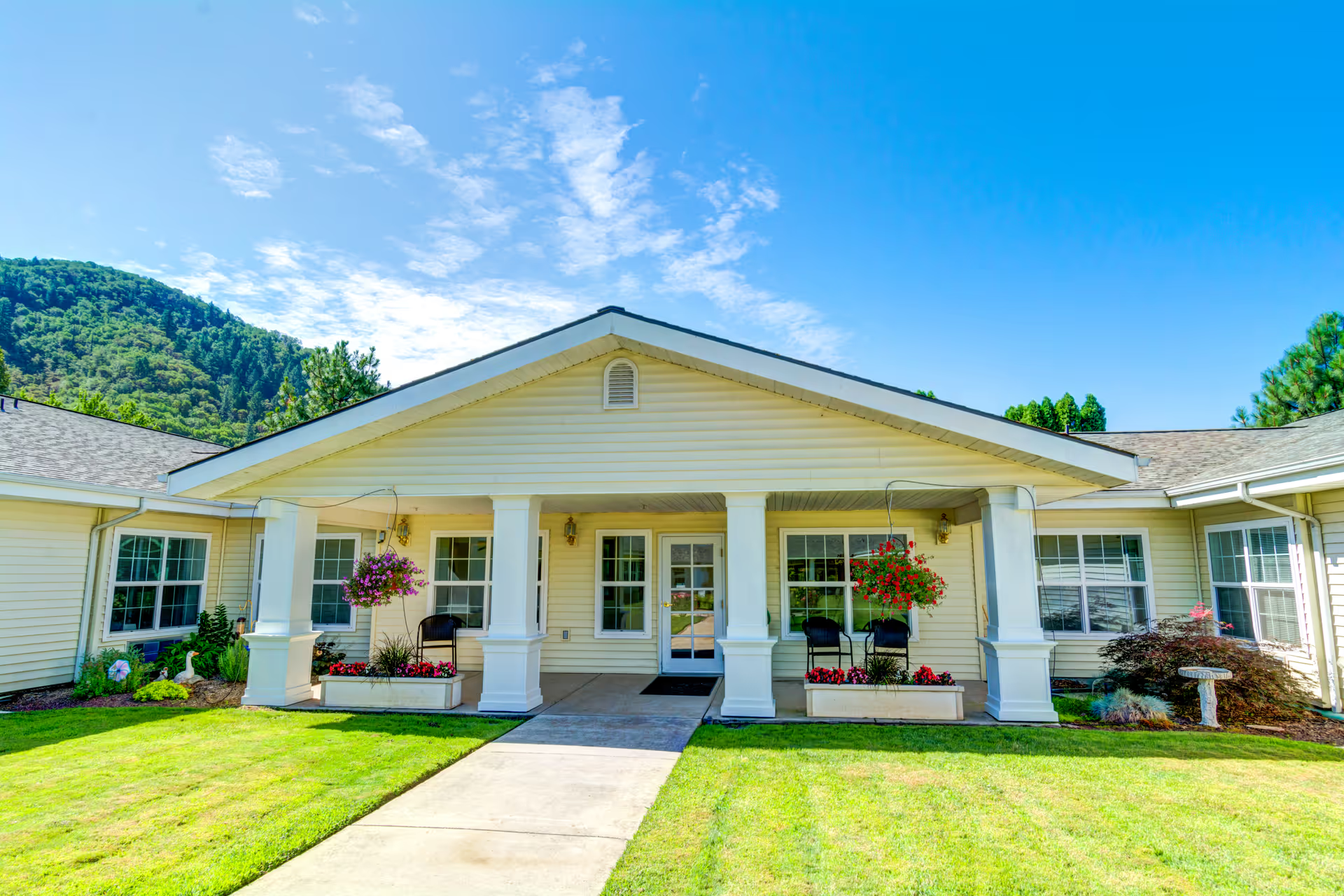
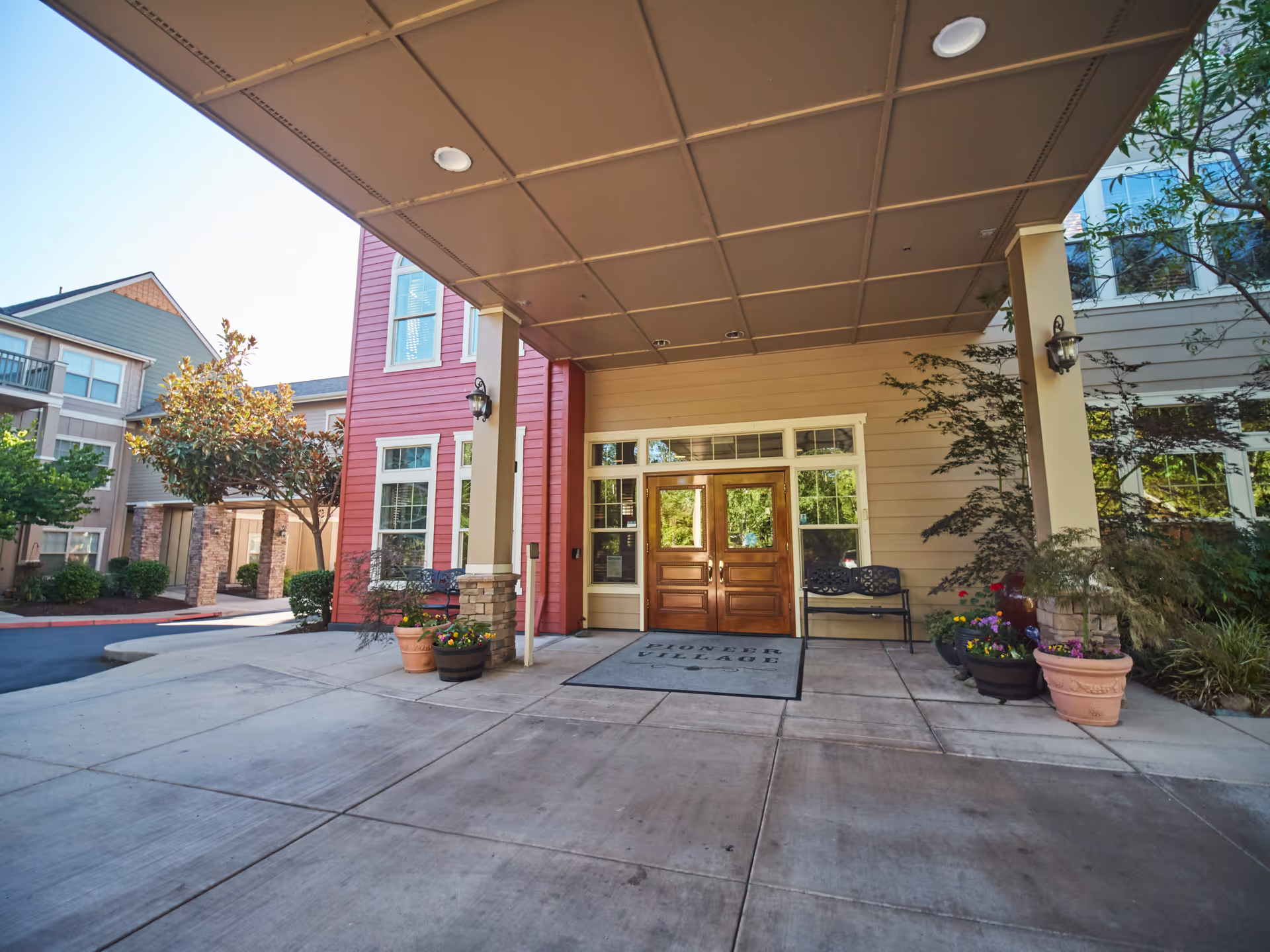
Highland House elicits sharply mixed experiences, with a clear pattern of strong direct-care strengths alongside persistent operational weaknesses. Many families and patients praised frontline caregivers — particularly CNAs, several nurses, and members of the therapy team — for compassionate hands-on care and measurable rehabilitation gains. The facility maintains an active activity calendar, offering crafts, religious services, social events and therapies that several residents found beneficial. Amenities such as an on-site beauty salon, seasonal/holiday décor, resident artwork displays, and flexible room configurations (private/shared rooms and some rooms with kitchens) are consistently noted as positive features.
Despite these strengths, there are recurrent operational issues that affect quality of care. Staffing levels and shift-coverage were frequently described as insufficient, which reviewers linked to slow call-light responses, delayed assistance with toileting and hygiene, and late or missed medication administration. Several accounts describe inconsistent therapy delivery and variability in how rehabilitation plans are implemented, creating uneven recovery experiences. Fall-prevention practices and bed-alarm use also emerge as a concern: families reported cases where alarms were not used or alarms were delayed, indicating a gap in standard safety practices.
Dining and housekeeping feedback is mixed. Some reviewers appreciated generous portions and a dining-room option, while others described inconsistent meal quality and problems with food temperature. Housekeeping and common-area cleanliness receive positive mentions, but sanitation and odor concerns in certain rooms and bathrooms were also described, alongside isolated pest-control concerns and lapses in laundry or denture/tooth care. Facility maintenance issues such as aging rooms, inconsistent HVAC (heating/cooling) reliability, and dated infrastructure were mentioned repeatedly and contribute to variable comfort.
Communication and management responsiveness are notable patterns. Several families reported difficulty reaching administrators, delayed follow-up, and a perceived lack of empathy or poor communication tone from some staff and managers. Allegations of missing personal items and instances where personal belongings were not accounted for point to weaknesses in personal-item security and inventory controls. Transportation coordination and scheduling also produced frustration in some cases.
In summary, Highland House demonstrates meaningful clinical and recreational strengths that support rehabilitation and resident engagement, particularly when caregiving and therapy staff are available and attentive. However, prospective residents and families should weigh those positives against recurring facility-level issues: staffing variability, medication- and safety-practice gaps, inconsistent therapy and dining experiences, maintenance and sanitation concerns in some areas, and variable management communication. Visiting in person, reviewing current staffing ratios and therapy schedules, and clarifying inventory/possession procedures and safety protocols would be prudent steps for families considering this facility.