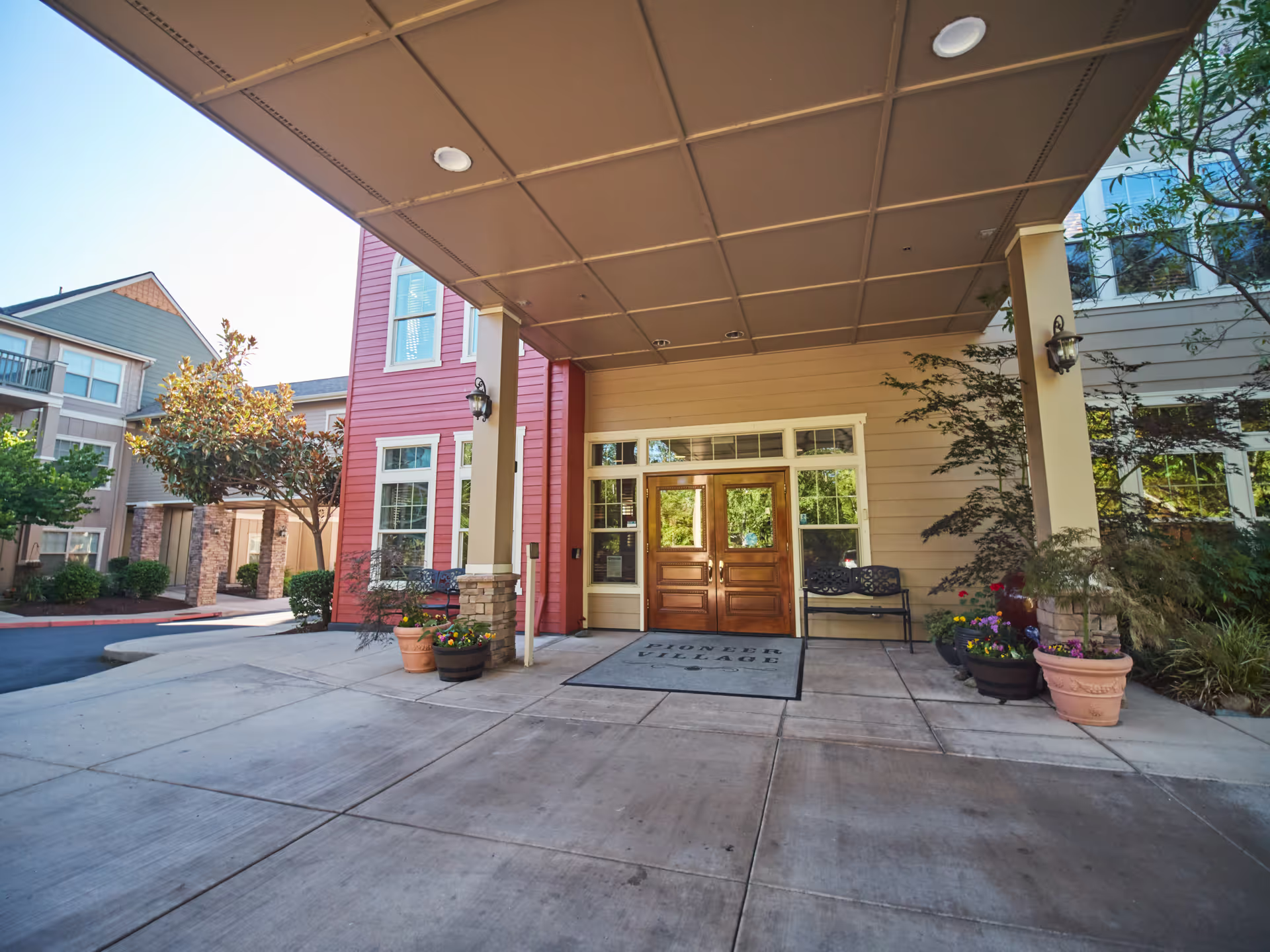
The reviews describe a facility with a clear split between strong rehabilitation services and persistent operational weaknesses. Physical and occupational therapy are consistently praised: reviewers cite thorough, effective PT/OT programs and staff who facilitate measurable recovery. Social services and case management also receive frequent positive mention for helping arrange appointments, transportation, and care planning. Many families and former patients specifically note compassionate bedside staff—particularly dedicated CNAs—and team-oriented interactions during well-staffed shifts.
At the same time, families report recurrent problems that affect everyday safety and comfort. Staffing is inconsistent: frequent use of travelers and a high patient load were linked to delays in responding to call lights, long waits for basic medications or pain relief, and missed hygiene services (including irregular bathing schedules). Several reviewers described medication-administration failures and gaps in medication reconciliation or refill processes; these concerns have contributed to anxiety around pain control and chronic-condition management. Documentation and family communication are also identified as areas needing improvement, with examples of poor transfer notes, delayed updates, and unclear discharge coordination.
Dining and nutrition are another polarized area. While some staff make individual accommodations, the kitchen’s outsourced model is criticized for inconsistent meal quality and inadequate adherence to therapeutic diets (diabetic, heart-healthy, vegan). Food-service lapses and at least one cross-contact/placement concern were reported, creating unease about diet safety and service continuity. Activities and communal dining are generally viewed positively when staffing allows; organized programs such as bingo and communal dining improved social engagement for many residents.
Facility infrastructure and operational maintenance drew several specific concerns. Reviewers mention plumbing and HVAC problems, mold and air-filter issues, and pest-control concerns; these items point to deferred or delayed maintenance. In some accounts, basic infection-prevention infrastructure (hand-sink access, sanitizer availability) and housekeeping/cleaning practices were described as inadequate. There are also repeated notes about mishandled resident property and mail, and isolated allegations including theft or financial mishandling that have led to regulatory scrutiny for the facility.
Management and leadership feedback is mixed. Some reviewers praise an accessible administrator and an outstanding director of social services, and note recent leadership changes that give hope for improvement. Others describe limited administrative responsiveness, uneven enforcement of standards, and the effects of corporate/outsourced decisions (e.g., external management, contracted kitchen) on continuity of care. A recurrent theme is that long-term, stable staff tend to provide strong, person-centered care, while turnover and cost-saving measures have negatively affected consistent service delivery.
Patterns to weigh when considering this facility: it appears to perform well for short-term rehabilitative stays where therapy intensity and case management are primary needs, and where positive outcomes and attentive therapists are priorities. For longer-term custodial care, families should evaluate staffing consistency, medication-safety processes, diet accommodations, and current maintenance/infection-prevention practices. Prospective residents and families may benefit from asking about recent state inspection results, current agency-staffing levels, specific diet and medication protocols, and any recent corrective-action plans implemented by administration.