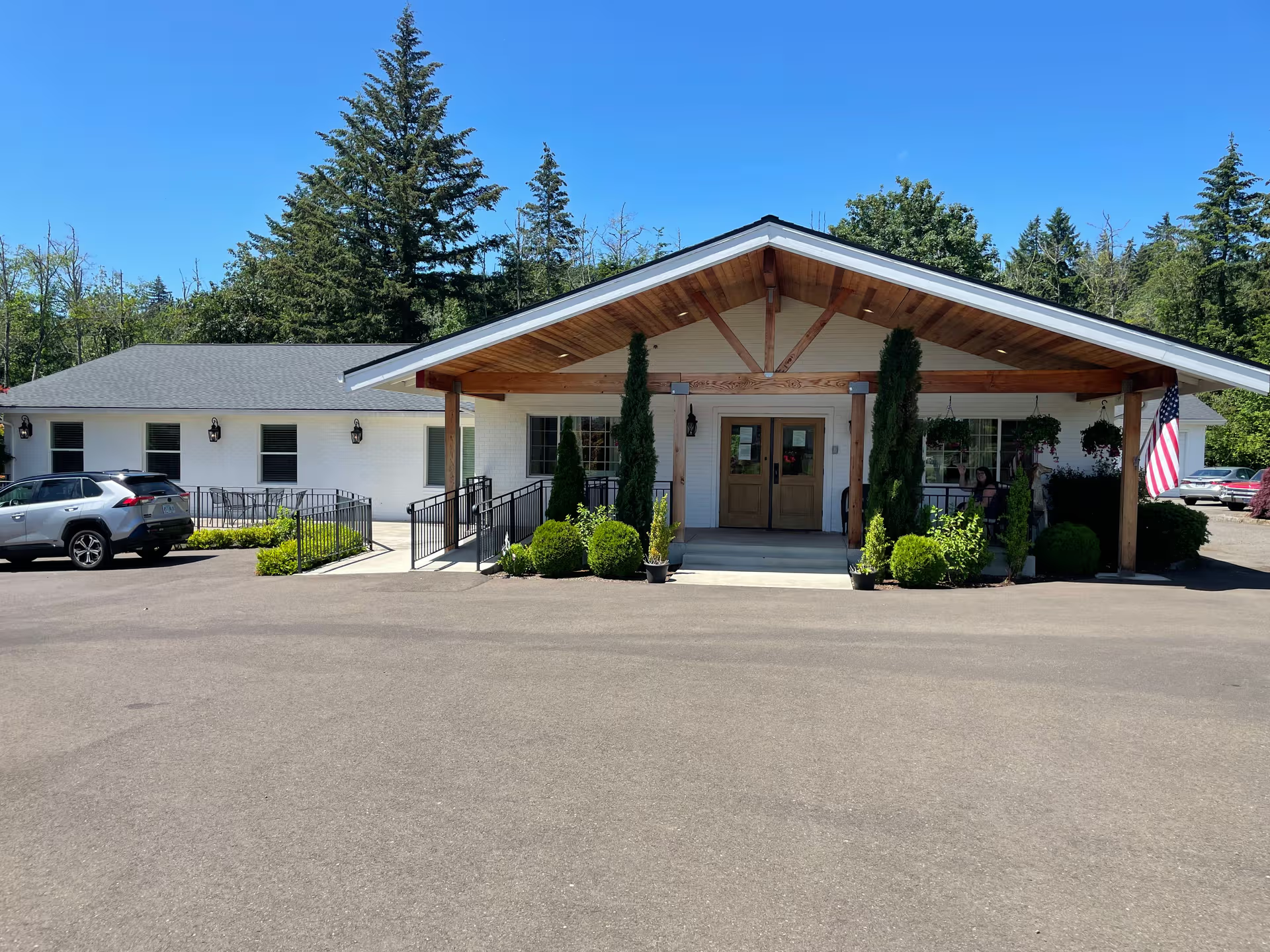
The reviews describe a referral-oriented senior-living guidance service that places primary emphasis on personalized matching and emotional support during transition. Reviewers highlight staff strengths — notably compassion, attentiveness, and subject-matter knowledge — and value the free, consultative nature of the service. Because the organization functions as a guide rather than a direct-care provider, assessments of clinical care quality depend on the receiving facility; reviewers credit the guidance team with helping families locate appropriate care levels and supportive caregivers.
Staff and care coordination are the clearest strengths. Reviews emphasize attentive listening during intake, sensitivity to downsizing challenges, and guided tours that allow families to evaluate potential residences. The guidance staff are portrayed as practical and comforting, helping families weigh options and arrive at an informed choice. Where reviewers mention caregiving, it is in the context of referrals and placement outcomes rather than hands-on clinical work.
There is limited reviewer detail about dining, activities, and on-site amenities. The guidance service appears to focus on matching resident needs and arranging tours, which can surface information about meals, programming, and facility condition, but the reviews themselves rarely describe those areas in depth. Prospective clients should treat dining menus, activity schedules, common-area maintenance, and amenity access as items to verify directly with any prospective community during or after the arranged tour.
Management and operational patterns suggested by the reviews include a consistent, family-centered approach and a no-cost consult model. The primary limitations implied are structural rather than anecdotal: because the organization does not provide direct clinical or nursing services, clients must confirm medical staffing and clinical protocols at the chosen community; post-placement follow-up may vary by case; and the guidance materials reflected in reviews do not provide detailed, standardized descriptions of dining and activity offerings.
Practical recommendation: this guidance service appears well suited for families seeking empathetic, knowledgeable assistance with search and selection, and for those who need help with downsizing and logistics. To complete due diligence, families should use the service to generate an initial short list and then schedule facility-level assessments focused on clinical staffing, medication-management practices, dining options, activity programming, and written contract terms. Asking the guidance team for explicit follow-up procedures and references from recently placed families can help address potential variability in post-placement support.