Overall impression: Review summaries portray Better Living RCF as a facility that delivers attentive, person-centered care in a pleasant physical environment. Families and visitors describe staff as kind and helpful, and several accounts highlight improvements in resident mood and day-to-day well-being after admission. The facility's appearance and private-room offerings also contribute to a generally favorable sense of comfort and peace of mind.
Care quality: Descriptions emphasize a high level of hands-on care characterized by tenderness and responsiveness. Care interactions are framed as respectful and reassuring, and relatives note measurable improvements in residents' spirits. While direct clinical performance metrics are not provided, the qualitative comments reflect confidence in daily caregiving routines and staff attentiveness.
Staff: Staff are frequently described in relational terms — family-like, caring, and helpful — and administration is noted for keeping families informed. These features support strong interpersonal connections between staff, residents, and relatives. A recurring operational concern is elevated staff turnover; reviewers identify staffing changes as a potential source of instability that could affect assignment continuity and familiar caregiver relationships.
Dining and activities: Dining is characterized positively, with references to good food and organized community meals, including holiday events such as Thanksgiving dinners. These social dining events appear to contribute to resident engagement and family satisfaction. Specifics about the broader activities program are limited in the summaries provided, so activity variety and frequency cannot be fully assessed from these comments.
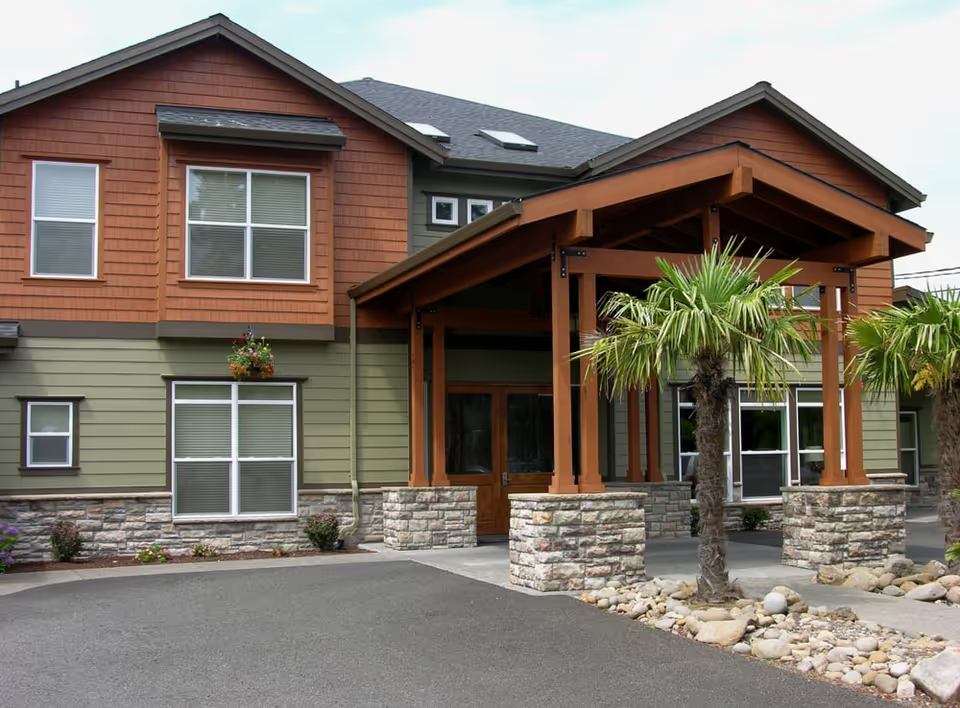
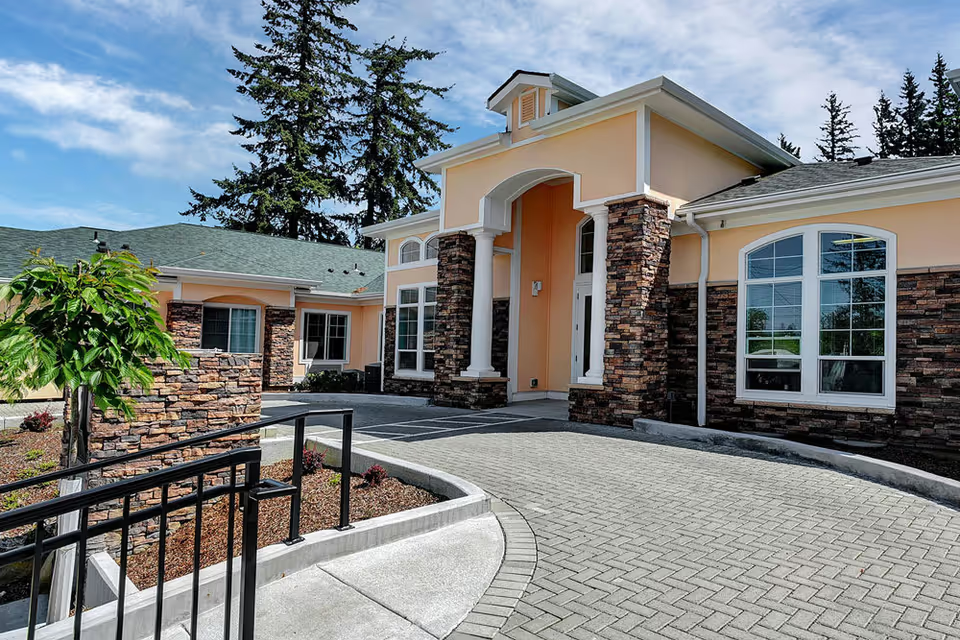
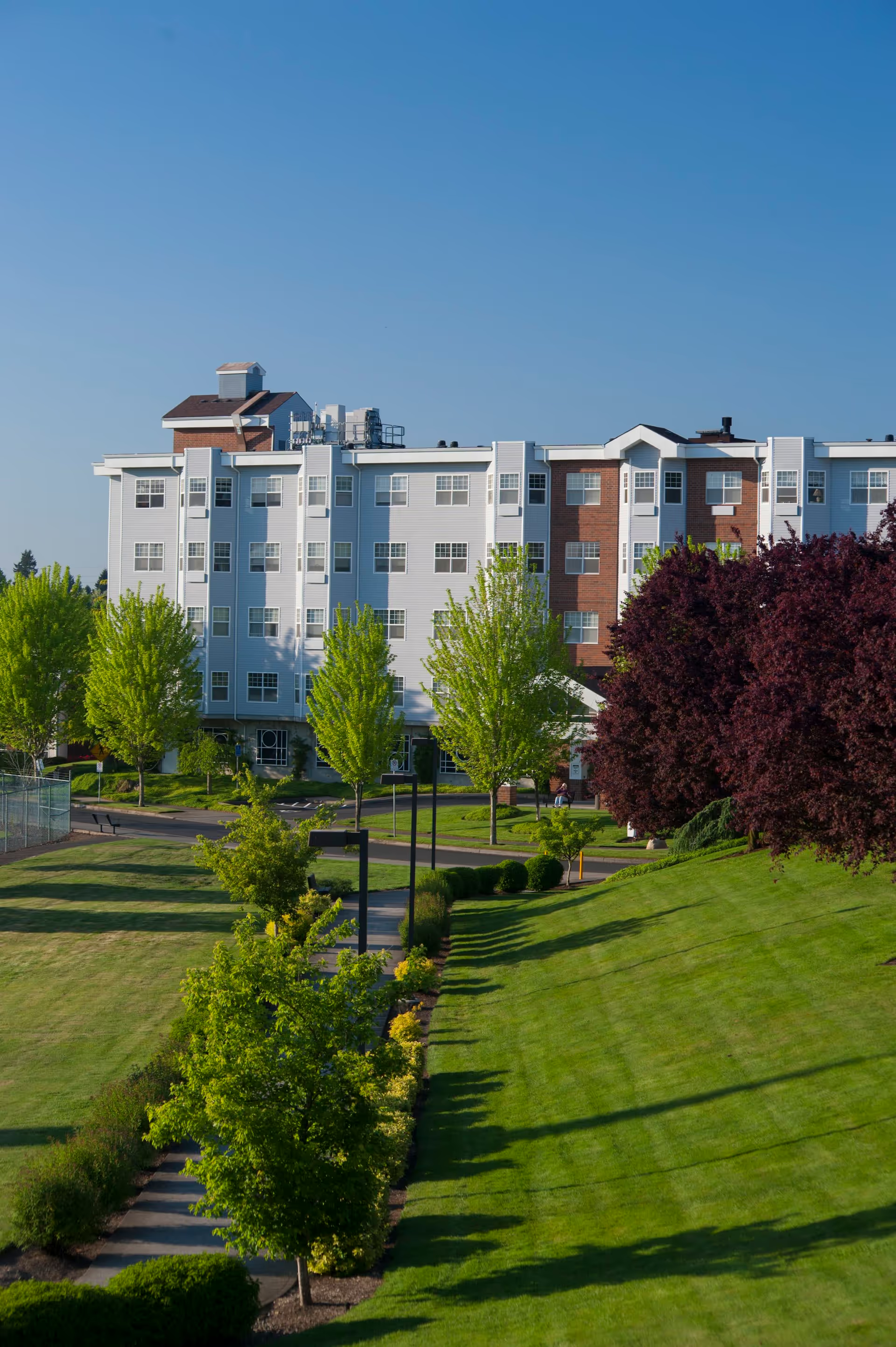
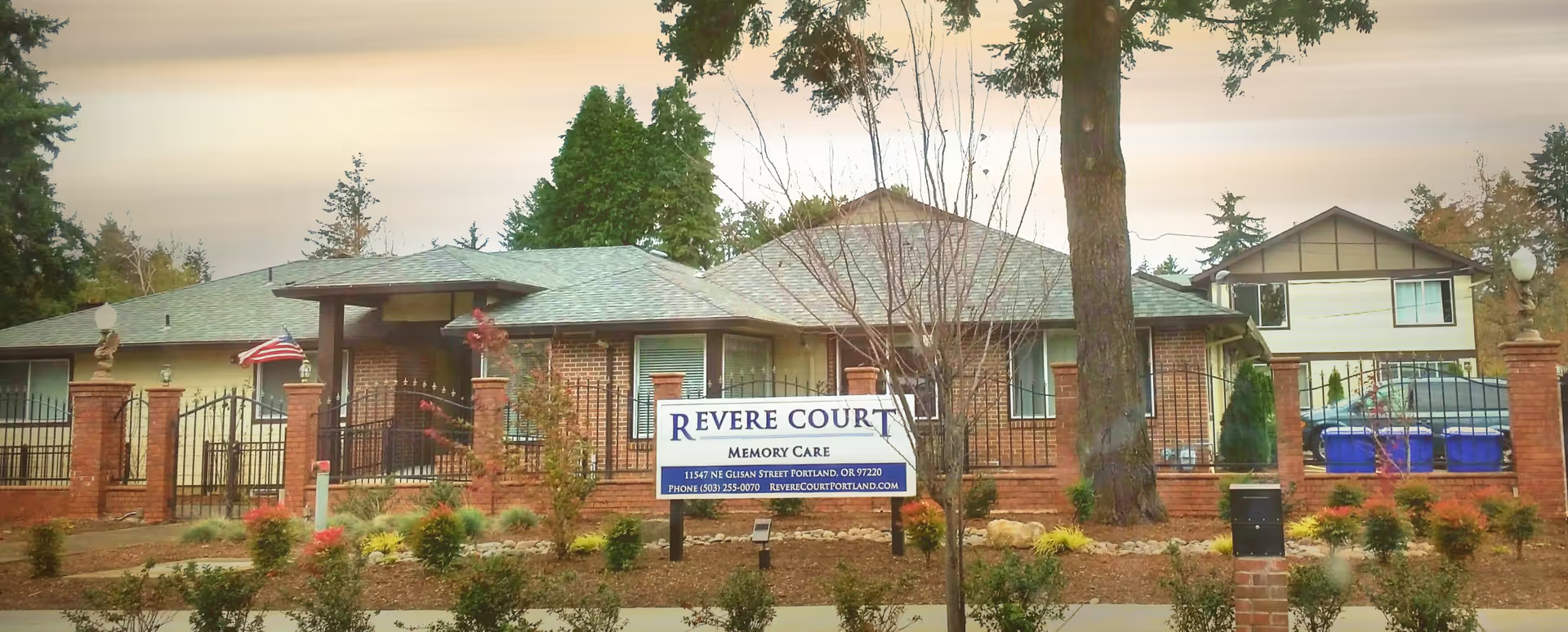
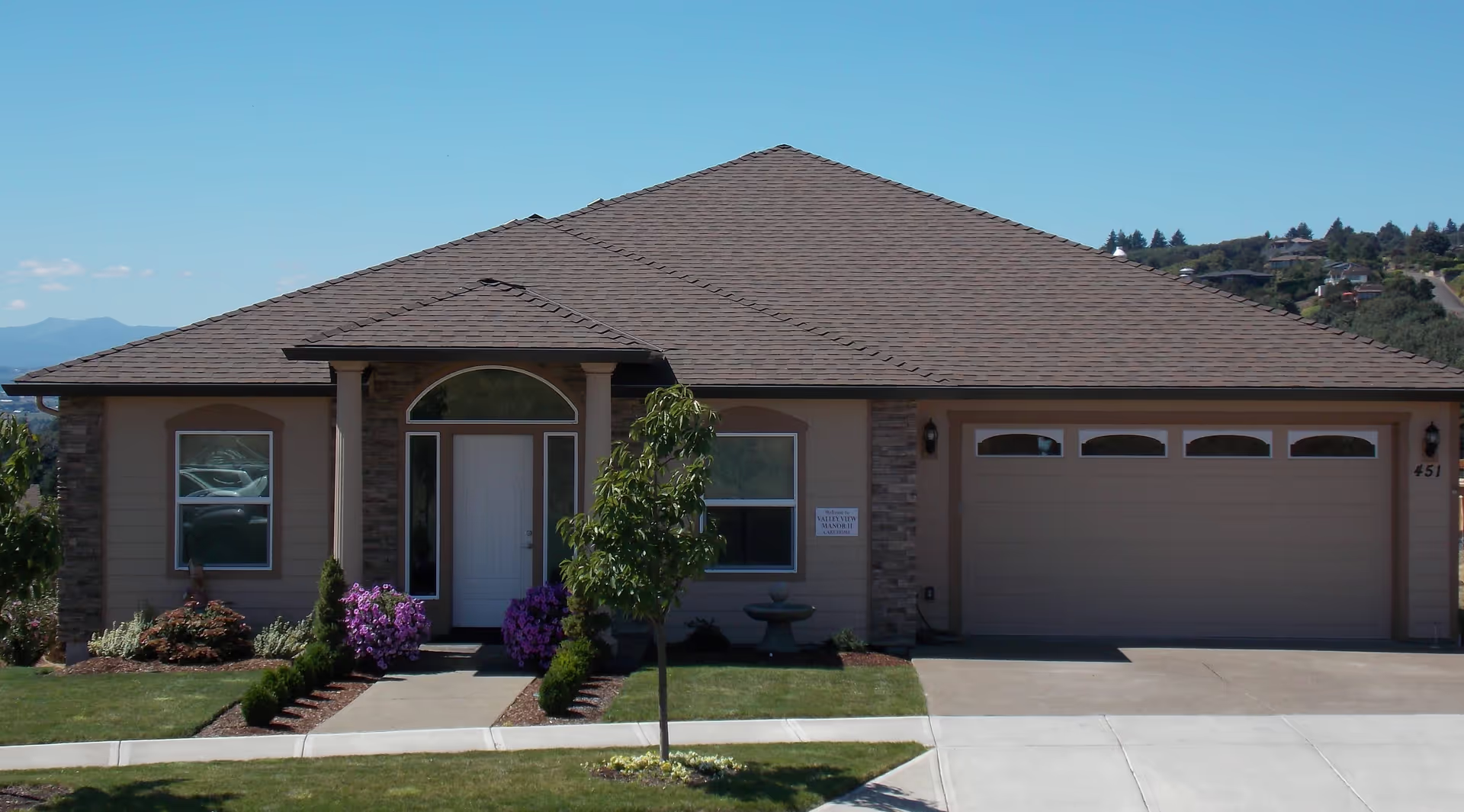
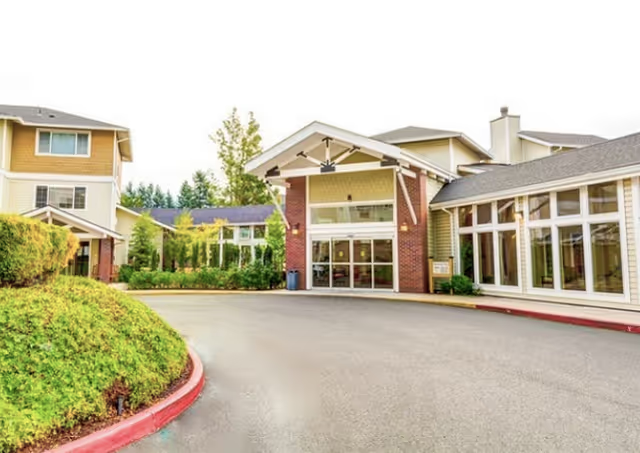
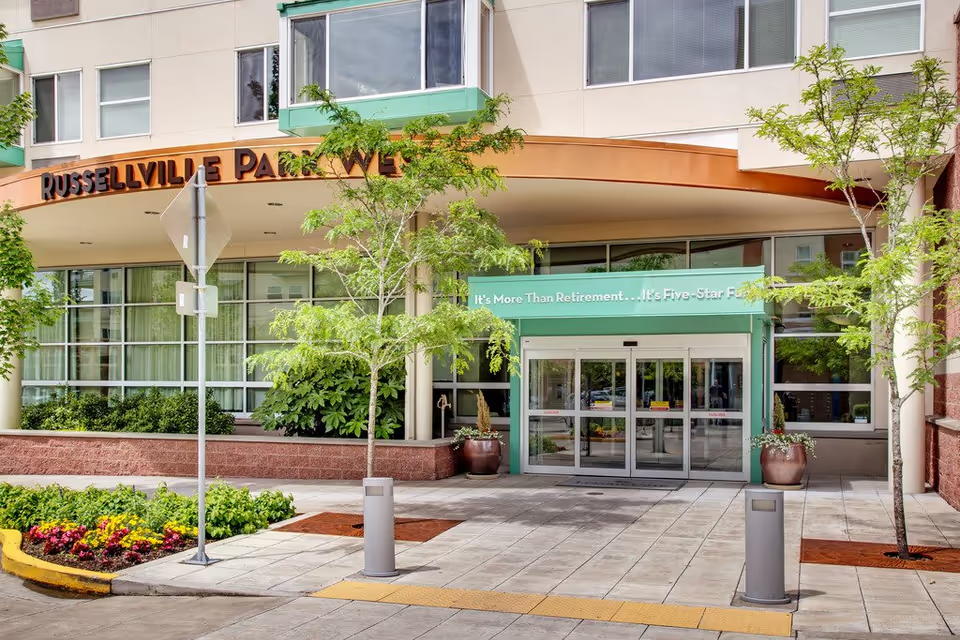
Facilities: The physical environment is described as modern, quiet, and home-like. Multiple notes about a new or well-maintained facility and the availability of private rooms with en-suite baths suggest a strong emphasis on resident comfort and privacy.
Management and communication: Administrative communication is reported as proactive, with families saying they are kept informed. That communication, together with attentive staff, underpins the sense of trust and relief some families express. The principal operational caveat is staffing instability; management may need to prioritize retention and consistency to preserve the relational strengths cited by families.
Notable patterns: The dominant themes are compassionate caregiving, a pleasant physical environment, and effective family communication. The main operational risk signaled across the summaries is turnover-related instability, which could lead to intermittent gaps in continuity of care if not addressed. Prospective residents and families will likely find the facility appealing for its atmosphere and day-to-day care, but should ask management about current staffing levels, staff retention strategies, and how the facility maintains continuity when personnel change.