Overall impression: Review feedback paints a largely positive picture of The Cottages Senior Living Memory Care as a small-scale, family-like memory-care provider with strong strengths in person-centered caregiving, a well kept campus, and active efforts to keep families informed. The facility’s cottage model, secure courtyards and garden spaces, and multiple small dining and living areas are frequently described as comfortable and appropriate for people living with cognitive impairment. Operational features that recur as positives include Medicaid acceptance, on-site clinical services, transportation for outings, and on-site maintenance and move-in support.
Care and staff: Caregivers are the dominant strength in the feedback. Staff are repeatedly characterized as compassionate, attentive, patient, and skilled at dementia communication; bilingual team members and evening-shift staff receive particular praise. Families note proactive outreach (weekly/monthly updates, pandemic-related communications), good medication documentation, and meaningful end-of-life supports such as bedside presence and bereavement gestures. At the same time, an operational pattern of staffing instability and turnover appears across comments—this is linked to intermittent communication gaps, variable caregiver skill/temperament, and periodic understaffing that can affect responsiveness during busy periods or transitions.
Dining and activities: The dining program receives generally favorable comments for variety, generous portions, holiday events, and kitchen staff engagement (baked goods, special meals). There are also notes of bland or inconsistent meal quality, indicating variability by kitchen shift or cottage. The activities department is consistently highlighted as energetic and relationship-focused: planned events, music, painting, concerts, and individualized visits help maintain engagement. For some residents, however, the small cottage populations can limit variety or lead to repetitive programming; families should evaluate activity fit for a specific resident’s interests and energy level.
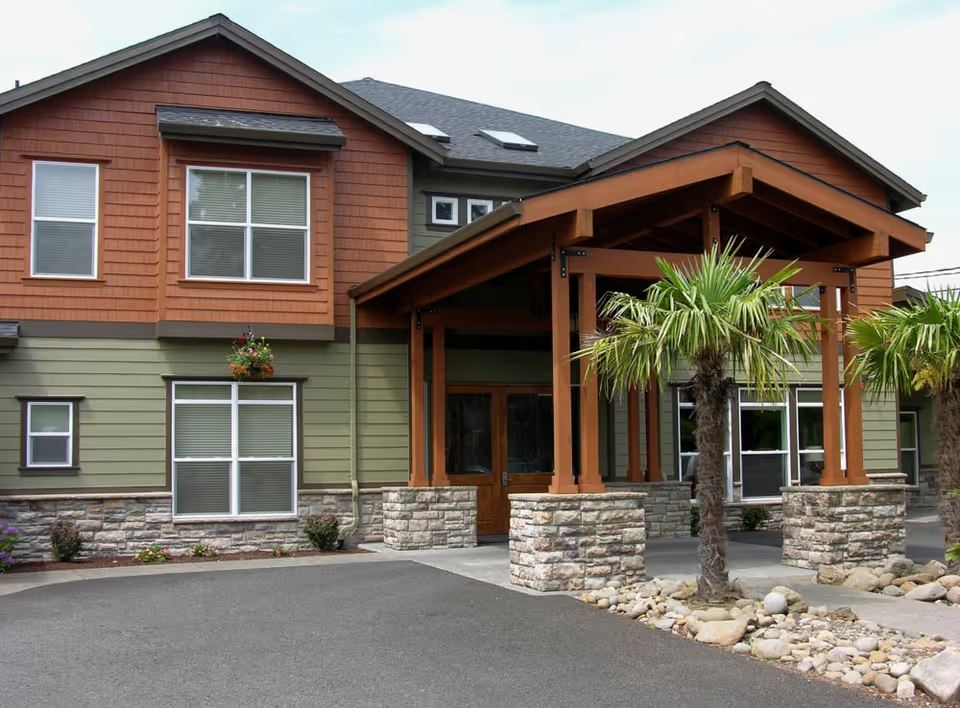
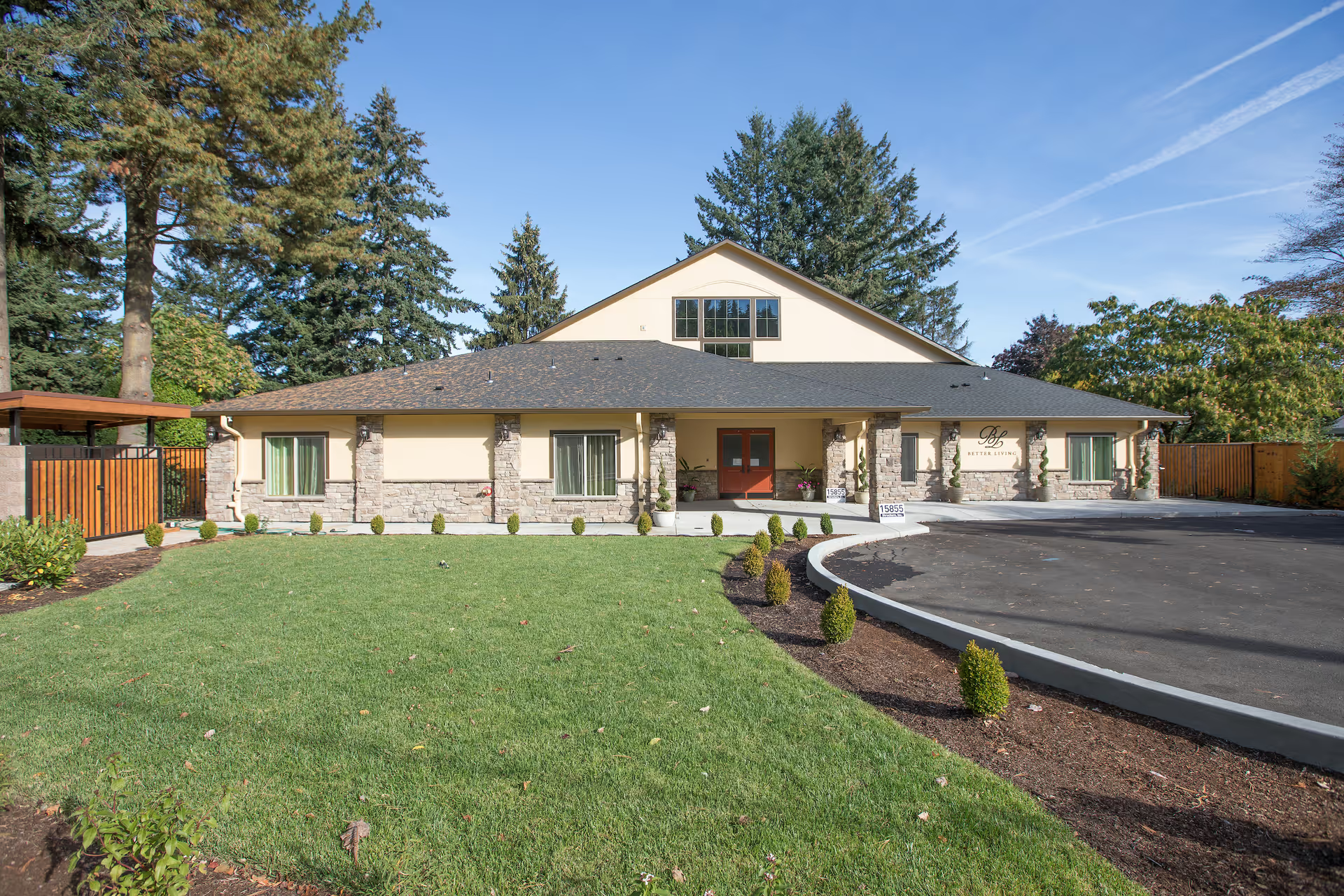
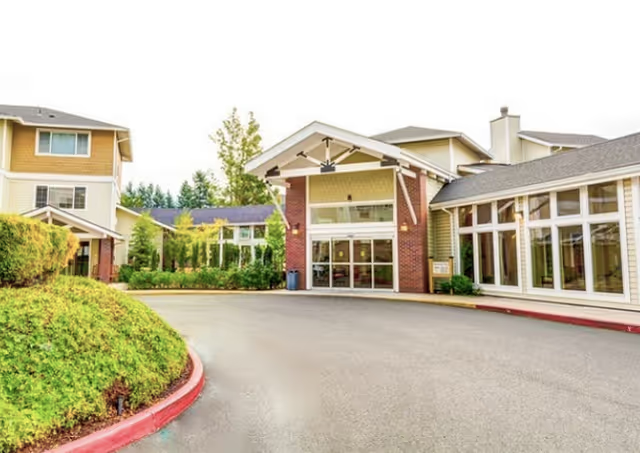
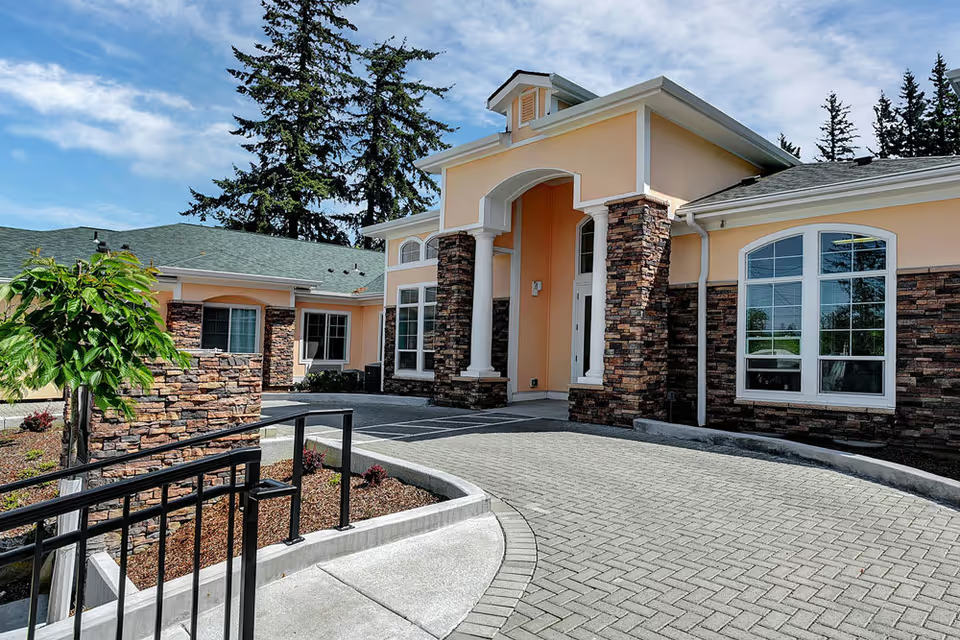
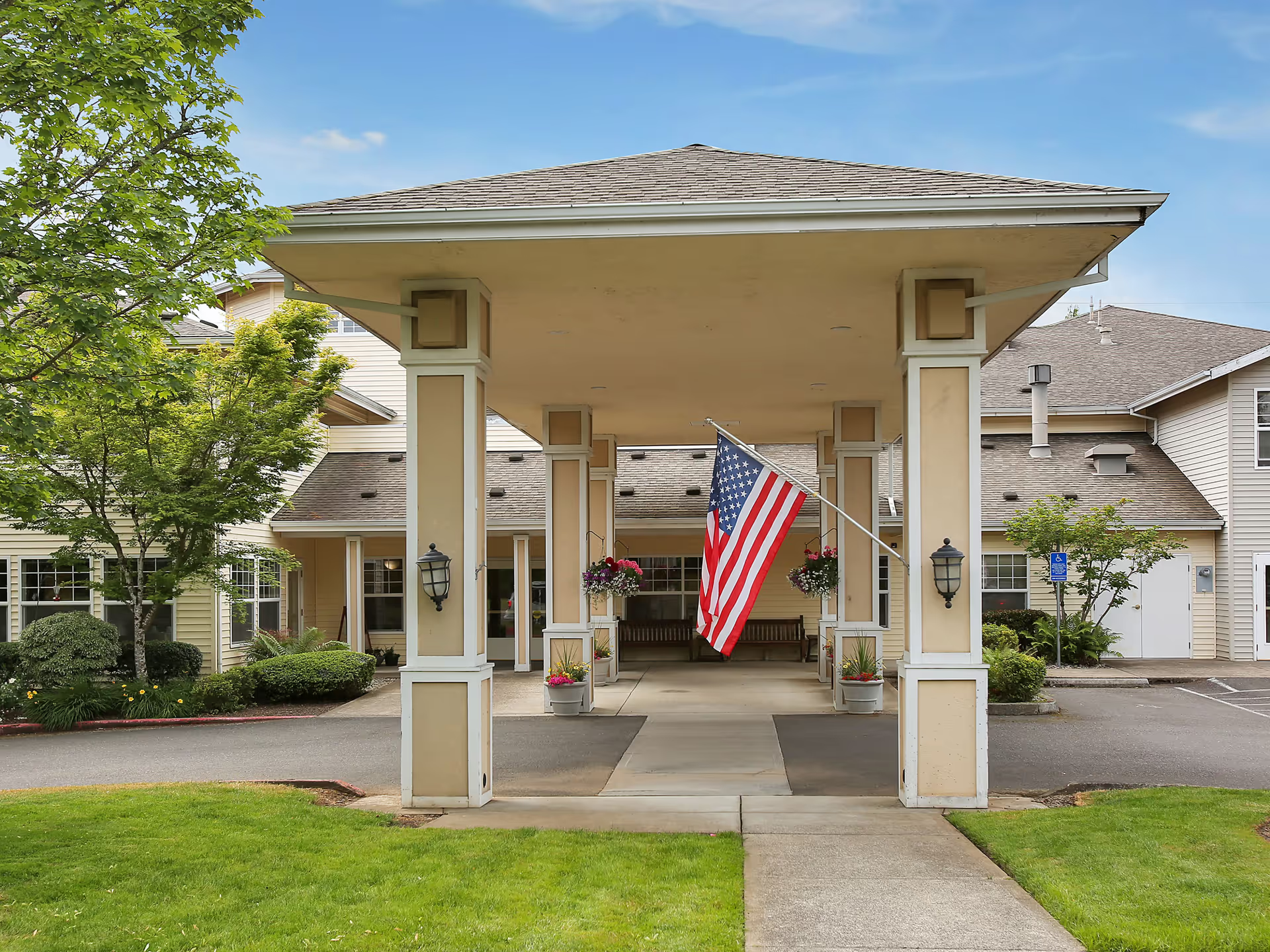
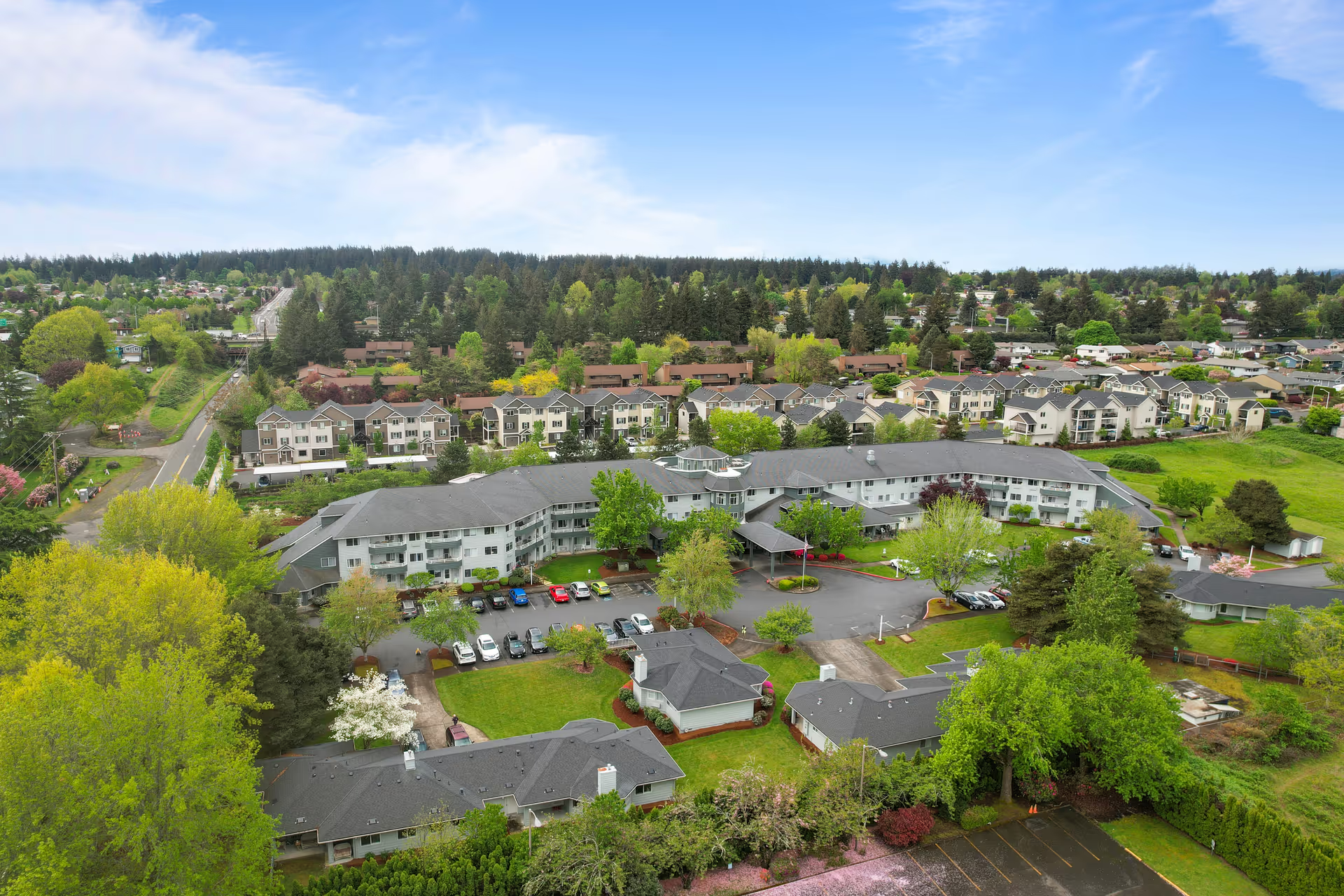
Facilities and operations: The campus-level features—secure/fenced perimeter, private rooms with full baths, communal kitchens, and fenced courtyards—are strengths for safety and outdoor access. Reviewers frequently praise cleanliness and maintenance, while also noting that some individual rooms or cottages feel small or dated and that the community layout can be confusing to navigate. Operational weaknesses identified include lapses in laundry and personal-item tracking (clothing mix-ups, lost items) and occasional perceptions of a clinical or hospital-like atmosphere in certain areas. The facility does offer shared-room options and furnished-room choices, which some families appreciate for customization.
Management and notable patterns: Administrative responsiveness and an involved management team are commonly cited as positives; many families describe helpful intake, move-in assistance, and direct communication from leadership. Nonetheless, turnover and staffing instability are the principal cautionary pattern—families reported that these factors can produce inconsistent caregiver continuity, uneven training outcomes, and occasional communication shortfalls during changes in condition or after transitions. The balance of feedback is favorable, with repeated strong recommendations, but suitability depends on the specific needs of the resident: families seeking a small-cottage, relationship-focused memory-care setting with active programming and strong pastoral end-of-life support will likely find the community well aligned; families requiring guaranteed staffing continuity, consistently high culinary standards, or larger private suites should evaluate those operational items during a tour and in follow-up conversations.
Bottom line: The Cottages demonstrates clear strengths in compassionate caregiving, a secure and attractive physical campus, active programming, and family communication. Prospective residents and families should confirm current staffing levels, ask about laundry and personal-item procedures, sample the dining program, and assess activity fit to ensure the community’s operational patterns match the resident’s care and lifestyle needs.