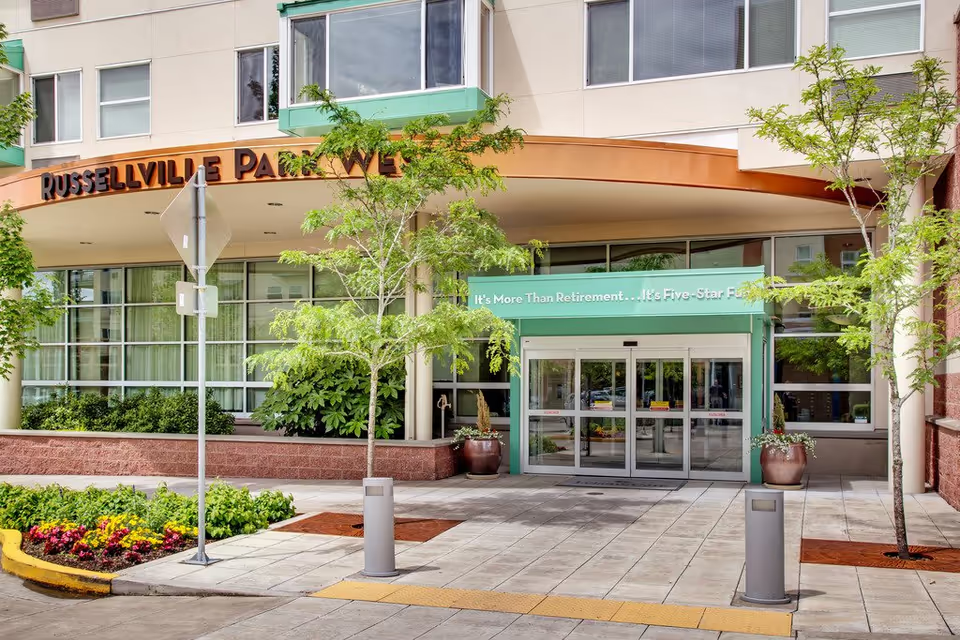
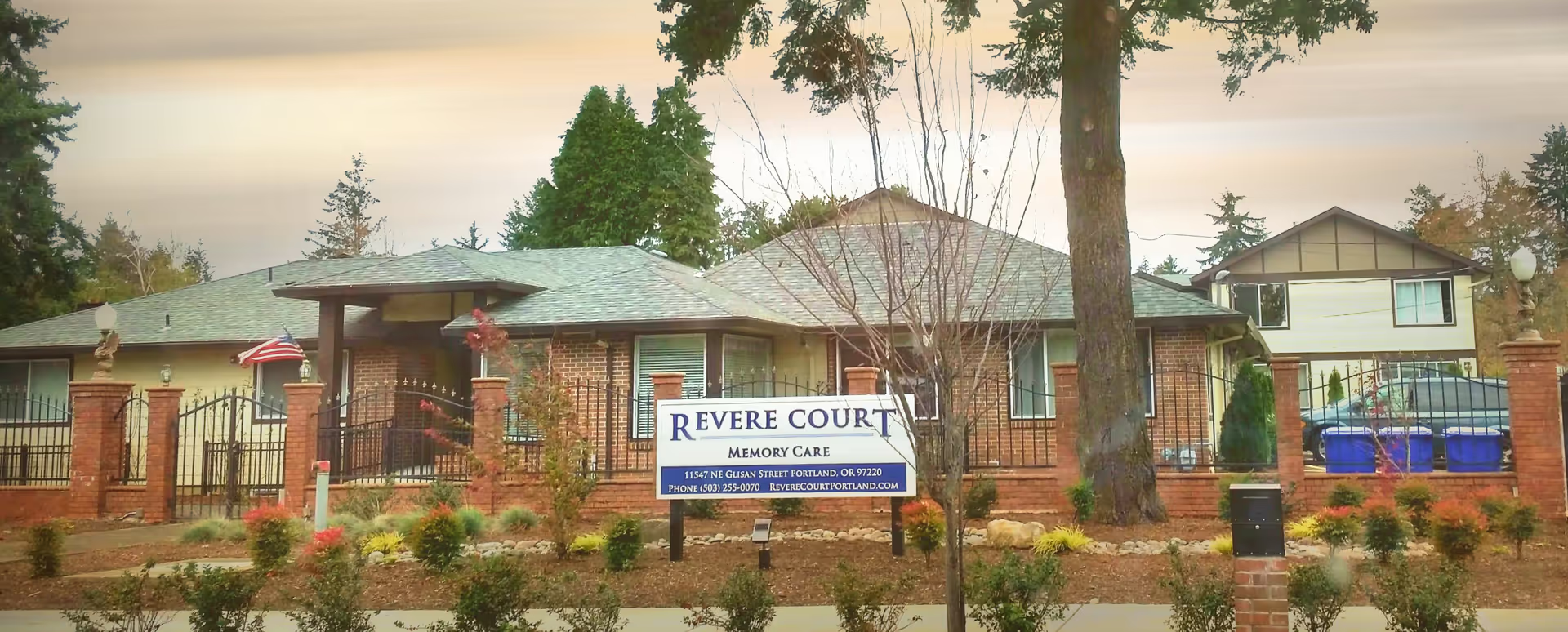
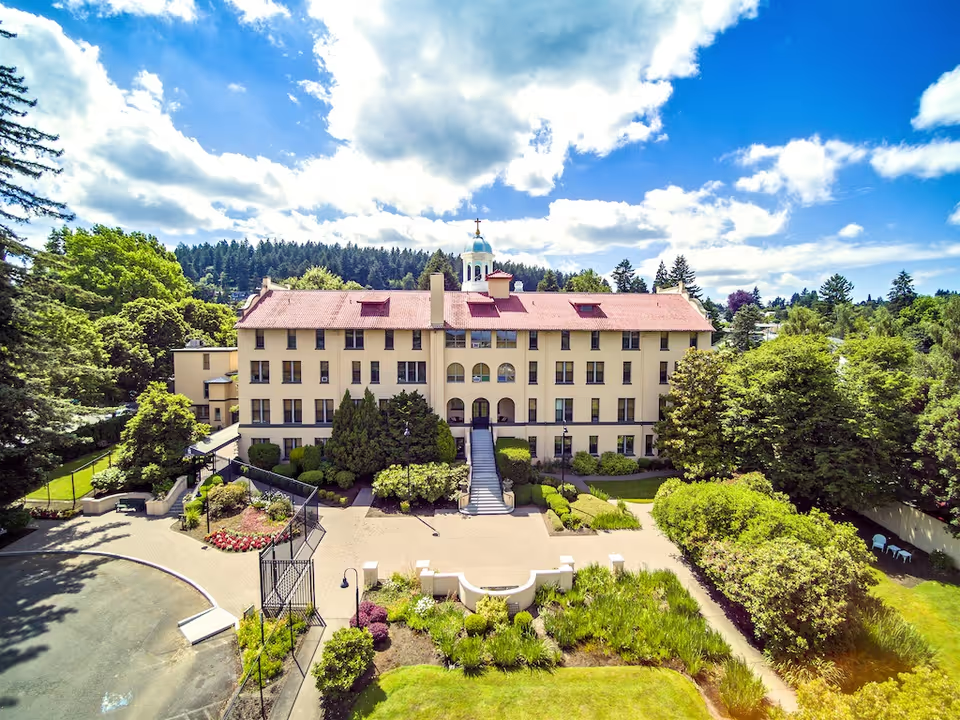
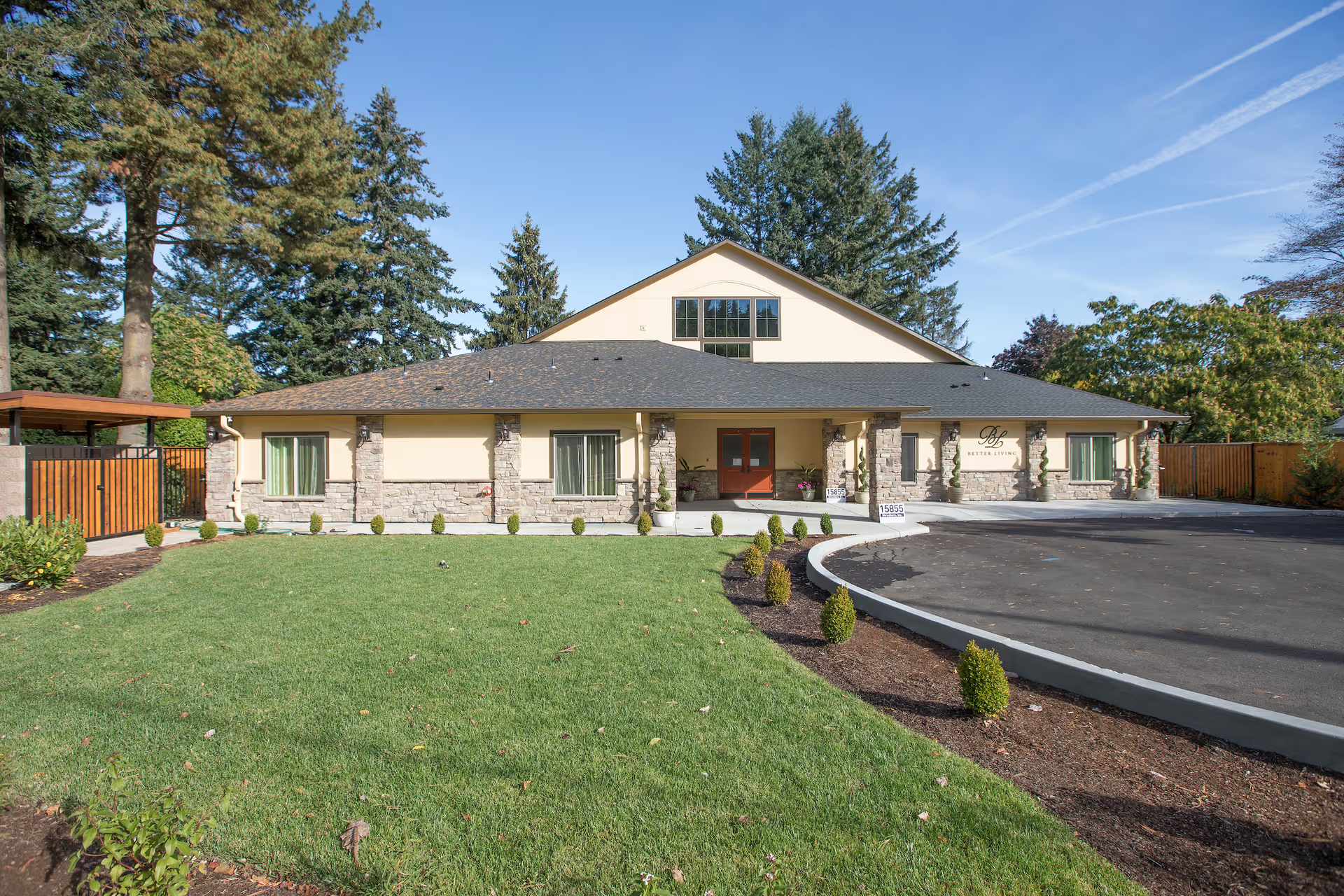
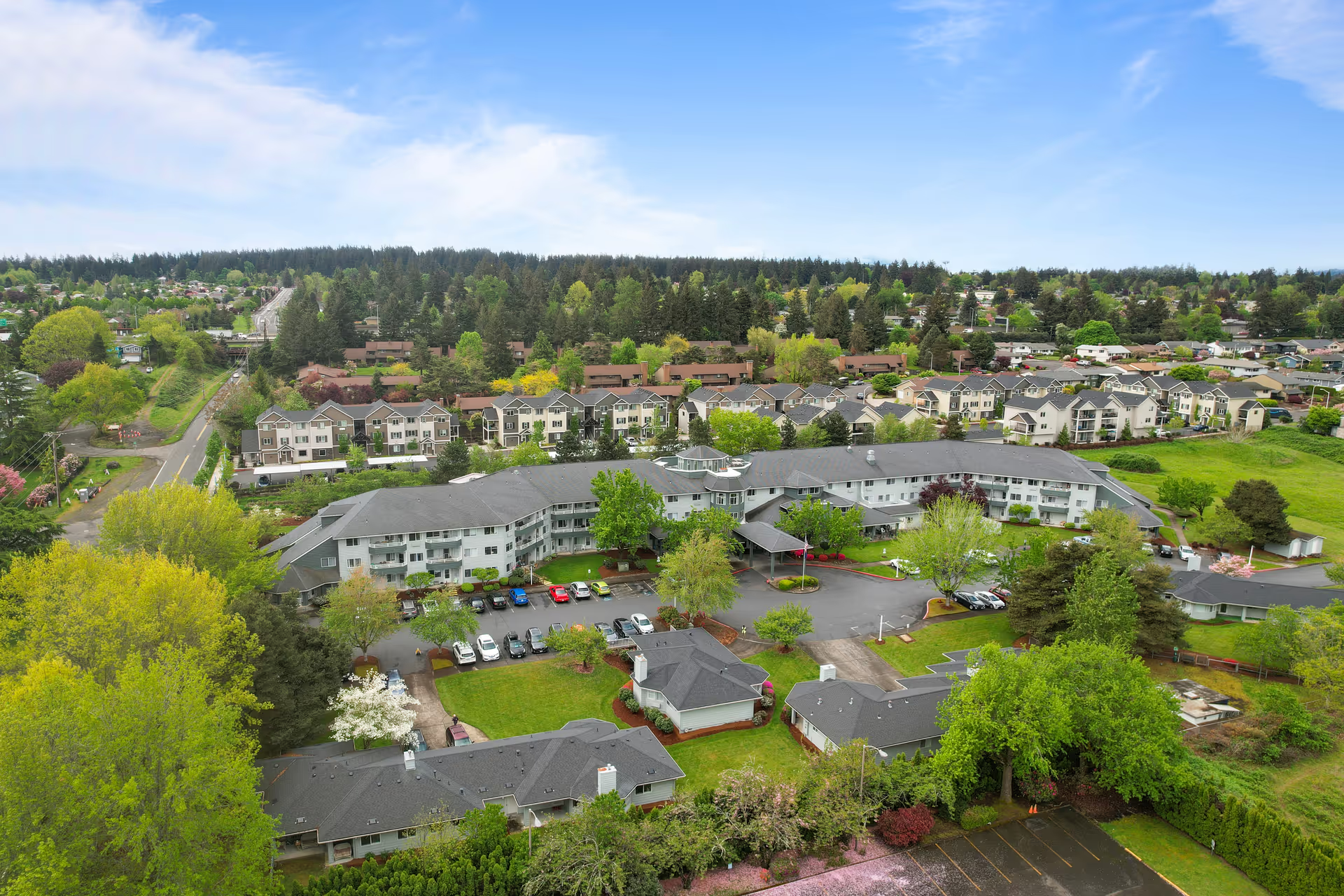
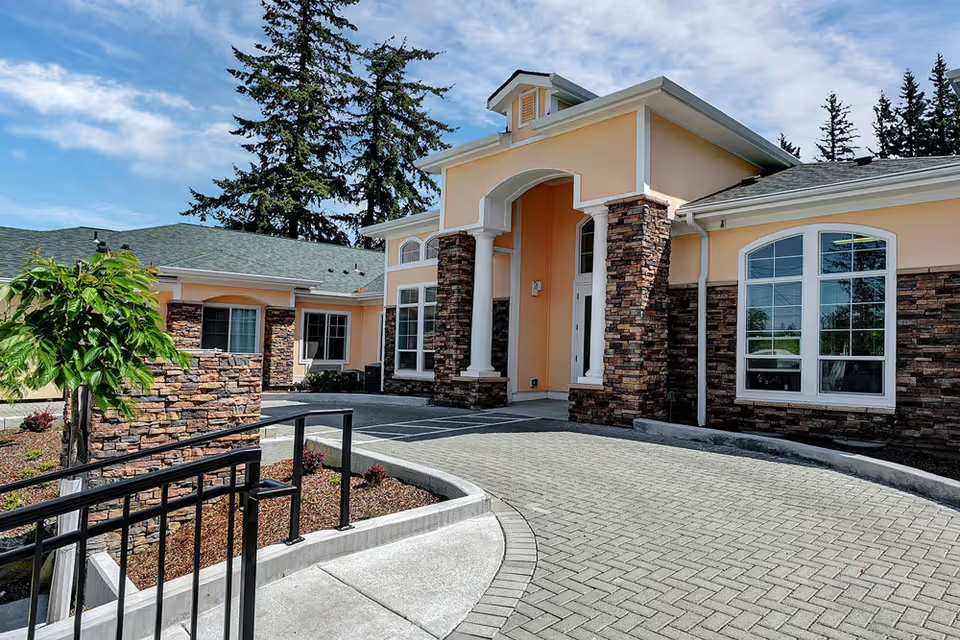
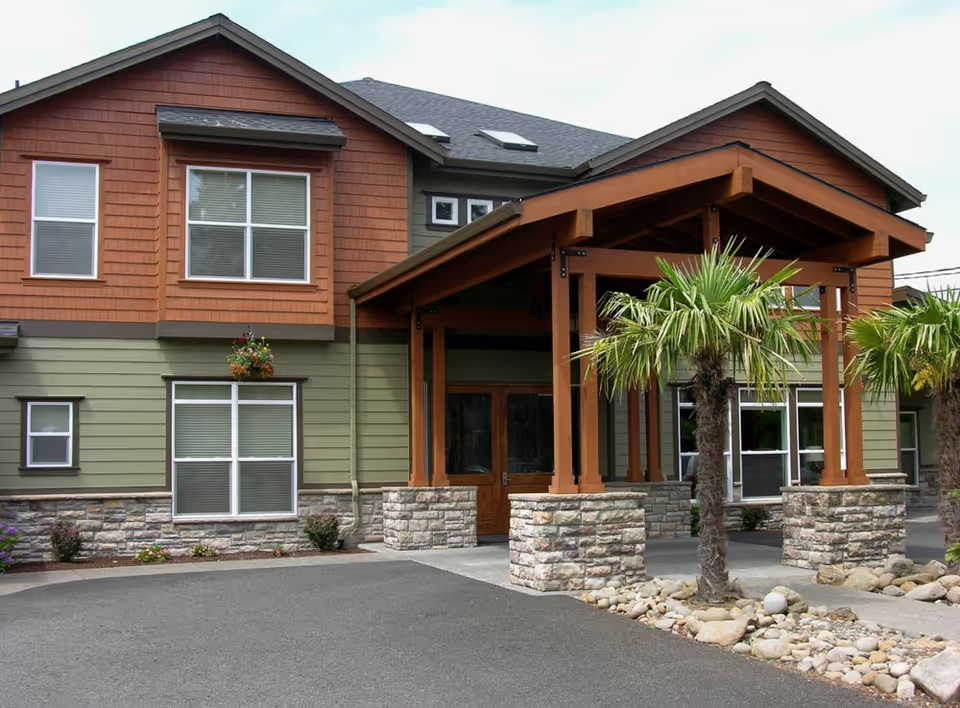
CherryWood Village is repeatedly described as a large, well-maintained campus with broad amenities and an active social life. Reviewers praise the physical plant — clean interiors, attractive landscaping, renovated apartments, wide well-lit hallways, indoor pool and fitness center, theater, coffee shop, salon, and convenient skybridges — and note proximity to medical services as a practical advantage. The property presents as campus-like, with multiple social spaces, garden beds, and frequent opportunities for residents to gather.
Care and staff are among the facility's most-cited strengths. Many families and residents describe friendly, courteous, and responsive frontline staff, along with a Wellness/Vitality team that organizes daily activities. Reviewers comment on staff continuity and a family-owned culture that supports predictable relationships. At the same time, reviewers raised operational concerns about caregiver coverage and training: inconsistent staffing levels and specific gaps in safe-transfer practices were mentioned. A few accounts described clinical incidents that led to hospitalization and related family dissatisfaction; these raise questions about clinical-incident response, oversight, and family communication in some cases.
Dining receives mixed but generally positive commentary. The facility's restaurant-style dining, rotating menu cycles, and on-site chef are popular features; many residents enjoy generous portions and varied offerings. However, comments also point to inconsistent food quality at times and limited options for heart-healthy or diabetic diets. A subset of reviewers noted salty or heavily prepared items and expressed a desire for more consistent healthy-menu choices and better dining sanitation and service practices.
Activities and programming are a clear strength for many residents: a broad slate of clubs, classes, excursions, travelogues, and campus events contributes to social engagement and reported quality of life. Reviewers described successful new programs initiated by staff and resident-led clubs (camera club, travel club, forum), frequent bus rides and outings, and a repertoire of on-site entertainment. That said, some residents and families felt evening/weekend programming could be more reliably staffed or better targeted to less-mobile residents, indicating uneven engagement depending on schedules and staffing.
Operational and management themes are mixed. Positive notes include a helpful concierge, responsive maintenance, and successful infection-control performance during COVID-19. Concerns center on inconsistent communication from admissions and management, pressure around contractual decisions, and pricing practices that include rent increases and additional service fees. Parking constraints for visitors and the scale of the campus (long hallways that can be confusing for residents with memory needs) were also raised as practical drawbacks.
Overall, the pattern across reviews is of a property that offers robust amenities, active programming, and many staff who are experienced and caring — features that support an engaging senior lifestyle. Prospective residents and families should weigh those strengths against documented operational issues: assess caregiver staffing and transfer-training protocols, clarify dietary accommodations and fee structures in writing, and verify how clinical incidents and family communications are handled. A guided visit that includes time in dining, activities, and a conversation about clinical oversight and pricing will help determine fit for individual care needs.