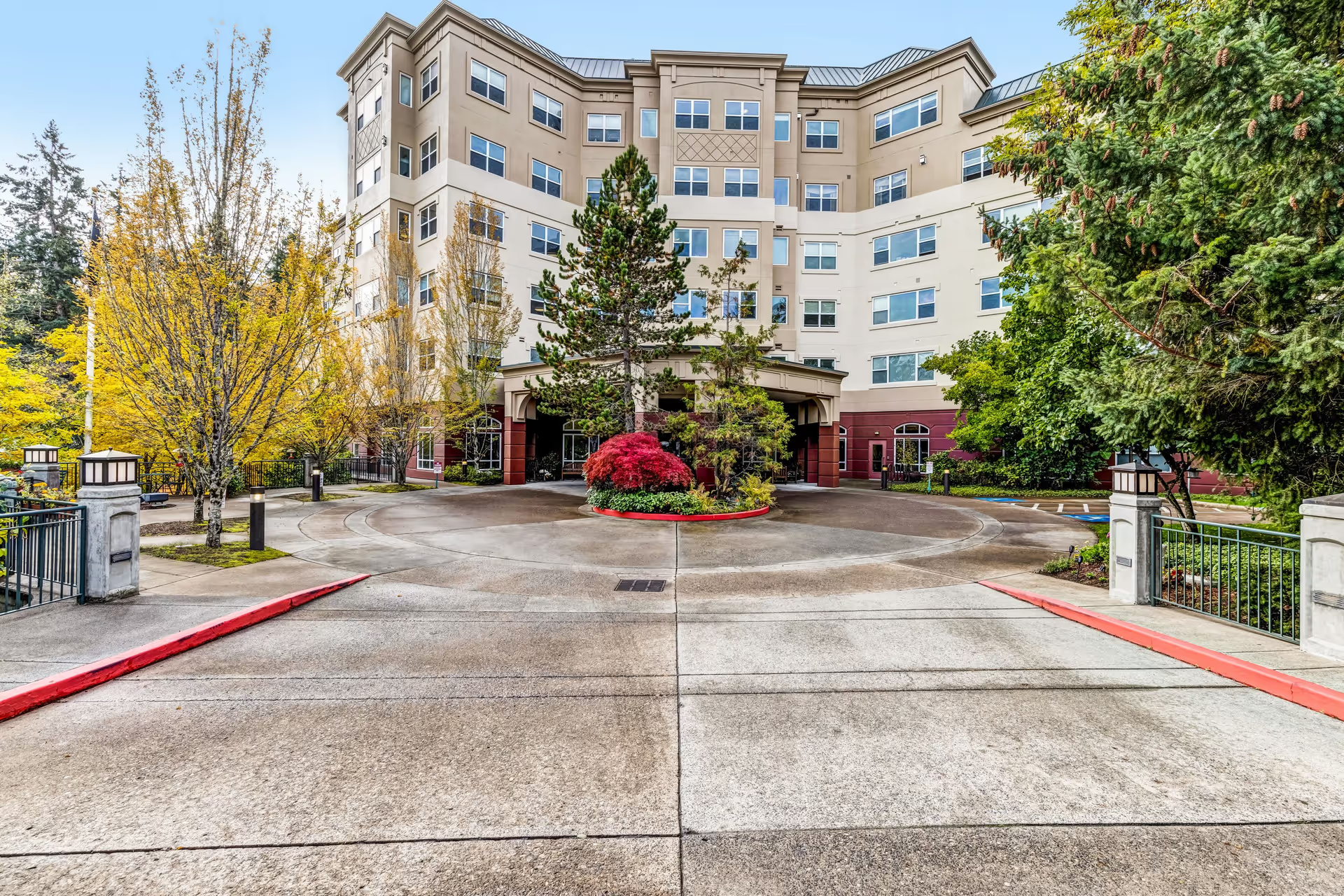
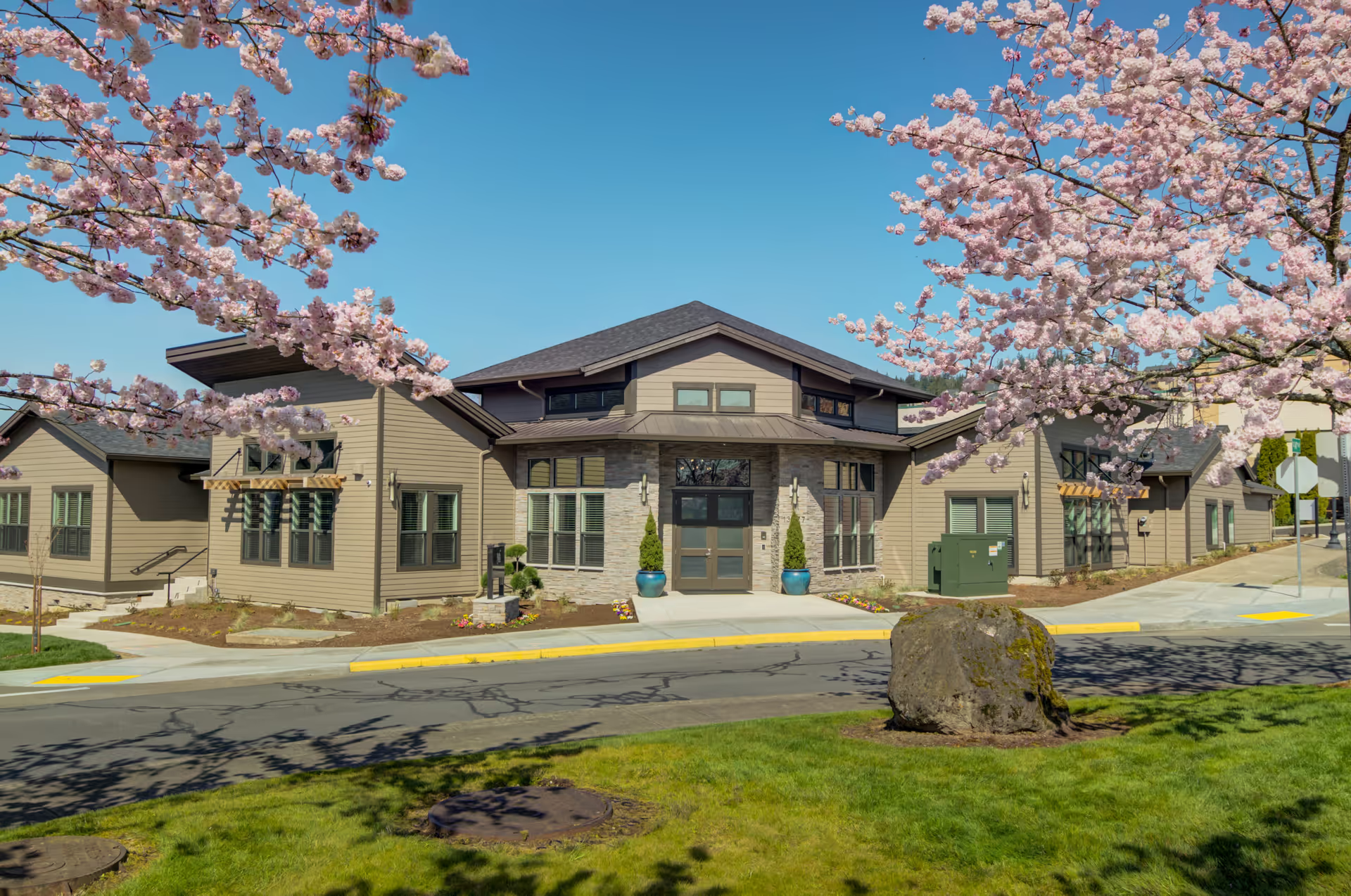
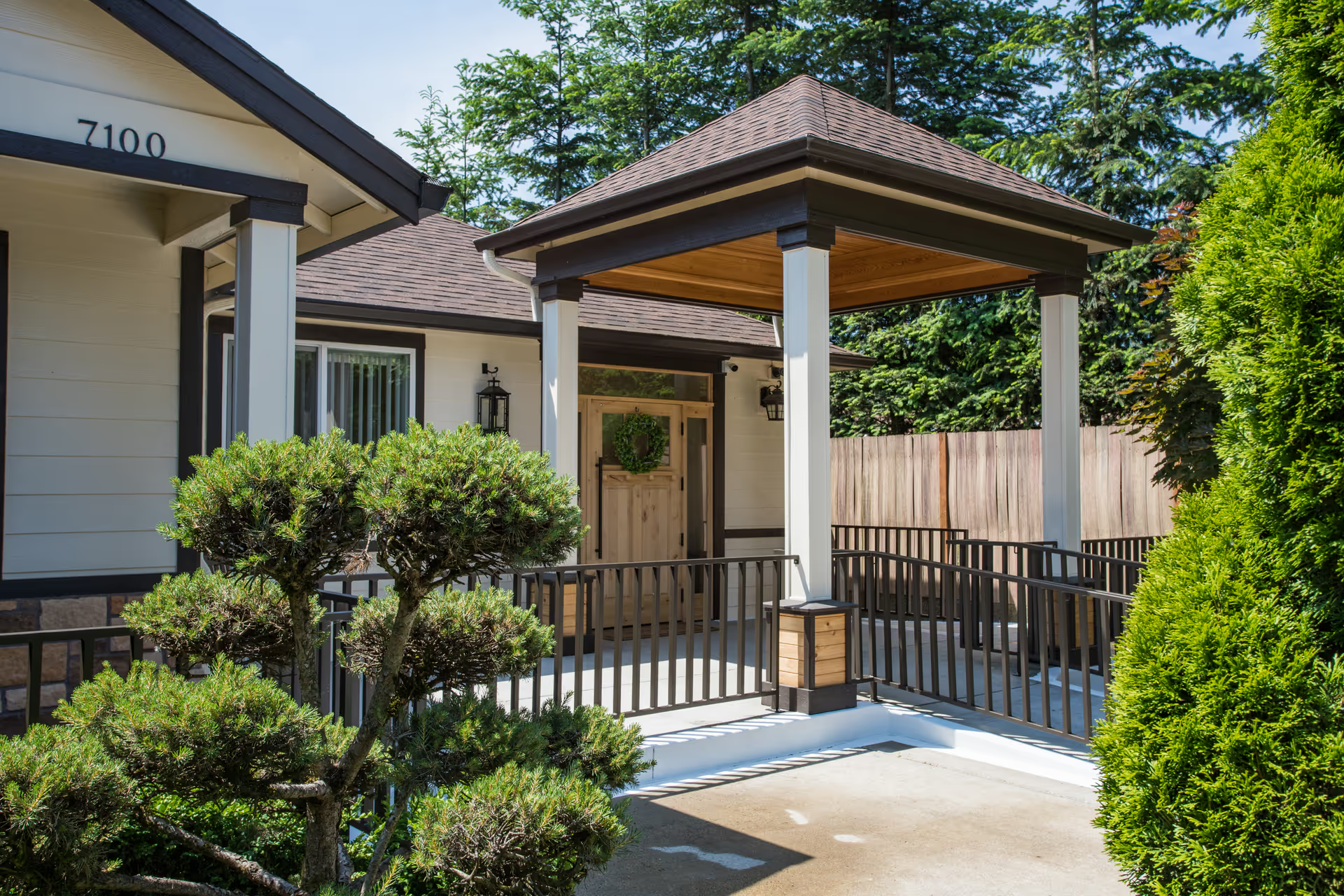
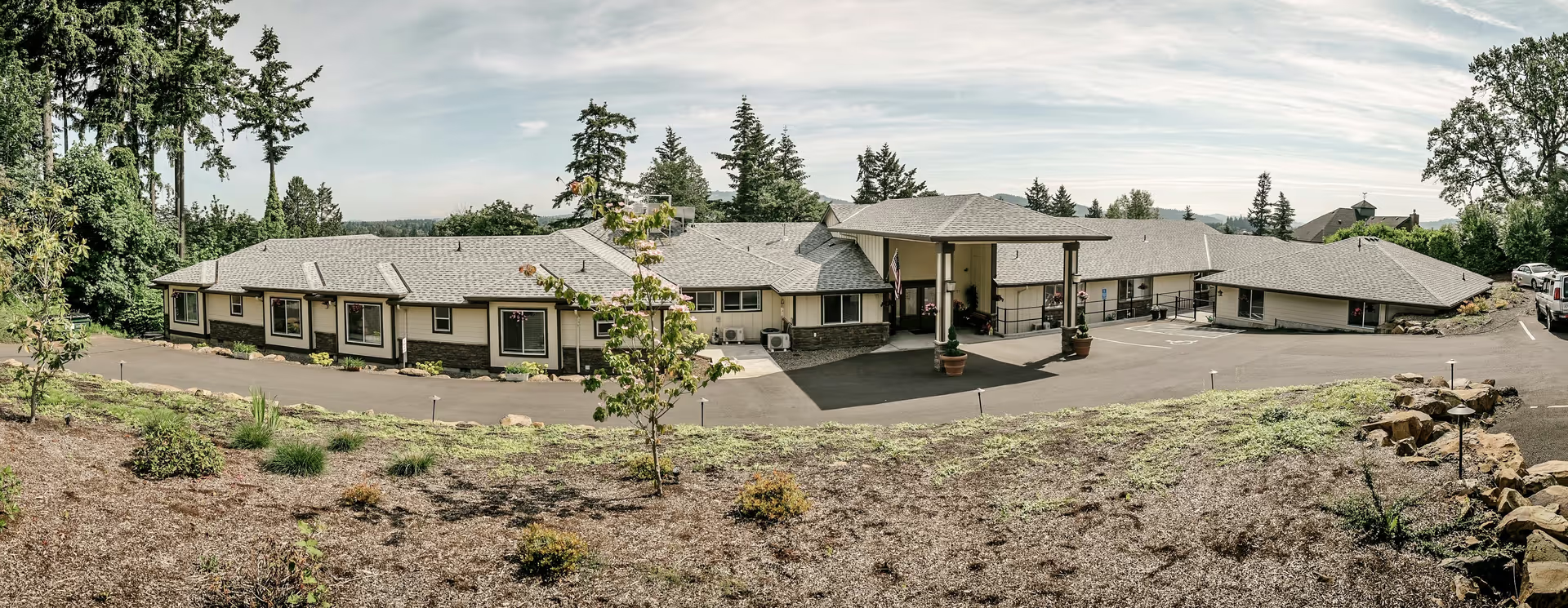
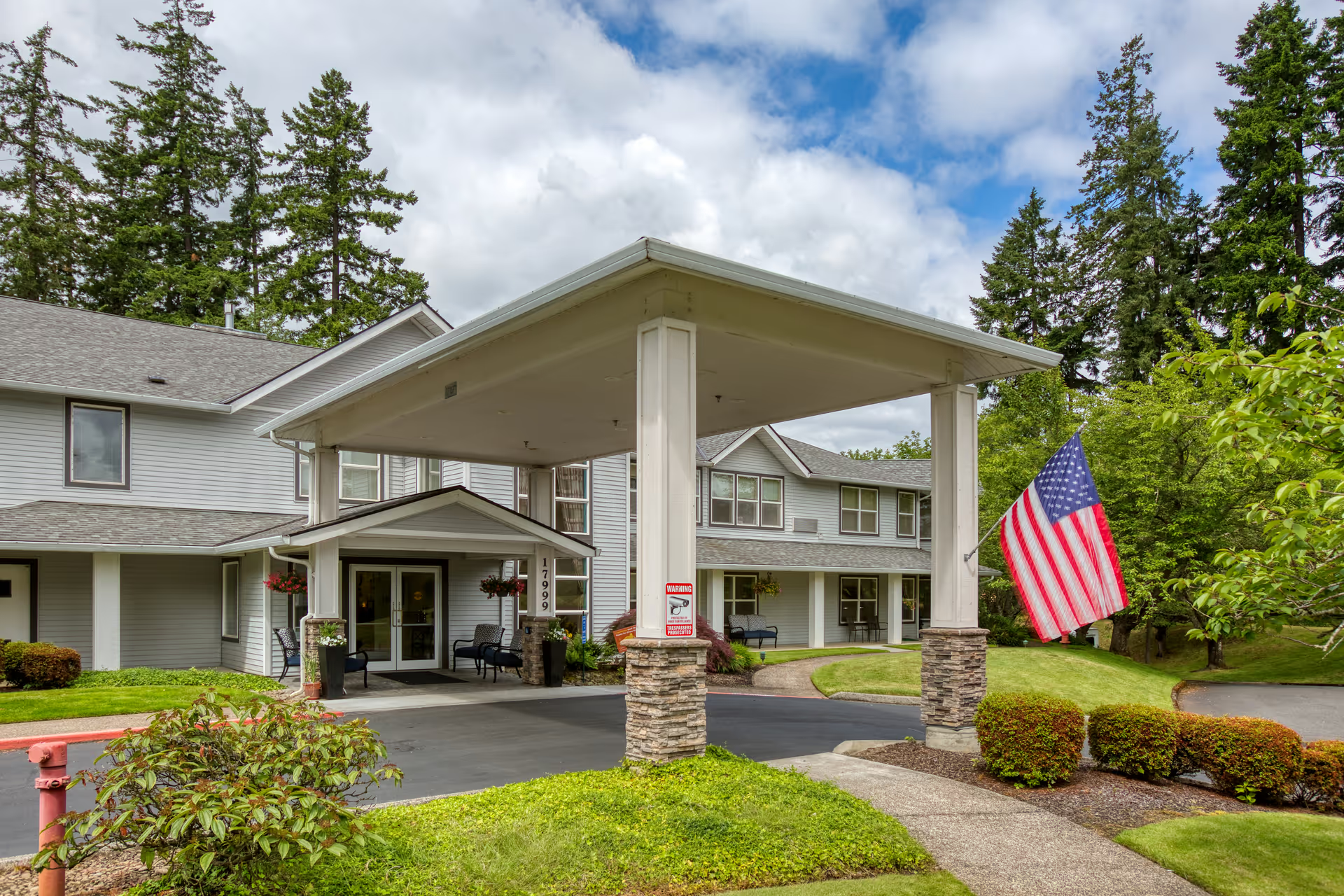
Glenmoore Gracious Retirement Living garners consistently strong praise for its physical plant, on-site amenities, and social programming. The community is frequently described as modern, light-filled and recently renovated, with a broad array of amenities such as a movie theater, gym, salon, library, chapel, gardening areas, guest suites and multiple activity spaces. Floor-plan variety (studios up to two-bedroom units), balconies/patios, pet accommodations and move-in assistance are commonly cited as strengths that support independent living and a smooth transition.
Staffing and daily care experience elicit a predominantly positive response. Many families and residents highlight compassionate, attentive caregivers, helpful on-site managers, and a family-like atmosphere. On-site management, round-the-clock assistance, responsive maintenance and housekeeping services are noted as contributors to residents’ sense of safety and comfort. The activities program—exercise classes, outings, live music, holiday programs and frequent social events—receives frequent commendation; several reviewers named the activities director and other staff as key reasons for social engagement and improved resident well-being.
Dining and food service are an area of mixed feedback. Numerous reviewers praise chef-prepared meals, varied menu selections, and special touches (snacks and ice cream availability, multiple entrée choices). At the same time, a sizeable contingent describes inconsistent food quality, repetitive or poorly executed entrees, and slow service at times. These comments indicate variability in kitchen execution and service consistency rather than a uniformly poor or uniformly excellent dining program.
Operationally, reviewers identify several recurring concerns. Administrative turnover and uneven office staffing appear to affect the resident and family experience; some described abrupt changes in management or inconsistent responsiveness from new office personnel. There are also descriptions of gaps in clinical-incident response and family communication—examples include delayed notification of clinical personnel, unclear handling of sensitive post-incident protocols, and questions about how personal effects and privacy are managed. These represent process and communication weaknesses rather than an absence of care, but they are matters prospective families should clarify.
Other practical considerations include occasional lapses in housekeeping or sanitation in certain common or bathroom areas, parking constraints and limited walkability from the campus to nearby businesses, and some reports of resident-to-resident social friction that families felt was not always well-managed by staff. A few reviewers also raised security-related concerns about exterior surveillance and vehicle vandalism. Medication-management processes and emergency-response protocols were not described in detail in many reviews, and several commenters recommended that prospective families request specific information about those systems during a tour.
In summary, Glenmoore presents as a well-appointed independent living community with strong amenities, an active social program, and many staff members who are viewed as caring and helpful. The principal patterns to probe during a visit are dining consistency and service speed, administrative stability and communication practices (especially around clinical incidents and privacy), housekeeping schedules, parking/security arrangements, and medication/emergency-response procedures. For families considering Glenmoore, an on-site tour that includes a sample meal, discussion of emergency and clinical protocols, a review of privacy/confidentiality policies, and an opportunity to meet current residents and key staff will help clarify whether the community’s strengths align with the prospective resident’s priorities.