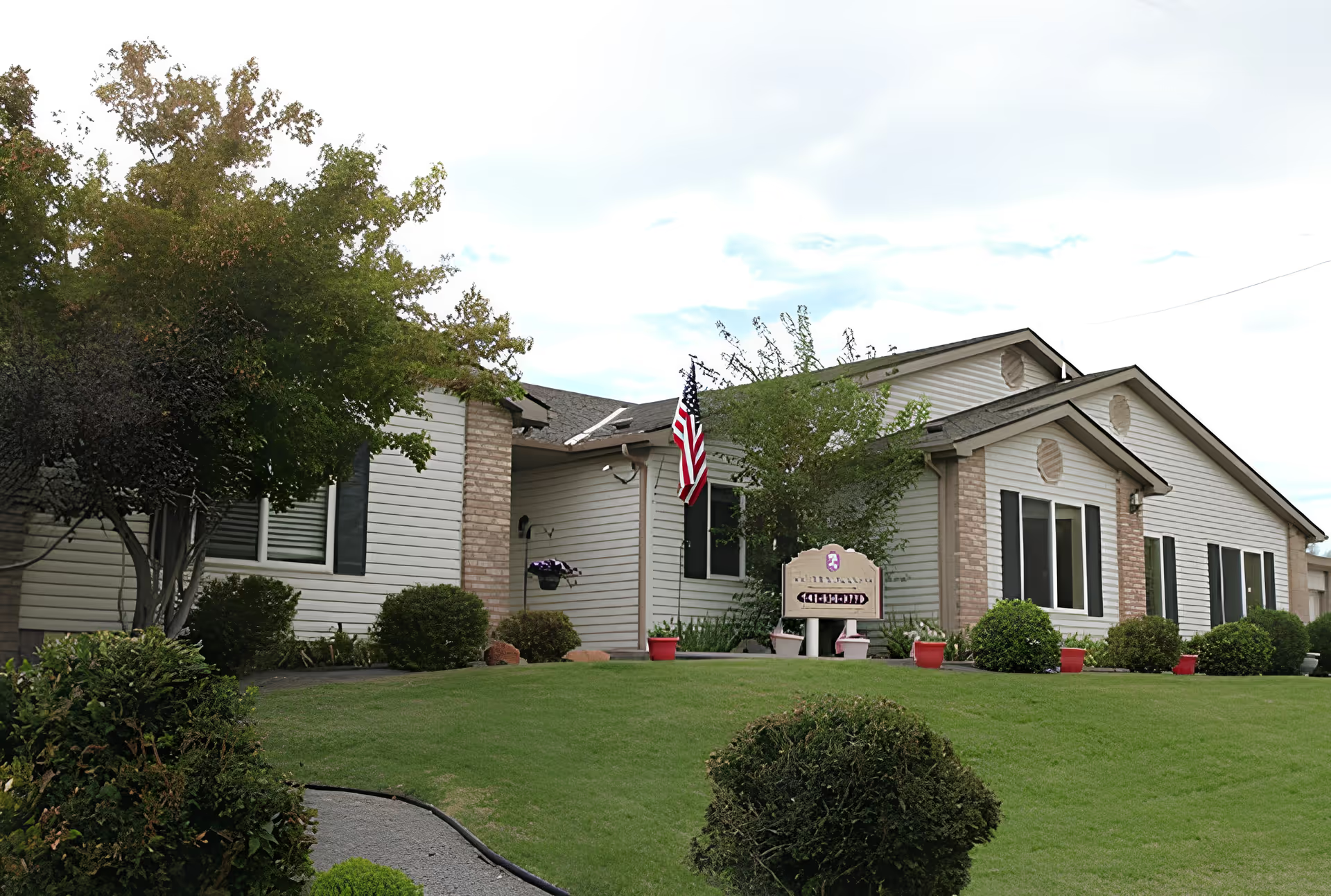
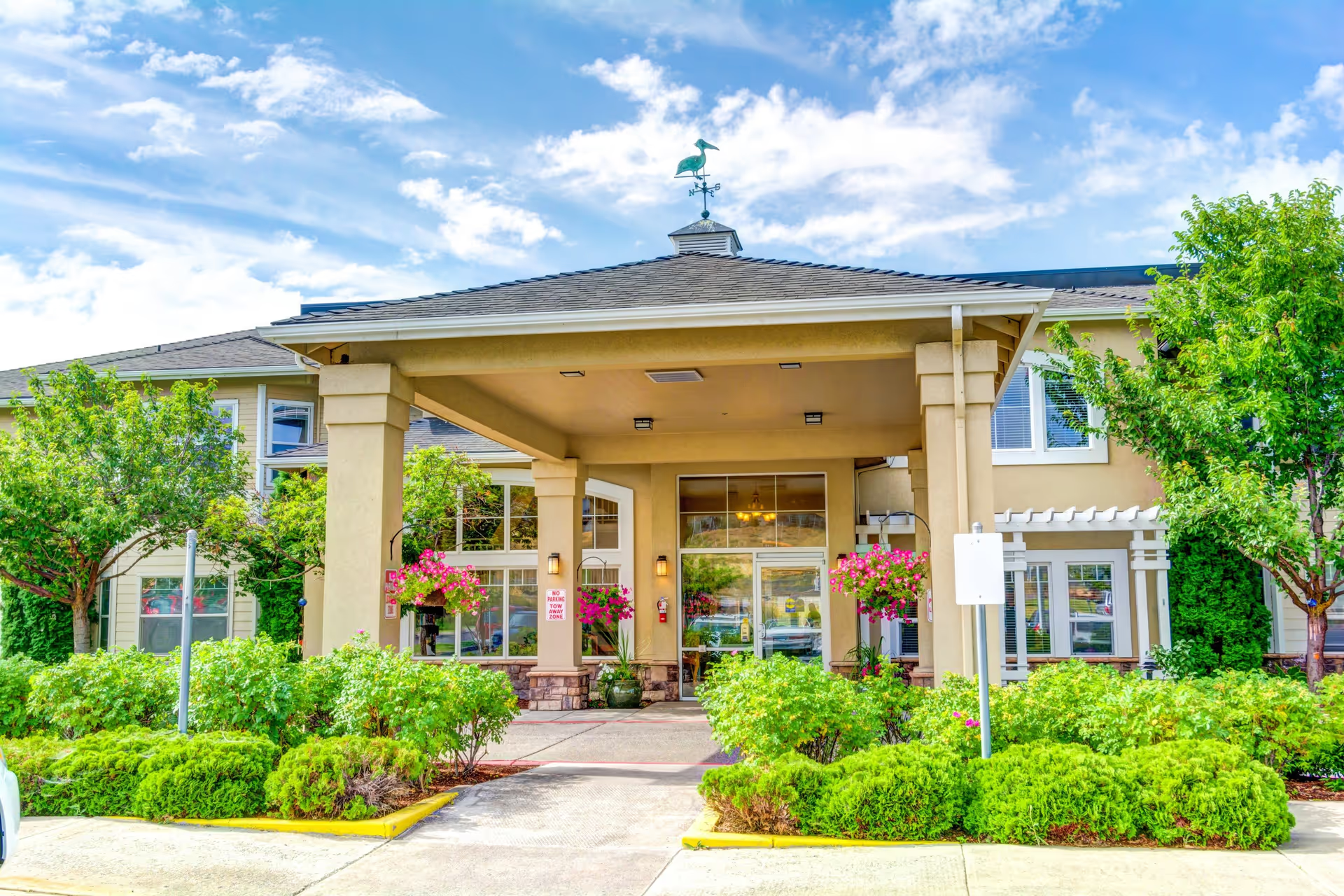
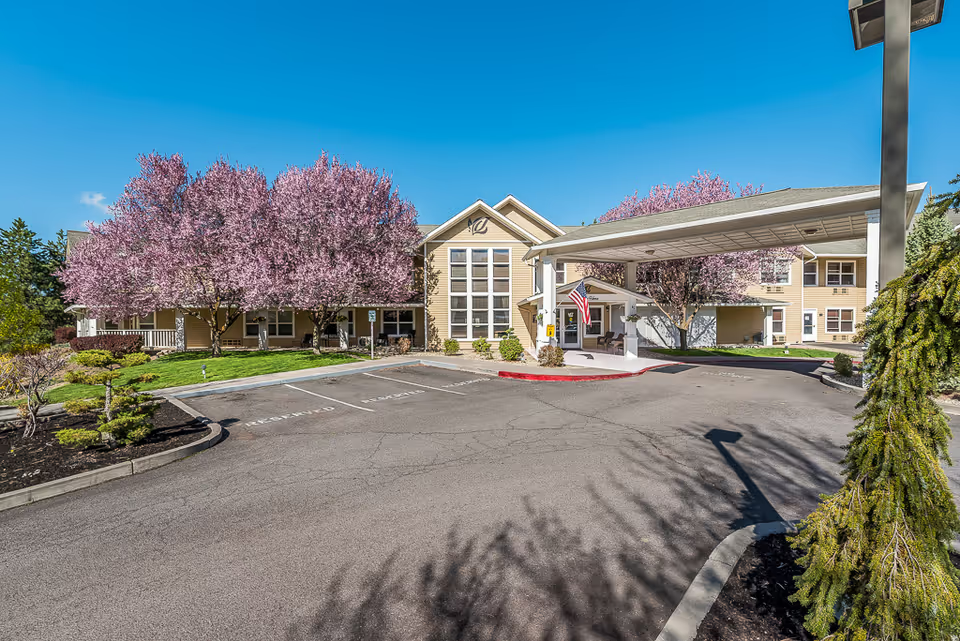
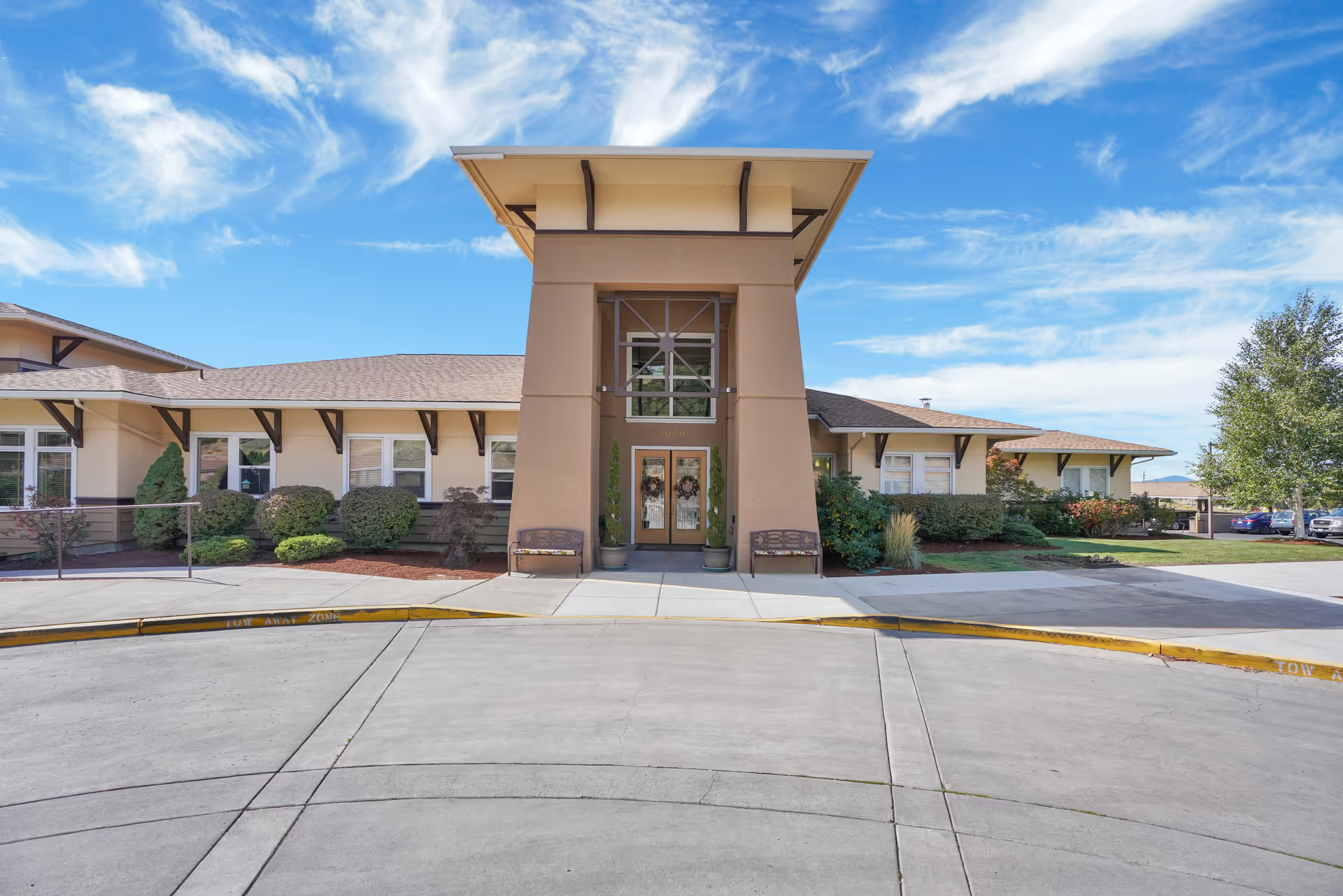
Trustwell Living at Rogue River Place elicits a strongly mixed but specific pattern of feedback. Many reviewers describe the community as a small, home-like setting with engaged caregivers and a range of amenities that support social life and mobility. Positive elements that are repeatedly highlighted include a robust activities program (daily enrichment, weekly outings, live entertainment, church services), an on-site chef who uses fresh produce and prepares homemade desserts, and a comfortable, recently renovated physical environment with an enclosed courtyard and a one-level, accessible layout. Families frequently cite a welcoming, family‑like atmosphere, one-on-one attention associated with a smaller census, and willingness by staff to work with relatives during transitions and tours.
Care and staffing are described unevenly. Numerous accounts praise compassionate, long-tenured direct-care staff and individualized attention that helps residents stay engaged. In contrast, a substantive set of reviews raise operational concerns: understaffing, periods when only minimal staff are on duty, and delays in responding to call buttons or resident requests. These operational weaknesses manifest as variable daily experiences — some residents receive prompt, attentive care while others experience response delays and communication issues. There are also repeated comments about variability in staff tone and family communication that prospective families should consider when assessing fit.
Dining and activities are generally strong selling points but with inconsistency. Many reviewers applaud the quality of food, variety, healthy options, and chef engagement; others note unappetizing meals, small portions, or uneven meal service. Activities programming is frequently described as creative and inclusive, with both indoor and outdoor options, but several reviewers say programming can be interrupted or less frequent at times (including pandemic-related reductions and intermittent entertainment availability).
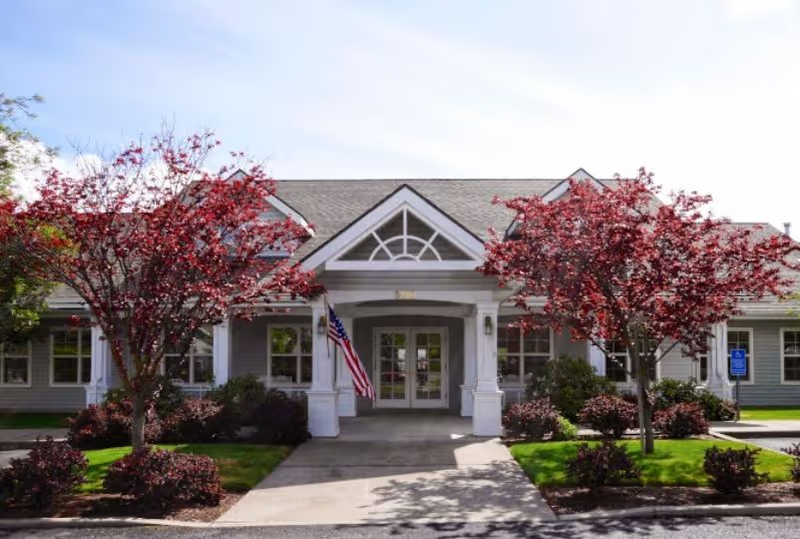
Facility features tend to receive favorable remarks: clean, up‑to‑date apartments for some units, accessible design (no stairs/elevators), large protected courtyard, pet‑friendly visitation, and a variety of common spaces. At the same time, there are concerns about apartment footprint and limited availability of preferred unit types; some prospective residents found studio layouts small. A subset of comments raises cleanliness issues related to linens and certain environmental areas, and other clinical concerns reference skin‑care and pressure‑injury prevention practices that families will want to review with staff.
Management and operational governance appear to be a primary axis of variability in reviews. Several families express satisfaction with supportive directors and smooth transitions, while others attribute declines in care consistency, staff morale, and sanitation to leadership changes or inconsistent management oversight. Financial communication also emerges as an issue for some: reviewers cite a desire for clearer billing detail and more transparent explanations of charges.
Notable patterns for prospective residents and families: the community offers many strengths typical of a small, active assisted‑living setting (engaged activities, chef‑driven dining, accessible grounds, and close staff–resident relationships). However, variability in staffing levels, response times, management stability, and certain clinical and housekeeping practices create uneven experiences. When evaluating the community in person, families should prioritize direct questions and observations about current staffing ratios, average call‑response times, wound‑care/skin‑monitoring protocols, linen‑service and sanitation procedures, meal-service consistency, and billing transparency. A personal tour, meeting with direct-care supervisors, and speaking with current residents and families are likely to give the clearest picture of whether the facility’s positive features are consistently delivered.