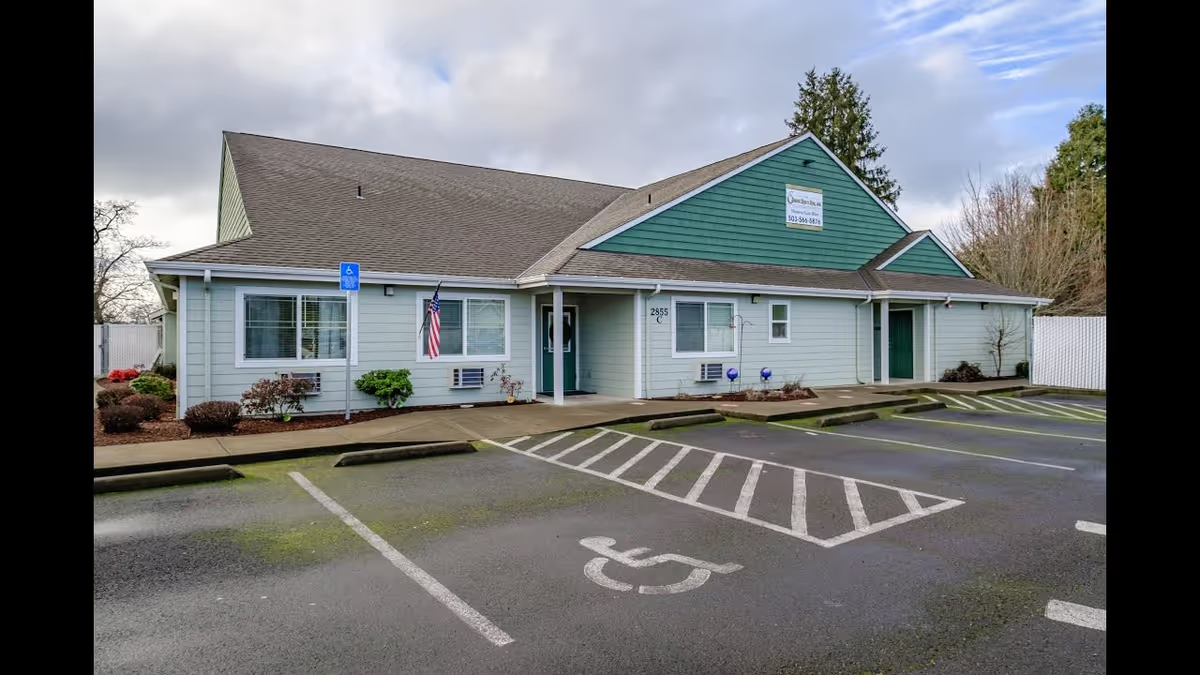
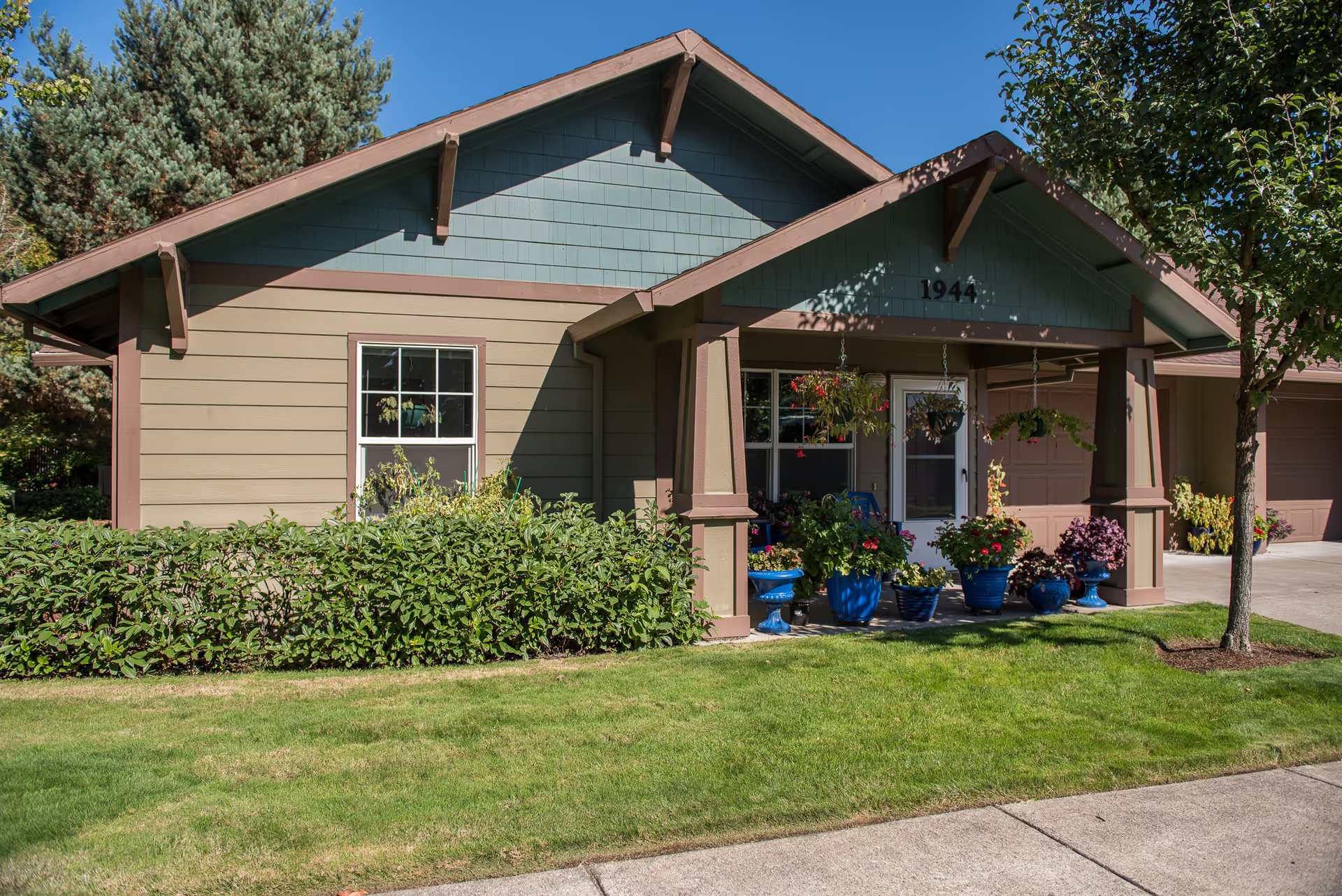
Avamere Court at Keizer presents as a community with meaningful strengths alongside recurring operational weaknesses. Many reviewers highlighted the facility’s strong rehabilitation services and therapy teams; physical and occupational therapy are commonly described as effective and engaging, and several families credited therapy with measurable recovery. The campus offers apartment‑style living with included housekeeping and laundry, abundant closet space, and on‑site amenities such as a salon, exercise equipment, library, craft room, theatre, and a pleasant courtyard. Regular transportation for medical appointments and outings, a robust activities calendar, and a family‑like social atmosphere are consistent positive themes.
Care and staffing are described in dual terms. Numerous accounts praise compassionate, long‑tenured caregivers and attentive CNAs; admissions and some administrative staff receive positive mention for helpful coordination. At the same time, reviewers note unevenness in clinical care—some nurses and shifts are characterized as highly attentive while others demonstrate gaps in timeliness and clinical follow‑through. A frequent operational concern is slow or inconsistent responsiveness to call buttons and care requests, with reported wait times that at times affect dignity and comfort. There are also recurring concerns about medication and pain‑management delays, and limitations in wound care and other post‑acute nursing capabilities for residents with complex needs.
Dining and food service elicit mixed impressions. The facility’s large dining rooms and meal‑service infrastructure are appreciated, and some reviewers describe good, five‑course meal service and accommodated diets. Conversely, many note inconsistent food quality, repeated menus, limited fresh produce options, and occasions when meals arrived cold or appeared reheated. Kitchen responsiveness to special-diet needs is described as variable: some dietitian interventions resolved issues quickly, while other accounts describe mismatches between orders and delivered meals.
Activities and community life are strengths. A wide range of scheduled programs — exercise classes, games, crafts, outings, and social events like ice‑cream socials and movie nights — contributes to resident engagement. Transport services and field trips increase access to the broader community, and the site’s central, walkable location is convenient for families.
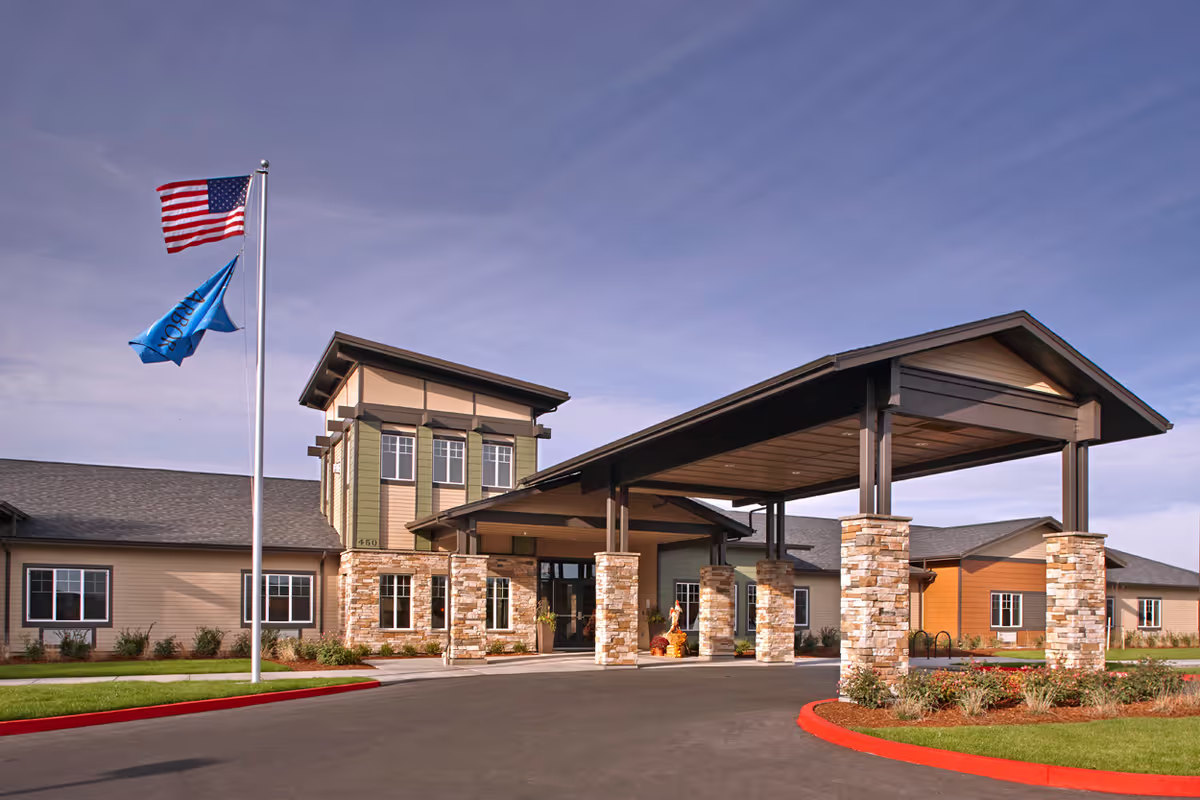
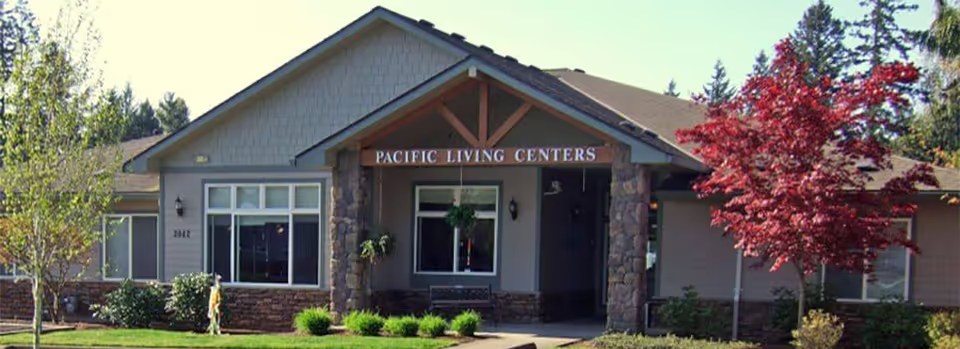
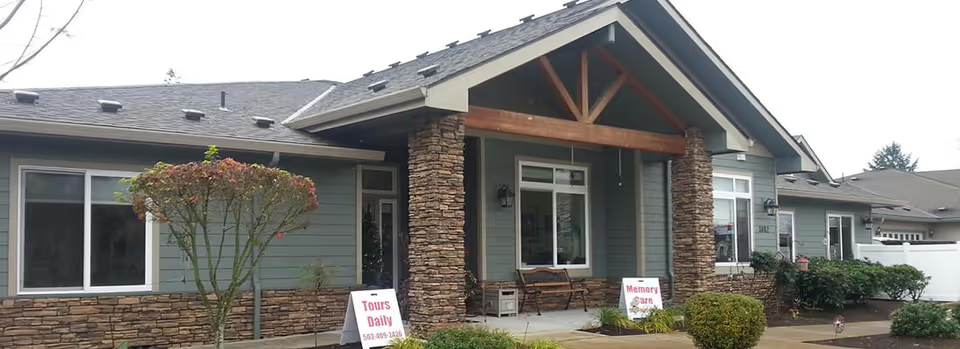
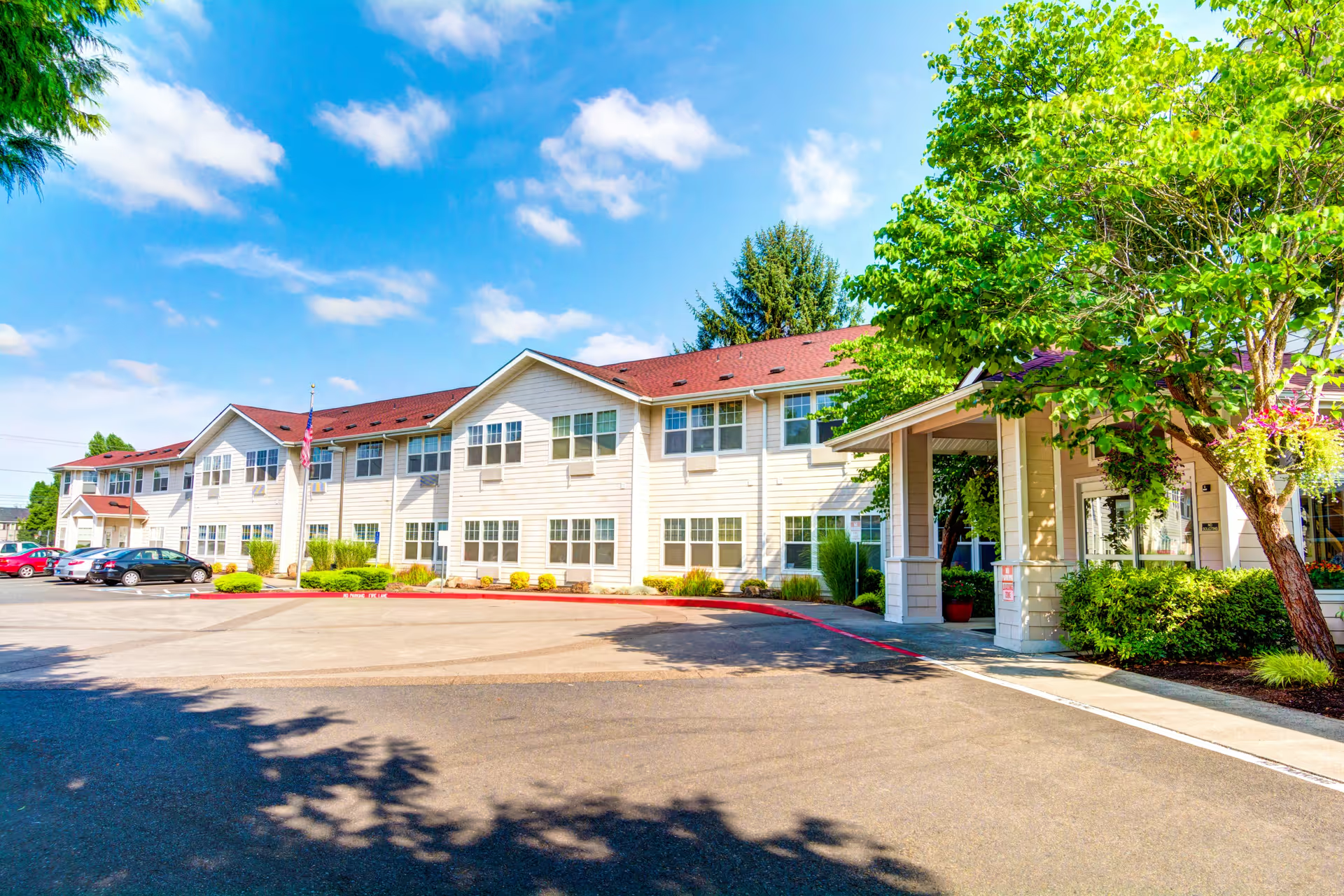
Facilities and maintenance show a split picture. The exterior and common dining areas are often described as attractive and well cared for, but the interior of some units and rehab spaces were described as dated and in need of cosmetic updating or deeper cleaning. Reviewers cite slow response to repairs (broken blinds, lighting, bathroom fixtures) and intermittent sanitation concerns in specific units and common areas. Noise from service and delivery areas is a noted nuisance for some rooms. Staffing patterns that include reduced night coverage were also raised as an operational risk for residents with higher supervision needs.
Management, communication, and business practices are another area of divergence. Several families compliment management for responsiveness when issues are raised and for accommodating transitions of care. Other comments indicate inconsistent communication about clinical status and care plans, difficulties reaching families by phone, and opaque billing or refund handling that caused concern. There are also isolated but serious allegations that attracted regulatory attention; those accounts underscore the importance of direct follow‑up with the provider and review of inspection records for prospective residents with high acuity.
In summary, Avamere Court at Keizer may be a solid fit for residents seeking active community life, strong rehabilitation services, and a range of onsite amenities within a centrally located campus. Prospective residents and families should weigh those strengths against patterns of variable nursing responsiveness, occasional maintenance and sanitation shortfalls, inconsistent dining quality, and reported communication and billing issues. For residents with complex medical or wound‑care needs, or for families prioritizing rapid clinical responsiveness and tight care‑plan communication, it would be prudent to tour the facility, ask for details on night staffing levels and clinical capabilities, review recent regulatory inspection reports, and obtain clear, written answers on billing and incident‑response protocols before making a placement decision.