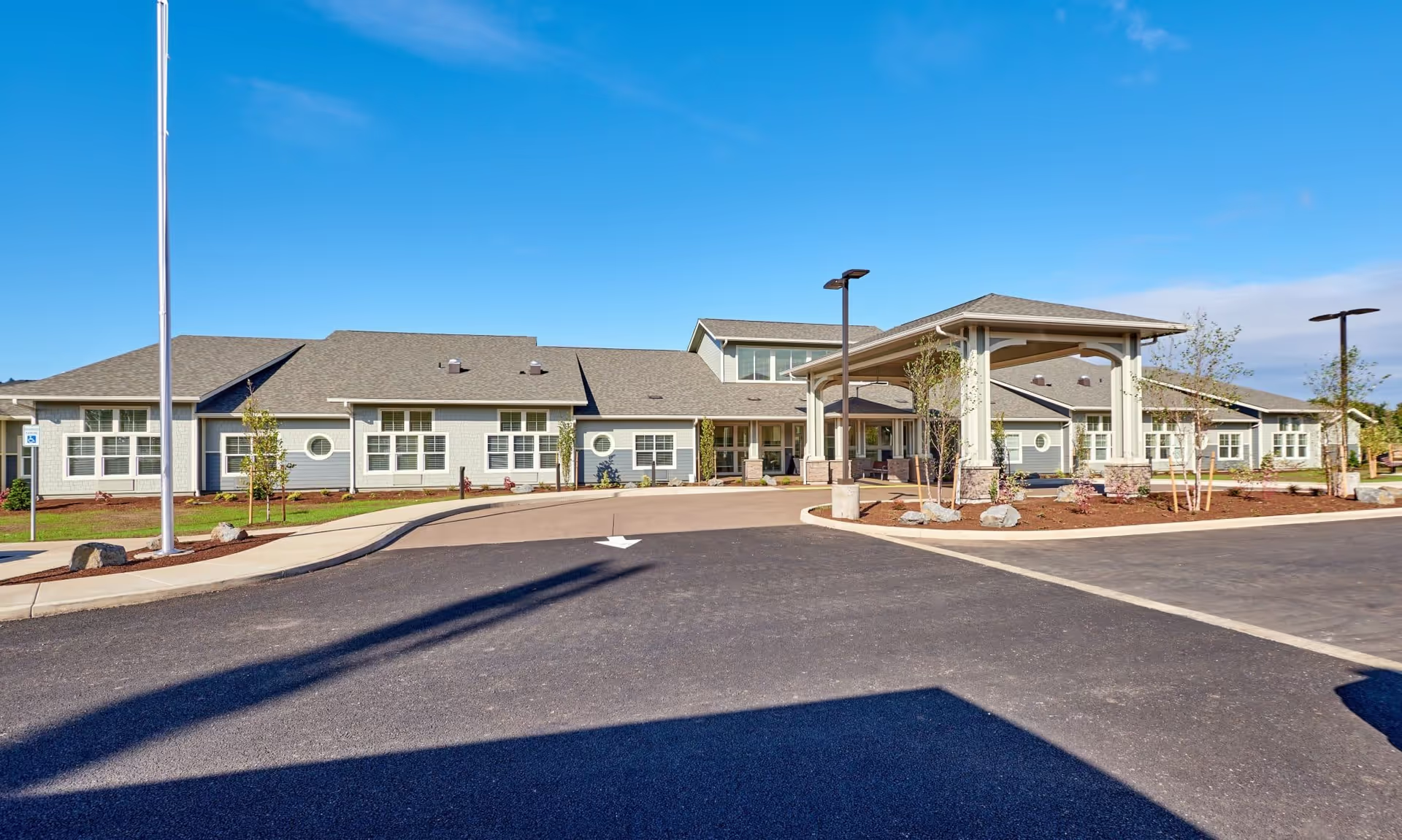
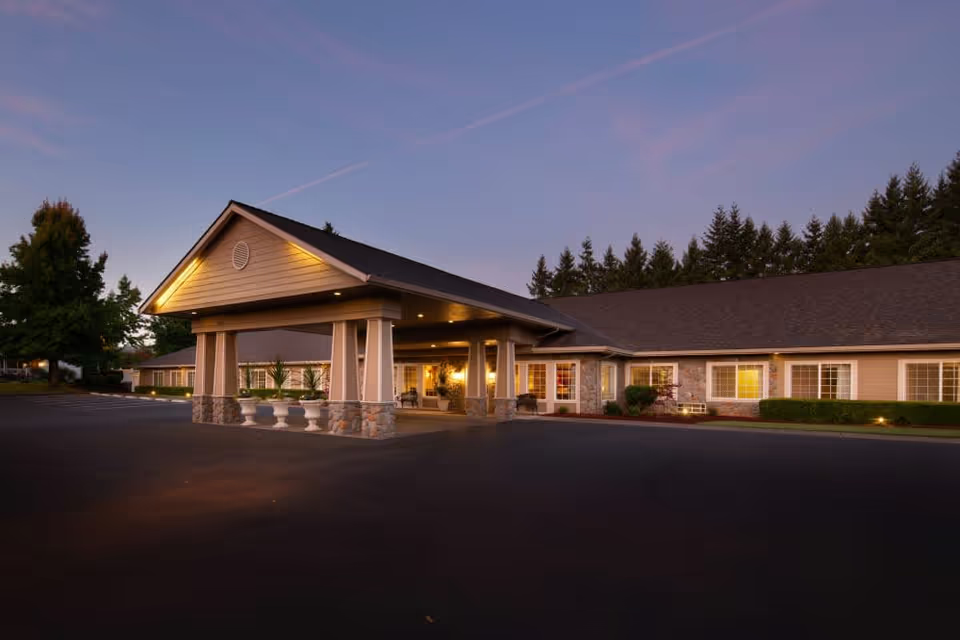
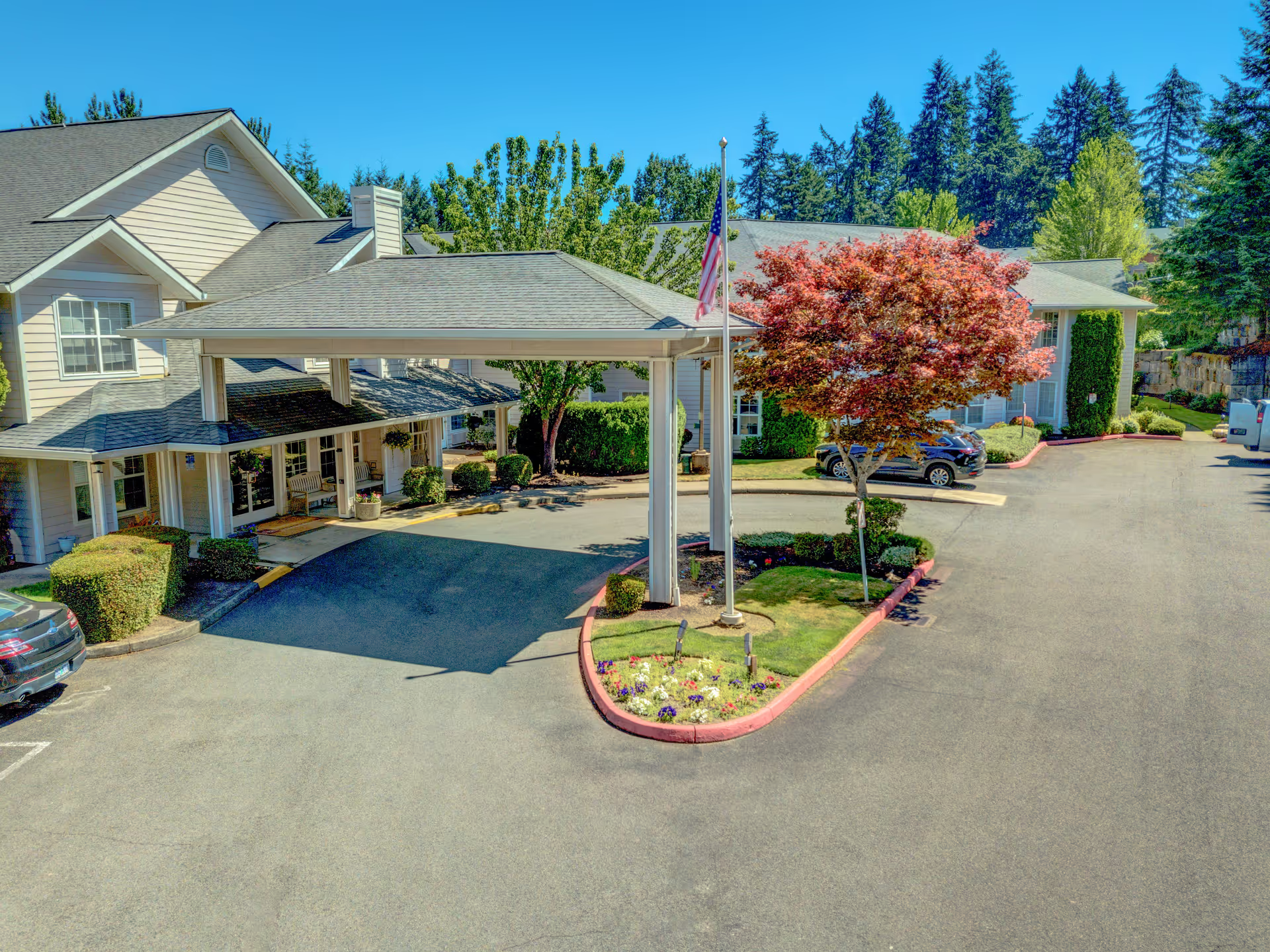
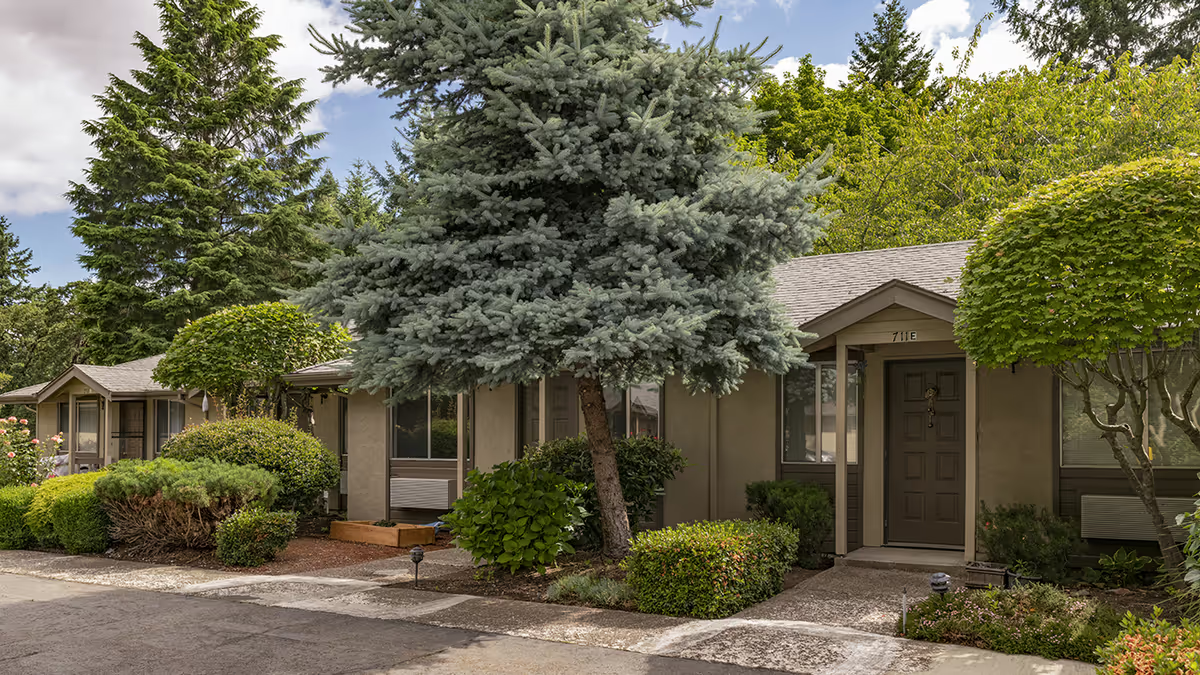
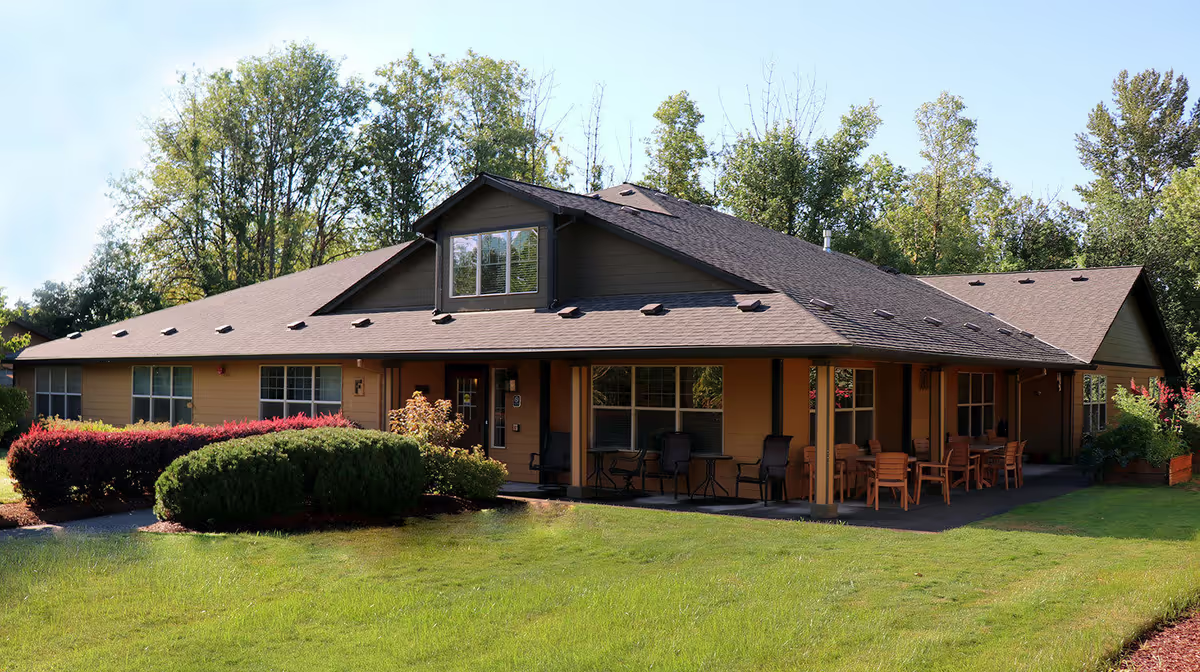
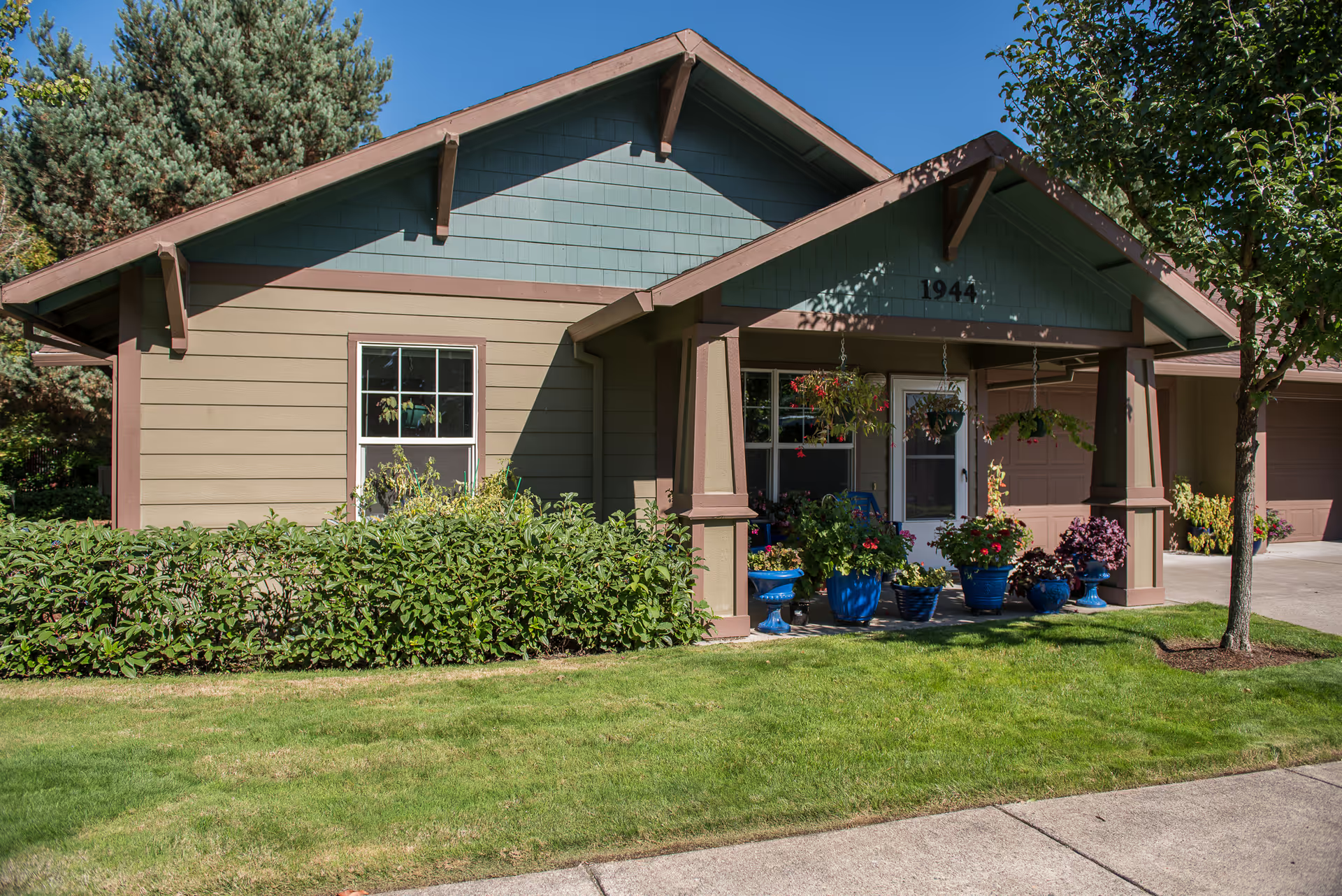
Salem Transitional Care presents as a largely rehabilitation-oriented facility with several tangible strengths and a number of operational inconsistencies. The facility offers a modern, comfortable environment in many units: large private rooms with en-suite bathrooms and walk-in showers, individual climate controls, hotel-like furnishings, adjustable beds, and in-room entertainment and internet access. There is a well-equipped therapy gym and visible emphasis on physical and occupational therapy, with many reviewers noting knowledgeable therapists and daily therapy schedules that support post-acute recovery.
Care quality and staffing are the most mixed areas. Positive accounts describe compassionate, attentive nurses and aides, effective therapy-driven recovery, and good communication around transitions and discharge planning. However, a recurring pattern across reviews is variability in staff performance and coverage—particularly during night shifts—leading to slow responses to call lights and delays in routine care. Several reviews indicate inconsistencies in adherence to individualized care plans and safety protocols, and there are specific concerns about medication-administration oversight that warrant attention.
Dining and activities offer both positives and limitations. Numerous reviewers praised generous portions, varied menus, and timely meal service; others described inconsistent food quality and limited diabetic-friendly options. The facility provides common-area amenities (conversation rooms, game areas, an aquarium) and outdoor access for short walks, but structured daytime activities appear reduced at times (notably during infection-control periods), which some families found limiting for social engagement.
Operational and administrative patterns show strengths in certain areas (clean, well-kept public spaces and effective transition coordination) but weaknesses in others. Housekeeping and sanitation were described as satisfactory by many, yet there are also accounts of inconsistent housekeeping and odor concerns in some units. Laundry, property-tracking, and maintenance reliability emerged as notable operational gaps: several reviewers reported lost clothing or equipment, faulty room phones or cords, and other maintenance issues. Administrative responsiveness was uneven; while some families experienced clear, helpful communication, others described abrupt or unhelpful front-desk interactions and delays in managerial follow-up. There are also serious concerns raised about consent and financial-document handling in at least one instance, which suggests a need for clearer safeguards and oversight in POA/consent processes.
Overall, prospective residents and families should weigh the facility's strong rehabilitation resources, comfortable accommodations, and pockets of very attentive care against documented variability in staffing, communication, medication oversight, and operational consistency. Those considering Salem Transitional Care may want to verify current staffing patterns (day vs. night), ask about medication-safety protocols and property-tracking procedures, and confirm diabetic meal options and activity schedules before admission.