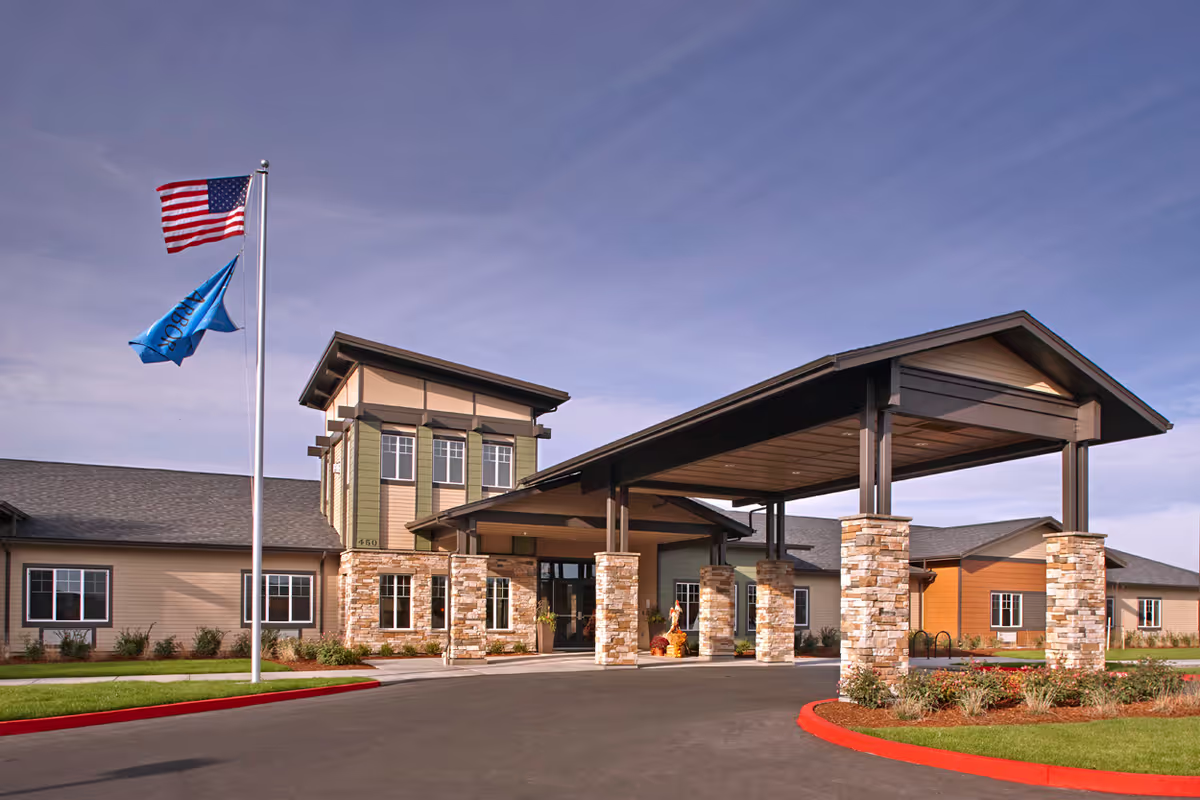
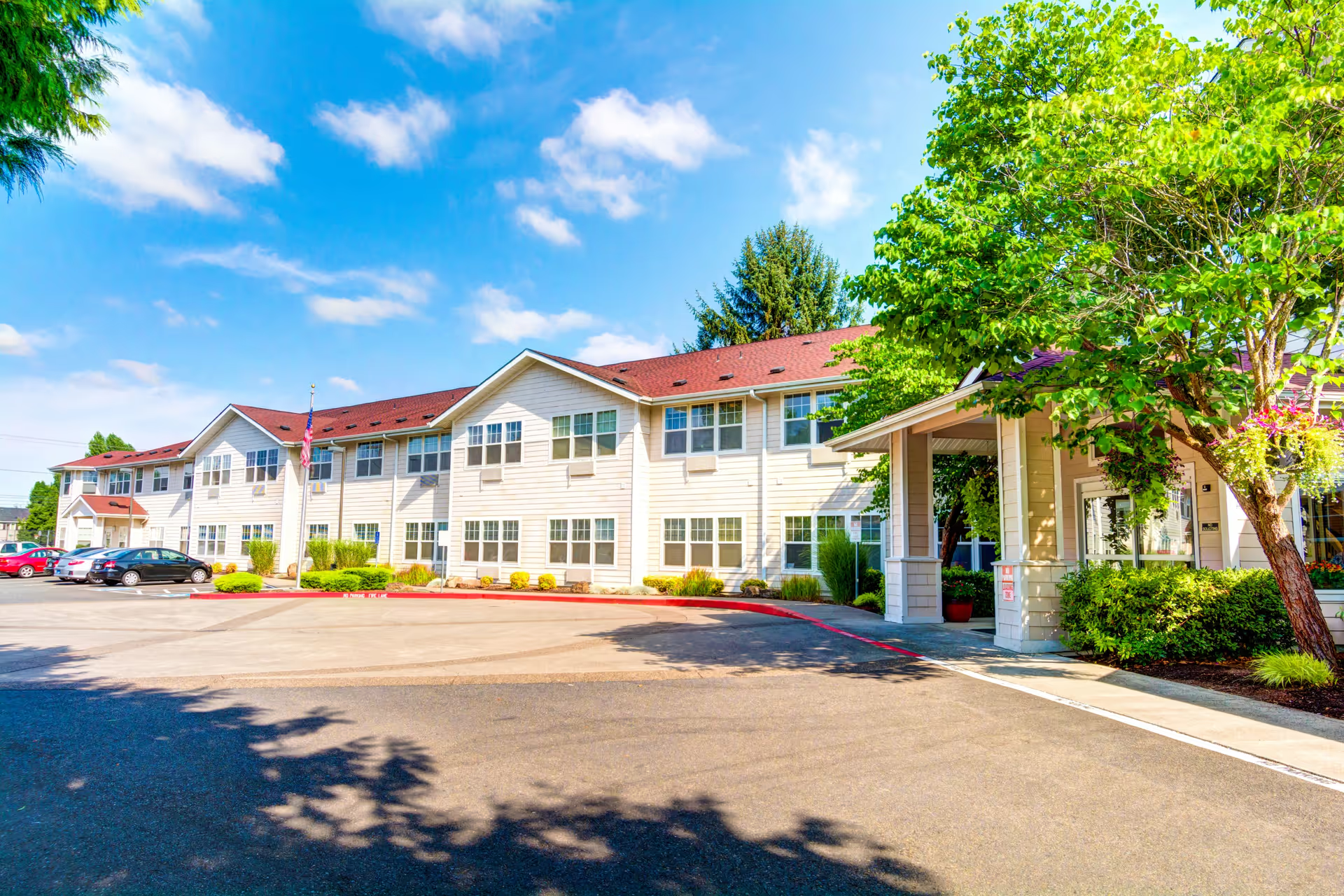
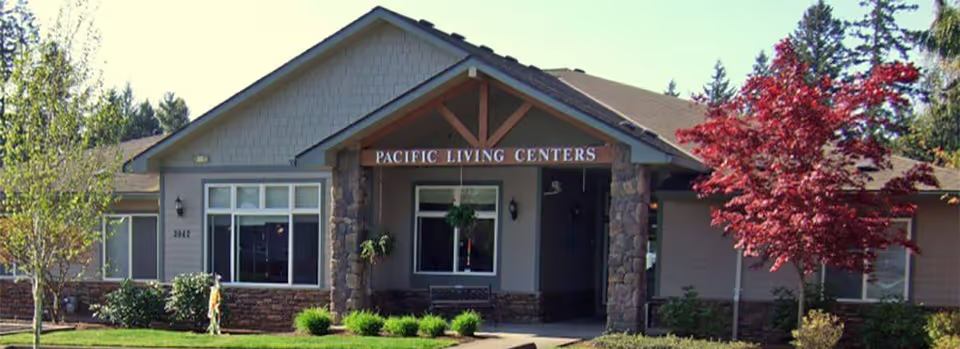
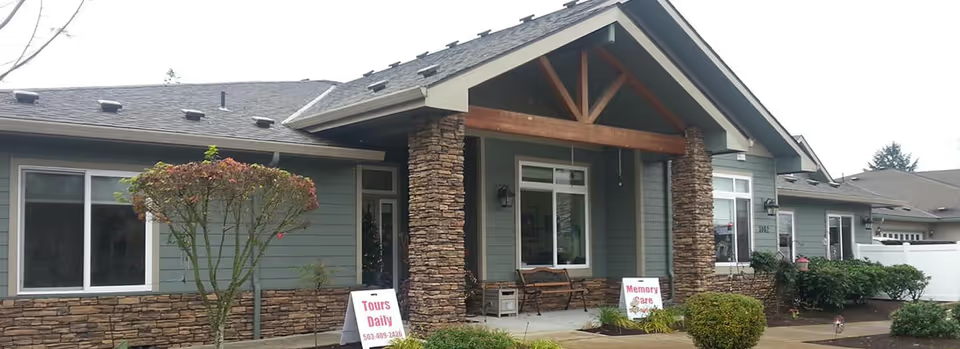
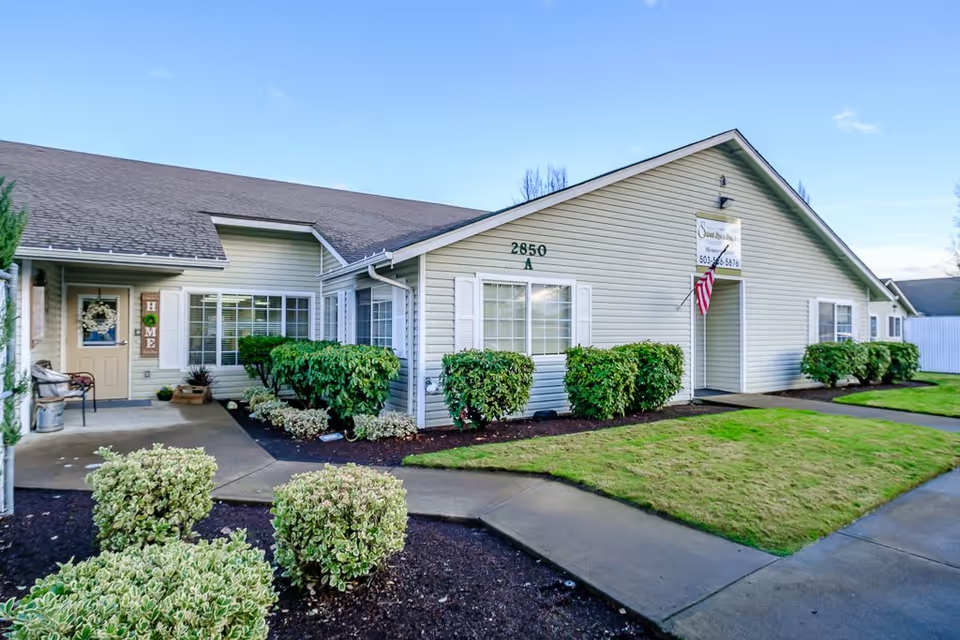
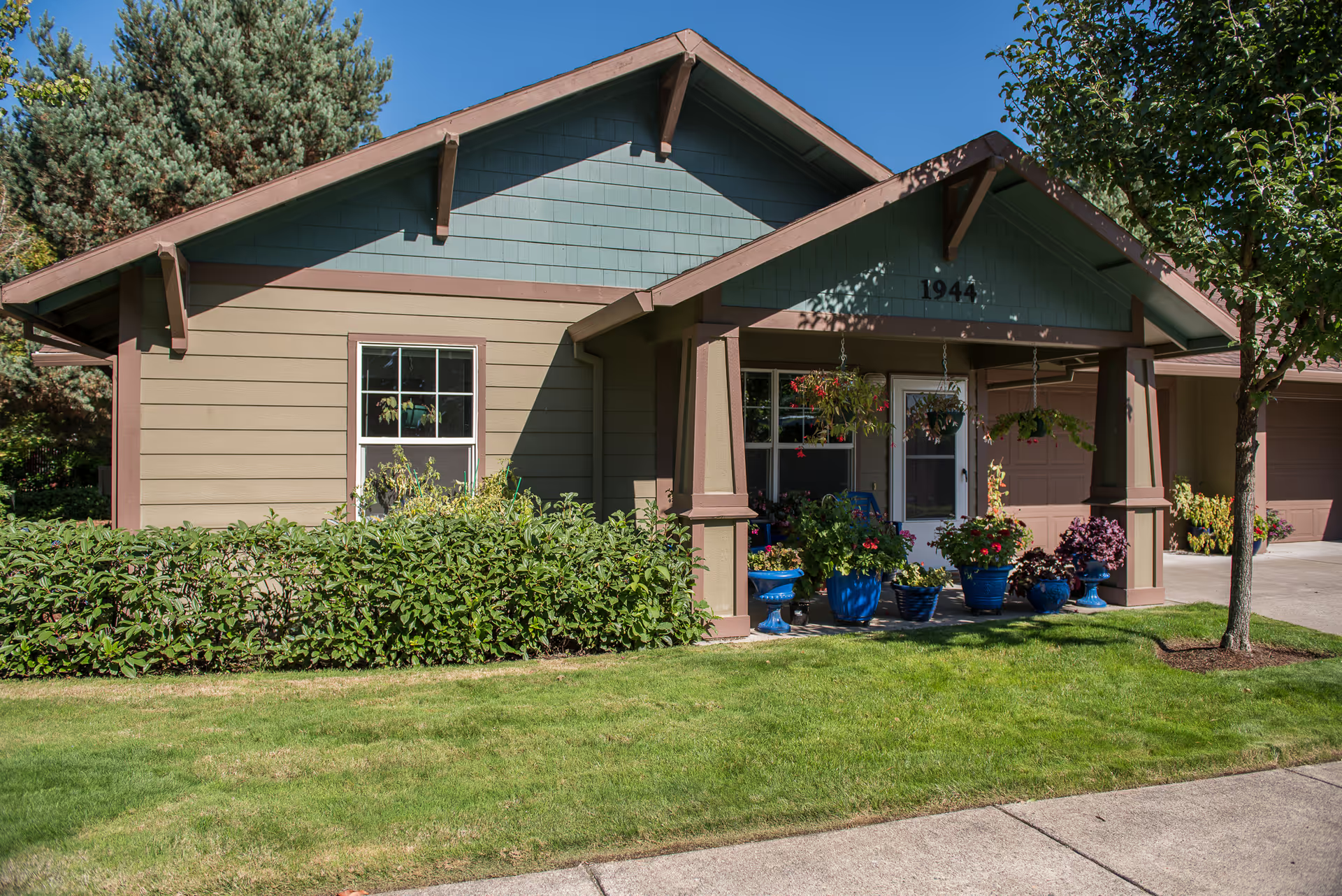
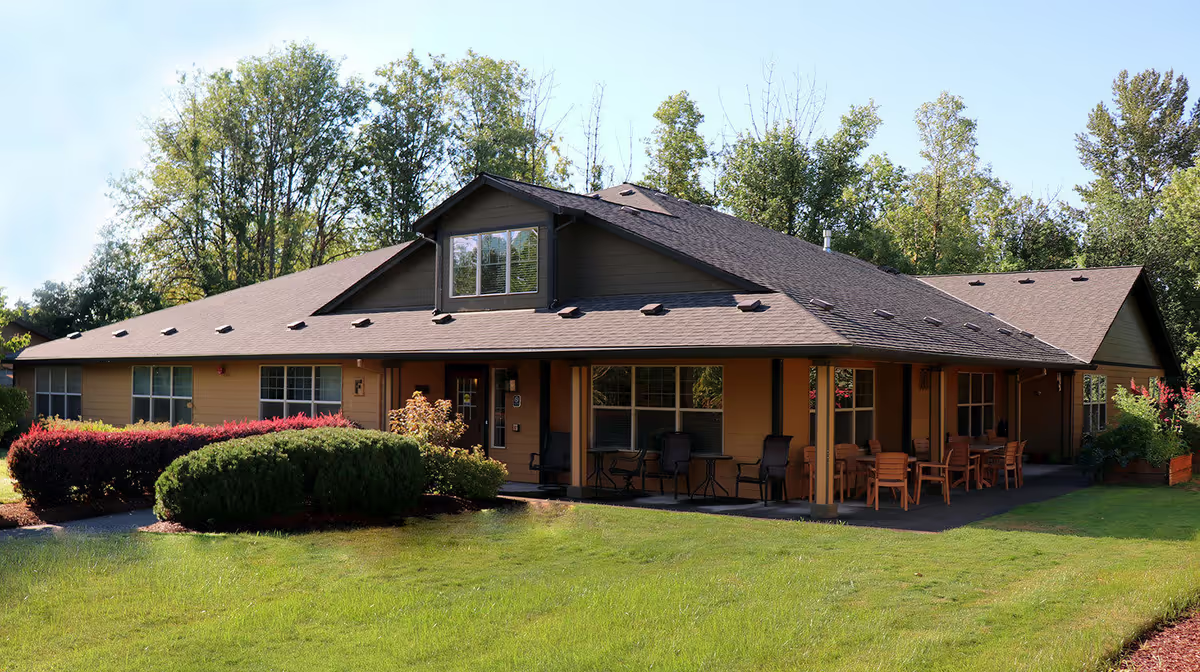
Willamette Lutheran Retirement presents as a long-established, nonprofit community in a rural, park-like setting. Reviewers consistently highlight the grounds — wooded areas, walking access to Clear Lake, garden plots, and pleasant landscaping — as a primary asset. The campus offers a range of housing types from small apartments to larger cottages with garages, and amenities such as a woodworking shop, library, exercise rooms, and scheduled transportation for worship and medical appointments that support an active lifestyle.
Staff and care quality are a central strength in the reviews. Many reviewers describe staff as caring, patient, and competent; long-tenured employees and a welcoming atmosphere contribute to a strong community feel. Families and residents characterize interactions with staff as helpful and attentive, and several comments emphasize the value-for-cost proposition given the affordable, no-buy-in nonprofit model. The skilled-nursing area is available on campus, and while care-related comments are generally positive about staff attitude and responsiveness, some reviewers noted that the nursing area has a more clinical, hospital-like appearance.
Dining and activities are active parts of life at the community. The main dining room is described as attractive with appealing menu offerings and occasional special meals (brunches and monthly events). However, the facility’s dining model tends toward centralized seating — with assigned or shared dining in the main room — which limits flexibility for residents who prefer alternative dining arrangements. Programming is robust, with exercise classes, outings, guest speakers, games, and crafts; hobby spaces and gardening opportunities are well-used and contribute to resident engagement.
Facilities are generally well maintained but show their age. Multiple reviewers noted dated décor, older carpeting, and furniture that suggest the building has not been heavily modernized. Apartments are described as small in footprint and, in some cases, have unconventional layouts; private outdoor space varies by unit. Common areas are sometimes described as darker or less bright than contemporaneous communities. Management strengths include routine housekeeping, included utilities, free cable, and a sense of fiscal value; however, the community also appears to have limited immediate availability, with a long waiting list noted by several sources.
Notable patterns to consider: the community’s strengths center on staff warmth, active programming, and attractive outdoor amenities paired with affordability. Trade-offs include older interior finishes, compact unit sizes, and constrained dining flexibility. Additionally, one reviewer expressed concern about inclusivity toward LGBTQ+ residents; prospective residents or family members with particular expectations around inclusivity may want to discuss climate and nondiscrimination policies with management during a tour. Overall, Willamette Lutheran may suit individuals seeking an affordable, community-oriented, rural retirement setting with active programming and caring staff, while those prioritizing modern interiors, larger unit layouts, or more flexible dining options should verify current renovation plans and unit availability during the decision process.