Reviewer feedback for Windsor Health and Rehabilitation Center shows a clear pattern of strong rehabilitative services and a core of compassionate caregiving staff, combined with operational weaknesses that can affect day-to-day resident experience. Therapy services—physical and occupational therapy—are consistently cited as a major strength and appear to contribute to measurable recovery for many residents. Numerous reviewers also highlight individual staff members (nurses, CNAs, therapists, maintenance and administrative staff) as caring, knowledgeable, and effective at providing emotional support and family communication when available.
Care quality is mixed. Clinical strengths include attentive nursing and capable CNAs in many cases, and positive interdisciplinary teamwork. However, recurring concerns relate to response times and staffing consistency: slow call-light responses, delayed assistance with toileting and bathing, and inconsistent medication timing. Multiple comments point to gaps in wound-care expertise and periodic inconsistencies in clinical follow-through; these represent operational risks that prospective families should clarify during intake. Safety monitoring for residents with cognitive impairment is another recurrent concern, with reports suggesting variability in supervision and contingency coverage.
Dining receives polarized feedback. Several reviewers praise home-style, customizable menu items and specific dishes, while an approximately equal number describe inconsistent food quality, repetitive therapeutic-diet choices (notably for low-sodium/diabetic meals), undercooked or poorly executed entrées, and limited breakfast options. Meal portions and variety were identified as uneven, and some reviewers felt therapeutic diets lacked creativity and adequate monitoring for nutrition needs.
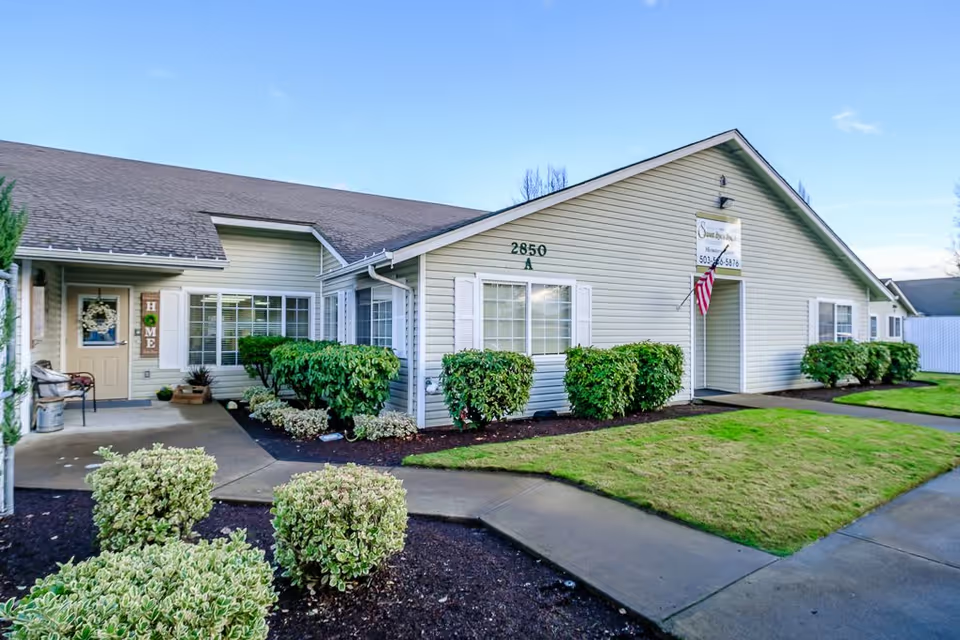
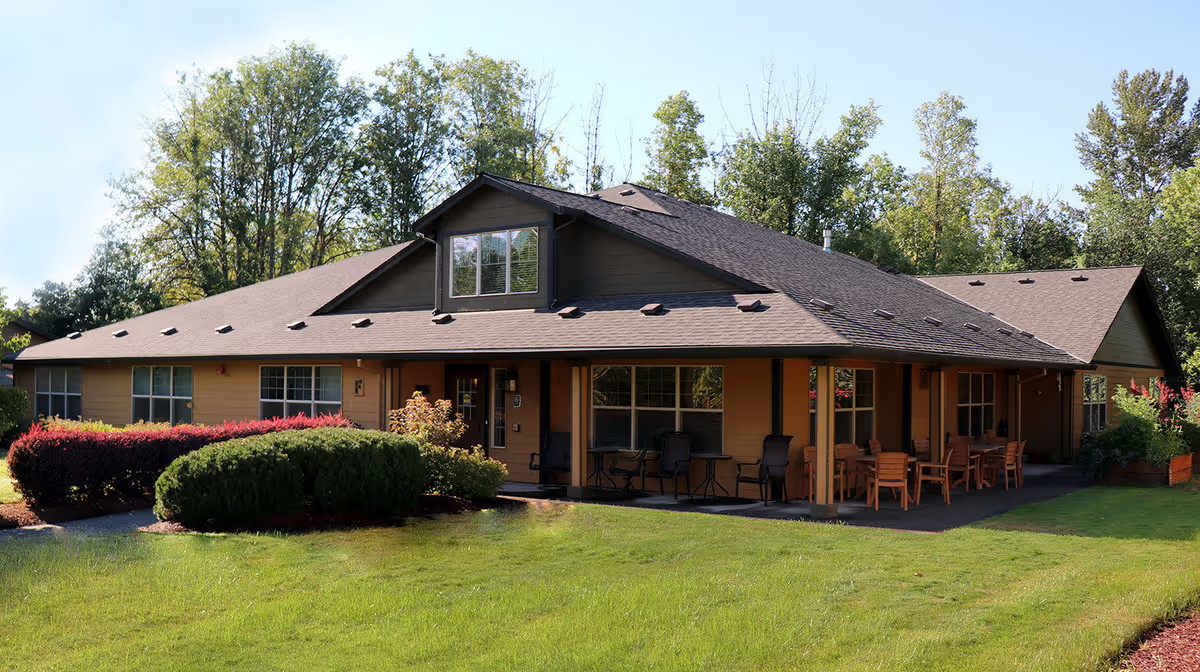
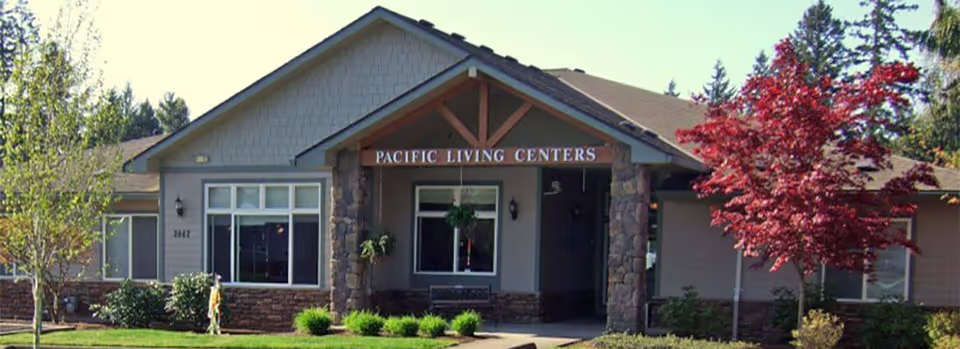
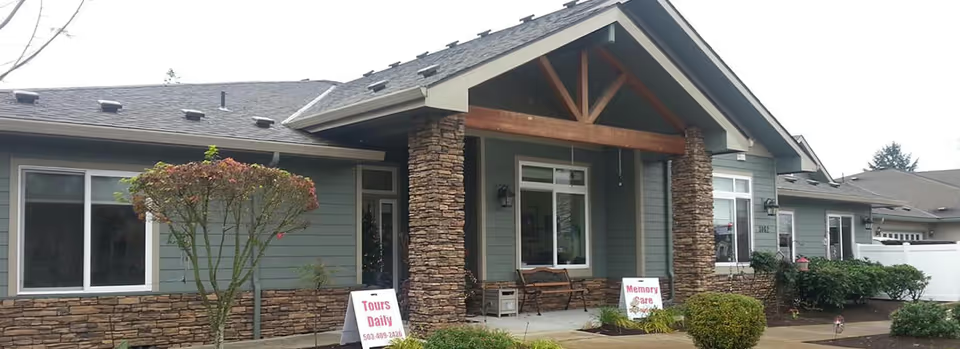
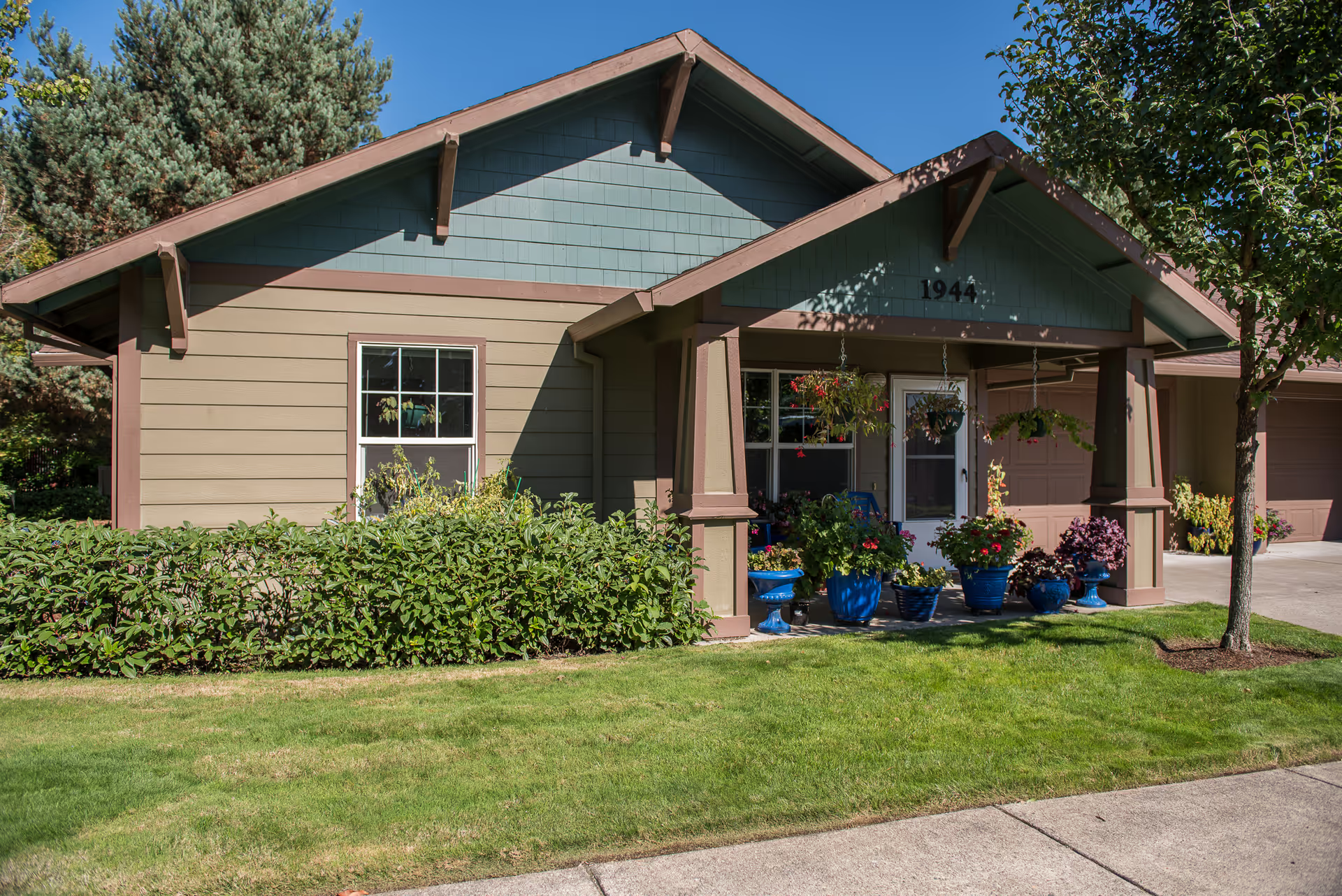
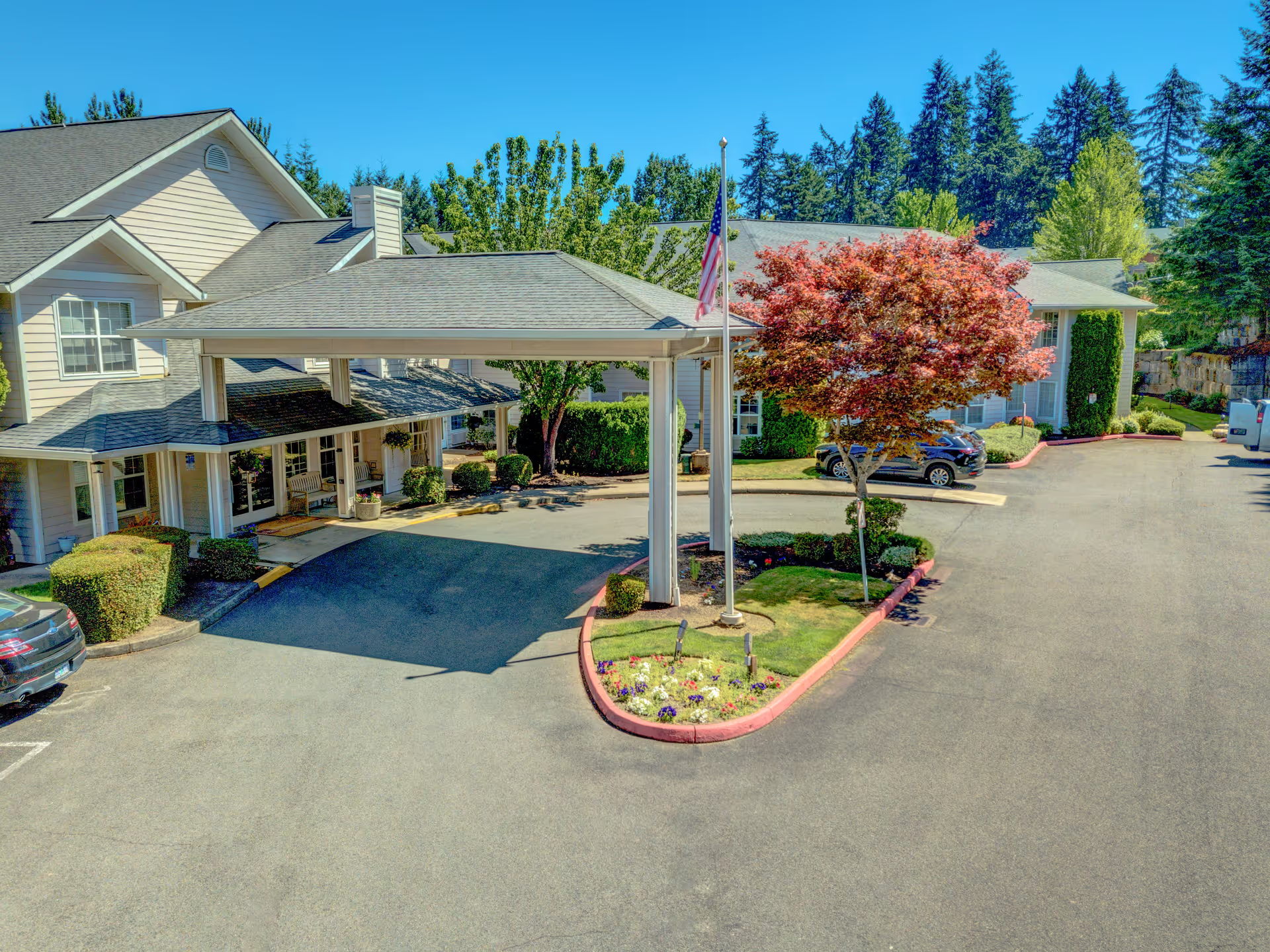
Facilities and amenities are a mix of strengths and limitations. The building is described as older but often clean and homey; however, others characterized parts of the environment as dated or dark and in need of renovation. Practical amenity limitations were noted (for example, absence of Wi‑Fi in some accounts), and some design elements (art placement, accessibility) may not be optimized for mobility device users. Laundry and package-handling processes were cited as unreliable in several accounts, creating concerns about lost or missing personal items.
Management and culture show divided perceptions. Many families commend frontline staff and point to a family-like, welcoming atmosphere with engaged activity programming. At the same time, there are recurrent observations about unclear management practices, inconsistent communication with families, defensive leadership responses, and questions about ownership transparency. These issues are amplified when paired with staffing shortages or high occupancy: reviewers linked these operational stressors to slower responses and uneven care continuity.
Notable patterns for prospective residents and families to consider: the facility demonstrates clear strengths in therapy and in many individual caregivers, but those strengths coexist with variable operational reliability—especially around staffing consistency, wound care and medication timeliness, meal quality for therapeutic diets, and handling of personal belongings. When evaluating Windsor, families may want to observe call-light response times, ask about wound-care protocols and staff training, sample therapeutic-diet options, confirm laundry/package procedures, and request clarity on ownership and staffing ratios. Doing so will help assess whether the facility’s rehabilitative and relational strengths align with a prospective resident’s day-to-day care and safety needs.