Overall impression: Reviews for the facility are highly polarized. Many accounts praise the therapy department, certain nurses, and select administrators for compassionate, attentive care; however, an appreciable number of families describe operational and clinical shortcomings that materially affect resident experience. The result is a facility that can deliver strong rehabilitation and individualized attention in some cases, but that also exhibits recurring process and management weaknesses.
Care quality and clinical coordination: Rehabilitation and therapy services are frequently cited as a strong point, with physical and occupational therapy staff helping residents regain function and weight in post-acute stays. At the same time, reviewers describe inconsistent clinical practices around medication timing, medication shortages, and diabetes management, indicating gaps in medication-management processes and coordination with outside services (for example, dialysis). Families reported delays in obtaining physician orders and weekend coverage gaps, suggesting variability in clinical continuity.
Staffing and staff conduct: A dominant theme is insufficient staffing and long response times to resident requests. Call bells left unanswered or delayed assistance, long waits for toileting and hygiene support, and inconsistent bathing schedules were recurrent concerns that affected safety and comfort. Reviewers also describe variability in staff demeanor — some caregivers and nurses are characterized as compassionate and attentive, while others are described as brusque or insensitive. These mixed accounts point to inconsistent training, supervision, or culture across shifts.
Dining and nutrition: Opinions on food quality are mixed. Several families praised accommodating meal preparation and supportive food service during recovery, while others described frequent complaints about taste, portion size, repetitive menus, meal delays, and additional out-of-pocket charges. These inconsistent experiences suggest variability in kitchen operations and meal-service continuity.
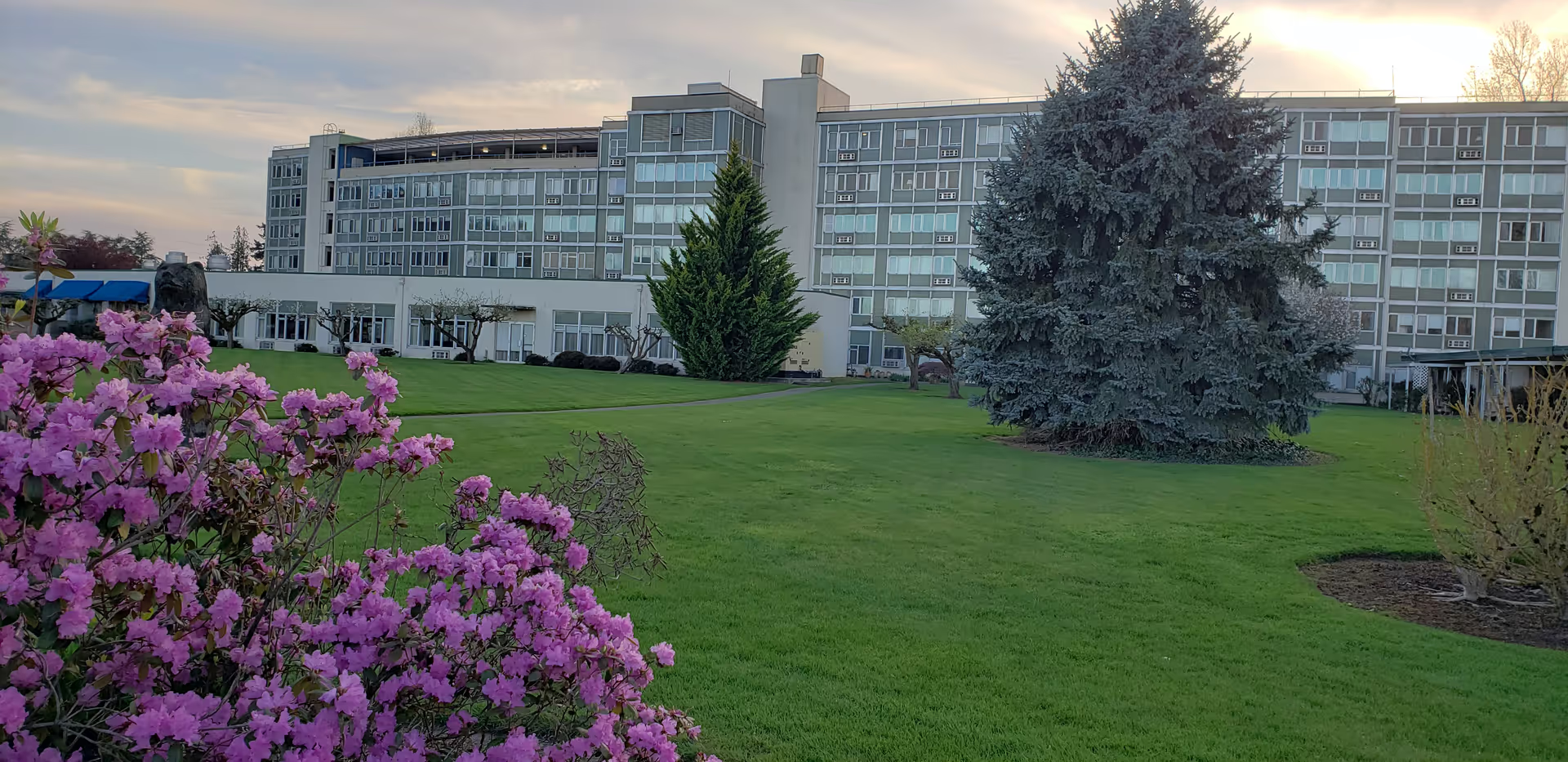
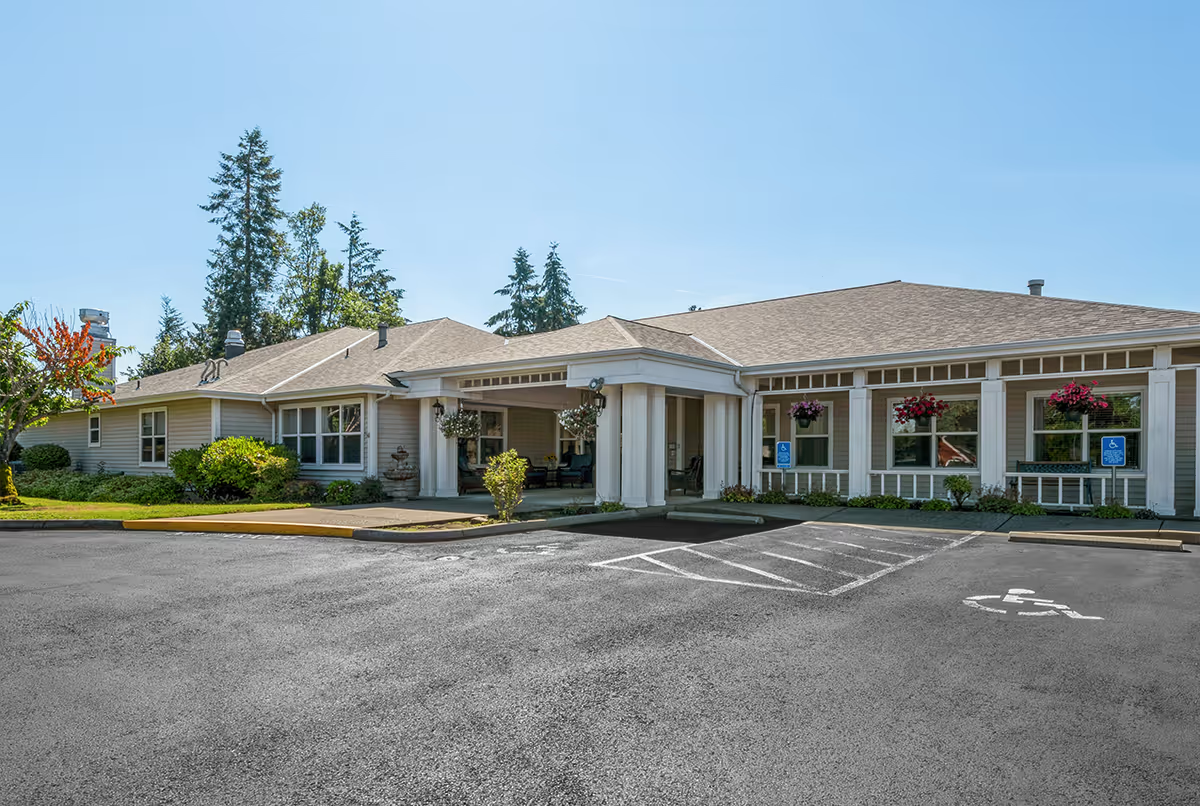
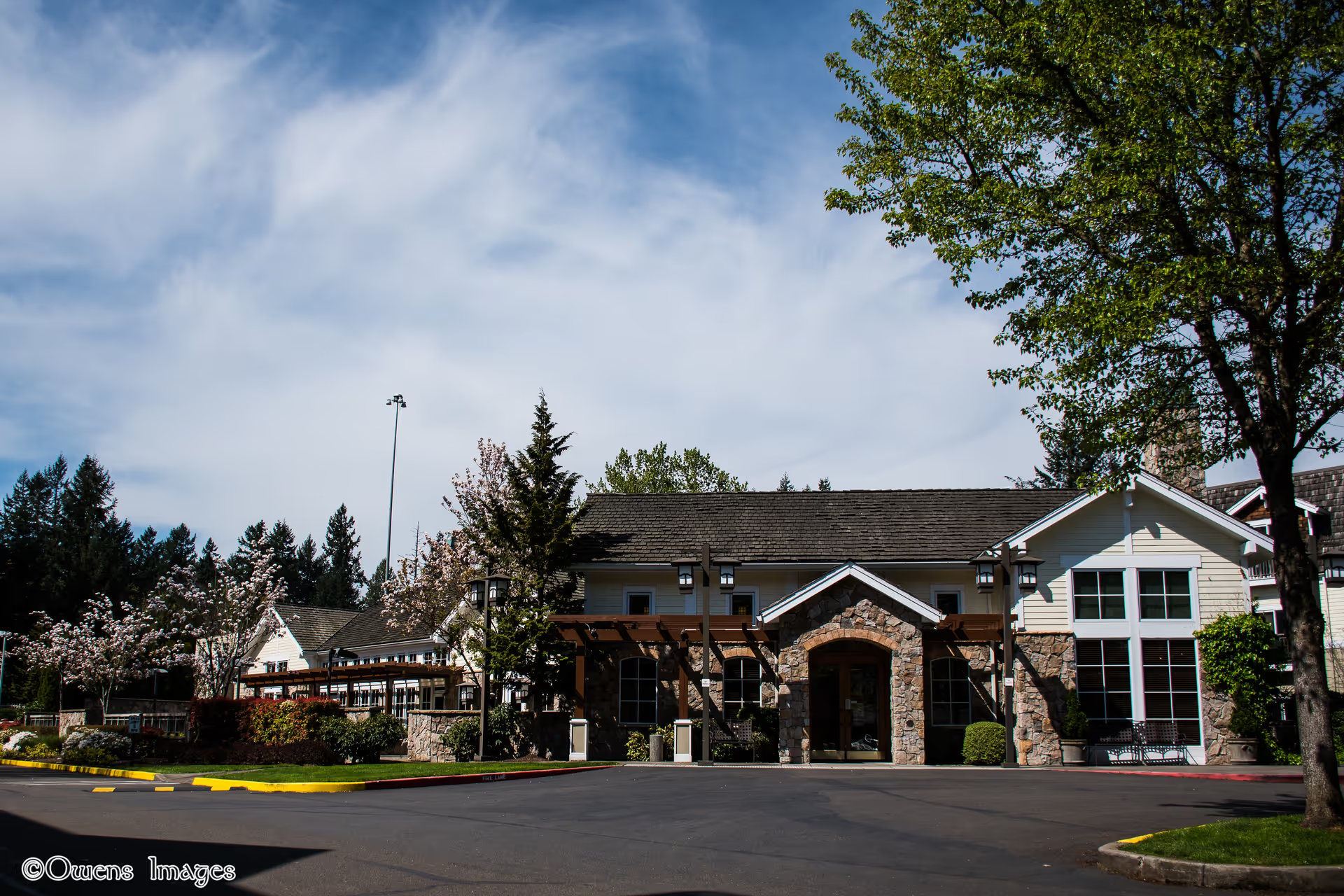
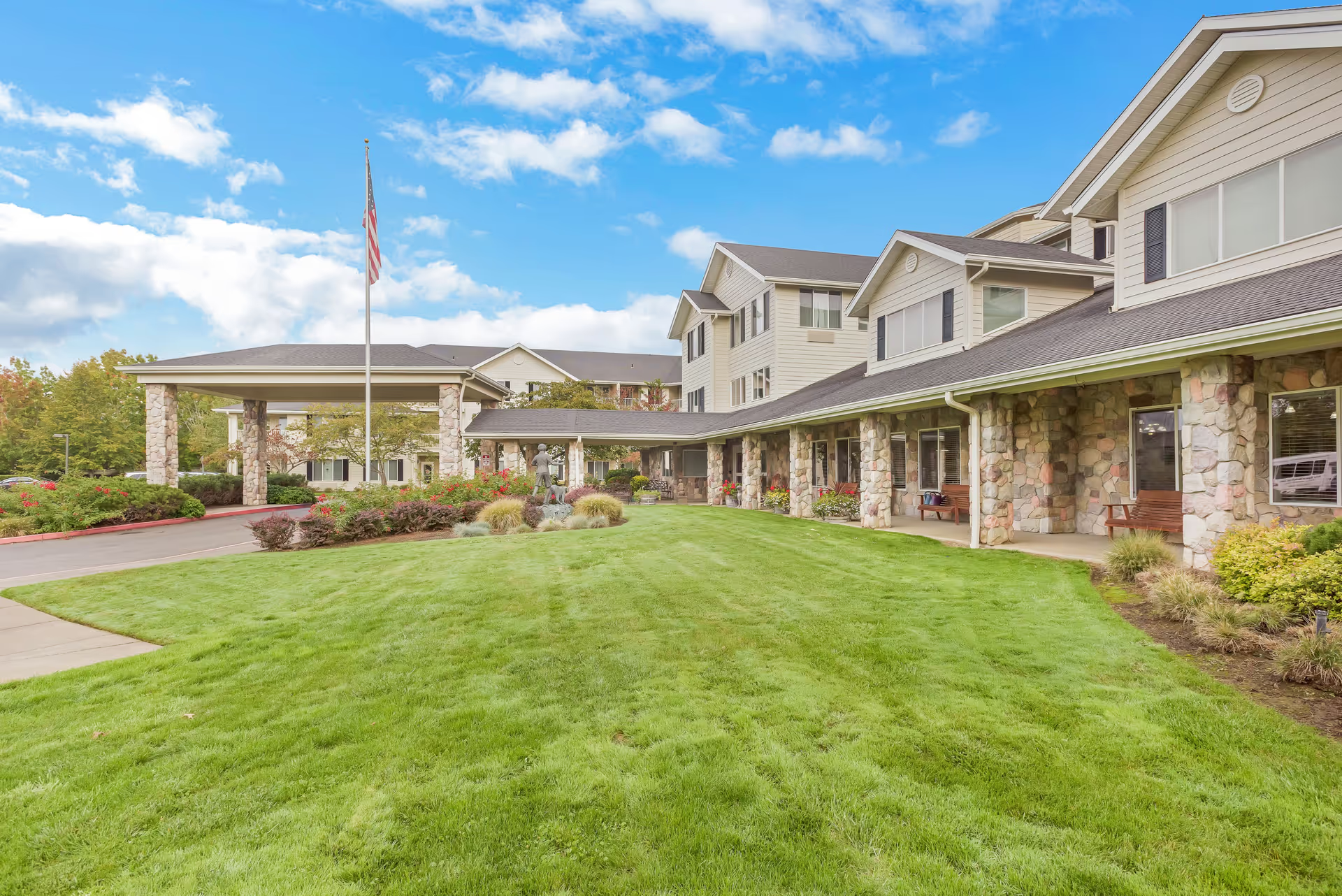
Facilities and maintenance: Positive comments include clean, orderly units in some areas and functioning therapy spaces. Conversely, maintenance delays and facility upkeep problems are reported elsewhere — examples include prolonged leaks and slow repair resolution — and sanitation or odor concerns in common areas were mentioned. These mixed reports indicate uneven facility maintenance and environmental-control practices.
Management and communication: Some administrators receive strong praise for advocacy and responsiveness, but an equally strong pattern of reviews describes limited follow-through when families raise concerns. Reviewers detailed communication lapses with families, slow responses to complaints, and difficulty obtaining timely authorizations or medication refills. Property-security concerns — including allegations of missing personal items — were raised and represent a serious trust issue for families.
Notable patterns and considerations: The most consistent positive signal is the quality of rehabilitation care and the presence of individual staff members who provide exemplary attention. The most consistent negative signals are operational: staffing shortages, slow response times, medication- and coordination-related gaps, and variable facility maintenance. Given the mix of experiences, prospective residents and families should verify current staffing levels, medication and clinical protocols, property-security measures, and billing practices during the admission process. Visiting during multiple shifts, asking for examples of recent corrective actions, and clarifying how the facility handles urgent external services (dialysis, specialist visits) can help set expectations and reduce risk of adverse experiences.