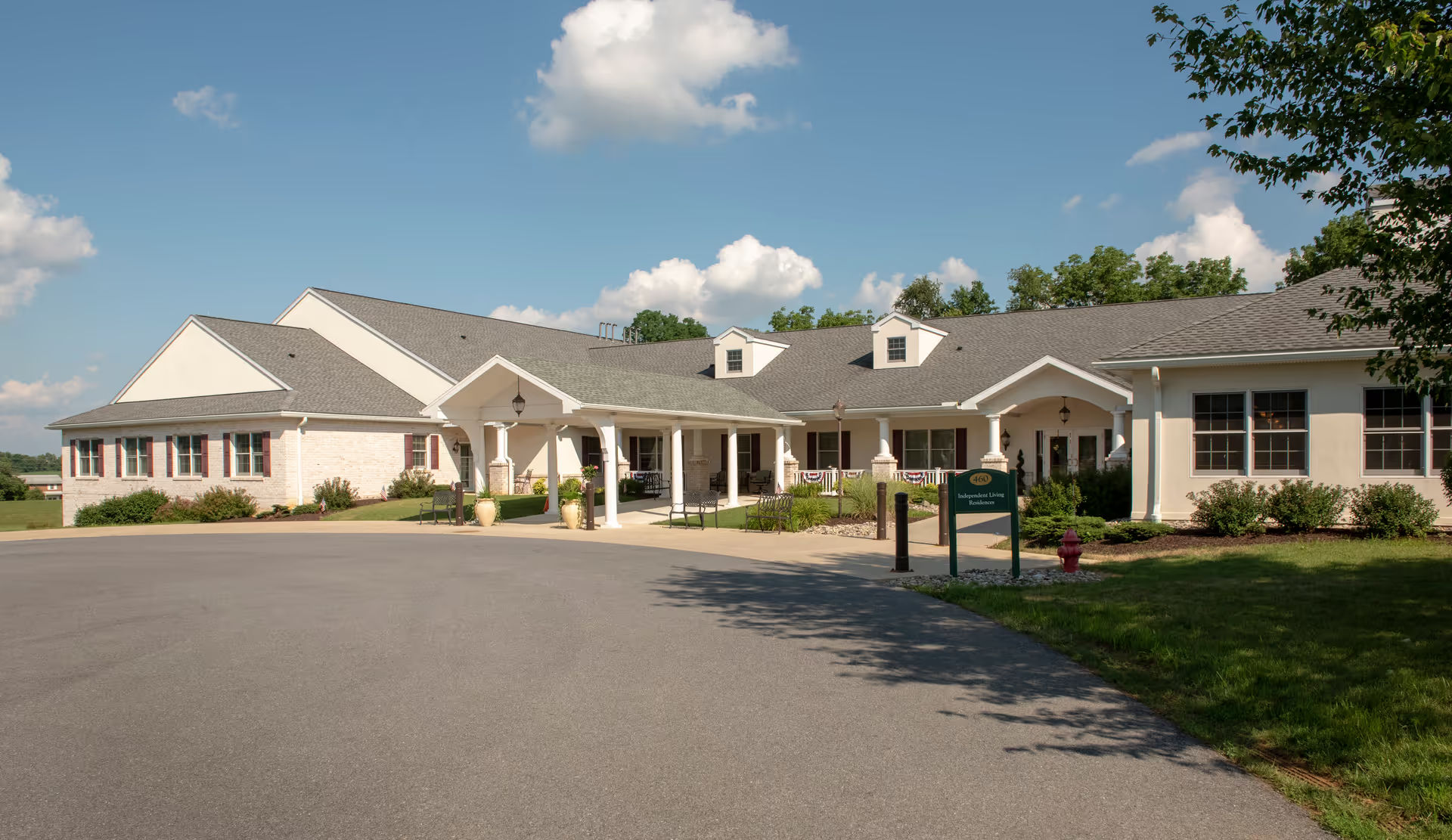
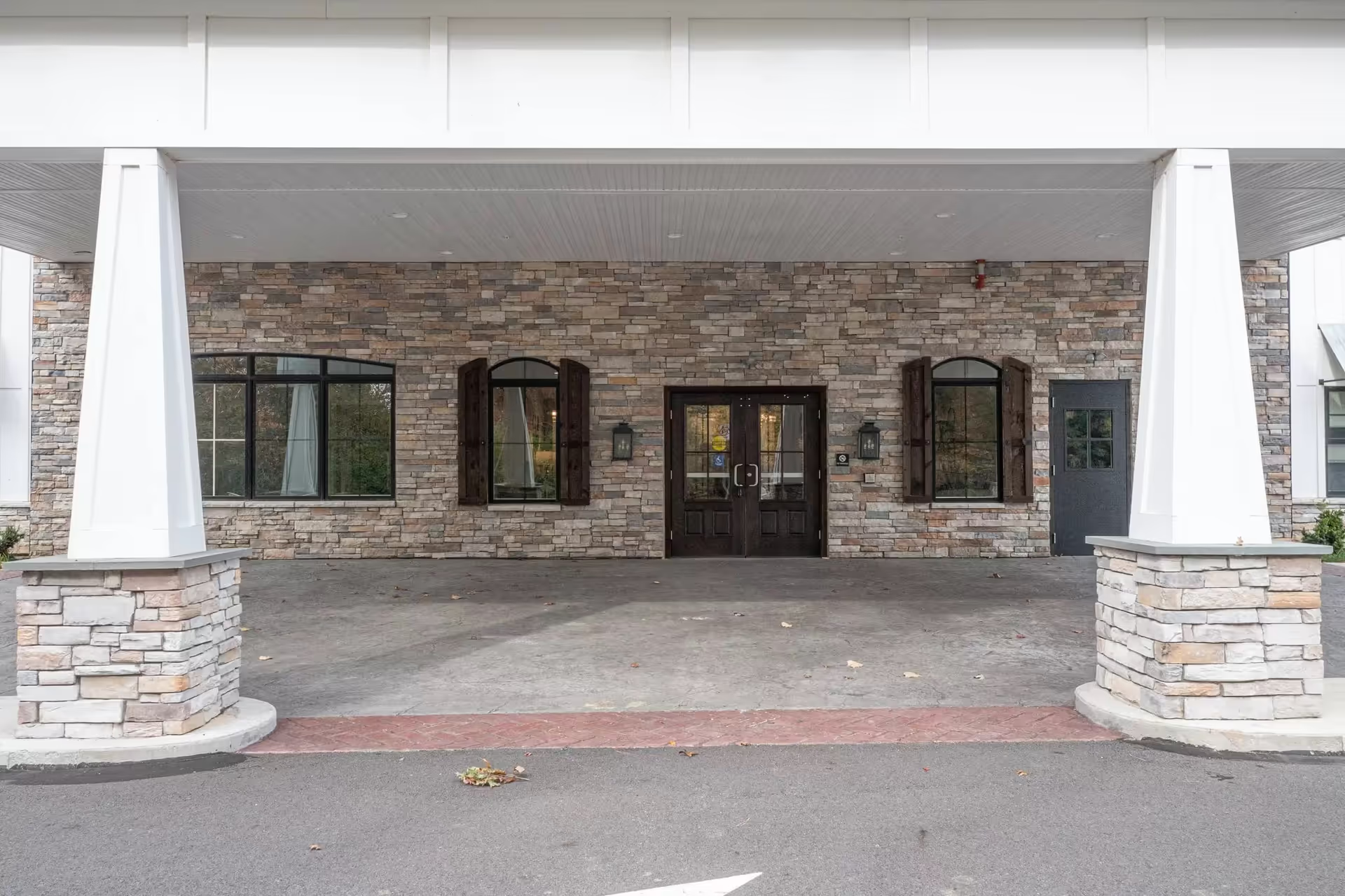
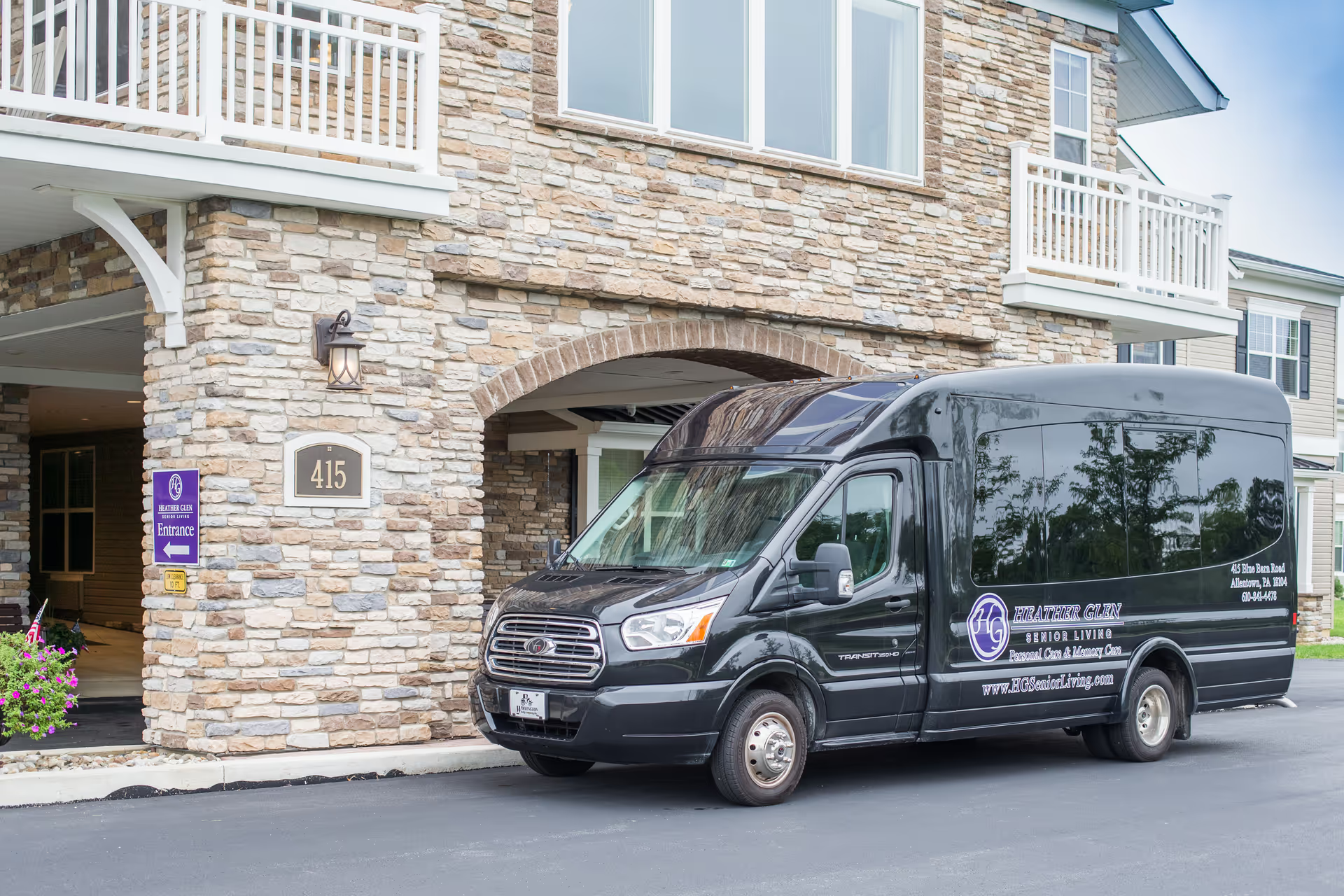
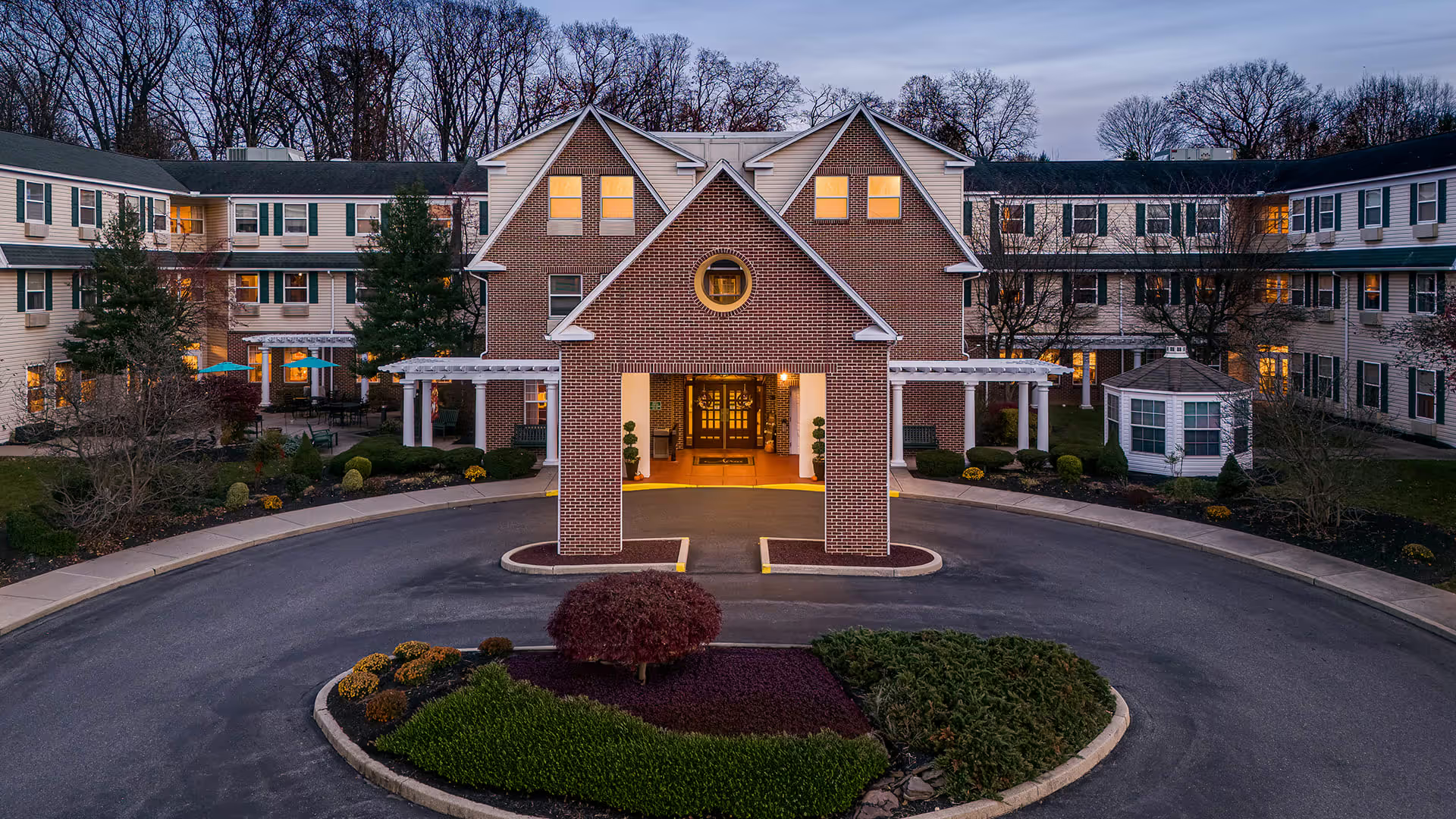
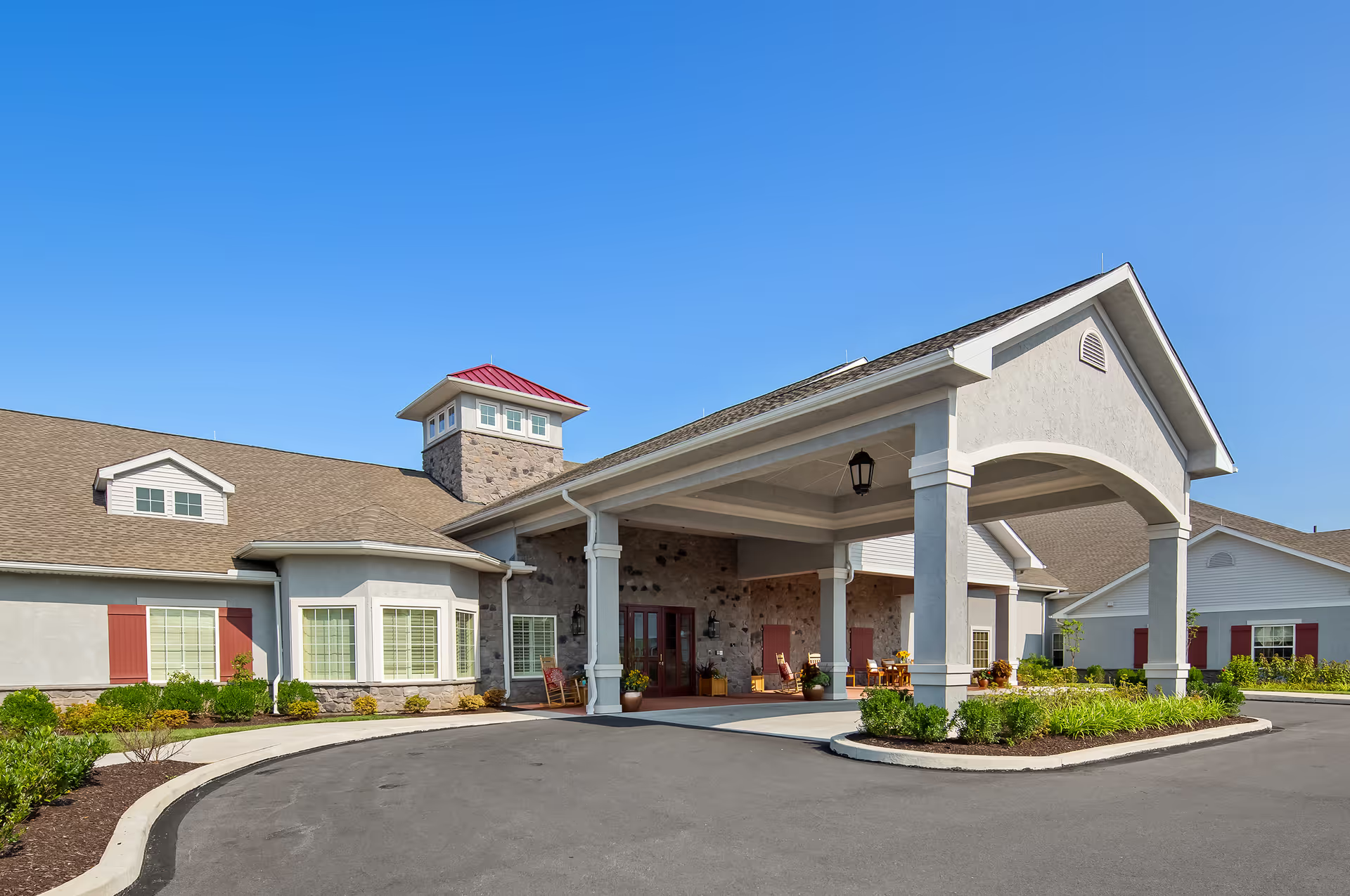
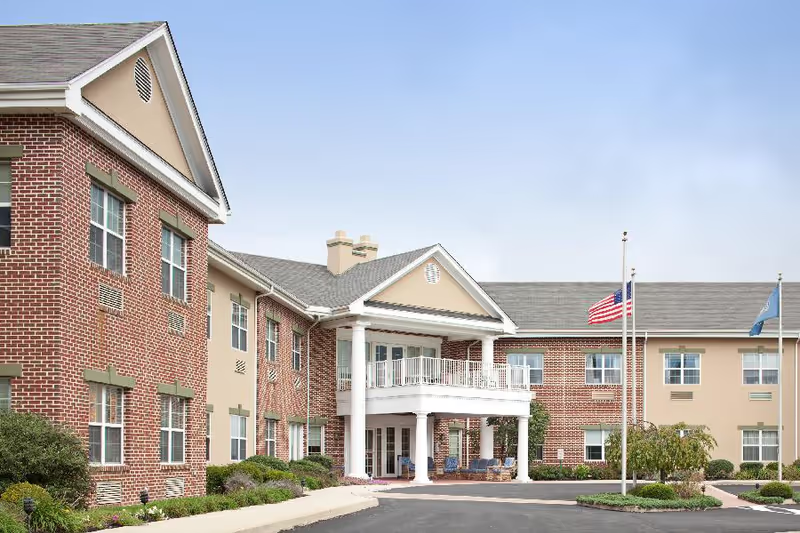
The reviews for Above and Beyond at the Knights present a mixed picture in which clear strengths coexist with recurring operational weaknesses. On the positive side, many families and visitors emphasize the facility's compassionate caregiving culture: direct-care staff, activity personnel, and several directors are described as attentive, respectful, and capable of providing dignified support. When present and engaged, memory-care leadership is identified as a major strength, with examples of daily updates, personalized attention, and an emphasis on resident dignity. The community offers spacious rooms (including private baths in many units), a large dining room, outdoor porches and garden areas, and on-site clinical and therapy services that some families find reassuring.
Dining and activities are frequently mentioned as defining aspects of life at the community. Numerous accounts praise organized outings (restaurant trips, shows, ballgames), exercise groups, bingo, arts and crafts, and occasional entertainment and visits from school groups or animals. For some residents these programs provide meaningful engagement. At the same time, other accounts describe inconsistent activity delivery—particularly in memory-care areas—where engagement levels and program availability vary. Food quality is similarly mixed: several families commend home-style, flavorful meals, while others describe inconsistent preparation and service quality.
Facilities and housekeeping are areas of contrast. Many reviewers praise clean, well-kept rooms, large windows, bright dining spaces, and a homelike atmosphere with rocking chairs and communal areas. Conversely, other comments point to dated areas, uneven maintenance, sanitation and odor concerns in some rooms or lower-level dining spaces, and storage or layout issues in semi-private rooms. Security and privacy topics also appear: roommate adjustments, bed checks, and control of shared heating devices were raised as operational concerns by some families.
Management and operational patterns are the most recurrent source of dissatisfaction. Several reviews describe a decline in consistency and oversight following ownership or administrative changes, with related issues including high staff turnover, communication breakdowns between staff and families, slow or unsatisfactory incident handling, and occasional language-barrier or staffing-skill gaps. Clinical concerns are mentioned in a subset of reviews—examples include wound care, infection management, and end-of-life care communication—and these are cited as areas where families expect clearer protocols and timelier responses. There are also serious trust-related reports, including allegations of theft and questions about financial-handling and laundry services; such claims, where they appear, are a distinct area for families to investigate further.
Taken together, the pattern in the reviews suggests the facility can deliver strong, person-centered care in environments led by engaged directors and stable staff, but that outcomes are sensitive to management consistency and staffing levels. Prospective residents and families would benefit from an in-person tour focused on current staffing ratios, recent inspection results, examples of recent activity calendars, sample menus, clarification of contract fees and add-ons, and direct conversations about clinical incident response and property-security practices. Observing a meal service and an activity period, and asking for references from current families on recent experiences, will help assess whether the positive practices described are currently in place and sustained.