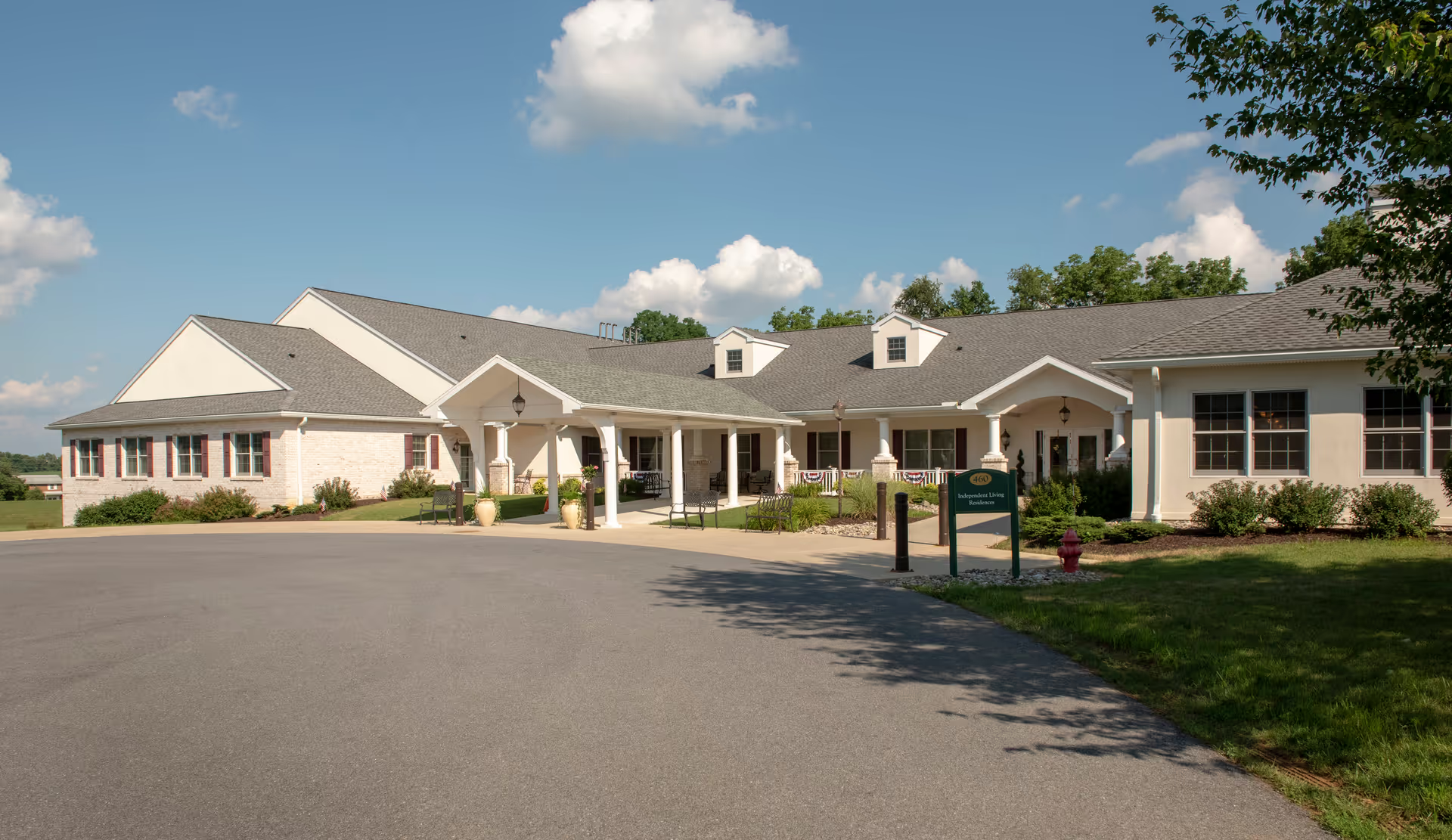
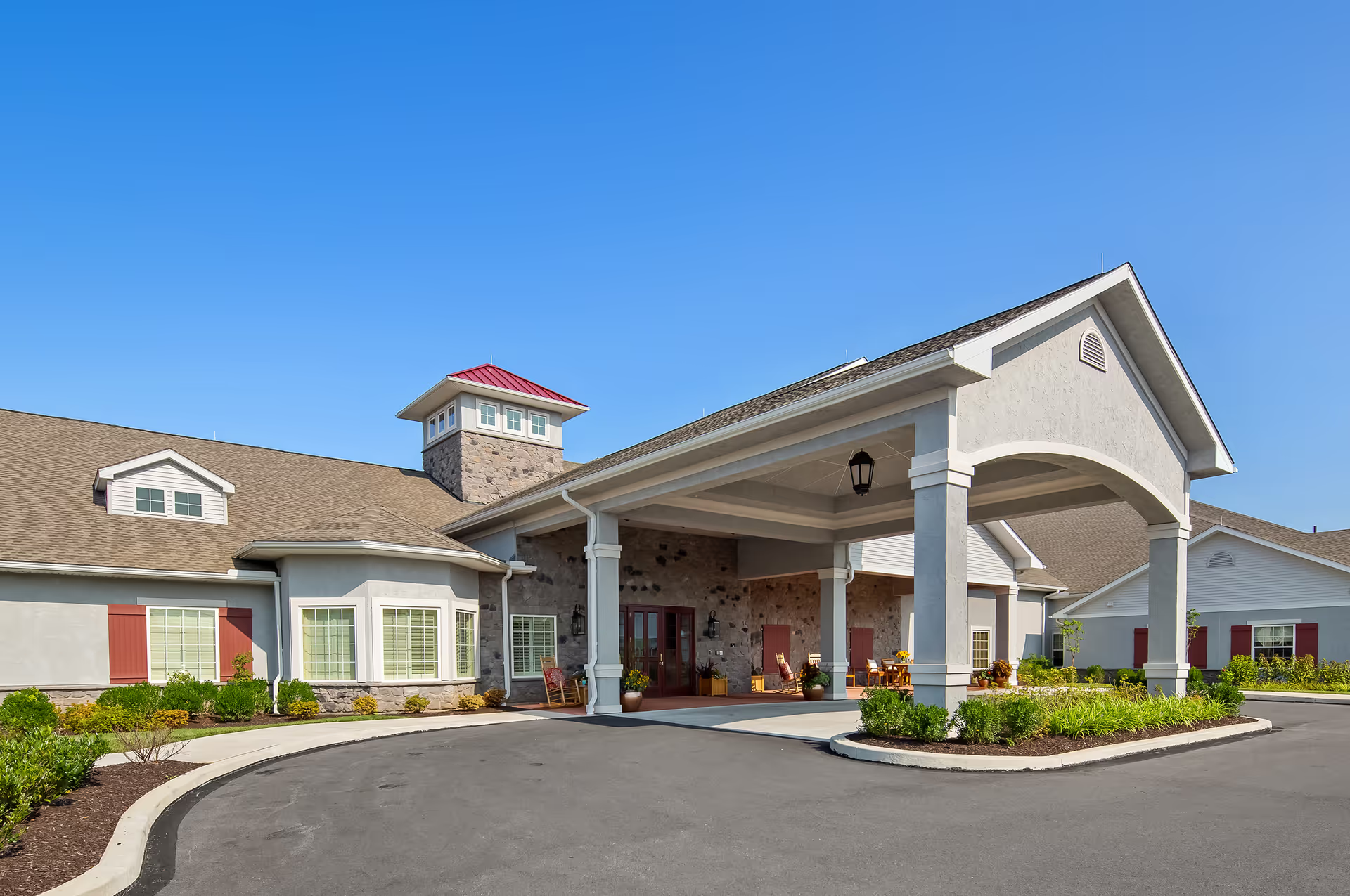
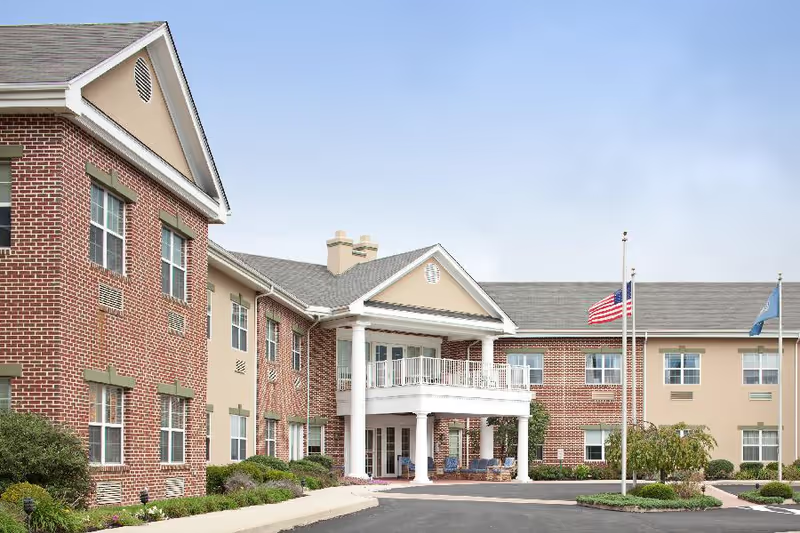
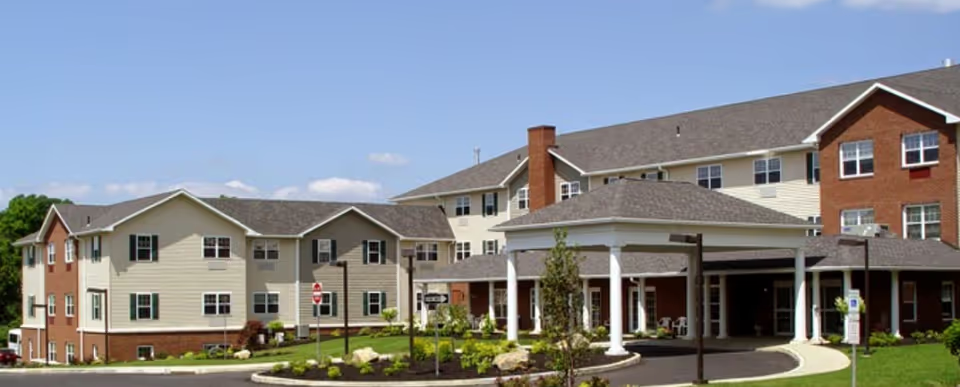
Cedar Crest Post Acute elicits strongly polarized impressions. A substantial body of feedback highlights clinical strengths: attentive nurses, a cadre of well-regarded therapists, and therapy programs that deliver measurable functional improvement for many residents. Multiple accounts describe compassionate bedside care, effective wound-vac monitoring and dressing changes, and therapists who combine instruction with encouragement. The facility’s recent renovations, comfortable common areas (café/large TV room), and proximity to hospital services are frequently cited as operational advantages that support short-term rehab stays.
At the same time, recurring operational issues appear across the commentary. Staffing variability—with particular concerns about night and aide coverage—contributes to slow responses to call bells and extended waits for assistance. Several accounts describe delays in medication administration, gaps in coordination of the care plan with outside physicians, and inconsistent discharge logistics. These patterns are linked to family frustration about communication, unfulfilled service coordination, and last-minute discharge requests.
Sanitation and continence-care processes emerge as another area of concern. Reviewers describe delayed attention to toileting or bed/bath needs and inconsistent housekeeping follow-through in some units. Dining receives mixed feedback: the kitchen is praised for flexibility and some very favorable meals, but others note cold or incorrect deliveries and variability in meal quality. Property controls and inventory management also show lapses in practice: missing items and unaddressed concerns about personal belongings are noted.
Infection control and overall safety are notable themes. A number of accounts raise concerns about outbreak containment and timing of isolation measures. There are also a small number of serious allegations relating to staff conduct; these are significant and warrant direct inquiry and documentation during any evaluation of the facility. Morale and management responsiveness are described inconsistently—some families find leadership helpful and engaged, while others describe poor follow-through from case management and administrative staff.
Putting these patterns together, Cedar Crest Post Acute appears to perform well for many short-term rehabilitation patients and families who interact primarily with skilled therapy and engaged nursing staff in daytime hours. Operational weaknesses—especially inconsistent staffing, communication gaps, medication and discharge coordination issues, and sanitation/process lapses—create the greatest risk for more complex or longer-stay residents. Prospective residents and their families should consider on-site visits at different times of day, ask specific questions about staffing ratios and escalation contacts, review infection-control and wound-care protocols, confirm written care-plan and discharge processes, and document possessions and expectations for laundry and property handling before admission.