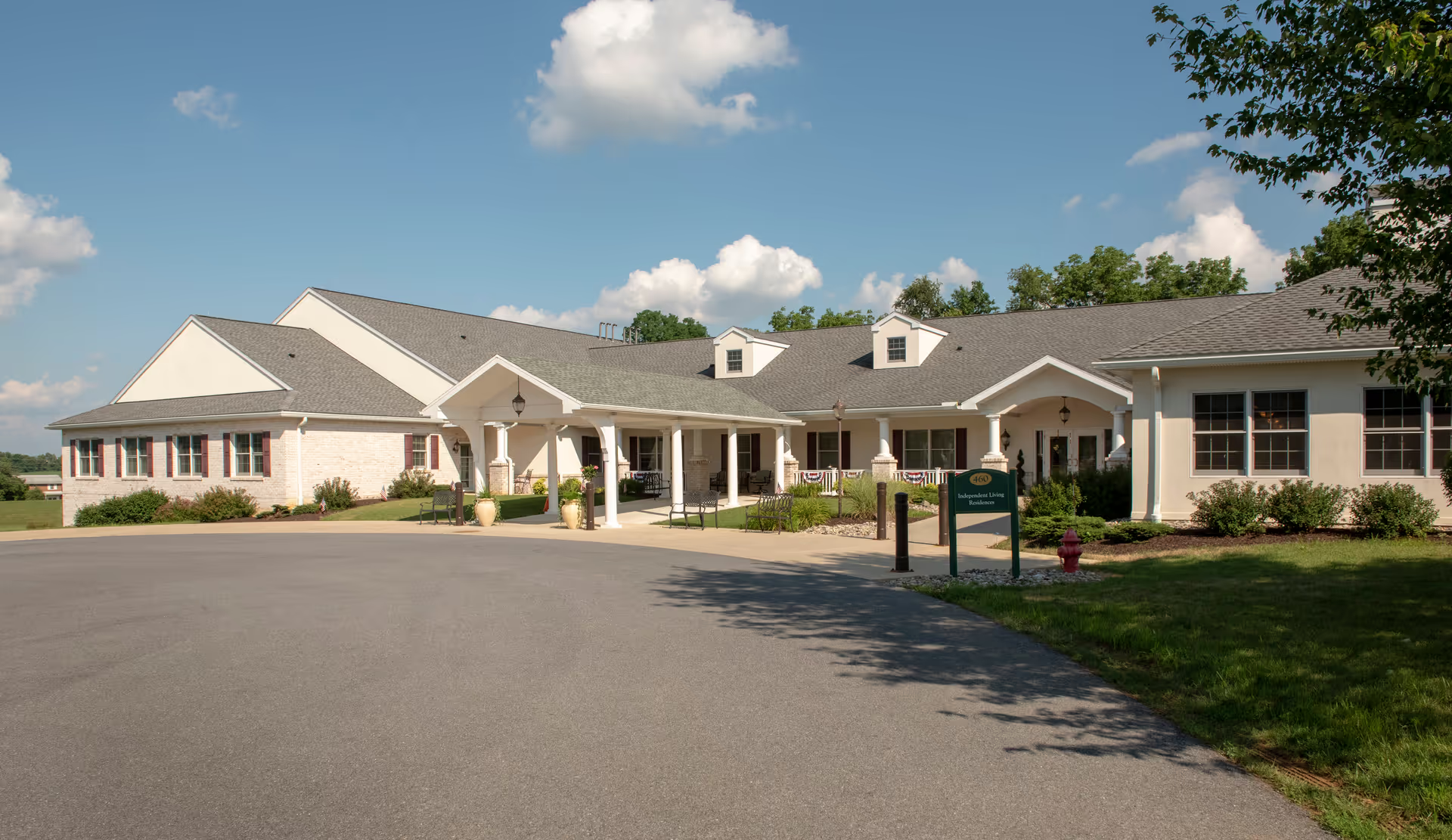
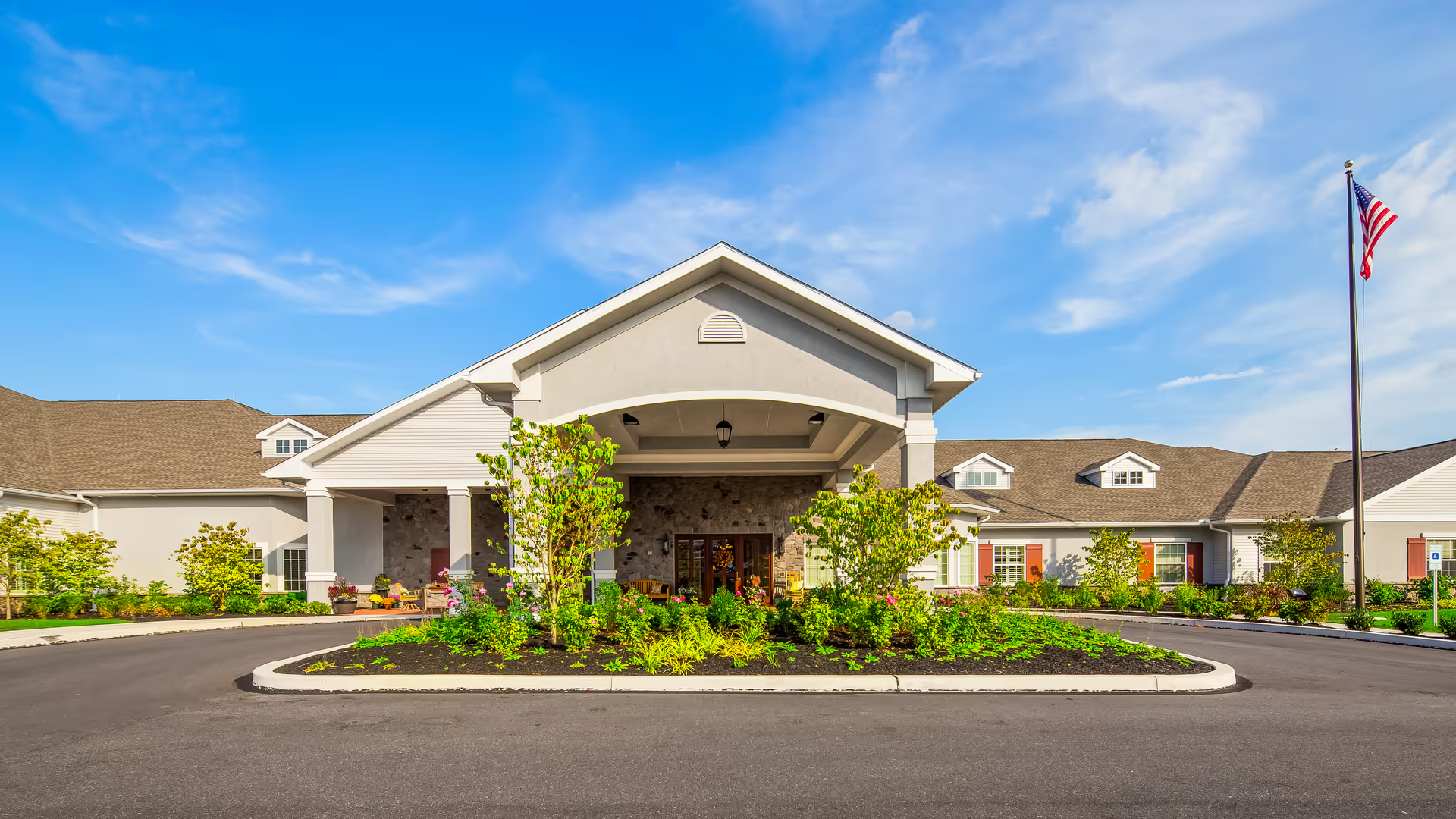
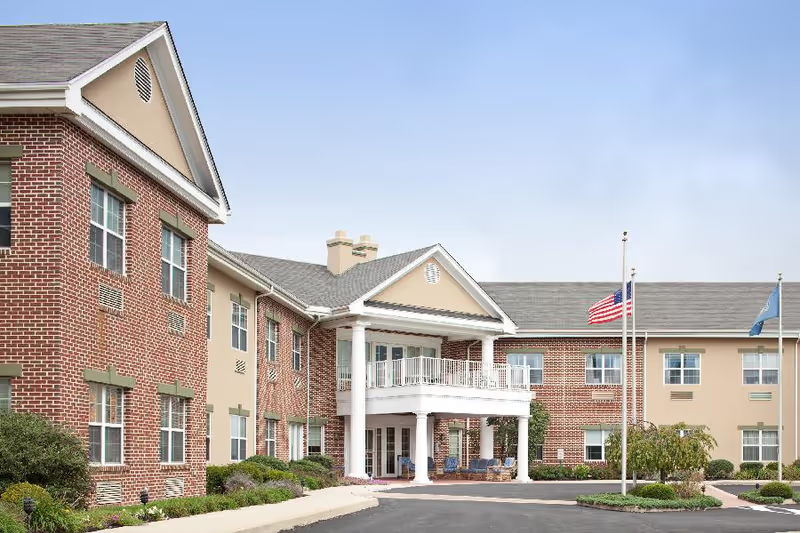
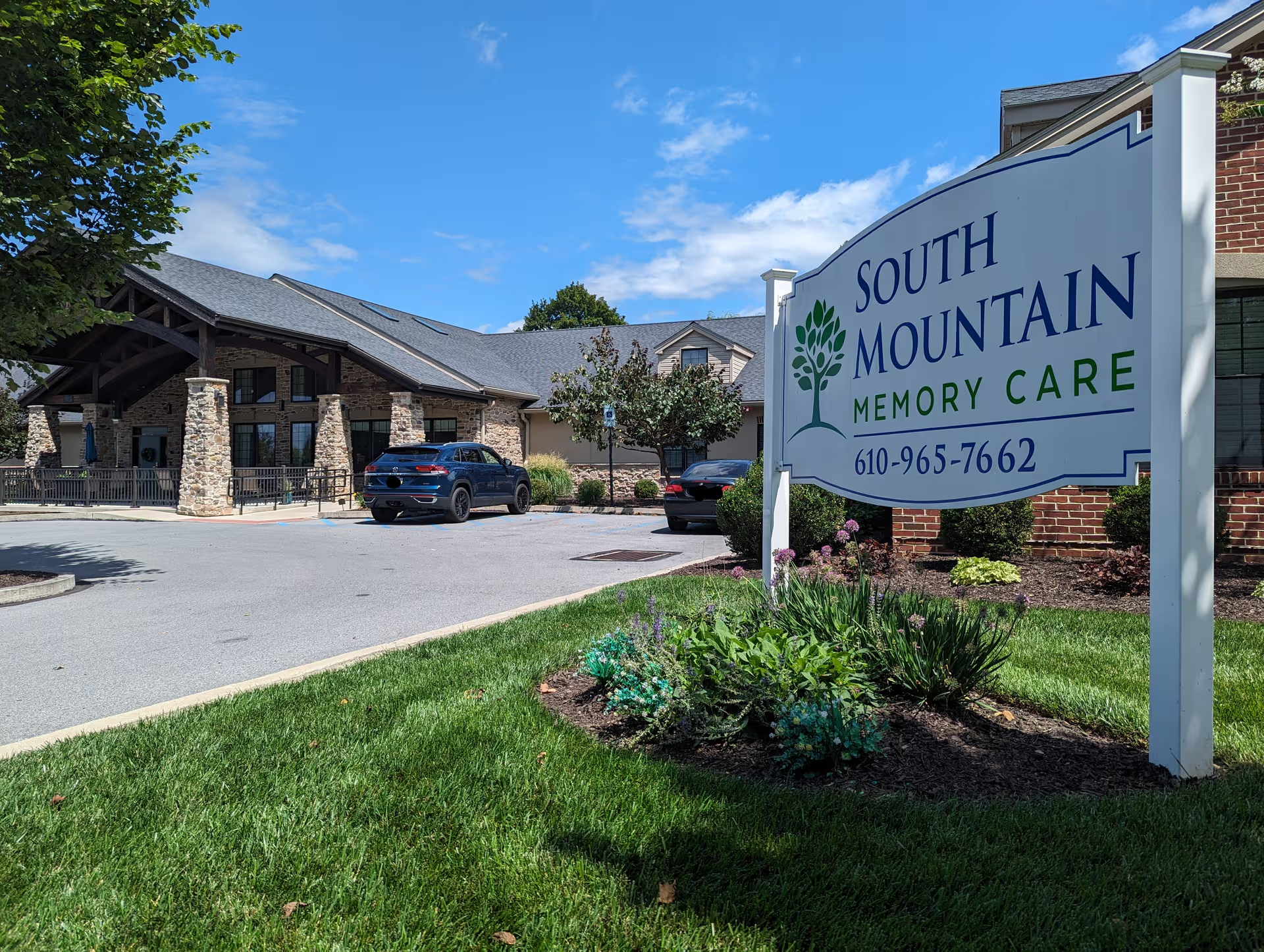
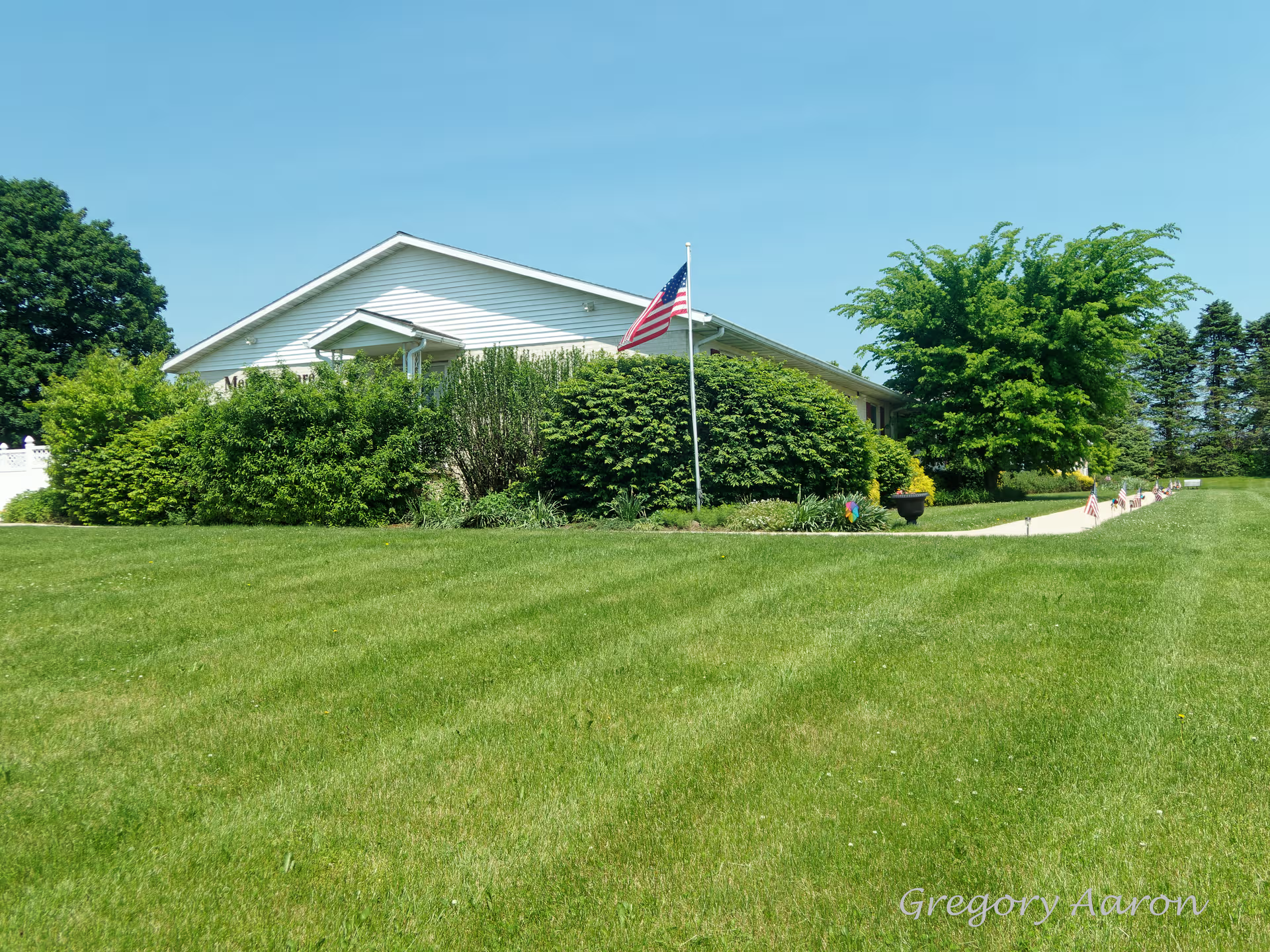
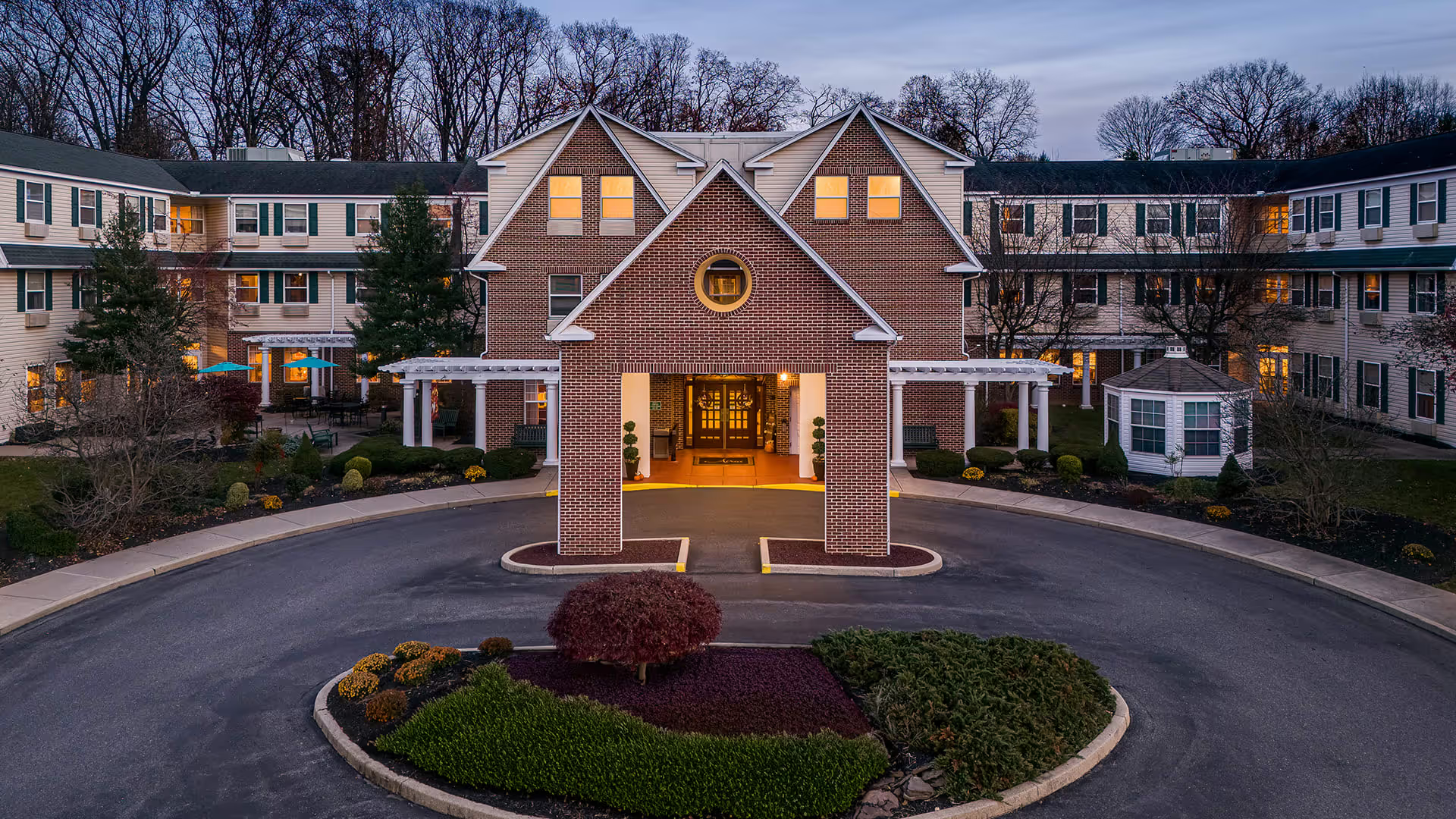
EverTrue Luther Crest is a large continuing-care community in the Allentown area, with independent living, cottages, several levels of assisted living, memory care, skilled nursing, rehabilitation, and hospice. Tour accounts and resident descriptions commonly praise its attractive, clean, and well-maintained buildings, spacious accommodations, landscaped grounds, and extensive amenities. The campus includes a pool, gym, bistro, library, crafts room, and organized common spaces. Some residents and visitors find the grounds and setting especially appealing, while others say the community’s size and walking distances are challenging, particularly for people who use wheelchairs or walkers.
Feedback about care is notably mixed and varies by setting and experience. Residents and families describe compassionate, attentive staff, respectful personal care, good relationships with nurses, and effective rehabilitation; some also report strong therapy progress and successful transitions home. Other families describe delayed responses to call bells, inconsistent bathing and incontinence care, limited therapy, and gaps in glucose checks or medication administration. Several serious rehabilitation accounts raise concerns about physician access, monitoring of changing medical conditions, and timely escalation of urgent needs. One family raised end-of-life care concerns after a resident’s decline and subsequent death. These accounts contrast with positive experiences in personal care, memory care, and skilled nursing, so prospective families may wish to ask how staffing, clinical coverage, and urgent communication are handled in the specific unit under consideration.
Staff are frequently described as friendly, knowledgeable, and helpful, and positive accounts include praise for nursing, administrative, maintenance, dining, and social-services staff. However, family communication and coordination are not consistently viewed as reliable. Some families describe prompt follow-up and clear care planning, while others report difficulty obtaining updates, limited coordination, and concerns about communication around rehabilitation progress, coverage, or discharge costs. Meal feedback is often favorable, with praise for the food and dining atmosphere, though at least one rehabilitation account criticized meal quality. Activities are a recurring strength: residents and visitors mention exercise, arts and crafts, lectures, performances, outings, and opportunities to form friendships.
Affordability is a frequent drawback; several prospective residents considered the community attractive but beyond their budget, and the entrance-fee model was not appealing to everyone. Other practical concerns include the campus’s scale, the distance between some apartments and services, and reliance on online systems for tasks such as reservations and activity sign-ups. Overall, reviews portray a polished, amenity-rich community with an active social environment and many positive staff and care experiences, alongside meaningful concerns about consistency in rehabilitation and clinical operations, responsiveness, and family communication—particularly in short-term rehabilitation.