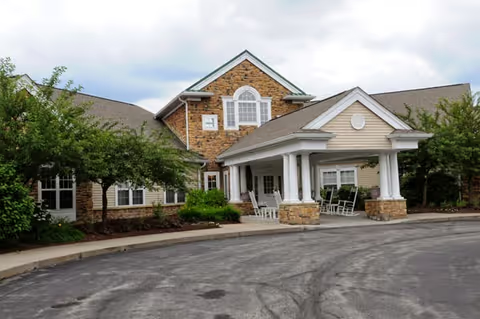
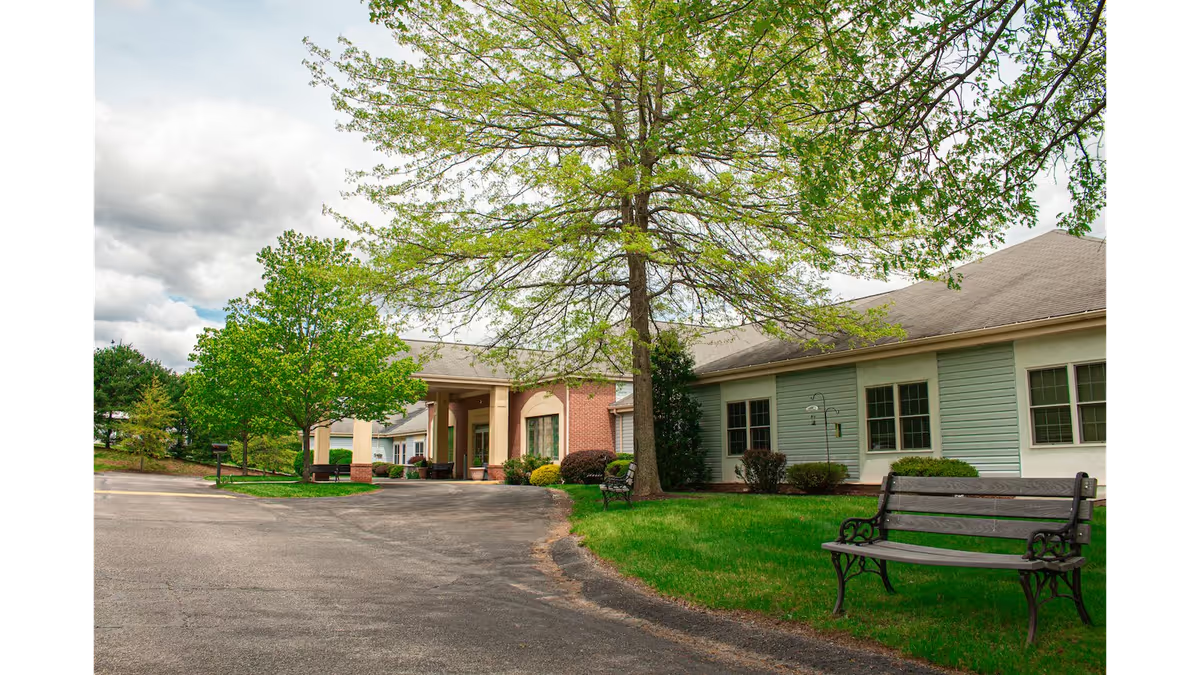
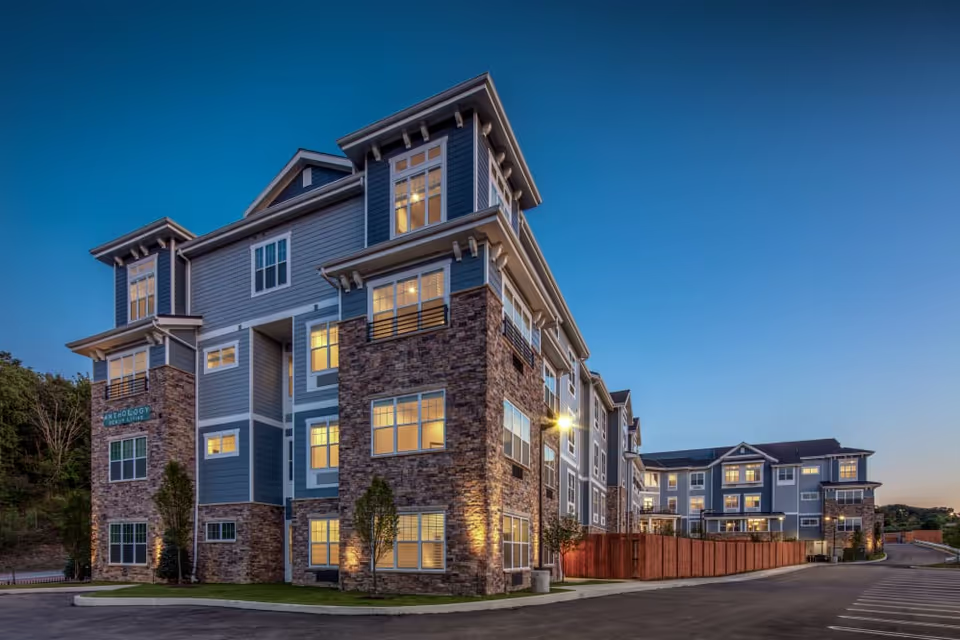
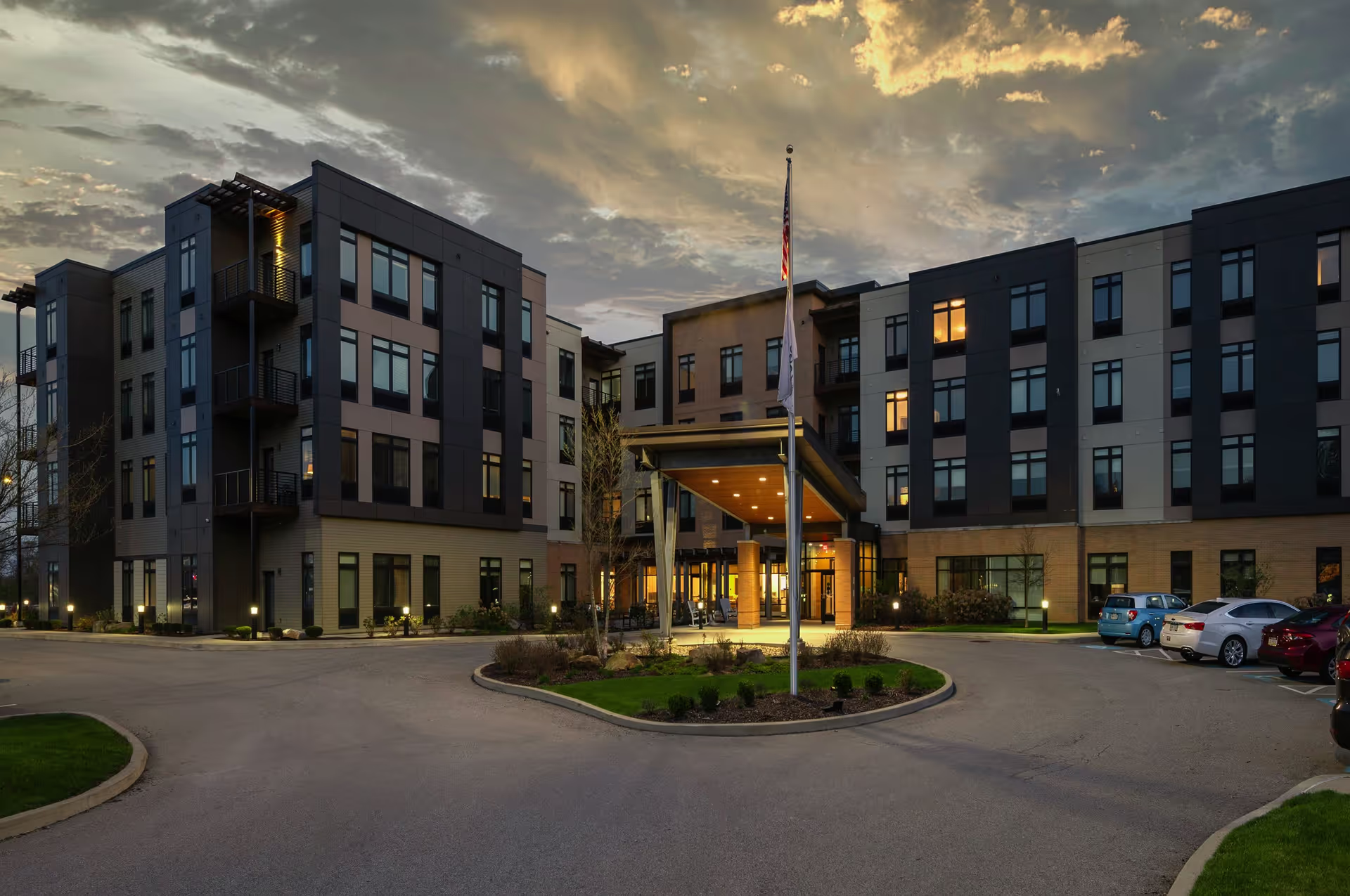
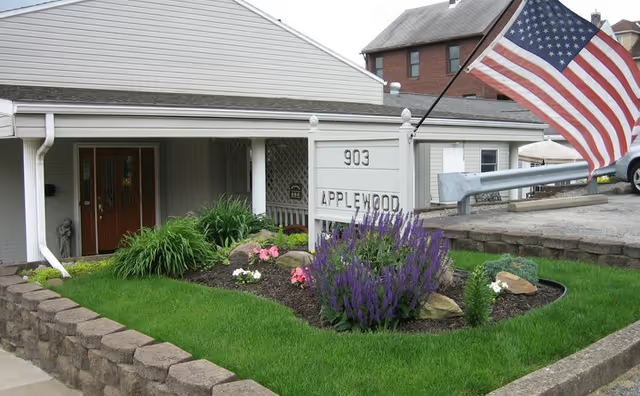
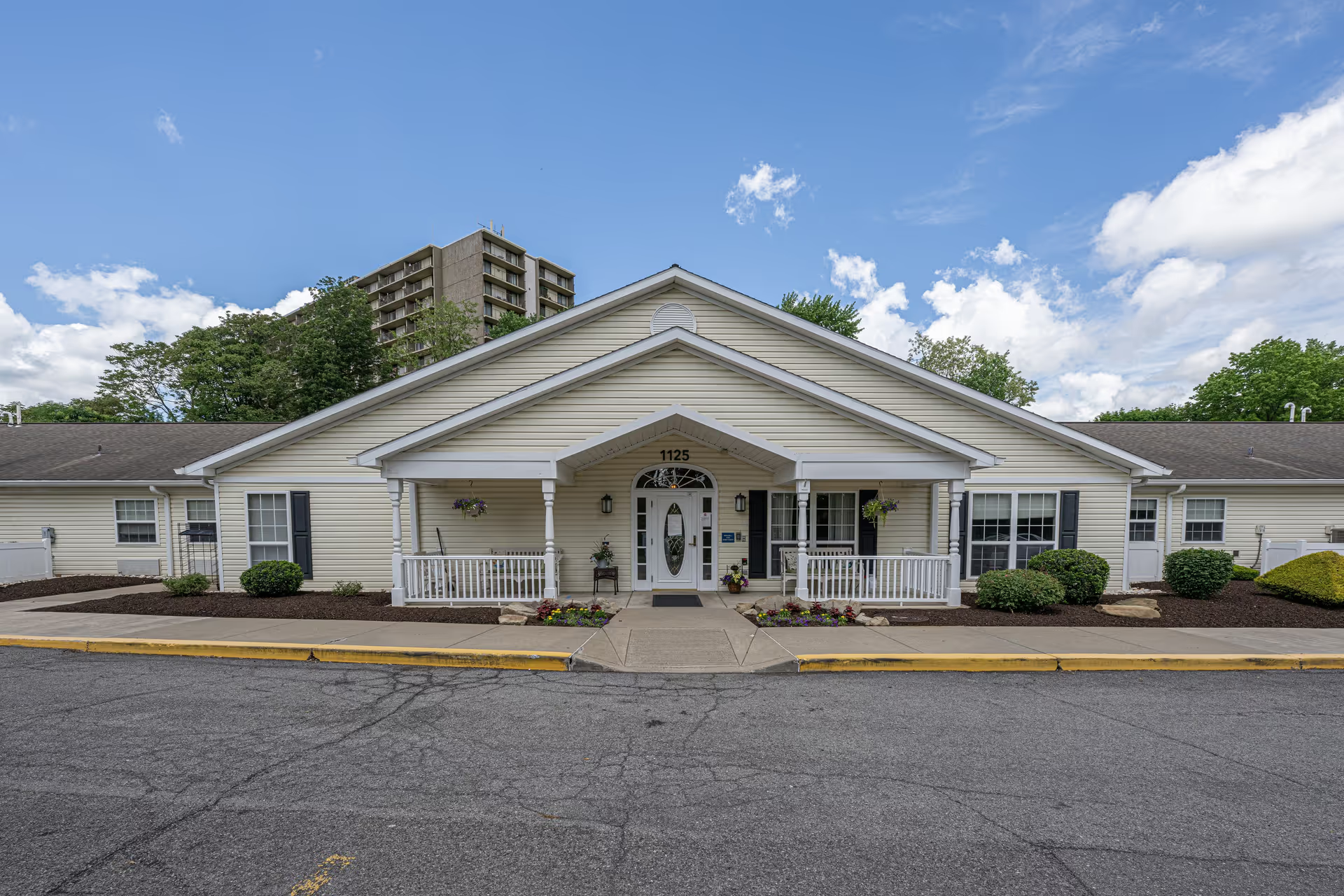
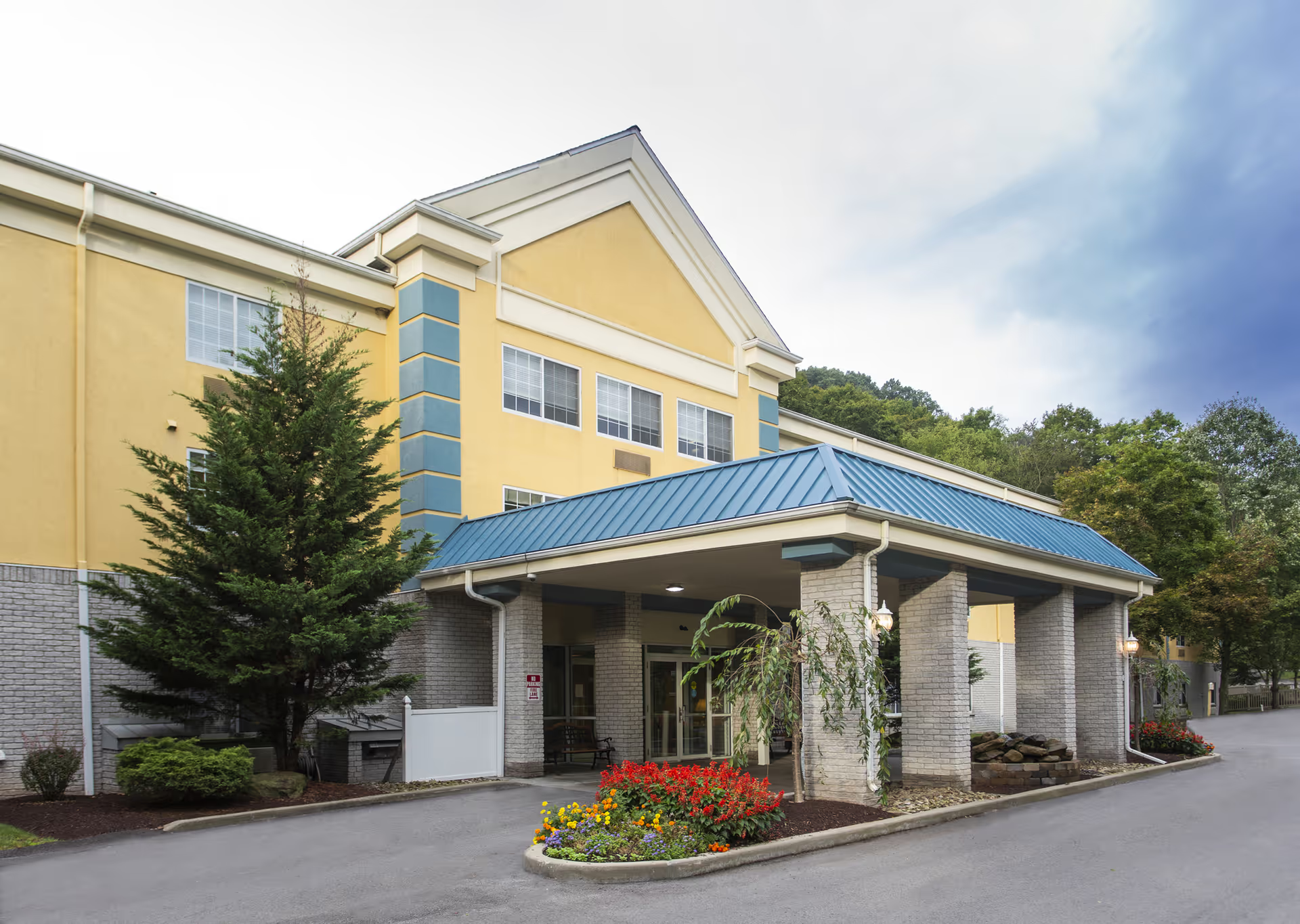
The reviews present a notably mixed picture of Concordia at Rebecca Residence. Many families and patients praise the facility’s rehabilitation program, therapy staff, and the warm, engaged aides and activity staff; those elements frequently produced measurable functional gains and smooth transitions home. The building, common spaces and outdoor grounds are regularly described as bright, attractive and well maintained, and several reviewers highlighted specific staff members and social‑work support as particularly helpful during admission and discharge planning.
At the same time, persistent operational weaknesses emerge as recurring themes. Staffing levels and turnover are cited repeatedly, and reviewers describe delayed responses to call bells and care requests, especially on certain shifts and overnight. These delays tie into broader concerns about clinical oversight: examples include inconsistent medication administration and documentation, gaps in routine monitoring (vital signs and post‑op observations), and variability in nursing competence between units and shifts. A few reviewers described very serious clinical events and urgent hospital transfers; these accounts underscore the importance of confirming clinical protocols and escalation pathways when evaluating the facility.
Dining and housekeeping responses are uneven. Multiple accounts praise dietary accommodations and enjoyable meals, while others describe processed or cold food, limited meal variety, and irregular snack availability. Housekeeping is similarly mixed: many found rooms and common areas clean and odor‑free, whereas others reported localized sanitation concerns and delays in room service or linen changes. Activity offerings and social programming are generally viewed positively and are often singled out as a strength that supports resident engagement.
Management and communication show wide variance. Several families appreciated regular updates, coordinated discharge planning and a welcoming admissions process; conversely, other reviews identify delayed incident reporting, billing and paperwork errors, difficulty reaching nursing supervisors, and confusion about home‑health arrangements at discharge. Weekend physician coverage and pharmacy/medication access during off hours were noted as practical gaps to verify during a tour.
Taken together, the pattern suggests a facility with strong rehabilitation resources, dedicated individual caregivers, and attractive amenities, alongside operational inconsistencies that affect daily care reliability for some residents. Prospective residents and families should consider in-person questions about current staffing ratios, medication management protocols, incident‑reporting practices, weekend medical coverage, and specific housekeeping standards. Asking for names of key clinical contacts, observing activity and dining periods, and requesting recent examples of discharge coordination can help assess whether the facility’s strengths are likely to match an individual’s needs.